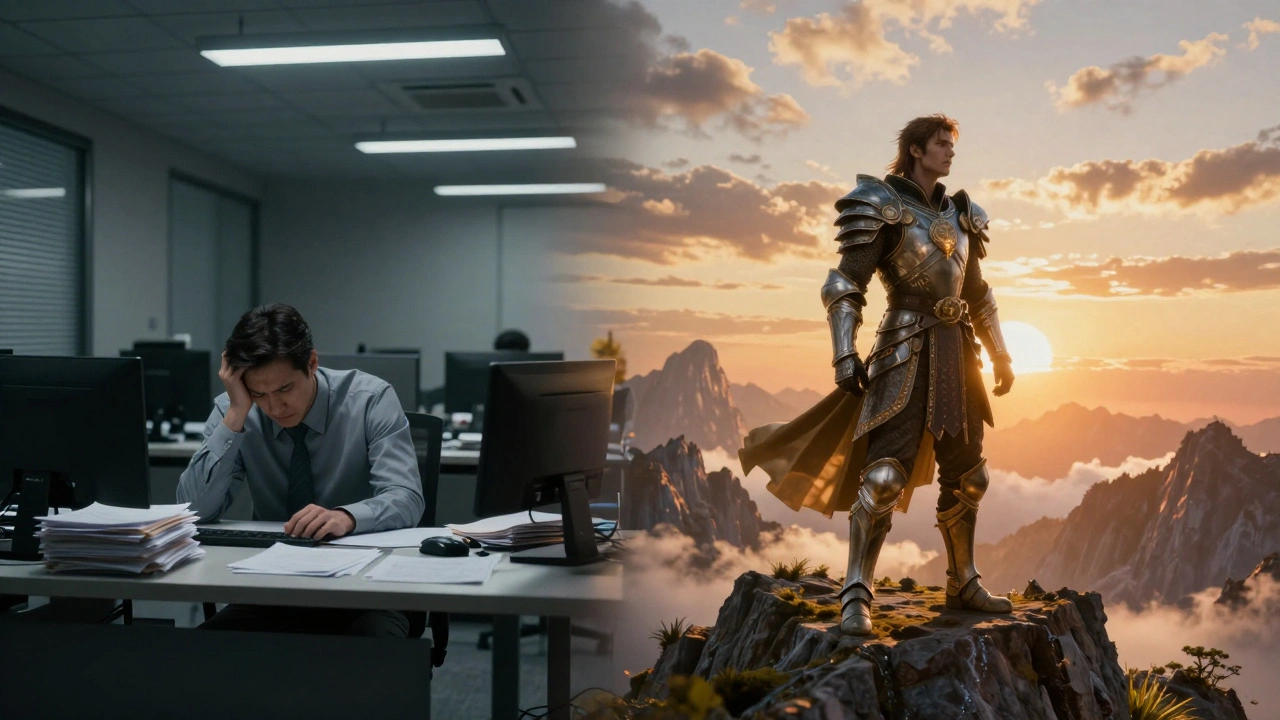
For many adults, the line between relaxing after work and developing a dependency on gaming is dangerously thin. When work stress hits a breaking point, gaming stops being a hobby and starts becoming a survival mechanism. This isn't about loving video games; it's about using them to numb the pain of a toxic professional environment.
The Core Connection: Why Work Stress Leads to Gaming
At its heart, this issue is about emotional regulation. Occupational Stress is the physical and emotional response that occurs when the requirements of the job do not match the capabilities, resources, or needs of the worker. When you're trapped in this state, your brain is screaming for a break. Gaming Addiction, or what clinicians often call Gaming Disorder, provides an immediate, high-intensity reward system that offsets the low-reward, high-stress environment of a corporate job.
Think about the dopamine loop. In a stressful job, you might work for six months on a project only to have it scrapped by a manager. That's a massive effort with zero reward. In a game like World of Warcraft or League of Legends, you kill a monster or win a match and get an immediate reward-loot, experience points, or a rank increase. Your brain starts prioritizing these easy wins over the grueling struggle of your career.
The Escapism Trap and the Cycle of Avoidance
Escapism is a natural human response to pain, but it becomes a problem when it turns into a primary coping strategy. When an adult feels powerless at work-perhaps due to micromanagement or a lack of growth opportunities-they seek a domain where they have total agency. In the digital world, you aren't just "Employee #402"; you are the leader of a guild or the top-ranked player on a server.
This creates a dangerous cycle. You feel stressed at work, so you spend six hours gaming to forget about it. Because you spent those six hours gaming, you're exhausted the next morning. Your productivity drops, your boss gets angrier, and your work stress increases. To deal with that increased stress, you spend even more time gaming. You're not solving the problem; you're just building a digital wall between yourself and the reality you hate.
Identifying the Red Flags: When Hobbies Become Hazards
It's easy to confuse a passionate hobby with an addiction. The difference lies in how the activity affects your actual life. If you're playing 40 hours a week but your bills are paid and your relationships are healthy, you're likely just a heavy gamer. However, when the gaming begins to actively degrade your professional performance, you've crossed into risky territory.
| Feature | Healthy Gaming | Addictive Gaming |
|---|---|---|
| Purpose | Relaxation and social fun | Escaping work trauma/anxiety |
| Impact on Work | No effect on deadlines | Calling in sick or missing deadlines |
| Emotional State | Feel refreshed after play | Feel guilty or anxious when not playing |
| Social Life | Balanced with real-world friends | Replacing real-world ties with digital ones |
The Role of Burnout in Digital Dependency
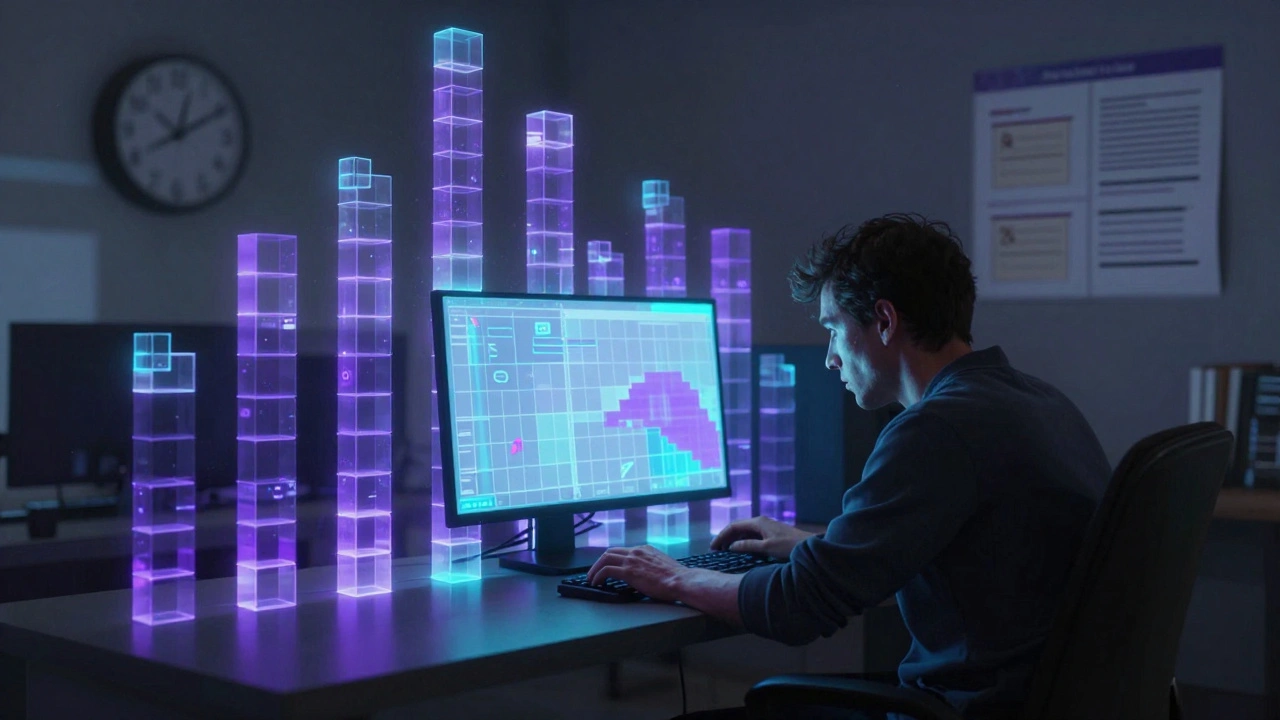
Burnout is more than just being tired; it's a state of emotional, physical, and mental exhaustion caused by excessive and prolonged stress. When a person hits this wall, they often experience a loss of identity. They no longer see themselves as competent professionals. Gaming allows them to reclaim a sense of competence. If you can't manage a team at work, but you can manage a complex economy in a simulation game, that sense of mastery is addictive.
Burnout often manifests as "depersonalization," where you feel detached from your surroundings. Gaming accelerates this. The immersive nature of modern VR or open-world games makes the physical world feel gray and dull by comparison. This makes the return to the office on Monday morning feel physically painful, leading to a deeper craving for the digital world as soon as the clock hits 5:00 PM.
Breaking the Cycle: Practical Strategies for Adults
You can't simply "quit gaming" if the underlying cause is a toxic job. If you remove the coping mechanism without fixing the stressor, you'll likely just swap gaming for another addiction, like alcohol or mindless scrolling. The solution requires a two-pronged approach: managing the work environment and restructuring the reward system in your brain.
- Audit Your Stressors: Identify exactly what triggers your need to escape. Is it a specific person? A lack of clear instructions? Once you name the trigger, it becomes a problem to solve rather than a cloud of misery.
- Implement "Hard Stops": Set a physical alarm that tells you when to stop gaming. Instead of playing until you collapse from exhaustion, stop while you're still having fun. This prevents the "gaming coma" that ruins the next work day.
- Find Low-Dopamine Wins: Start incorporating small, real-world achievements. This could be as simple as a 15-minute walk or cleaning one room. Your brain needs to remember that real-life rewards exist.
- Set Boundaries at Work: If your job is demanding 24/7 access, the stress will never stop. Practice "digital disconnection" by turning off work notifications after a certain hour to reduce the mental load.

Professional Intervention and Support
Sometimes, the cycle is too strong to break alone. Cognitive Behavioral Therapy (CBT) is particularly effective here. It helps adults recognize the thought patterns that lead them to the console. A therapist can help you realize that the feeling of "power" you get in a game is a placeholder for the power you lack in your career, and then help you find ways to gain actual agency in your life.
Many companies are now recognizing the role of Employee Assistance Programs (EAPs) to provide these resources. If your employer offers an EAP, it's a safe, confidential way to get mental health support without the fear that your boss will find out you're struggling with a gaming habit.
Can gaming actually help reduce work stress?
Yes, in moderation. Gaming can be a great way to "decompress" and switch your brain off from work mode. The problem arises when gaming is used to avoid dealing with the causes of stress rather than just relaxing from them. If gaming is your only way to feel happy, it's a red flag.
How do I know if I'm addicted or just a passionate gamer?
The key is "functional impairment." Ask yourself: Are my job performance, health, or relationships suffering because of my gaming? Do I feel irritable or anxious when I can't play? If you are sacrificing sleep, hygiene, or work deadlines to play, it is likely an addiction.
Why do I feel more tired after gaming for hours than after working?
This is often due to "decision fatigue" and the high cognitive load of modern games. While you're relaxing emotionally, your brain is processing massive amounts of information and making constant rapid-fire decisions. Combined with blue light exposure, this disrupts your sleep cycle, leaving you exhausted for work.
Will quitting gaming immediately fix my work stress?
Probably not. Gaming is usually the symptom, not the cause. If you quit gaming but still work in a toxic, high-stress environment, your stress levels will remain high. You need to address the occupational triggers-like burnout or poor management-while building healthier coping mechanisms.
What are the best low-stress alternatives to gaming for decompression?
Activities that involve tactile sensations and physical movement are best. Gardening, cooking, weightlifting, or even reading a physical book can help ground you in reality and break the digital loop. The goal is to move from "passive consumption" to "active engagement" with the real world.
Next Steps for Recovery
If you've realized your gaming habit is a shield against your job, don't panic. Start by tracking your time. Use a simple app or a notebook to log how many hours you spend gaming versus how you feel at work. You'll likely see a direct correlation: the worse your day at the office, the longer your gaming session.
Next, try a "tapering" approach. Instead of quitting cold turkey-which often leads to a relapse during a particularly bad work week-reduce your gaming time by 30 minutes every few days. Use that reclaimed time to do something that connects you to other people or your physical environment. If you find you can't stop despite your best efforts, reach out to a mental health professional who specializes in behavioral addictions.