The Secret Sauce of Virtual Persistence
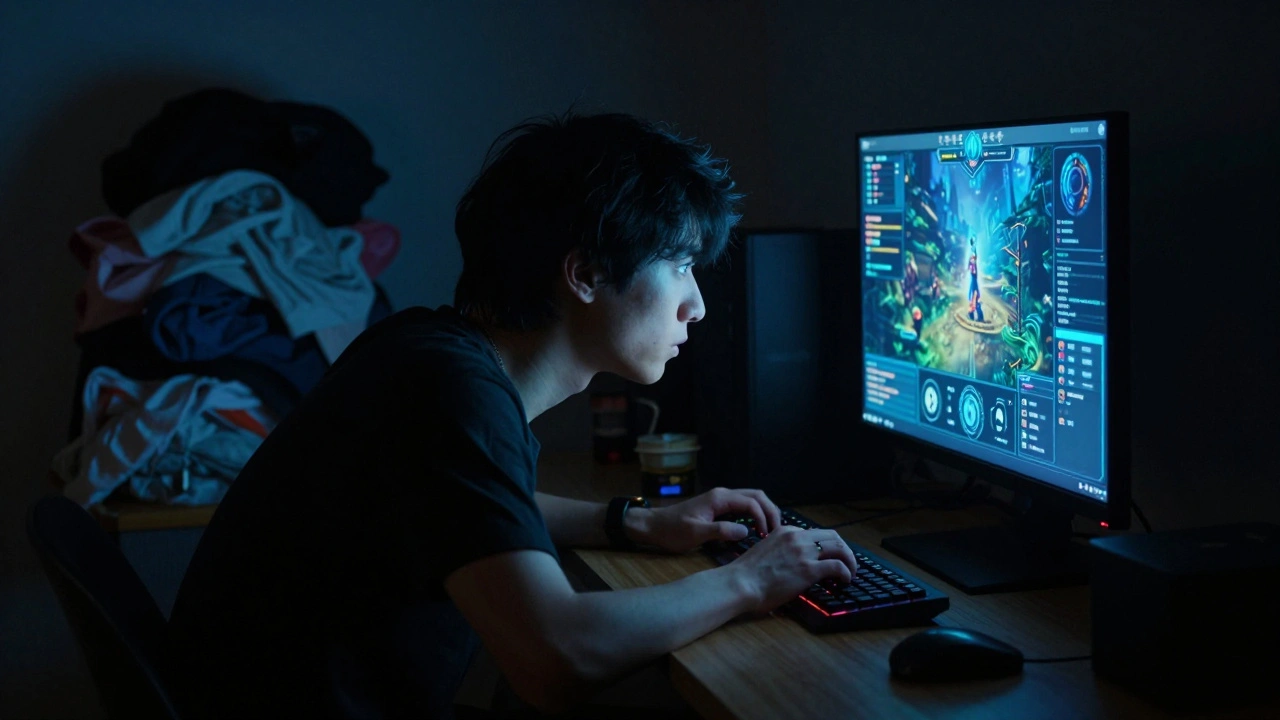
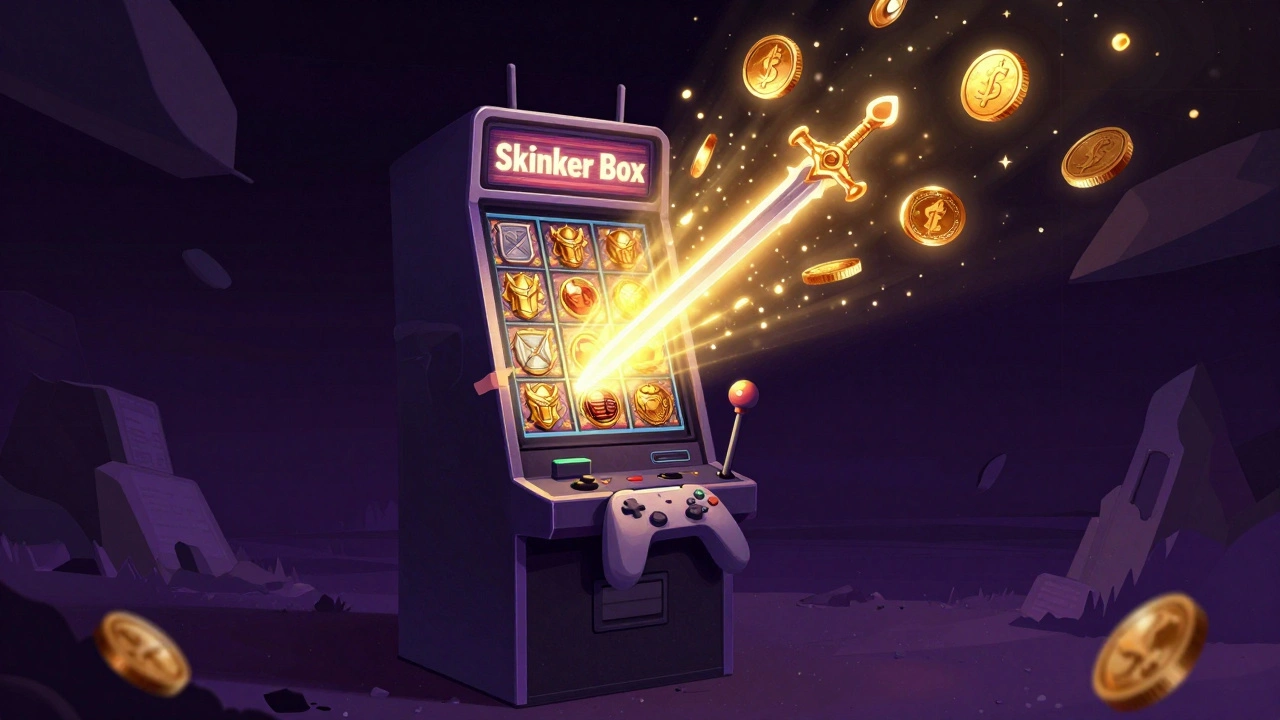
Why are these games more addictive than a quick round of a shooter or a puzzle game? The answer lies in the persistence of the world. In a MMORPG, the world keeps moving even when you log off. If you aren't there to defend your territory or trade resources, you lose ground. This creates a powerful "fear of missing out" (FOMO) that keeps players tethered to their screens. Most of these games use a Skinner Box model. This is a behavioral psychology concept where rewards are given on a variable ratio schedule. You don't get a legendary item every time you kill a monster; you get it maybe once every 500 kills. That unpredictability triggers a massive release of Dopamine in the brain, making the act of grinding feel like a gamble. You aren't just playing a game; you're pulling a digital slot machine handle thousands of times a day.Social Ties and the Digital Family
For many, the addiction isn't actually about the loot or the levels-it's about the people. In a world where loneliness is an epidemic, Guilds and clans provide a structured social hierarchy and a sense of belonging. When you're the lead healer for a group of thirty people, you feel a level of responsibility and importance that you might lack in your actual job or school. This creates a "social obligation loop." If you stop playing, you're not just quitting a game; you're abandoning your friends. This emotional blackmail, often unintentional, makes it incredibly hard to step away. The game becomes the primary source of self-esteem. Why struggle to find a date in the real world when you are a revered King or General in a virtual realm?The Mechanics of the Grind
Game designers use specific techniques to ensure you never feel "done" with the game. This is often achieved through a process called "vertical progression." You reach level 60, but then the game introduces a new expansion that resets the scale, making you start over at level 1 in a new tier.| Mechanic | Psychological Trigger | Behavioral Outcome |
|---|---|---|
| Daily Quests | Loss Aversion | Daily logins to avoid losing rewards |
| RNG (Random Number Generation) | Intermittent Reinforcement | Hours of repetitive "grinding" for a rare drop |
| Leaderboards | Social Comparison | Competitive play to maintain status |
| Battle Passes | Sunk Cost Fallacy | Playing more because you already paid for the pass |
When Play Becomes a Disorder
There is a big difference between being a "hardcore gamer" and having a clinical addiction. The World Health Organization recognizes Gaming Disorder as a legitimate condition. The red line is usually crossed when the game starts replacing basic biological needs. Have you noticed your sleep patterns shifting? Many addicted players experience "revenge bedtime procrastination," where they stay up until 4 AM because it's the only time they feel in control of their lives. Physical symptoms often follow, such as carpal tunnel syndrome from repetitive clicking or severe vitamin D deficiency from avoiding sunlight for weeks. The cognitive load of managing a complex virtual economy can also lead to "brain fog" in real-life tasks, making a simple grocery trip feel overwhelming compared to managing a 100-slot inventory.The Role of Monetization and Dark Patterns
Modern MMORPGs have shifted from subscription models to "Free to Play" models supported by Microtransactions. This shift introduced "dark patterns"-design choices specifically intended to trick users into spending money or time. One of the most predatory is the Loot Box. By hiding the reward behind a paid mystery box, developers merge the RPG experience with gambling. This is particularly dangerous for younger players whose prefrontal cortex-the part of the brain responsible for impulse control-isn't fully developed. They aren't just playing a fantasy game; they are being conditioned to seek high-risk, high-reward stimuli.
Breaking the Cycle and Finding Balance
Getting out of a deep MMORPG addiction is rarely as simple as "just deleting the game." Because the social and emotional ties are so strong, the void left behind can be crushing. The most successful approach is a gradual replacement of the digital reward system with real-world milestones. Start by setting "hard stops." Use a physical timer-not a phone timer, which is a gateway to other distractions-to signal the end of a session. Instead of focusing on what you're giving up, focus on what you're regaining. The time spent grinding for a virtual cape could be used to learn a real-world skill, like cooking or a new language, which provides a similar sense of progression (Novice $\rightarrow$ Intermediate $\rightarrow$ Expert). If the social aspect is the main draw, try transitioning to games with defined endpoints. A cooperative campaign game that ends after 40 hours provides the social bonding of a guild without the infinite loop of a persistent world. This trains the brain to accept a "conclusion," something that is nonexistent in the world of MMORPGs.Can an MMORPG be a positive social outlet?
Absolutely. For many people with social anxiety or physical disabilities, these games provide a safe space to build confidence and friendships. The problem isn't the game itself, but the lack of balance. It becomes a positive outlet when it complements your real life rather than replacing it.
How do I know if I'm actually addicted or just really into the game?
Ask yourself: "If I can't play for three days, do I feel irritable, anxious, or depressed?" and "Am I lying to people about how much I play?" If you find yourself neglecting hygiene, skipping meals, or failing at work/school to hit a certain level, it's likely an addiction.
Do loot boxes count as gambling?
From a psychological standpoint, yes. They use the same intermittent reinforcement schedules as slot machines. While you are buying a virtual item, the process of hoping for a "big win" triggers the same neurological pathways as gambling in a casino.
What is the best way to help a friend who is addicted?
Avoid judging them or telling them the game is "stupid." Instead, invite them to low-pressure real-world activities that mimic the rewards of a game-like a sport or a hobby with a clear ranking system. Help them find a way to meet their social needs outside the server.
Are all MMORPGs designed to be addictive?
Most are, as engagement metrics are how these games make money. However, some "indie" or smaller-scale RPGs focus more on storytelling and exploration than on the infinite grind, making them significantly less likely to trigger addictive behaviors.