
You’ve tried deleting the games. You’ve unplugged the console for a week. Maybe you even threw your controller in the closet, hoping it would stay there forever. But then came the itch. The quiet Tuesday night when the house was still and your brain started screaming for that dopamine hit. If you’re reading this, you probably feel like you need a magic bullet-a strict schedule, a new hobby, or some complex psychological trick-to finally break free from video game addiction. But here’s the hard truth: none of those things work if you don’t have the one thing that actually matters.
The only requirement to stop gaming isn’t willpower. It’s not time management. It’s the genuine, unfiltered desire to stop. Sounds simple, right? Too simple, maybe. But most people who struggle with excessive gaming are stuck in a loop because they want to stop gaming, but they don’t want to stop escaping. Until you address the root desire-the need to quit the behavior itself rather than just the symptoms-you’ll keep bouncing back. This article breaks down why desire is the engine of change, how to cultivate it, and where support groups fit into the picture.
Why Willpower Alone Fails
We tend to view addiction through a moral lens. We think if we just tried harder, we could resist the urge. But neuroscience tells a different story. When you play video games, your brain releases dopamine, the neurotransmitter associated with reward and motivation. Over time, heavy gaming desensitizes your dopamine receptors. Normal activities-like reading a book, going for a walk, or talking to a friend-start to feel dull by comparison.
Relying on willpower is like trying to hold a beach ball underwater. It takes immense energy, and the moment you get tired, the ball shoots up. This is why "just say no" strategies fail. Your brain is wired to seek relief from the discomfort of boredom or anxiety, and gaming provides an instant, low-effort solution. The shift happens when you move from resisting the urge to genuinely wanting the outcome of stopping. That shift is what we call desire.
| Factor | Willpower Approach | Desire-Based Approach |
|---|---|---|
| Energy Source | Depletion of mental energy (ego depletion) | Intrinsic motivation and emotional alignment |
| Sustainability | Short-term; leads to burnout | Long-term; builds identity change |
| Reaction to Relapse | Guilt and shame cycle | Curiosity and adjustment |
| Focus | Avoiding pain (stopping the bad) | Pursuing gain (starting the good) |
Identifying the Root Cause of Your Desire
Before you can strengthen your desire to stop, you need to understand what gaming is doing for you. Most people aren’t addicted to the pixels or the plot; they’re addicted to the feeling gaming gives them. Is it competence? In many online games, you level up, earn badges, and receive immediate feedback. In real life, progress is slow and often invisible. Is it social connection? For some, Discord servers and guild chats are the only places they feel accepted. Or is it numbness? Gaming can be a highly effective way to shut off intrusive thoughts about work stress, relationship issues, or loneliness.
To find your true desire, ask yourself these questions:
- What am I avoiding when I start playing?
- How do I feel immediately after a long session? Energized or drained?
- What part of my life suffers most when I game excessively?
If you realize you’re using gaming to avoid difficult conversations at home, your desire to stop might be tied to wanting deeper connections with your partner or family. If you’re gaming to escape career stagnation, your desire might be linked to reclaiming your professional ambition. Naming the void helps fill it.

The Role of Support Groups in Building Desire
This is where support groups become critical. Trying to quit alone is isolating, and isolation feeds addiction. Support groups, whether in-person or online, provide something individual therapy sometimes misses: peer validation. When you sit in a circle-or log into a Zoom call-and hear someone else describe the exact shame spiral you’ve been hiding, something clicks. You realize you’re not broken; you’re human.
Groups like Game Addicts Anonymous or local cognitive-behavioral therapy (CBT) workshops operate on the principle that shared experience accelerates insight. Hearing others articulate their desires to stop reinforces your own. It normalizes the struggle and provides a roadmap. You see people who were exactly where you are six months ago now living lives you envy. That visual proof strengthens your belief that change is possible, which fuels your desire.
However, not all groups are created equal. Look for groups that focus on action and accountability, not just venting. A good group will help you identify triggers and celebrate small wins. Avoid environments that foster a victim mentality without offering practical tools for daily life.
Cultivating Desire Through Environment Design
Desire isn’t static; it fluctuates. On days when your desire dips, environment design acts as a safety net. You don’t need to rely on motivation every single day. Instead, structure your physical space to make gaming high-friction and healthy behaviors low-friction.
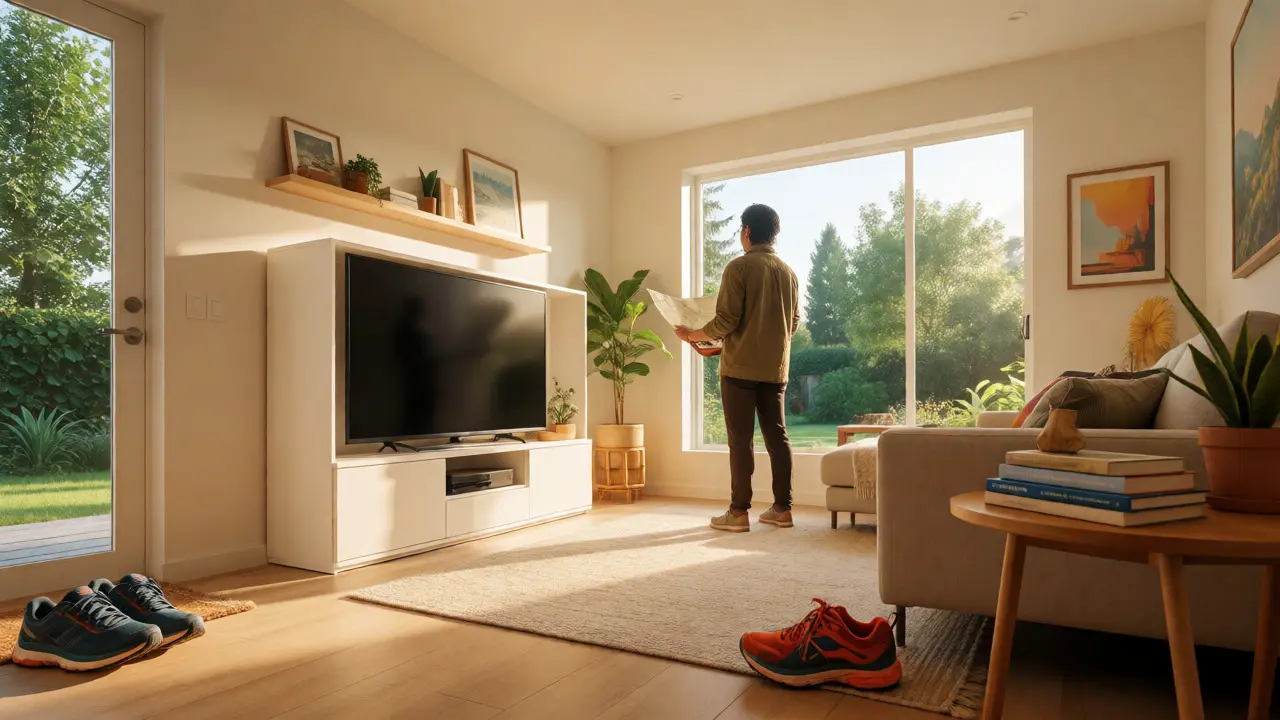
For example, if you play on a PC, create a separate user account for work and leisure, or better yet, remove the shortcut from your desktop entirely. Make the browser open to a blank page or a productivity tool instead of Steam. If you use consoles, put them in a closet out of sight. Out of sight really does mean out of mind for many people. Conversely, place your running shoes by the door or a book on your pillow. These subtle cues remind your brain of the alternative rewards you’re pursuing.
Consider this checklist for redesigning your space:
- Remove Visual Cues: Hide controllers, headsets, and charging stations.
- Add Friction: Unplug the console after each use so starting requires effort.
- Create Alternatives: Set up a comfortable chair with good lighting for reading or hobbies.
- Tech Boundaries: Use app blockers during peak trigger hours (e.g., late evenings).
Navigating the Withdrawal Phase
When you first stop gaming, expect withdrawal. It’s not always physical, but it is psychological. You might feel restless, irritable, or profoundly bored. This is your brain recalibrating its dopamine baseline. Many people mistake this discomfort for unhappiness and rush back to the game to fix it. Don’t let it fool you. This discomfort is a sign of healing.
During this phase, lean heavily on your support network. Call a friend. Go to a meeting. Write in a journal. Do anything that allows you to sit with the discomfort without acting on it. Typically, the acute intensity of cravings subsides within two to four weeks. After that, the challenge shifts from managing urges to building a new lifestyle. This is where your initial desire must evolve into a sustained commitment.
Building a Life Worth Living
The ultimate goal isn’t just to stop gaming; it’s to build a life so engaging that gaming becomes optional rather than essential. This means finding other sources of competence, autonomy, and relatedness-the three pillars of intrinsic motivation identified by self-determination theory.
Try picking up one new activity per month. It doesn’t have to be grand. Join a hiking club, take a cooking class, or volunteer at a local shelter. The key is to choose activities that offer tangible feedback and social interaction. As you accumulate positive experiences outside of the screen, your desire to return to the virtual world diminishes naturally. You won’t miss it because you’re too busy enjoying reality.
Remember, relapse is part of the process. If you slip up, don’t spiral into shame. Analyze what triggered the lapse. Was it stress? Boredom? Social pressure? Adjust your strategy and recommit. Your desire to stop remains intact even if your actions momentarily falter.
Is video game addiction recognized as a medical condition?
Yes, the World Health Organization included "Gaming Disorder" in the International Classification of Diseases (ICD-11) in 2018. It is characterized by impaired control over gaming, increasing priority given to gaming over other activities, and continuation of gaming despite negative consequences.
How long does it take to reset dopamine levels after quitting gaming?
While individual timelines vary, research suggests that significant neurochemical rebalancing can take anywhere from 90 days to several months. However, noticeable improvements in mood regulation and ability to enjoy non-gaming activities often occur within the first 2-4 weeks of abstinence.
Do I need to quit gaming completely, or can I moderate?
For many individuals with severe addiction, complete abstinence is easier than moderation because it removes the constant decision-making fatigue. Others may successfully return to casual gaming once they have established strong boundaries and addressed underlying issues. There is no one-size-fits-all answer; it depends on your personal history and triggers.
What should I look for in a gaming support group?
Look for groups that emphasize accountability and practical coping strategies rather than just sharing complaints. Facilitated groups led by trained professionals or experienced peers tend to be more effective. Check if they offer consistent meeting times and follow-up resources between sessions.
Can exercise help replace the dopamine hit from gaming?
Absolutely. Aerobic exercise has been shown to increase dopamine production and sensitivity. Activities like running, swimming, or team sports can provide similar feelings of accomplishment and social connection, making them excellent substitutes for gaming.