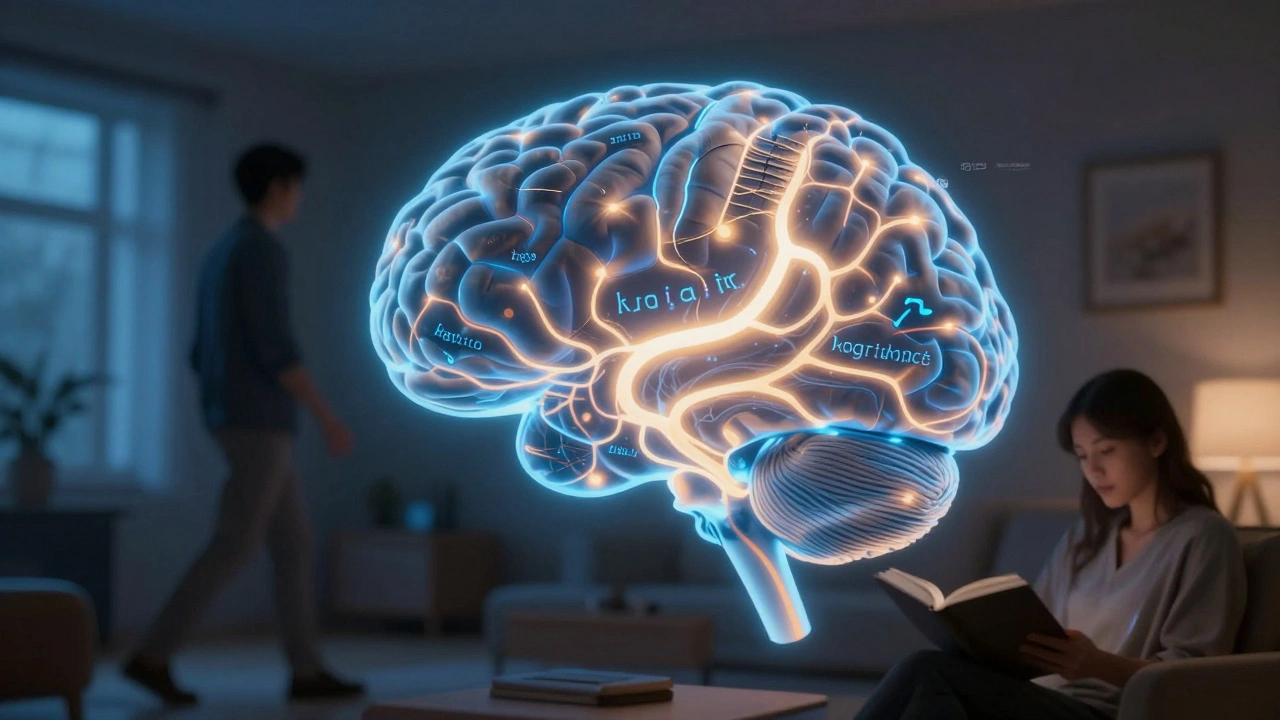
Ever notice how a game that felt thrilling at first starts to feel boring after a few weeks? You keep playing, not because it’s fun anymore, but because you feel like you need to. That’s not just habit-it’s your brain changing. This is tolerance development, and it’s happening in real time for millions of gamers.
What Tolerance Actually Looks Like in the Brain
Tolerance isn’t just about needing more of something to feel the same high. In gaming, it’s your brain rewiring itself to expect bigger, faster, louder rewards. Every kill, every level-up, every loot drop triggers dopamine release-a chemical that tells your brain, "This is important. Do it again."
At first, a simple achievement like beating a level gives you a noticeable rush. But after dozens of times, that same reward doesn’t hit the same way. Your brain responds by reducing dopamine receptors, making you less sensitive. It’s like turning down the volume on your own pleasure system. To get back that initial buzz, you start chasing harder content: longer sessions, tougher challenges, more addictive mechanics.
This isn’t theory. A 2023 fMRI study at the University of Oregon tracked 87 frequent gamers over six months. Those who played over 20 hours a week showed a 22% drop in baseline dopamine receptor availability compared to light players. Their brains literally shrunk their response to ordinary rewards.
Why Modern Games Are Designed to Trigger This
Game designers don’t accidentally create addictive loops. They use behavioral psychology built on decades of research. Loot boxes, daily login bonuses, streaks, randomized rewards-all these are engineered to exploit the same neural pathways that respond to gambling.
Here’s how it works:
- Variable reward schedules: You never know when the next rare item will drop. That uncertainty keeps you playing longer than fixed rewards ever could.
- Progression traps: The "just one more level" feeling is real. Your brain fixates on the next milestone because it’s wired to seek closure.
- Social pressure: Seeing friends rank up or earn exclusive skins triggers FOMO, which activates the same brain regions as physical pain.
Games like Fortnite, Apex Legends, and Genshin Impact use these tactics at scale. They don’t just reward skill-they reward persistence. And persistence, over time, rewires your brain to need more.
The Difference Between Habit and Dependence
Not everyone who plays a lot becomes dependent. But tolerance is the gateway. Here’s the line between normal play and brain adaptation:
- Normal play: You stop because you’re tired, bored, or have other responsibilities. The game doesn’t control your mood.
- Tolerance-driven play: You play because you feel restless, irritable, or empty without it. You play even when you know it’s hurting your sleep, work, or relationships.
When your brain stops responding to non-gaming rewards-like hanging out with friends, exercising, or even watching a movie-you’re in the danger zone. Your dopamine system has become so tuned to gaming stimuli that other activities feel dull by comparison.
One 2025 survey of 2,100 adults in the U.S. found that 38% of those who played 30+ hours per week reported feeling "numb" to everyday pleasures. That’s not just being busy-it’s neurochemical adaptation.
How Long Does It Take to Build Tolerance?
There’s no universal timeline. But patterns emerge:
- 2-4 weeks: Noticeable drop in reward satisfaction. The same content feels less exciting.
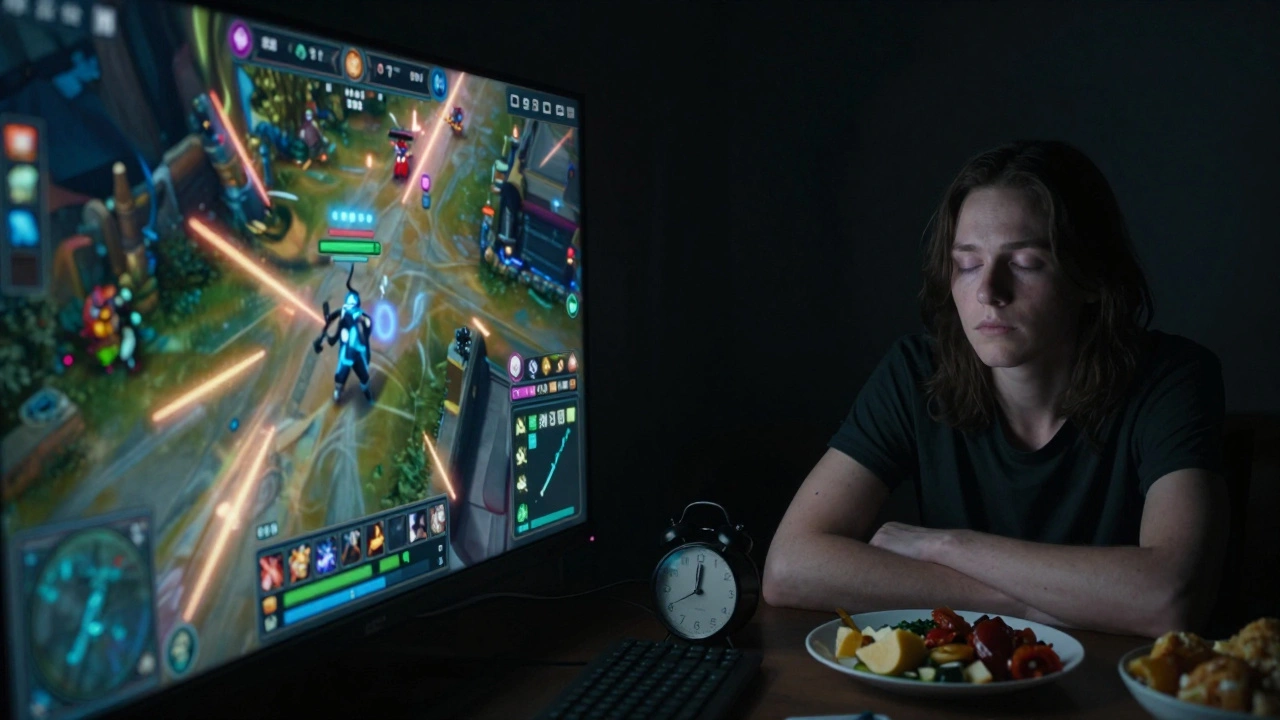
- 8-12 weeks: Increased playtime to compensate. You start skipping meals, staying up later, or ignoring social plans.
- 6+ months: Baseline dopamine sensitivity drops. Non-gaming activities feel flat. Withdrawal symptoms like anxiety or irritability appear when you stop.
These timelines aren’t magic numbers-they’re patterns from clinical case studies. A 2024 paper from the Oregon Health & Science University followed 150 patients diagnosed with gaming disorder. The average time to develop clinical tolerance was 11.3 weeks. For those with pre-existing anxiety or depression, it happened in under 6 weeks.
Can You Reverse It?
Yes. But not by playing "less." You have to retrain your brain.
Studies show that a 4-week break from gaming restores dopamine receptor sensitivity by up to 70%. But here’s the catch: you can’t just replace gaming with another screen-based activity. Swapping Fortnite for TikTok doesn’t help. Your brain still needs new, non-digital rewards.
Effective recovery strategies include:
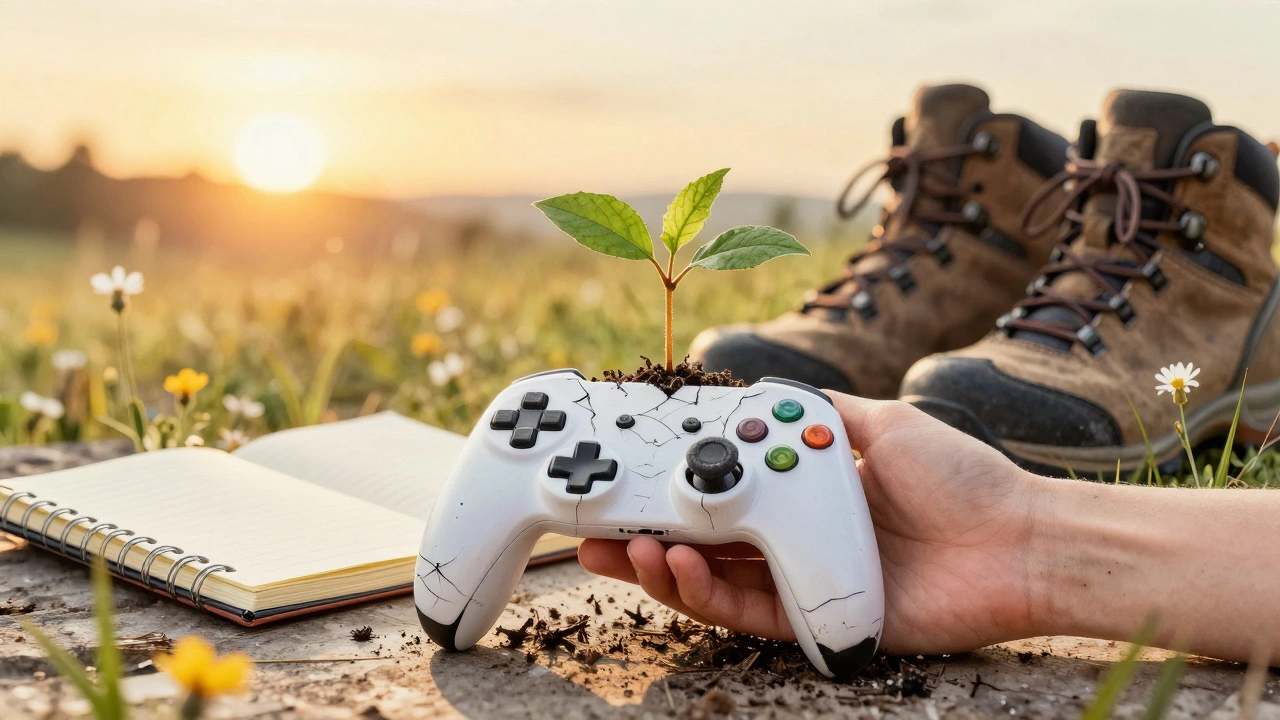
- Physical movement: Even 20 minutes of walking outdoors boosts natural dopamine and serotonin.
- Social interaction: Face-to-face conversations activate different neural pathways than online chats.
- Delayed gratification: Learning to enjoy slow-building rewards-like gardening, reading fiction, or learning an instrument-rebuilds patience in your reward system.
One participant in the 2025 Portland Recovery Study, a 24-year-old who played 40 hours a week, took a full 30 days off. Within two weeks, he started noticing colors more vividly. By day 27, he cried watching a sunset. "I hadn’t felt that in years," he said. "It wasn’t about quitting gaming. It was about remembering how to feel."
What You Can Do Today
You don’t need to quit cold turkey. But if you’re noticing signs of tolerance, here’s what to try:
- Track your mood: Before and after playing, rate your energy and mood on a scale of 1-10. Are you feeling better-or just less bad?
- Set non-negotiable breaks: No gaming for 48 hours once a month. Use that time for real-world experiences.
- Replace, don’t remove: Add one non-screen activity that gives you slow, steady satisfaction. Try cooking a new recipe, journaling, or hiking a trail you’ve never done.
- Check your triggers: Do you play when you’re lonely? Stressed? Bored? Understanding the "why" helps you address the root, not just the symptom.
The goal isn’t to ban gaming. It’s to make sure gaming doesn’t ban your ability to feel joy from anything else.
When to Seek Help
If you’ve tried cutting back and still feel:
- Constantly irritable or anxious without the game
- Unable to focus on work, school, or relationships
- Using gaming to escape emotions like sadness or shame
Then it’s time to talk to a professional. Clinical gaming disorder is recognized by the World Health Organization. It’s not about willpower. It’s about brain chemistry.
Therapists who specialize in behavioral addictions use cognitive behavioral therapy (CBT) and mindfulness techniques to help rebuild reward sensitivity. Many patients see improvement within 8-12 weeks of consistent treatment.
Is gaming tolerance the same as addiction?
Tolerance is a biological process that often leads to addiction, but they’re not the same. Tolerance means your brain needs more to feel the same effect. Addiction includes loss of control, continued use despite harm, and withdrawal symptoms. Many people develop tolerance without becoming addicted-but tolerance makes addiction much more likely.
Can kids develop gaming tolerance faster than adults?
Yes. Teen brains are still developing, especially the prefrontal cortex, which handles impulse control. A 2024 study found that adolescents who played 25+ hours per week showed dopamine receptor changes in as little as three weeks-nearly twice as fast as adults. Their brains are more plastic, which means they adapt quicker… for better or worse.
Do all games cause tolerance equally?
No. Games with randomized rewards (loot boxes, card packs, random drops) and social competition (leaderboards, ranked modes) trigger the strongest responses. Single-player story games with fixed pacing tend to cause less tolerance. But even "casual" games like Candy Crush can do it if played daily for long periods.
Does taking a break really reset the brain?
Yes-research confirms that 4 to 6 weeks without gaming allows dopamine receptors to regrow and sensitivity to return. One 2025 study using PET scans showed a 68% increase in receptor density after 30 days of abstinence. But the key is avoiding substitutes like streaming or social media. Real recovery requires non-digital stimulation.
Is it possible to enjoy gaming without developing tolerance?
Absolutely. People who play in moderation-under 10 hours per week-and mix gaming with other fulfilling activities rarely develop tolerance. The issue isn’t gaming itself. It’s the lack of balance. Your brain thrives on variety. If gaming becomes your only source of reward, your brain adapts to that… and nothing else.
If you’ve read this far, you’re already thinking differently about your gaming habits. That’s the first step. Awareness changes behavior. And behavior changes your brain.