
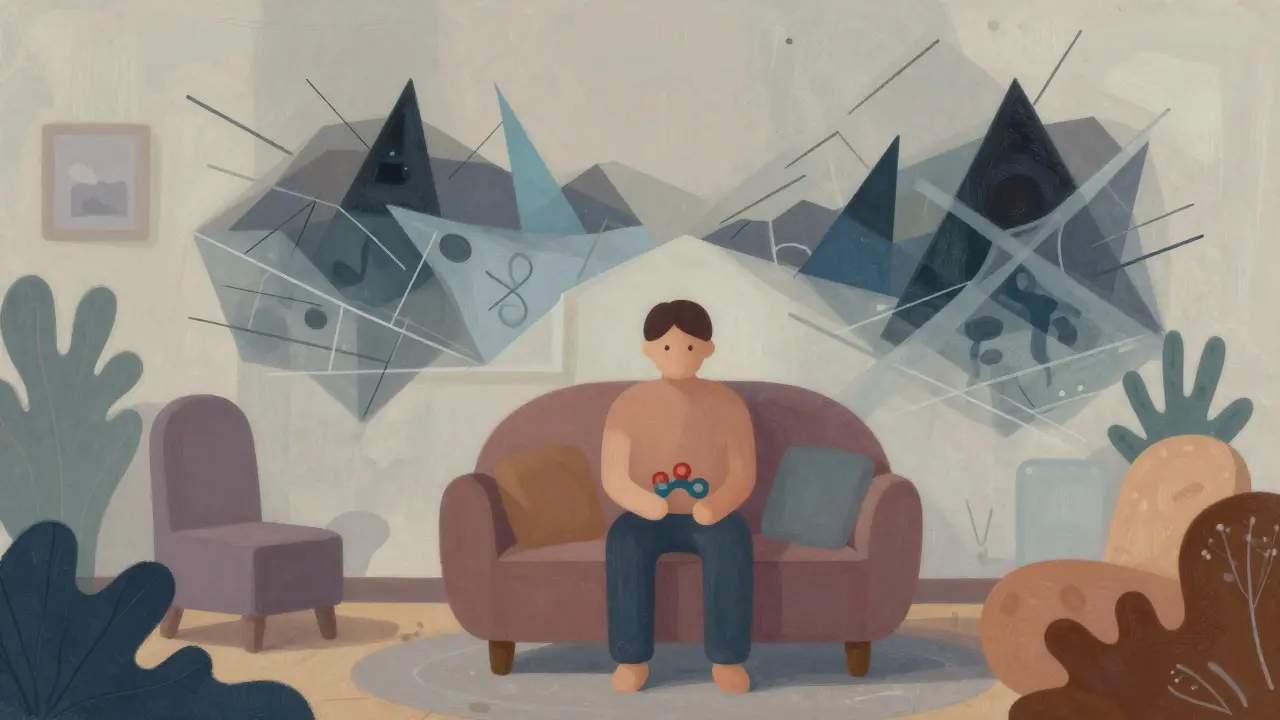
Most people assume gaming addiction is just a lack of willpower. They think the fix is simple: take away the controller, set a timer, and force the person to go outside. But if you’ve ever tried that approach with a client or a loved one, you know it rarely works. The resistance isn’t stubbornness; it’s often a survival mechanism. For many individuals struggling with excessive screen time, the game isn’t the problem-it’s the anesthetic.
When we look at clinical data, a significant portion of those diagnosed with Internet Gaming Disorder (IGD) also carry histories of unresolved trauma. This could be childhood neglect, bullying, domestic instability, or even complex grief. The virtual world offers something the real world failed to provide: safety, predictability, and control. To treat the addiction without addressing the underlying pain is like mopping the floor while the faucet is still running. You need to turn off the water first. That is where trauma-informed care comes in.
Understanding the Link Between Trauma and Gaming
To help your clients, you first have to understand why they turned to games in the first place. Trauma-Informed Care is a framework that recognizes the widespread impact of trauma and understands potential paths for recovery. It shifts the question from "What is wrong with you?" to "What happened to you?"
In the context of gaming, this distinction is vital. A teenager who plays online shooters for twelve hours a day might not be doing so because they love violence. They might be doing so because the game provides a clear hierarchy of threats and rewards. In the real world, social cues are ambiguous and rejection is painful. In the game, if you miss a shot, you respawn. There is no lingering shame. For someone with attachment injuries, this reliability is addictive.
Consider the concept of Hypervigilance, a common symptom of post-traumatic stress. Many gamers exhibit high levels of focus and rapid reaction times. While this looks like skill, it can actually be a dysregulated nervous system stuck in "fight or flight." The game keeps them in a state of controlled arousal. When forced into silence or boredom, their nervous system panics, leading to irritability or withdrawal. Recognizing this helps you avoid labeling them as "lazy" or "difficult."
The Core Principles of a Safe Therapeutic Environment
Traditional therapy rooms can sometimes feel triggering for these clients. Bright lights, strict schedules, and direct eye contact can feel invasive. If you want to build trust, you need to adapt the environment to match their needs. Here is how you can create a space that feels safe rather than interrogative:
- Physical Comfort: Allow the client to choose where they sit. Some prefer facing the door; others prefer a corner. Avoid sitting directly across from them if possible; sitting at an angle reduces the feeling of confrontation.
- Predictability: Be transparent about what happens next. If you plan to discuss a difficult topic, give a heads-up. Sudden shifts in conversation can trigger a fight-or-flight response in trauma survivors.
- Choice and Control: Give them small choices throughout the session. "Do you want to talk about your week first, or do you want to start with how you’re feeling right now?" These micro-decisions rebuild a sense of agency that trauma often strips away.
You should also normalize the use of objects. If a client brings a fidget toy or wants to doodle while talking, let them. Fidgeting is a form of self-regulation. It helps ground the body when the mind starts to race. By allowing these behaviors, you signal that their coping mechanisms are valid, not pathological.
Practical Strategies for Clinical Sessions
Once the foundation of safety is laid, you can begin working on the addiction itself. However, jumping straight into "cutting back screen time" usually leads to relapse. Instead, use a phased approach that prioritizes stabilization over abstinence initially.
- Psychoeducation First: Explain the brain’s reward system. Help them understand that dopamine spikes from gaming are similar to other behavioral addictions. When they see the biology, the shame decreases. Shame is the enemy of recovery.
- Identify Triggers, Not Just Habits: Ask what happens right before they log in. Is it after a conflict at work? After eating alone? The game is the behavior, but the emotion is the trigger. Map out these patterns together.
- Somatic Grounding Techniques: Teach simple physical exercises to manage anxiety. Box breathing (inhale 4 seconds, hold 4, exhale 4, hold 4) is effective because it is easy to remember and doesn’t require equipment. Practice these in the session until they become automatic.
- Gradual Exposure to Boredom: Start with tiny windows of unstructured time. Five minutes. Then ten. The goal is to prove to their nervous system that boredom is not dangerous. It’s uncomfortable, but it won’t kill them.
Avoid asking "Why did you play all night?" early in treatment. It invites defensiveness. Instead, ask "What did the game give you that night?" This opens the door to discussing the underlying needs-connection, competence, or escape-that the game was fulfilling.
Navigating Family Dynamics and Support Systems
You cannot treat the gamer in isolation. Their home environment often reinforces the cycle of addiction. Parents or partners may oscillate between enabling (ignoring the behavior) and punitive (taking away devices abruptly). Both extremes increase the client’s stress and drive them deeper into the game.
Your role is to coach the support system. Families need to understand that the addiction is a symptom, not a character flaw. Use the metaphor of a smoke alarm. The smoke alarm (the gaming behavior) is screaming because there is fire (the trauma/pain). Turning off the alarm without putting out the fire just means the house burns down. The family needs to learn how to put out the fire-by providing emotional warmth, consistent boundaries, and reduced criticism.
| Aspect | Traditional Approach | Trauma-Informed Approach |
|---|---|---|
| Primary Question | How do we stop the behavior? | What need is the behavior meeting? |
| View of Client | Lacks discipline/willpower | Using maladaptive coping for survival |
| Session Focus | Setting limits and rules | Building safety and regulation |
| Response to Relapse | Punishment or disappointment | Data point for pattern recognition |
| Family Role | Enforcers of rules | Co-therapists in emotional regulation |
Common Pitfalls to Avoid in Treatment
Even well-meaning therapists can inadvertently re-traumatize clients. Here are three common mistakes to watch out for:
Rushing the Timeline: Expecting full abstinence within the first month sets the client up for failure. Recovery from behavioral addiction is non-linear. Celebrate small wins, like identifying a trigger or using a grounding technique once. Patience is a clinical tool.
Judging the Content: Unless the media content is explicitly harmful, avoid criticizing the games themselves. If a client loves a specific RPG, show genuine curiosity. Asking about their favorite character or strategy builds rapport. It shows you respect their world, which makes them more likely to accept your guidance on their real-world life.
Ignoring Physical Health: Sedentary lifestyles associated with heavy gaming lead to sleep disturbances and poor nutrition. These physical issues worsen mental health symptoms. Collaborate with a primary care provider if necessary. Sometimes, fixing the sleep schedule is the most effective intervention for reducing daytime gaming urges.

Long-Term Recovery and Reintegration
The ultimate goal isn’t necessarily zero gaming. For many adults, moderate gaming is a healthy hobby. The goal is functional balance. The client should be able to pause the game when called to dinner, handle a losing streak without rage-quitting, and find joy in offline activities.
Reintegration involves building a new identity. Who are they when they aren’t playing? Encourage exploration of low-stakes hobbies that offer similar rewards: team sports for connection, creative arts for flow states, or volunteering for purpose. These activities don’t replace the game immediately; they fill the gaps left by the reduction in screen time.
Monitor for signs of secondary gains. Sometimes, the addiction serves a protective function in relationships (e.g., avoiding conflict by being in another room). As the client becomes more regulated, they must learn to navigate these conflicts directly. This is hard work, but it leads to authentic connection.
Frequently Asked Questions
Is gaming addiction always linked to trauma?
No, not always. Some individuals develop behavioral addictions due to genetic predispositions, environmental factors, or simply habit formation. However, research suggests that a high percentage of severe cases involve underlying emotional distress or past adverse experiences. It is a risk factor, not a rule.
Should I ban video games completely during therapy?
Usually, no. Complete bans often increase anxiety and resentment. Instead, aim for structured usage. Set agreed-upon limits that allow for leisure time but protect essential responsibilities like sleep, work, and social interaction. Flexibility fosters cooperation.
How do I distinguish between a hobby and an addiction?
Look for impairment. If the activity interferes with daily functioning (work, school, hygiene), causes significant distress when stopped, or leads to neglect of other important life areas, it may be an addiction. Enthusiasm alone does not equal pathology.
What if the client resists talking about their feelings?
Respect the resistance. Pushing for verbal disclosure too early can break trust. Use indirect methods like journaling, art, or discussing the game’s narrative to access emotions. Over time, as safety increases, verbal openness usually follows.
How long does trauma-informed treatment for gaming addiction typically take?
There is no fixed timeline. Stabilization might take weeks, but processing deep-seated trauma can take months or years. Focus on progress rather than perfection. Consistent weekly sessions combined with homework assignments yield the best long-term results.