
You know that feeling when you’ve been staring at a screen for eight hours straight, your eyes burn, and the real world feels like it’s buffering? It’s not just fatigue; it’s a disconnect. For many gamers, gaming habits can quietly slip from hobby to habit, trapping you in a loop of dopamine hits and missed sunsets. You don’t need another lecture about screen time. You need a change of scenery so drastic that your brain has no choice but to recalibrate. That’s where nature comes in.
This isn’t about quitting games forever or pretending you hate them. It’s about breaking the cycle by swapping pixels for pine trees. Research into nature therapy suggests that exposure to natural environments significantly lowers cortisol levels and restores attention spans drained by hyper-stimulating digital interfaces. When you trade a raid boss for a hiking trail, you’re not just exercising your legs; you’re giving your prefrontal cortex a much-needed break from decision fatigue and instant gratification.
Why Your Brain Needs the Outdoors
Let’s be honest: video games are designed to keep you engaged. They use variable reward schedules-like slot machines-to keep you clicking, shooting, or crafting. This creates a state of high arousal and low physical movement. Attention Restoration Theory (ART), developed by psychologists Rachel and Stephen Kaplan, explains why this is problematic. The theory posits that directed attention (focus required for tasks) gets depleted, while nature provides "soft fascination," which allows those mental resources to replenish without effort.
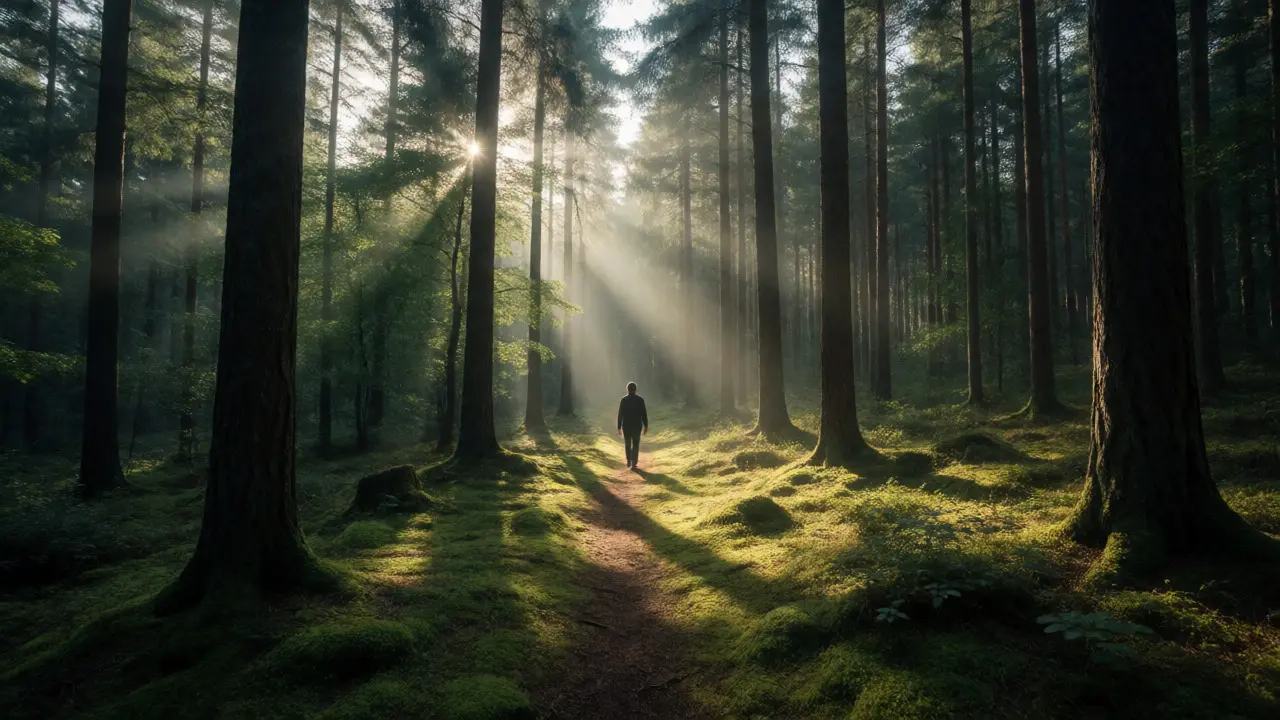
When you sit in front of a monitor, your senses are hijacked by artificial stimuli. Blue light disrupts your circadian rhythm, making sleep harder, which makes impulse control weaker the next day. It’s a vicious cycle. Stepping into a forest breaks this chain. The soundscape changes from synthesized explosions to wind through leaves. The visual field expands from a fixed rectangle to infinite depth. This shift forces your brain out of "hyper-focus" mode and into a state of relaxed awareness. You start noticing things again-the smell of damp earth, the texture of bark, the taste of fresh air. These sensory inputs ground you in the present moment, countering the dissociative trance often induced by prolonged gaming sessions.
The Science Behind Forest Bathing
You might have heard of Shinrin-yoku, or forest bathing. Originating in Japan in the 1980s, it’s not about hiking for fitness or taking Instagram photos. It’s a slow, mindful immersion in the forest atmosphere. Studies published in journals like Environmental Health and Preventive Medicine show that just two hours in a forest can reduce blood pressure and improve mood scores more effectively than walking in an urban setting.
For someone trying to break a gaming habit, Shinrin-yoku offers a specific advantage: it replaces the dopamine rush of winning a match with the subtle, sustained pleasure of being alive in a beautiful place. It teaches you to find satisfaction in slowness. In a game, if nothing happens in three seconds, you tap your controller impatiently. In nature, you learn to watch a spider weave its web for ten minutes without checking your phone. This retraining of patience is crucial for anyone whose attention span has been fragmented by fast-paced gameplay.
Choosing the Right Type of Retreat
Not all nature trips are created equal. If you go on a chaotic group tour with strict schedules, you’ll just feel stressed instead of relaxed. You need a retreat that aligns with your goal: breaking the digital tether. Here’s how to pick the right one based on what you actually need.
| Retreat Type | Best For | Digital Challenge Level | Key Benefit |
|---|---|---|---|
| Cabin-in-the-Woods | Introverts who need solitude | High (often no Wi-Fi) | Deep introspection and boredom tolerance |
| Adventure Hiking Camp | Those needing physical exhaustion | Medium (phones allowed) | Social connection and endorphin release |
| Mindfulness Yoga Retreat | Anxious gamers seeking calm | Low (structured tech limits) | Stress reduction and body awareness |
| Wilderness Survival Course | Problem-solvers who love mechanics | Very High (no electronics) | Practical skills and immediate feedback loops |
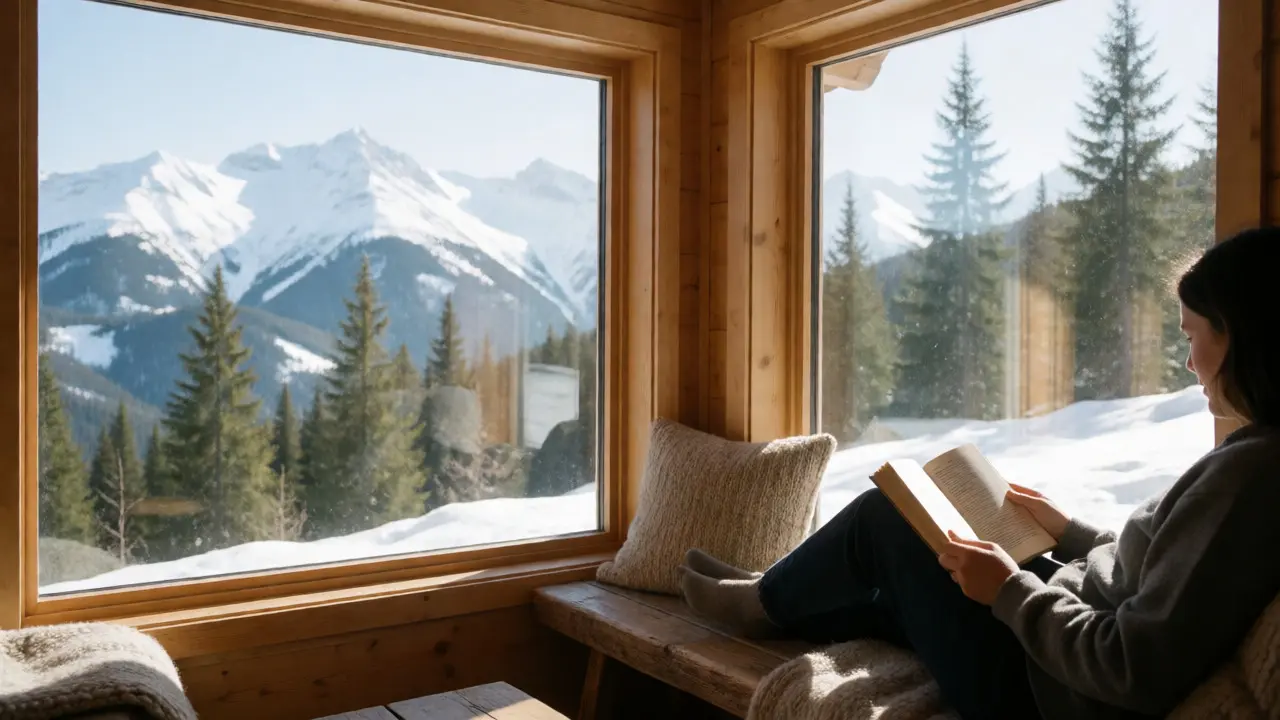
If you’re deeply entrenched in online multiplayer games, you might miss the social aspect. In that case, an Adventure Hiking Camp is better than total isolation. You get the camaraderie of a guild, but instead of coordinating raids, you’re coordinating breakfast and trail navigation. If you play solo strategy games, you might prefer the quiet intensity of a Cabin-in-the-Woods stay, where you can read, write, or just stare at the ceiling without feeling guilty about missing a login bonus.
Preparing for the Withdrawal
Here’s the hard truth: the first 48 hours will suck. When you remove the constant stream of notifications and achievements, your brain will panic. This is sometimes called "digital withdrawal." You might feel restless, irritable, or bored. Boredom is the enemy here, but it’s also the cure. In gaming, boredom is instantly solved by opening a new tab or starting a new match. In nature, boredom forces creativity and reflection.
To manage this, prepare a "boredom kit." Bring physical books, a journal, sketchbooks, or musical instruments. Avoid bringing tablets loaded with movies, as that’s just trading one screen for another. Pack analog entertainment. If you’re used to having a controller in your hand, bring a fidget tool or stress ball. Keep your hands busy. Also, set clear boundaries before you leave. Tell your friends you’re going off-grid. Turn off app notifications on your phone before you pack it away, or better yet, leave it in a hotel safe if the retreat allows it.
Reintegrating Without Relapsing
The biggest mistake people make is treating the retreat as a temporary fix rather than a reset button. You come home, unpack your bag, turn on your PC, and within an hour, you’re back to playing until 3 AM. To prevent this, you need to integrate the lessons from nature into your daily life.
Start small. Implement a "no screens after sunset" rule. Use the calm you felt in the forest as a benchmark for your evening routine. If you feel agitated, step outside for five minutes instead of launching a game. Notice how the air feels different at night compared to inside your room. Create physical barriers between your gaming space and your living space. If possible, move your gaming setup out of the bedroom entirely. The separation helps signal to your brain that rest and play are different modes.
Consider joining local outdoor clubs. The social support network you build there can replace the clan or guild you relied on. People who hike together tend to talk about real-life experiences, which builds deeper connections than text chat ever could. Plus, if you’re tired from a day of climbing rocks, you’re less likely to grind ranked matches late at night.
Real-World Success Stories
Take Sarah, a competitive League of Legends player who found herself snapping at her family after every loss. She booked a week-long cabin stay in the Pacific Northwest with zero cell service. By day three, she was sketching ferns instead of checking her KDA ratio. She reported sleeping eight hours a night for the first time in months. Back home, she didn’t quit gaming, but she stopped playing ranked matches on weekdays. Her reaction times improved because she was rested, and her frustration levels dropped because she had other outlets.
Or consider Mark, a mobile gamer addicted to gacha mechanics. He joined a weekend yoga retreat in Sedona. The structured breathing exercises helped him recognize the anxiety that triggered his urge to pull for rare characters. He realized he wasn’t enjoying the game anymore; he was just chasing the relief of uncertainty. Now, he sets a timer for 30 minutes of play per day, using the mindfulness techniques he learned to stop when the timer goes off.
Do I have to completely stop gaming during a nature retreat?
It depends on the retreat type. Many dedicated digital detox programs require leaving devices behind. However, even if you bring your phone, the lack of reliable internet and the engaging environment usually make gaming impractical. The goal is to reduce frequency, not necessarily to ban it forever, though a complete pause helps reset baseline dopamine levels.
What if I get bored and want to quit early?
Boredom is part of the process. Give it at least 48 hours. Most people report that after the initial discomfort passes, they enter a state of flow where they enjoy simple activities like reading or walking. Prepare offline hobbies beforehand to ease the transition.
Is nature therapy effective for severe gaming addiction?
Nature therapy is a powerful complementary strategy but may not be sufficient alone for clinical addiction. It works best as part of a broader recovery plan that includes cognitive behavioral therapy or counseling. Always consult a professional if gaming interferes significantly with daily functioning.
How long should a retreat last to see results?
Research suggests that at least three days are needed to notice significant changes in stress hormones and attention restoration. A week-long stay allows for deeper habit formation and a more profound mental reset, making it easier to maintain changes upon returning home.
Can I combine gaming with nature?
Yes, augmented reality games like Pokémon GO encourage outdoor movement. However, ensure the primary focus remains on experiencing the environment rather than just hunting virtual creatures. Mindful engagement with the real world is key to breaking the dissociative habit.