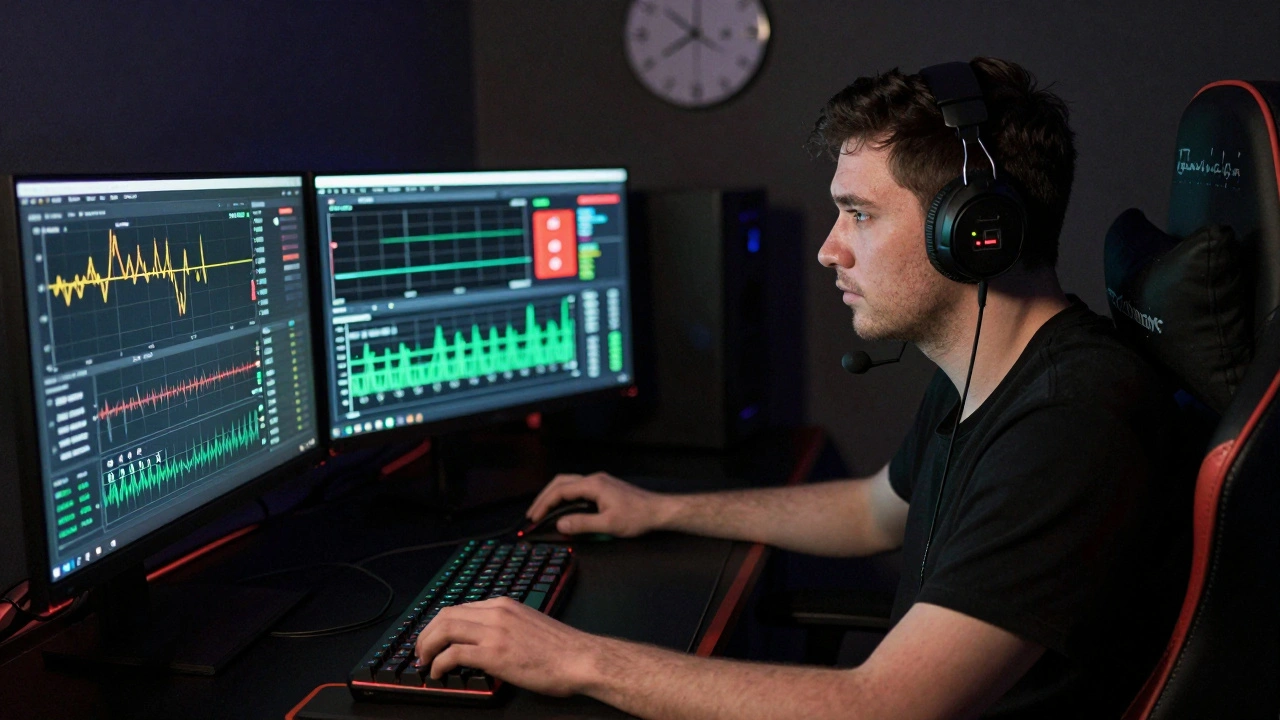
Esports athletes train like Olympians. They practice 8 to 12 hours a day, follow strict diets, work with coaches, and monitor their heart rates and reaction times. But there’s one thing most teams don’t talk about: problem gaming. It’s not just about playing too much. It’s when gaming starts breaking sleep, relationships, focus, and physical health - and the athlete can’t stop, even when it hurts their career.
What Problem Gaming Really Looks Like in Esports
Many assume esports pros are just "dedicated." But behind the stats and highlight reels, some players are stuck in cycles of compulsive play. They skip meals to keep grinding. They lie about how long they’ve been playing. They get irritable, anxious, or depressed when they can’t log in. Their reflexes drop. Their coordination suffers. Their coaches notice they’re slower to react in practice, even though they’re putting in more hours.
A 2025 study from the International Esports Health Initiative tracked 217 professional players across 12 leagues. Of those, 34% showed clear signs of problem gaming: loss of control over playtime, neglecting health routines, and continuing to play despite negative consequences. That’s not addiction in the old sense - it’s a behavioral pattern that hijacks motivation, discipline, and recovery.
Why Traditional Addiction Models Don’t Work
You can’t treat problem gaming the same way you treat alcoholism or gambling. Esports players don’t want to quit gaming. They want to play better. Their identity is tied to their performance. Telling them to "stop playing" is like telling a runner to stop running.
The goal isn’t abstinence. It’s rebalancing. The best treatment programs for esports athletes focus on restructuring their relationship with gaming - not removing it. That means:
- Replacing mindless grinding with intentional, goal-driven practice
- Using data to track playtime, not just hours logged
- Building recovery rituals that compete with the dopamine rush of winning
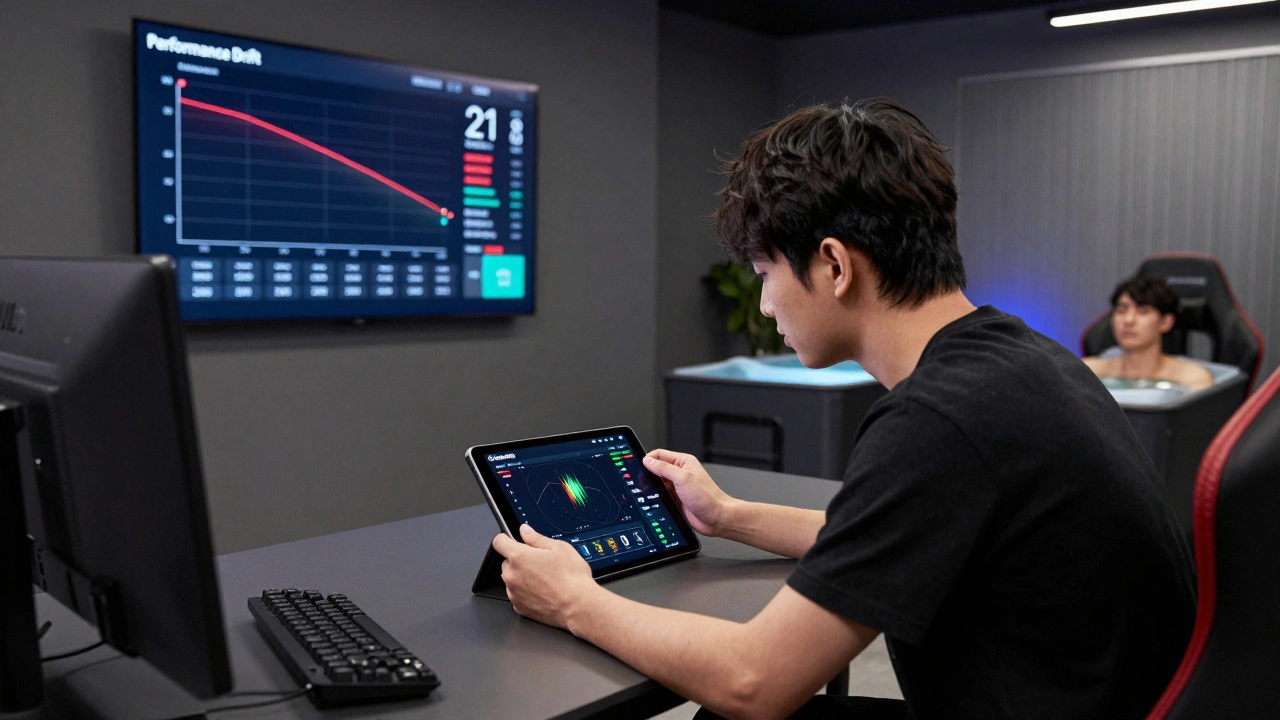
Teams like Team Liquid and Fnatic now have dedicated performance psychologists who work with players on this exact issue. They don’t call it "addiction." They call it "performance drift." And they fix it before it costs wins.
How Treatment Works: The 4-Step Framework
There’s no one-size-fits-all fix. But the most effective programs follow a clear structure:
- Assess the pattern - Not all long hours are bad. Use tools like PlayTime Tracker or custom dashboards that log not just duration, but context: Was this after a loss? During a tournament? After midnight? Patterns reveal triggers.
- Set boundaries with tech - Lockout apps like Cold Turkey or built-in console timers don’t work for pros. Instead, teams use custom software that blocks gameplay after 10 hours or if heart rate variability (HRV) drops below baseline. This isn’t punishment - it’s biofeedback.
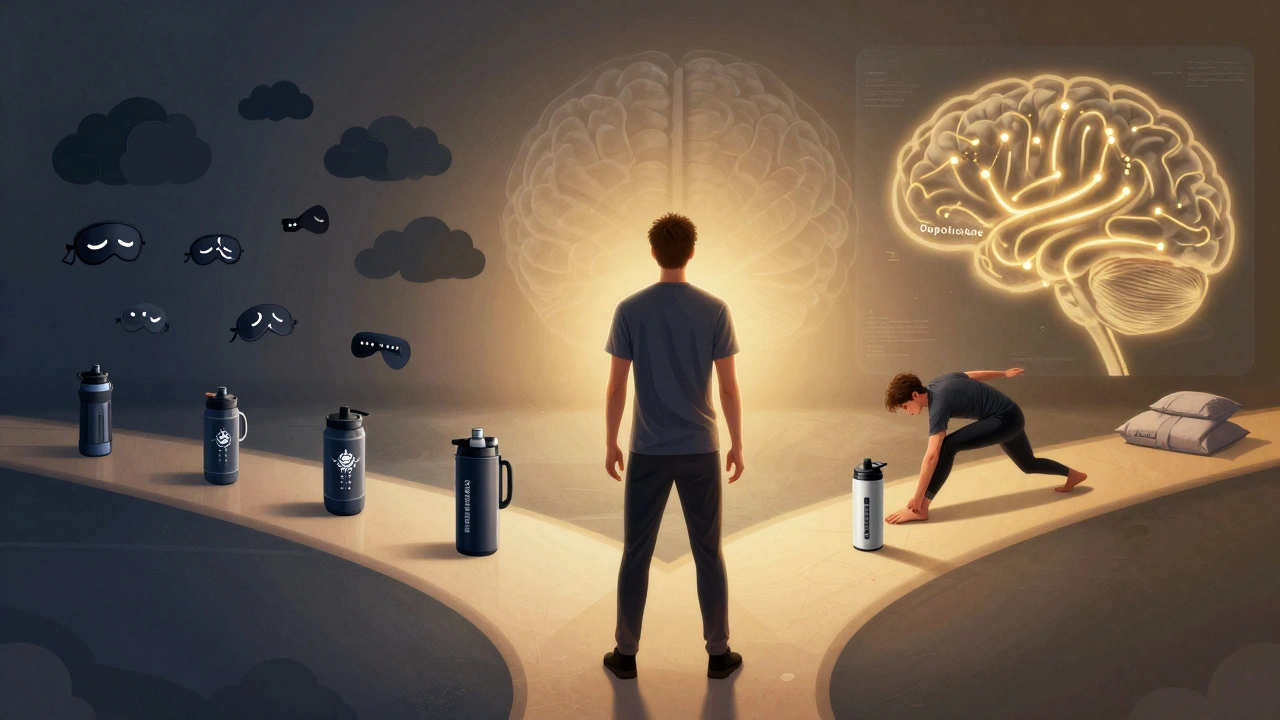
- Rebuild recovery rituals - Sleep, hydration, and mobility work are non-negotiable. Players who recover well use 20-minute post-session routines: cold exposure, breathing exercises, light stretching. These replace the urge to "just one more match."
- Reframe motivation - Therapy focuses on shifting from "I have to win" to "I play to improve." Players who track progress in skill drills, not just rank, show 68% less compulsive behavior in follow-up studies.
One player on a top-tier Valorant team went from 14-hour days to 8 hours - and improved his aim accuracy by 19% in six weeks. He didn’t stop playing. He started playing smarter.
The Role of Coaches and Teams
Coaches are the first line of defense. But most aren’t trained to spot problem gaming. They notice when a player is "off," but they blame fatigue, stress, or lack of talent. The real issue? The player is burning out from overuse, not underperformance.
Teams that handle this well:
- Require weekly wellness check-ins - not just performance reviews
- Use wearable data (sleep, HRV, activity) to flag anomalies
- Have a silent reporting system so players can ask for help without fear of benching
- Train staff to say: "You’re not lazy. You’re overwhelmed. Let’s fix the system."
When a player on Team Vitality admitted he was playing through panic attacks, the team didn’t suspend him. They gave him two weeks off, paired him with a therapist, and redesigned his practice schedule. He returned to the starting lineup three months later - and helped lead them to a major title.
What Doesn’t Work
Don’t try these:
- Forcing players into rehab centers designed for teens
- Using guilt or shame to motivate change
- Blaming parents or "bad habits" - most pros are adults with full autonomy
- Ignoring the role of competition pressure
Problem gaming in esports isn’t about weakness. It’s about systems that reward burnout. The fix isn’t willpower. It’s better design.
Where to Get Help
There are now specialized clinics for esports athletes. In Portland, the Performance Health Collective works with pro teams to offer outpatient care: cognitive behavioral therapy tailored to gamers, sleep optimization, and neurofeedback training. They don’t treat "gaming addiction." They treat performance dysregulation.
For players without team support, resources like the Esports Mental Health Network offer free, anonymous consultations. You don’t need to be in crisis to reach out. The best time to ask for help is before you lose your edge.
The Bigger Picture
Esports is growing. By 2027, there will be over 700 professional teams worldwide. If we keep treating players like machines, we’ll burn them out faster than we can replace them.
The future of esports isn’t just about who has the fastest reflexes. It’s about who can stay healthy, focused, and balanced - even under pressure. Treating problem gaming isn’t a side note. It’s the foundation of sustainable success.
Is problem gaming the same as gaming addiction?
No. Gaming addiction is a clinical diagnosis under ICD-11, requiring severe impairment in multiple life areas. Problem gaming in esports is more about performance breakdown - sleep loss, declining reaction time, emotional dysregulation - even if the player still has a job, relationships, and income. It’s a functional issue, not necessarily a psychiatric one.
Can an esports athlete recover without quitting gaming?
Yes - and they should. Most treatment programs for pro gamers focus on restructuring play, not eliminating it. Players who learn to play with intention, track their energy, and use recovery rituals often perform better than before. The goal is sustainable excellence, not abstinence.
Do esports teams actually provide mental health support?
Top-tier teams do. Organizations like Team Liquid, Fnatic, and G2 have hired performance psychologists and built wellness protocols. Mid-tier and amateur teams are catching up, but many still rely on players to self-manage. If your team doesn’t offer wellness check-ins, it’s a red flag.
How do I know if I’m struggling with problem gaming?
Ask yourself: Do I play even when I’m exhausted? Do I lie about how long I’ve played? Has my sleep, diet, or physical health declined since I started competing seriously? If your performance is dropping despite more hours, and you can’t stop even when you want to, that’s a signal. Track your data - not just your K/D ratio.
Are there tools to monitor my gaming habits?
Yes. Tools like PlayTime Tracker, Steam’s built-in playtime logs, and custom dashboards from esports health platforms can show you patterns: when you play, how long you play after losses, and whether your playtime spikes during tournaments. Data beats guesswork.