
Gaming disorder is often viewed through a male-dominated lens, but women are increasingly seeking help for problematic gaming habits. If you or someone you know is struggling, understanding the specific treatment paths available is the first step toward reclaiming balance. This guide breaks down effective interventions tailored specifically for female gamers.
Understanding the Unique Landscape
Gaming Disorder is a pattern of behavior characterized by impaired control over gaming, increasing priority given to gaming over other activities, and continuation despite negative consequences. While the World Health Organization (WHO) officially recognized this condition in 2019 under the ICD-11 classification, much of the early research focused on young men. However, recent data suggests that female gamers face distinct psychological triggers and social pressures that require nuanced treatment approaches.
Women often use gaming as a coping mechanism for anxiety, depression, or social isolation. Unlike their male counterparts, who might game primarily for competition or status, female gamers frequently engage in immersive role-playing or social simulation games to escape real-world stressors. Recognizing this difference is crucial because it changes how therapists approach withdrawal and replacement behaviors.
Primary Treatment Modalities
The gold standard for treating gaming disorder remains Cognitive Behavioral Therapy (CBT). But not all CBT is created equal. For female patients, therapists often integrate elements of Dialectical Behavior Therapy (DBT) to address emotional regulation issues that may underlie the compulsive gaming.
- Cognitive Behavioral Therapy (CBT): Helps identify distorted thoughts about gaming, such as "I only feel safe when I'm online." It replaces these with healthier coping strategies.
- Dialectical Behavior Therapy (DBT): Focuses on mindfulness and distress tolerance. This is particularly effective for women who use gaming to numb intense emotions.
- Family Systems Therapy: Involves family members in the treatment process, which is vital since many female gamers report feeling misunderstood by their support networks.
Medication is rarely the first line of defense. However, if comorbid conditions like major depressive disorder or generalized anxiety disorder are present, SSRIs (Selective Serotonin Reuptake Inhibitors) may be prescribed to stabilize mood, making behavioral therapies more effective.
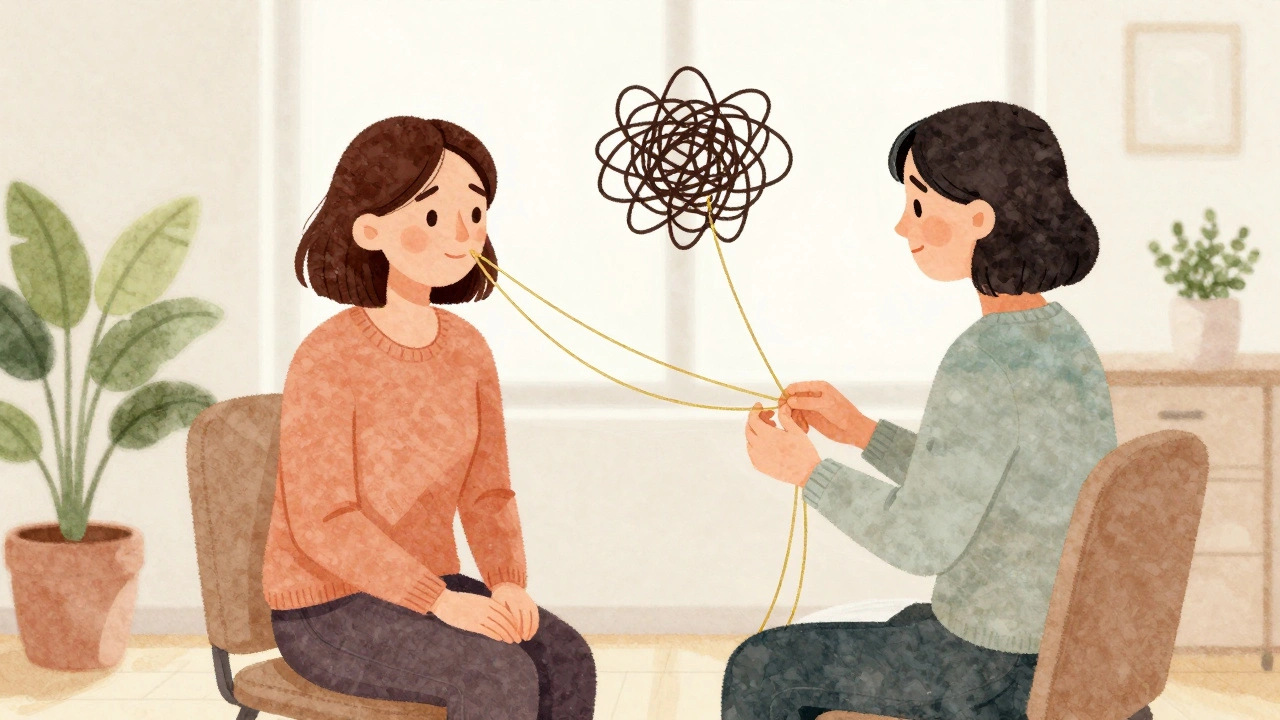
Addressing Underlying Triggers
Treatment isn't just about stopping the game; it's about addressing why the game became necessary in the first place. For many women, gaming fills a void left by lack of community or self-esteem issues.
Therapists often conduct a thorough assessment to uncover these root causes. Common triggers include:
- Social Anxiety: Fear of face-to-face interaction leads to preference for text-based or avatar-mediated communication.
- Perfectionism: The structured reward systems in games provide a sense of achievement that real life lacks.
- Trauma History: Some women use gaming worlds as safe spaces away from past abusive relationships or environments.
By tackling these underlying issues, treatment becomes sustainable. Simply blocking access to games without resolving the emotional needs often leads to relapse or shifting the addiction to another activity, such as shopping or social media scrolling.
Practical Steps for Recovery
Recovery involves practical, day-to-day changes. Here is a realistic roadmap for starting the healing process:
- Set Boundaries: Start with small, achievable limits rather than cold turkey. Use apps like Freedom or Cold Turkey to block gaming sites during designated hours.
- Find Alternative Communities: Join offline clubs or groups that share similar interests, such as book clubs, hiking groups, or art classes. The goal is to replace virtual connection with real-world bonds.
- Practice Mindfulness: Engage in daily meditation or yoga to improve awareness of urges to game without acting on them immediately.
- Seek Professional Help: Consult a licensed therapist specializing in behavioral addictions. Look for credentials like LCSW or LMFT with experience in internet addiction.
Remember, progress is rarely linear. There will be setbacks. The key is to view them as learning opportunities rather than failures.
| Approach | Focus Area | Best For | Duration |
|---|---|---|---|
| CBT | Thought Patterns | Rationalizing gaming time | 12-16 weeks |
| DBT | Emotional Regulation | High anxiety/emotional distress | Ongoing |
| Family Therapy | Relationship Dynamics | Conflict at home | 6-8 sessions |
| Support Groups | Peer Support | Isolation and shame | Indefinite |

Building a Sustainable Lifestyle
Long-term recovery requires building a lifestyle that doesn't rely on gaming for fulfillment. This means cultivating hobbies, improving physical health, and strengthening social connections.
Physical exercise is a powerful tool. Studies show that regular aerobic activity can reduce cravings for digital stimulation by boosting dopamine levels naturally. Aim for at least 30 minutes of moderate exercise most days.
Nutrition also plays a role. Poor diet can exacerbate mood swings and energy crashes, making it harder to resist gaming urges. Focus on whole foods, plenty of water, and consistent meal times.
Sleep hygiene is another critical component. Many gamers struggle with insomnia due to screen exposure before bed. Establish a strict no-screen rule one hour before sleep to improve rest quality.
When to Seek Immediate Help
While mild problematic gaming can be managed with self-help strategies, severe cases require professional intervention. Seek immediate help if:
- Gaming interferes with basic self-care (hygiene, eating).
- There are signs of suicidal ideation or severe depression.
- Financial ruin is imminent due to in-game purchases.
- Relationships are collapsing due to neglect.
In these situations, consider intensive outpatient programs (IOP) or residential treatment centers specializing in behavioral addictions. These programs provide structure, accountability, and comprehensive care.
Is gaming disorder considered a mental illness?
Yes, the World Health Organization (WHO) includes Gaming Disorder in the International Classification of Diseases (ICD-11). It is recognized as a behavioral addiction requiring clinical attention.
Are there medications specifically for gaming addiction?
No medication is FDA-approved specifically for gaming disorder. However, doctors may prescribe antidepressants or anti-anxiety meds to treat co-occurring conditions that fuel the addiction.
How long does treatment take?
Treatment duration varies widely. Short-term CBT might last 12-16 weeks, while ongoing support groups and lifestyle changes are lifelong commitments to maintain recovery.
Can I quit gaming cold turkey?
Cold turkey can work for some, but gradual reduction is often safer and more sustainable. Abrupt cessation can lead to withdrawal symptoms like irritability and anxiety, which might trigger relapse.
Why do women develop gaming disorders differently than men?
Research suggests women often game for social connection and emotional escape rather than competition. This makes treatments focusing on emotional regulation and social skills particularly effective.