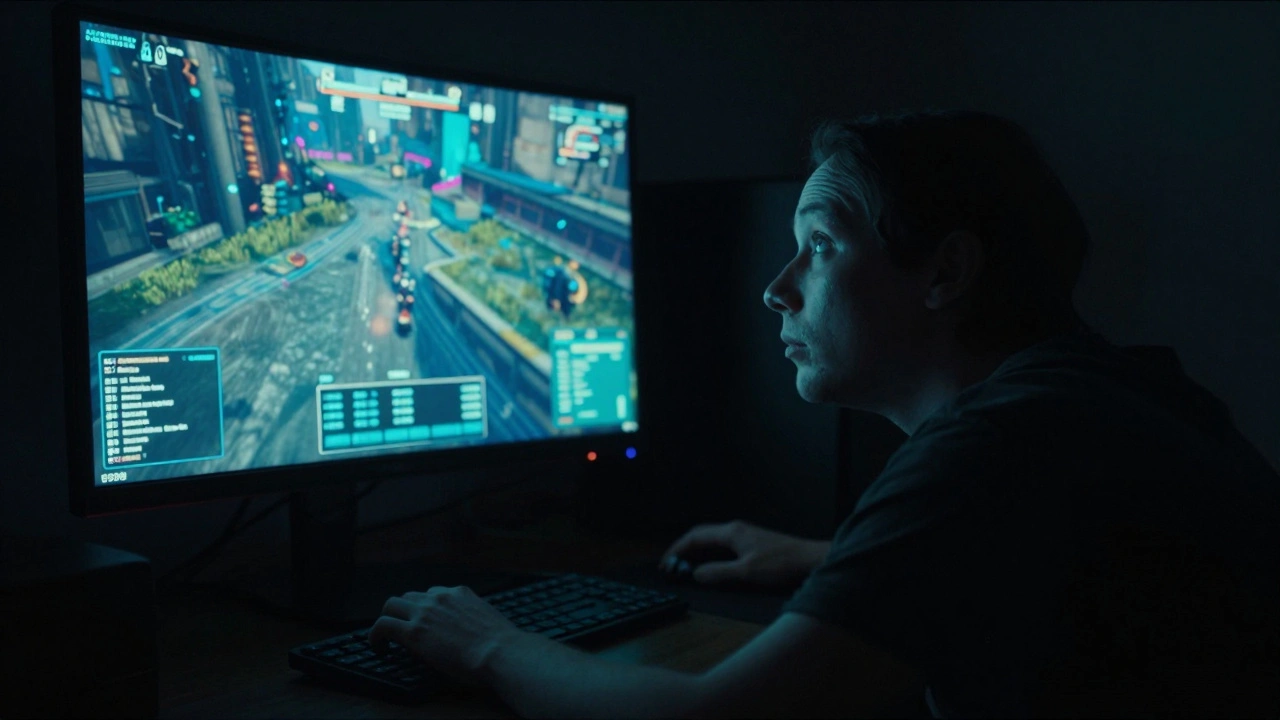
You sit down with the intention of playing just one match. Instead, you open your browser, click on a streamer’s channel, and suddenly three hours have vanished. You didn’t play the game; you watched someone else play it. If this sounds familiar, you aren't alone. The line between enjoying live entertainment and developing a compulsive dependency on platforms like Twitch is a real-time video streaming platform primarily focused on video games, but also covering music, talk shows, and creative content is thinner than most people realize.
This isn't about judging your hobbies. It’s about recognizing when watching gaming content shifts from a leisure activity into a behavior that disrupts your daily life, mental health, and actual gameplay skills. We need to talk about what Twitch addiction actually looks like in 2026, why our brains are wired to fall for it, and how to step back before you lose interest in gaming entirely.
The Psychology Behind the Scroll
To understand why we can’t stop clicking, we have to look at how these platforms are designed. They aren't just broadcasting videos; they are engineering engagement loops. The core mechanic relies on variable rewards, similar to a slot machine. When you refresh the recommended list, you don't know if you'll find something boring or something hilarious and engaging. That uncertainty triggers dopamine release in the brain.
Furthermore, there is the element of parasocial interaction. This is a one-sided relationship where you feel you know the streamer personally. You see their reactions, hear their thoughts, and interact via chat. For many viewers, especially those who struggle with social anxiety or loneliness, this provides a sense of community without the risk of rejection. However, when this virtual connection begins to replace real-world interactions or actual gameplay, it crosses into addictive territory.
The algorithm plays a massive role here. Platforms use sophisticated data tracking to keep you in the 'flow state.' If you pause a stream, a notification pops up. If you close the tab, an email arrives an hour later saying, "Your favorite streamer is live." These aren't accidents; they are retention strategies designed to maximize watch time.
Signs You Might Be Struggling with Streaming Dependency
Addiction doesn't always look dramatic. It often starts subtly. Here are specific indicators that your relationship with streaming has become unhealthy:
- Neglecting Actual Gameplay: You used to love playing Minecraft is a sandbox video game developed by Mojang Studios that allows players to build with various types of blocks in a three-dimensional world, but now you only watch others build because you feel too anxious to start your own world.
- Loss of Time Perception: You intend to watch for 30 minutes but end up staying for four or five hours, missing meals, sleep, or work commitments.
- Emotional Distress When Offline: You feel irritable, anxious, or empty when you cannot access streaming platforms or check chat updates.
- Comparison Triggers: Watching high-level players makes you feel inadequate about your own skills, leading to avoidance of playing the game yourself.
- Financial Impulse:** You spend money on subscriptions, bits, or donations beyond your budget to gain attention from streamers or other viewers.
If you recognize more than two of these behaviors consistently over several months, it’s time to evaluate your habits critically.
Passive Consumption vs. Active Engagement
There is a fundamental difference between being a spectator and a participant. In gaming, active engagement requires problem-solving, reflexes, and strategic thinking. These activities build cognitive resilience. Passive consumption, on the other hand, puts your brain in a low-effort, high-reward mode.
When you watch a streamer play a complex strategy game like League of Legends is a multiplayer online battle arena (MOBA) video game developed and published by Riot Games, you might feel like you are learning. But studies suggest that observational learning has limits. Without practicing the mechanics yourself, you develop an illusion of competence. You think you understand the game, but your hands don't know what to do. This gap between perceived skill and actual ability can lead to frustration and further withdrawal from playing.
| Aspect | Active Gaming | Passive Streaming |
|---|---|---|
| Cognitive Load | High (decision making, reflexes) | Low (observation only) |
| Social Interaction | Direct teamwork/competition | Parasocial/Chat-based |
| Skill Development | Improves through practice | Illusion of improvement |
| Dopamine Source | Achievement/Winning | Novelty/Entertainment |
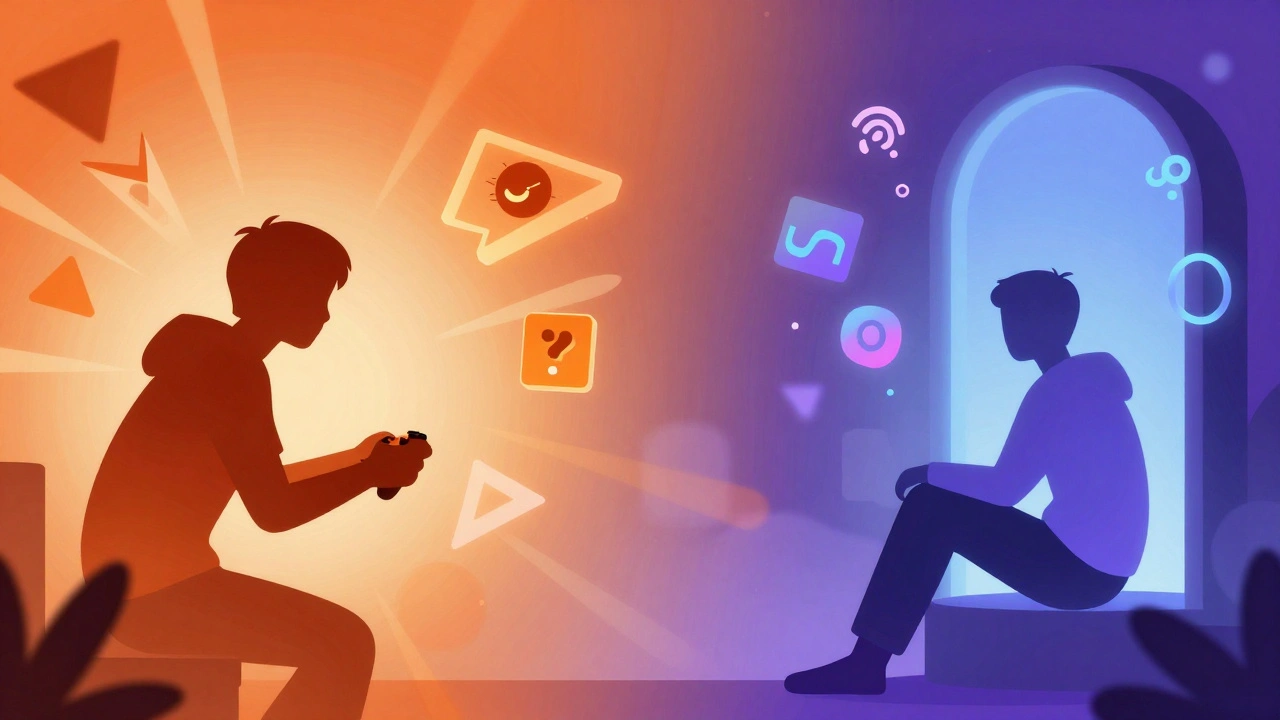
The Impact on Mental Health and Daily Life
The consequences of excessive streaming extend beyond wasted time. Many users report increased feelings of isolation. While chat rooms seem social, they lack the depth and reciprocity of face-to-face friendships. Relying on them as your primary social outlet can exacerbate loneliness.
Sleep disruption is another major factor. Late-night streaming sessions expose you to blue light and stimulating content, which suppresses melatonin production. Poor sleep quality leads to fatigue, reduced concentration, and lower mood, creating a cycle where you turn to streaming again to cope with stress or boredom.
Additionally, the constant exposure to curated, highlight-reel versions of gaming can distort your expectations of reality. Streamers edit out failures and showcase only victories. Comparing your everyday struggles to their polished performances can negatively impact self-esteem and contribute to anxiety or depressive symptoms.
Strategies to Regain Control
Breaking the cycle doesn't mean quitting cold turkey, unless necessary. It means setting boundaries that protect your time and mental energy. Here are practical steps to manage your usage:
- Set Hard Limits: Use app timers or website blockers to restrict access after a certain number of hours. Make these limits non-negotiable.
- Prioritize Playing: Schedule specific times for active gameplay. Treat gaming as a skill to be practiced, not just content to be consumed.
- Curate Your Feed: Unfollow streamers who trigger negative comparisons or encourage excessive spending. Follow channels that focus on educational content or wholesome communities.
- Create Offline Anchors: Establish routines that require physical presence, such as exercise, cooking, or meeting friends. These activities provide grounding experiences that contrast with digital immersion.
- Practice Mindful Viewing: Before clicking play, ask yourself: "Why am I watching this? Am I bored, stressed, or genuinely interested?" Being aware of your motivation helps prevent mindless scrolling.
Remember, the goal is balance. Streaming can be a fun way to learn strategies or relax, but it should never dictate your schedule or emotional state.
When to Seek Professional Help
If self-help strategies fail and your streaming habits significantly interfere with work, relationships, or health, consider seeking professional support. Cognitive Behavioral Therapy (CBT) has shown effectiveness in treating behavioral addictions, including internet and gaming disorders. Therapists can help you identify underlying issues, such as anxiety or depression, that drive compulsive usage.
Support groups, both online and offline, can also provide accountability and shared understanding. Knowing others are facing similar challenges reduces stigma and fosters a sense of community based on recovery rather than consumption.
Rebuilding a Healthy Relationship with Gaming
Ultimately, gaming was meant to be interactive. By shifting focus back to active participation, you rediscover the joy of mastery and creation. Start small. Play a simple level. Join a casual match. Celebrate small victories. Over time, you’ll find that the satisfaction derived from doing is far more fulfilling than the temporary escape provided by watching.
Your time is valuable. Protect it. Choose engagement over passivity, and connection over consumption. The controller is in your hands-use it wisely.
Is Twitch addiction officially recognized as a medical disorder?
While "Twitch addiction" itself is not a distinct diagnosis in the DSM-5, it falls under the broader category of Internet Gaming Disorder or problematic internet use. The World Health Organization includes "Gaming Disorder" in the ICD-11, characterized by impaired control over gaming, increasing priority given to gaming, and continuation despite negative consequences.
How much time spent streaming is considered too much?
There is no universal hourly limit, as individual schedules vary. However, if streaming interferes with sleep, work, education, or personal relationships, it is considered excessive. A good rule of thumb is if you regularly miss important obligations to watch streams, your usage has become problematic.
Can watching streams improve my gaming skills?
Watching skilled players can provide insights into strategies and mechanics, but it does not replace practice. Observational learning has limitations; true skill improvement requires active repetition and feedback. Use streams as a supplement to playing, not a substitute.
What are some effective tools to limit streaming time?
Digital wellbeing features built into operating systems (like Screen Time on iOS/macOS or Digital Wellbeing on Android/Windows) allow you to set app-specific limits. Third-party extensions like StayFocusd or Freedom can block access to streaming sites during designated hours.
Why do I feel lonely even though I'm chatting with thousands of people?
Online interactions, especially in large chat rooms, are often superficial and lack reciprocal emotional support. Parasocial relationships create an illusion of intimacy without the mutual vulnerability required for genuine friendship. This disconnect can amplify feelings of isolation.