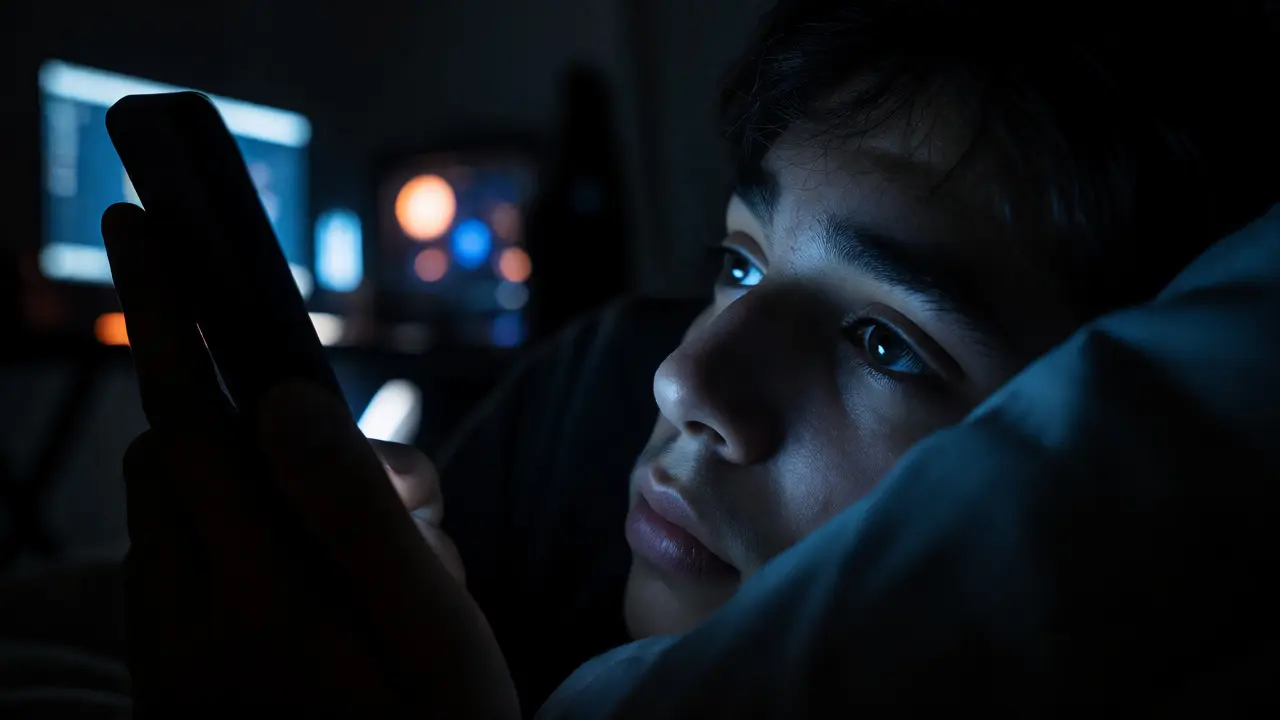
You know the feeling. It’s 3 AM, your eyes burn, but you’re still grinding through another raid or scrolling feeds because stopping feels impossible. For years, doctors relied solely on self-reported questionnaires to diagnose Internet Gaming Disorder (IGD) is a behavioral addiction characterized by excessive gaming that impairs daily functioning. But subjective memory is flawed. We tend to underestimate how long we actually played and overestimate how well we slept. Enter objective Sleep Data refers to quantitative metrics collected via wearables or polysomnography regarding sleep duration, latency, and architecture. This isn't just about tracking steps anymore; it's about spotting the physiological fingerprints of addiction.
Why does this matter? Because IGD doesn't just mess with your mood-it rewires your biology. The connection between disrupted sleep patterns and problematic gaming is so strong that sleep metrics are now becoming critical supporting evidence for diagnosis. If you're a clinician, a researcher, or someone trying to understand their own habits, learning to read this data changes everything. You stop guessing if the screen time is hurting you and start seeing exactly how.
The Biological Link Between Screen Time and Sleep Architecture
Let's get specific about what happens in your brain when you game late into the night. It’s not just "blue light" ruining your melatonin, though that plays a role. The real culprit is hyperarousal. When you're deep in a competitive match, your sympathetic nervous system stays engaged. Your heart rate variability drops, cortisol levels remain elevated, and your body forgets how to transition into restorative sleep stages.
Research consistently shows that individuals meeting criteria for IGD exhibit distinct anomalies in their Sleep Architecture is the structural organization of sleep, divided into NREM and REM cycles. Specifically, they often suffer from reduced Slow-Wave Sleep (SWS), which is the deep, physical restoration phase. Without enough SWS, you wake up groggy, leading to more daytime fatigue, which ironically drives you back to gaming for stimulation or escapism. It’s a vicious cycle that self-reports often miss because the patient remembers the "fun," not the fragmented sleep.
Key Sleep Metrics That Signal Problematic Gaming
If you are looking at raw data from a wearable device like an Apple Watch, Oura Ring, or Fitbit, or even clinical polysomnography results, certain patterns should raise red flags. These aren't just random fluctuations; they are correlated markers of behavioral addiction severity.
| Sleep Metric | Typical Pattern in IGD | Clinical Implication |
|---|---|---|
| Sleep Onset Latency | Prolonged (>30 mins) | Indicates hyperarousal and difficulty down-regulating after gaming. |
| Total Sleep Time | Chronic Deprivation (<6 hours) | Direct result of displacement behavior; prioritizing game over rest. |
| Wake After Sleep Onset (WASO) | Frequent Fragmentation | Suggests anxiety or withdrawal symptoms during night. |
| REM Latency | Shortened or Irregular | May reflect emotional dysregulation common in addiction profiles. |
Notice the pattern here? It’s not just about sleeping less. It’s about sleeping poorly. A person might get eight hours in bed but only achieve six hours of efficient sleep due to high WASO (Wake After Sleep Onset). This fragmentation is a hallmark of the anxiety loop associated with IGD. The brain remains on high alert, scanning for notifications or replaying game strategies, preventing deep relaxation.
Leveraging Wearable Technology for Objective Screening
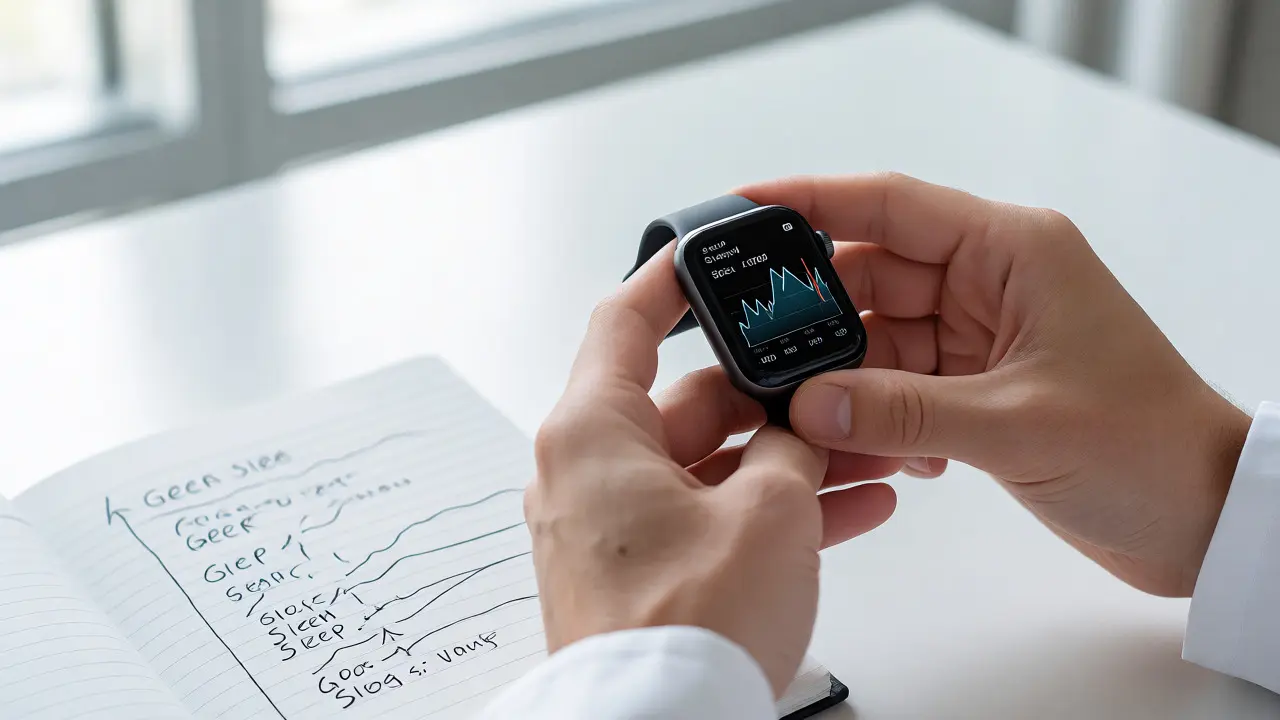
Self-reporting tools like the Internet Gaming Disorder Scale-Short Form (IGDS9-SF) are valuable, but they have blind spots. Patients lie, often unintentionally. They forget the two-hour session on Tuesday or misjudge how tired they felt. Wearable Technology devices such as smartwatches and rings use photoplethysmography (PPG) and accelerometers to estimate sleep stages fills these gaps by providing continuous, passive monitoring.
For clinicians, integrating this data means moving beyond "How much did you play?" to "What happened to your physiology while you played?" Modern algorithms can detect subtle shifts in heart rate variability (HRV) that correlate with stress responses during gaming sessions. If a patient reports "moderate" usage but their HRV plummets every evening after 8 PM, that’s a concrete indicator of problematic engagement. It transforms anecdotal complaints into actionable biometric evidence.
However, caution is needed. Not all wearables are created equal. Consumer-grade devices are great for trends but lack the precision of medical-grade EEG. Use them for screening and longitudinal tracking, not as a standalone diagnostic tool. Think of them as the smoke detector, not the fire extinguisher.

Distinguishing IGD from Other Sleep Disorders
Here’s where it gets tricky. Poor sleep isn’t unique to gamers. People with insomnia, depression, or obstructive sleep apnea also show fragmented sleep and short duration. How do you isolate IGD as the cause?
You look for temporal alignment. In IGD cases, the sleep disruption usually correlates directly with gaming logs. If the bad nights coincide with marathon sessions or rank-grinding periods, the link strengthens. Conversely, if sleep issues persist during weeks of no gaming, look elsewhere. Additionally, check for "delayed sleep phase." Many gamers naturally shift their circadian rhythm later. While this is a sleep disorder itself, it often co-occurs with IGD, creating a comorbidity that requires dual treatment. Ignoring the sleep component makes treating the addiction significantly harder.
A Practical Workflow for Clinicians and Patients
So, how do you actually use this data? Here is a streamlined approach for incorporating sleep metrics into an IGD assessment.
- Baseline Collection: Have the patient wear a validated tracker for two weeks without changing their habits. Collect both sleep data and manual gaming logs.
- Data Correlation: Overlay the gaming timestamps with sleep onset times. Look for a consistent delay in falling asleep after intense sessions.
- Pattern Identification: Identify if the issue is total deprivation (not going to bed) or quality degradation (fragmented sleep). This dictates the intervention strategy.
- Intervention Testing: Implement a "digital sunset" rule (no screens 1 hour before bed) and re-measure. Did sleep efficiency improve? If yes, the causal link to gaming is supported.
- Longitudinal Monitoring: Continue tracking to prevent relapse. Spikes in sleep latency often precede reported urges to game, serving as an early warning system.
This workflow moves diagnosis from a static snapshot to a dynamic process. It empowers patients to see their own progress, which is crucial for motivation in behavioral therapy.
Limitations and Ethical Considerations
Before you rush to prescribe based on step counts and sleep scores, remember the limitations. Privacy is a major concern. Who owns this data? Is it secure? Furthermore, algorithmic bias exists. Most sleep algorithms were trained on general populations, not necessarily heavy gamers with irregular schedules. False positives can occur if a user has a non-standard work schedule.
Also, correlation is not causation. Just because sleep suffers during gaming doesn't mean gaming caused the poor sleep; perhaps underlying anxiety causes both. Always combine sleep data with psychological evaluation. Use it to support the diagnosis, not replace it. The goal is holistic understanding, not just number-crunching.
Future Directions: AI and Predictive Analytics
We are standing on the brink of a new era in mental health diagnostics. Machine learning models are beginning to predict IGD relapse using combined datasets of sleep, activity, and screen time. Imagine an app that notifies you, "Your sleep fragmentation has increased by 15% since last week; consider reducing evening play," before you even realize you're slipping.
This proactive approach could revolutionize prevention. Instead of waiting for a crisis, we catch the drift early. As sensors become more accurate and integration with electronic health records improves, sleep data will likely become a standard vital sign in behavioral health assessments. For now, start collecting the data. It’s free, it’s easy, and it tells the truth when our memories don’t.
Can smartwatches accurately diagnose Internet Gaming Disorder?
No, smartwatches cannot diagnose IGD on their own. They provide supportive objective data regarding sleep quality and physiological arousal. Diagnosis requires a comprehensive clinical evaluation using established criteria (like DSM-5) combined with patient history and psychological assessment. Sleep data helps confirm the impact of gaming on health but does not define the addiction itself.
Which sleep metric is most indicative of problematic gaming?
While several metrics are relevant, prolonged Sleep Onset Latency (time taken to fall asleep) and reduced Total Sleep Time are strongly correlated with IGD. High Wake After Sleep Onset (WASO) also indicates hyperarousal linked to gaming. However, the pattern of delayed circadian rhythm combined with these metrics is often the most distinctive signature.
How long should I track my sleep before assessing IGD risk?
A minimum of two weeks is recommended to establish a baseline. This allows you to account for normal weekly variations (like weekend vs. weekday differences). Longer tracking periods (one month or more) provide better insight into trends and the effectiveness of any interventions aimed at reducing gaming time.
Does blue light exposure alone explain the sleep issues in gamers?
No, blue light is only one factor. The primary driver is cognitive and physiological hyperarousal caused by the engaging nature of games. This keeps the sympathetic nervous system active, elevating heart rate and cortisol, which prevents the body from entering restful states regardless of light exposure. Both factors contribute, but arousal is often more significant.
Is there a difference in sleep data between casual and hardcore gamers?
Yes. Hardcore gamers or those meeting IGD criteria typically show more severe disruptions, including chronic sleep deprivation and higher fragmentation. Casual gamers may experience minor delays in sleep onset but generally maintain better sleep architecture. The severity of sleep disturbance often scales with the intensity and compulsivity of gaming behavior.