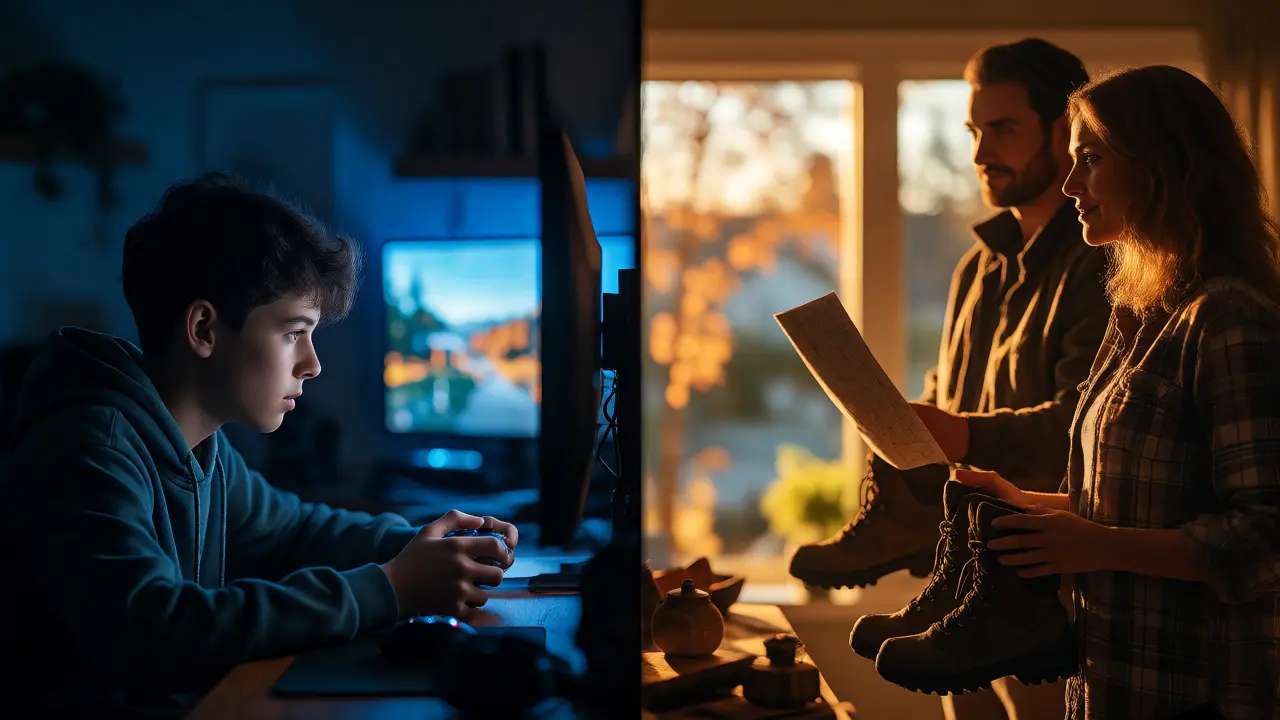
You know the drill. It’s Friday night, the homework is done, and your kid is already booting up their console or PC. They’ve got a raid scheduled, a tournament to enter, or just an itch to grind levels. You had other ideas. Maybe it was a hike in Forest Park, a trip to Powell’s Books, or even just cleaning out the garage together. The tension is real. Gaming has become a dominant social and leisure activity for kids and teens, often crowding out traditional family bonding moments. But here’s the thing: you don’t have to choose between being the "fun parent" who lets them play all weekend and the "strict parent" who bans screens. There is a middle ground where weekend plans actually compete with-and sometimes beat-gaming time.
The key isn't banning games; it's offering alternatives that are equally engaging, socially rewarding, or physically satisfying. If your alternative feels like a chore compared to the dopamine hit of a new level-up, they’ll pick the controller every time. So, how do we make the real world as compelling as the virtual one? Let’s break down specific strategies and activities that work, based on what actually drives engagement for young gamers.
Why Gaming Wins by Default (And How to Change the Rules)
Gaming offers immediate feedback loops. You press a button, something happens. You win, you get loot. It’s predictable and rewarding. Weekend plans often fail because they lack this immediacy. If you say, "We’re going to the museum," and the kid thinks, "It’s boring and I can’t pause," they’re resisting before you even leave the house. To compete, your plans need three things: agency, social connection, and low friction.
Agency means giving them a choice within your framework. Instead of "We are going hiking," try "Do you want to explore the waterfall trail or the ridge view trail?" You set the boundary (outdoors), but they control the path. This mirrors the open-world design many modern games use, making the transition feel less like a command and more like a quest selection.
High-Energy Alternatives That Mimic Game Mechanics
If your child plays competitive shooters or sports games, they likely crave competition and skill progression. Passive activities won’t cut it. Try these high-engagement options:
- Geocaching: Think of this as real-life Pokémon GO without the screen dependency. It involves using GPS coordinates to find hidden containers. You can frame it as a treasure hunt with a leaderboard. Who finds the most caches? Who solves the hardest puzzle box? It turns a walk into a mission.
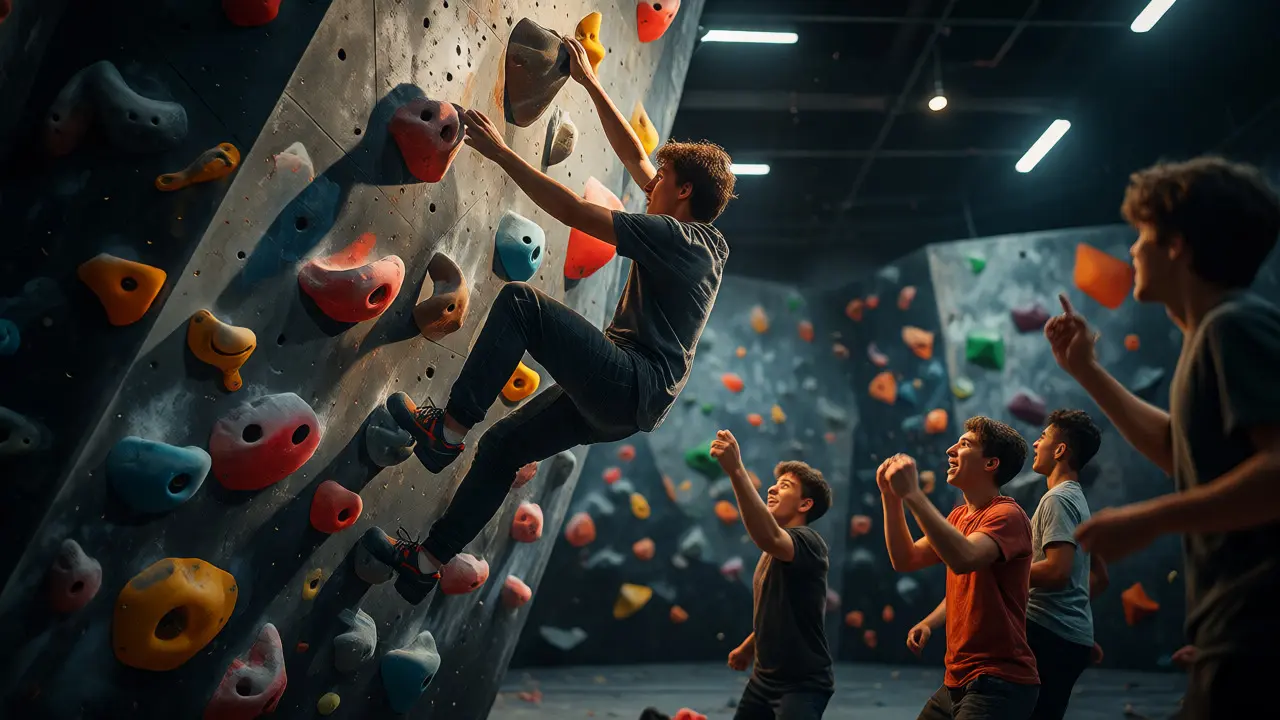
- Bouldering or Rock Climbing: Indoor climbing gyms are huge right now. Why? Because each route is essentially a "level." You start at V0 (easy) and progress to harder grades. It provides tangible proof of improvement, just like leveling up a character. Plus, the community aspect is strong-people cheer when someone sends a difficult route.
- Laser Tag or Paintball: For fans of FPS (First-Person Shooter) games, this is the physical equivalent. It satisfies the urge for tactical movement, team coordination, and quick reflexes. Look for local arenas in Portland that offer weekend leagues or drop-in sessions.
Social-First Activities: Where Friends Go, Kids Will Follow
A major reason kids stay home gaming is social connectivity. Their friends are online. If you plan a solo family outing, you’re fighting against their entire social circle. To compete, invite their friends along. Turn your weekend plan into a social event.
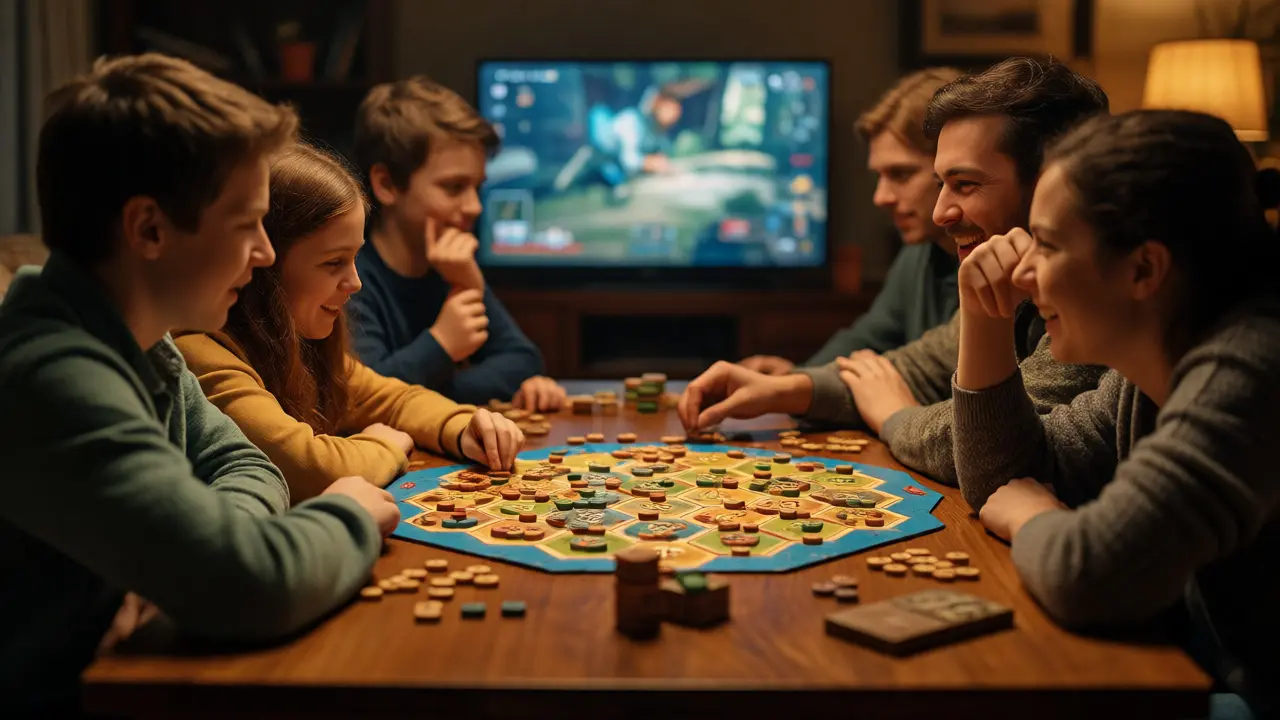
Consider hosting a board game night, but make it thematic. If they love strategy games like Civilization or StarCraft, introduce them to complex tabletop strategy games like Catan or Ticket to Ride. These games offer deep strategic thinking and social interaction without the isolation of a headset. Another option is escape rooms. These are perfect for groups. They require communication, problem-solving, and have a clear time limit and objective-very similar to raid mechanics in MMOs.
| Feature | Video Games | Geocaching/Climbing | Escape Rooms |
|---|---|---|---|
| Feedback Loop | Instant visual/audio rewards | Tangible discovery/reaching hold | Puzzle solved/clue found |
| Social Aspect | Online voice chat/text | In-person teamwork | In-person collaboration |
| Skill Progression | Levels/Ranks | Difficulty Grades/Find Count | Success Rate/Time |
| Barrier to Entry | Low (if console owned) | Medium (gear/location) | High (cost/scheduling) |
Co-Creation Projects: Building Something Real
Many gamers enjoy crafting and building systems. Minecraft, Factorio, and SimCity tap into the desire to create order from chaos. You can channel this energy into real-world projects. Instead of passive consumption, aim for active creation.
Try a weekend build challenge. Buy some LEGO sets, model kits, or even simple woodworking materials. Set a timer: "Who can build the coolest structure in two hours?" This mimics the creative sandbox mode in games. Another idea is cooking challenges. Give them a mystery basket of ingredients and see who makes the best dish. It’s fast-paced, creative, and ends with a reward (eating).
For older teens, consider volunteer opportunities that align with their interests. Animal shelters always need dog walkers. Tech nonprofits might need help setting up computers. This gives them a sense of purpose and status outside of their in-game guild. Being the person who helped save a shelter dog is a story they can tell friends, competing directly with "I got legendary loot" stories.
Negotiating the Schedule: The "Gaming Budget"
Conflict often arises not from the activity itself, but from the timing. If you schedule a big family hike during their peak gaming hours (usually late afternoon/evening), you’re guaranteed resistance. Work with their rhythm.
Create a visible weekend schedule. Block out "Free Time" where they can game uninterrupted. Then block out "Family/Community Time." Crucially, involve them in the planning. Ask, "What’s one thing you really want to do this weekend?" Once they feel heard, they’re more likely to respect the boundaries of the shared time. Use a timer for transitions. Warning them 15 minutes before a planned departure helps them finish a match rather than rage-quitting mid-game.
Localizing Your Plan: Portland-Specific Ideas
Living in Portland, Oregon, you have unique advantages. Use the environment to your benefit. The city is dense with interactive experiences that aren’t typical "tourist traps."
- Oregon Museum of Science and Industry (OMSI): It’s not just for little kids. The planetarium shows and hands-on engineering exhibits appeal to tech-minded teens.
- Forest Park Trail Runs: If they like outdoor exploration games, turn a hike into a scavenger hunt. Create a list of specific plants or landmarks to find.
- Independent Arcades: Places like Barcade or local retro arcades offer a different kind of gaming experience-one that is social, short-form, and public. It bridges the gap between staying home and going out.
When to Let Them Play
Sometimes, the best plan is no plan. If your child has been studying hard all week, forcing a high-energy outing might backfire. Allow for "decompression time." However, encourage them to step away from the screen after an hour. Suggest a low-effort alternative like listening to a podcast while walking, reading a graphic novel, or helping with a small household task that pays off quickly (like getting ice cream).
The goal isn’t to eliminate gaming. It’s to expand their definition of fun. When you offer diverse, engaging, and socially rich alternatives, gaming becomes one option among many, rather than the default fallback. Start small. Pick one activity per weekend that aligns with their gaming interests. Observe what sticks. Over time, you’ll build a repertoire of weekend plans that don’t just compete with gaming-they complement it.
How much gaming time is too much on weekends?
There is no single magic number, but the American Academy of Pediatrics suggests limiting recreational screen time to ensure it doesn't interfere with sleep, physical activity, and face-to-face social interaction. A good rule of thumb is ensuring that for every hour of gaming, there is at least 30-60 minutes of non-screen activity. If gaming causes irritability when stopped or leads to missed responsibilities, it may be excessive regardless of the total hours.
My teen refuses to join family activities. What should I do?
Try inviting their friends instead of forcing family-only time. Teens are highly motivated by peer interaction. Also, give them agency by letting them choose between two acceptable options. If they still refuse, respect their autonomy for one weekend, but maintain the expectation that they participate in at least one shared meal or activity. Consistency matters more than coercion.
Are board games a good substitute for video games?
Yes, especially strategy-based board games. They offer similar cognitive benefits like planning, resource management, and pattern recognition. Games like Catan, Pandemic, or Azul provide deep engagement and social interaction. Start with shorter games (30-45 minutes) to ease them in, then move to longer campaigns if they enjoy the mechanic.
How do I handle tantrums when ending gaming time?
Use advance warnings (15-minute and 5-minute alerts). Avoid stopping them mid-match; ask them to finish the current round or checkpoint. Validate their frustration ("I know it's hard to stop when you're having fun") but hold the boundary. Redirect immediately to a positive activity rather than leaving a vacuum where boredom can set in.
Can gaming be part of the family plan?
Absolutely. Multiplayer games like Mario Kart, Super Smash Bros., or cooperative co-op games allow parents and kids to play together. This transforms gaming from a solitary activity into a shared bonding experience. Just ensure the content is age-appropriate and that the session has a defined end time.