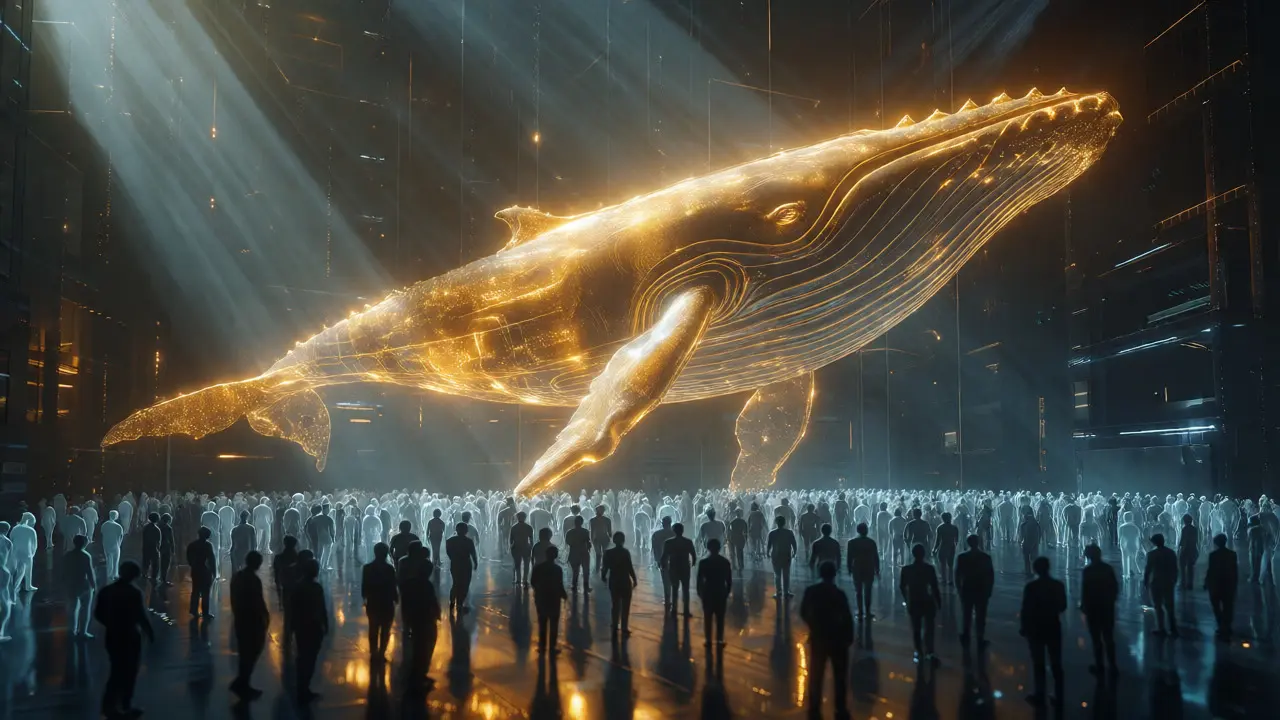
You open a new mobile game. It’s free. You play for ten minutes, maybe an hour. Then you quit. You never spent a dime. But the developer just made $50 from that session. How? Because while you were playing for free, someone else was dropping hundreds of dollars on virtual skins or energy refills. These people are called Whales. They are the tiny fraction of players who fund the entire ecosystem of modern gaming.
If you’ve ever wondered why your favorite Free-to-Play (F2P) game feels like it’s designed to drain your wallet rather than challenge your skills, you’re looking at whale-driven design. The math is brutal but simple: 1% of players often generate 50% or more of a game’s total revenue. Understanding who these whales are-and crucially, why they spend-changes how you see every loot box, battle pass, and premium currency store.
The Power Law of Gaming Revenue
Most people assume game revenue comes from millions of small purchases. That’s wrong. In most successful F2P titles, revenue follows a steep power law distribution. A handful of super-users, known as whales, outspend everyone else combined. Think of it like restaurant tipping. If one guy leaves a $1,000 tip, he pays for the staff wages for the whole night, even if the other fifty customers only left quarters.
This isn’t just anecdotal. Industry reports consistently show that top-grossing games rely heavily on high-value transactions. For example, in many mid-core strategy games, the top 0.1% of players can account for up to 40% of monthly recurring revenue. This concentration creates a specific business model where developers prioritize features that appeal to big spenders over features that might please casual players.
| Player Type | Percentage of Users | Revenue Contribution | Primary Motivation |
|---|---|---|---|
| Non-Payers | 70-80% | 0% | Entertainment, Social Status |
| Minnows | 15-20% | 5-10% | Convenience, Small Boosts |
| Dolphins | 3-5% | 15-20% | Progression Speed, Cosmetics |
| Whales | <1% | 60-90% | Power Dominance, Exclusivity |
Notice the gap between user count and revenue impact. Developers know this. When they balance a game, they aren’t balancing it for you. They are balancing it for the whale. Your frustration with pay-to-win mechanics? That’s not a bug. It’s a feature designed to keep whales engaged by ensuring their money buys tangible status.
Anatomy of a Whale: Who Are They?
There’s a stereotype that whales are bored adults with too much cash and no hobbies. Reality is more nuanced. Whales come in different shapes and sizes, each driven by distinct psychological triggers. Identifying these types helps explain why certain microtransactions work better than others.
Competitive Whales are driven by dominance. They play PvP-heavy games like Clash Royale or Raid: Shadow Legends. For them, spending isn’t about fun; it’s about winning. They will drop $500 to get a legendary character because losing to a friend hurts more than the cost of the credit card charge.
Collector Whales care about completionism. They want every skin, every badge, every limited-time event item. Games like Fortnite or Genshin Impact thrive here. These players don’t necessarily need the best gear stats; they need the visual flex. They treat virtual items like digital art collections.
Time-Saver Whales value convenience above all else. They have disposable income but zero disposable time. They buy energy refills, skip timers, and purchase XP boosts so they can progress without grinding. This type is common in idle games and RPGs where progression gates require waiting. They pay to remove friction.
Understanding these archetypes reveals why generic "buy now" buttons fail. A competitive whale doesn’t care about a cosmetic hat. A collector whale doesn’t care about a damage boost. Successful F2P games segment their offers to target these specific motivations.

The Psychology of Spending: Why They Pay
Why does someone spend $20 on a virtual sword? To understand this, you have to look at behavioral economics. Three main psychological levers drive whale behavior: sunk cost fallacy, social proof, and scarcity.
The Sunk Cost Fallacy is powerful. Once a player has invested 50 hours and $50 into a game, quitting feels like wasting that investment. So, when a new $10 bundle appears, they buy it to justify previous purchases. It becomes a loop: spend to validate past spending.
Social proof plays a huge role, especially in guild-based games. If the top three players in your clan have glowing wings and golden armor, you feel pressure to match their status. Humans are wired for hierarchy. In online spaces, virtual goods are the primary markers of rank. Whales spend to maintain their position in the social pecking order.
Then there’s scarcity. Limited-time events create urgency. "Only available for 48 hours!" triggers fear of missing out (FOMO). Whales hate missing out because it breaks their collection streak or leaves them behind competitors. Developers exploit this by rotating exclusive items frequently, forcing whales to return regularly to avoid falling behind.
How Developers Target Whales
If you think game design is random, think again. Every mechanic is tuned to maximize lifetime value (LTV) from high spenders. Here’s how they do it:
- Paywalls disguised as progression: Early levels are easy. Around level 20, difficulty spikes. Players hit a wall. Casuals quit. Whales buy a power-up pack to break through.
- Randomized Loot Boxes: Also known as gacha mechanics. The uncertainty releases dopamine. Even if you spend $100 and get junk, the possibility of getting the rare item keeps you pulling. Whales chase the rarity.
- VIP Systems: Many Asian-market games use VIP tiers. Higher VIP levels give permanent bonuses and daily free rewards. This encourages continuous spending to climb the ladder, creating a long-term commitment loop.
- Battle Passes: While popular with minnows, battle passes also serve whales. Premium tracks offer faster rewards, encouraging whales to buy multiple passes or upgrade tiers instantly.
Developers also use data analytics to identify potential whales early. If a new player makes two small purchases in their first week, algorithms flag them. They start seeing targeted ads for larger bundles. Personalized offers are key. A whale who loves characters gets offered character packs. A whale who loves speed gets offered timer skips.

The Ethical Gray Area
Is whale hunting ethical? Critics argue that F2P models exploit vulnerable populations. People with gambling addictions may struggle with loot boxes, which function similarly to slot machines. Children, lacking financial literacy, might accidentally rack up hundreds of dollars in charges.
Regulators are taking notice. Belgium and the Netherlands have classified some loot boxes as gambling. China requires odds disclosure for gacha pulls. These regulations aim to protect consumers from predatory practices. However, for most adult whales, spending is a conscious choice. They view it as entertainment expense, similar to buying concert tickets or sports memorabilia.
The debate often centers on transparency. When games hide the true cost of maxing out a character, it feels deceptive. If a whale knows it costs $2,000 to fully upgrade a hero and chooses to pay it, that’s consumer agency. If the game obscures this number until after significant investment, it borders on manipulation.
What This Means for You
Whether you’re a player, a developer, or an investor, understanding whale dynamics matters. For players, recognizing your own spending habits helps you set limits. Are you buying for fun, or are you buying to avoid pain? For developers, ignoring whales means leaving money on the table, but alienating them means killing the game’s economy. Balance is tricky.
For investors, F2P games are essentially media companies with highly efficient customer acquisition costs. Acquiring a whale is expensive, but their LTV dwarfs traditional advertising returns. This economic reality drives the industry’s shift toward live-service models, where content updates keep whales engaged for years.
Next time you see a flashy ad for a mobile game promising epic battles and stunning graphics, remember: those ads are mostly aimed at the 1%. Everyone else is just providing the audience size that makes the whales feel important. The game isn’t free. You’re paying with your attention. The whales are paying with their wallets. Both fuel the machine.
What exactly defines a "whale" in gaming?
A whale is a player who spends significantly more than the average user. Typically, this means spending thousands of dollars annually on a single game. They represent less than 1% of the player base but often contribute over 50% of total revenue.
Do all free-to-play games rely on whales?
Most major F2P titles do, especially mid-core and hardcore genres. However, some casual puzzle games or hyper-casual titles rely more on ad revenue from a large non-paying audience. Still, even in those cases, a small group of users usually generates disproportionate IAP (In-App Purchase) revenue.
Why do whales spend so much money?
Motivations vary. Competitive whales spend to win and dominate rankings. Collector whales spend to complete inventories and showcase exclusives. Time-saver whales spend to bypass grindy progression systems. Social status within guilds or clans is also a major driver.
Are loot boxes considered gambling?
It depends on jurisdiction. Some countries, like Belgium and the Netherlands, classify paid loot boxes as gambling due to chance-based outcomes. Others require probability disclosures. The US currently treats them largely as consumer products, though scrutiny is increasing.
Can a game survive without whales?
Yes, but it’s harder. Games relying solely on ad revenue or small microtransactions need massive player counts to be profitable. Whales provide stable, high-margin revenue that funds ongoing development and marketing, allowing smaller teams to sustain complex live-service games.