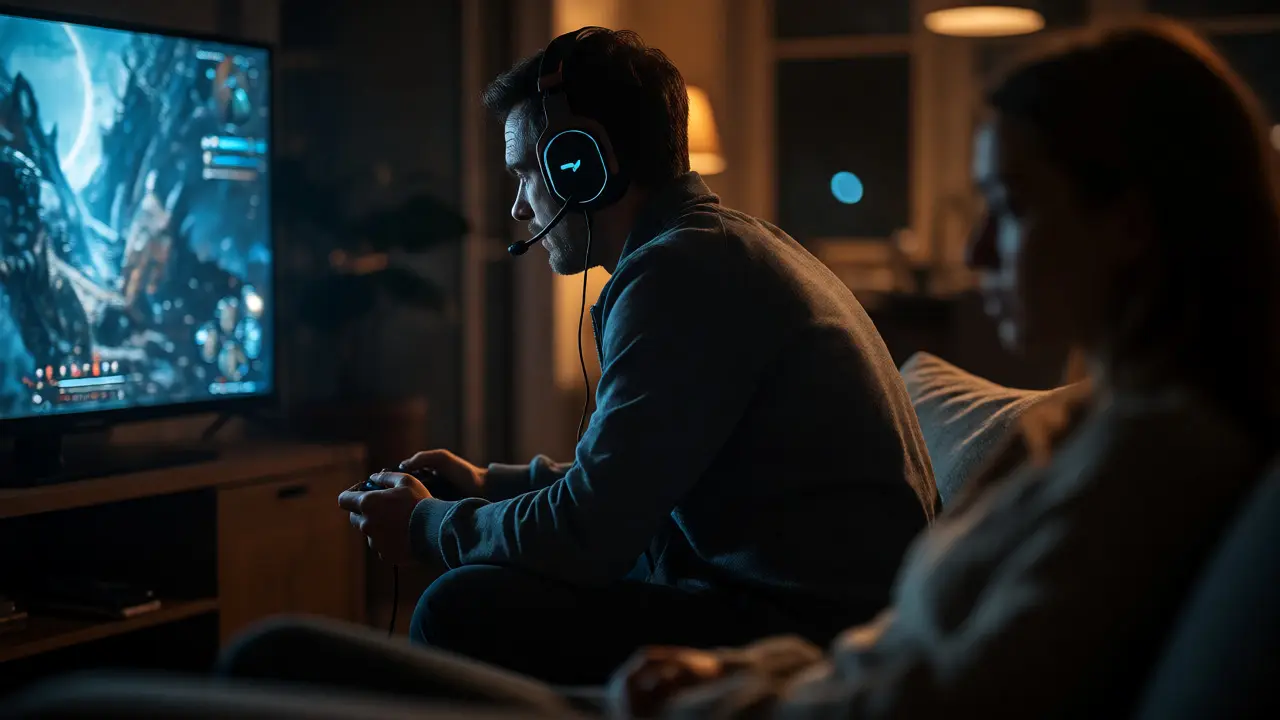
You’re sitting on the couch, trying to talk about weekend plans or bills, but your partner is staring at a screen, headset on, completely tuned out. It’s not just one night; it’s every night for the last six months. You feel like you’re dating a ghost who only comes alive when they’re raiding in World of Warcraft or grinding ranked matches in League of Legends. This isn’t just a minor annoyance anymore. For many couples, excessive gaming has become the third wheel that eventually breaks up the relationship. The question isn’t whether they love you-they might still do-but whether the dopamine hit from a virtual win outweighs the connection with you.
| Behavior | Impact on Partner | Severity Level |
|---|---|---|
| Ignoring conversations while playing | Feeling invisible and undervalued | High |
| Missing dates/events for raids/tournaments | Resentment and loneliness | Medium-High |
| Defensiveness when asked to stop | Communication breakdown | High |
| Neglecting household chores | Partner burnout (parental burden) | Medium |
| Irritability when offline | Walking on eggshells | High |
Why Video Games Feel Like a Better Partner Than You Do
It hurts to admit, but games are designed to be better companions than real humans often are. They offer instant feedback, clear goals, and a sense of competence that daily life rarely provides. If you’ve had a bad day at work where your boss ignored your ideas, logging into Elden Ring lets you defeat a dragon and get immediate praise via loot drops. In contrast, talking to your spouse about emotional needs can feel messy, unresolved, and exhausting. Games don’t complain, they don’t need validation, and they always reward effort. This creates an easy escape route. When real-life responsibilities pile up-mortgage stress, childcare duties, career stagnation-the virtual world offers a controlled environment where you are the hero, not the person drowning in laundry.
This dynamic creates what psychologists call "avoidant coping." Instead of facing conflict, the gamer retreats into the console. Over time, this avoidance erodes intimacy. Intimacy requires vulnerability and presence. If one partner is mentally present in Azeroth while physically sitting next to the other, the relationship starves. The non-gaming partner starts to feel like a roommate rather than a lover. This isn’t about hating hobbies; it’s about priority. When the game takes precedence over shared experiences, the foundation of the partnership cracks.
The Difference Between Hobby and Addiction
Not everyone who plays games is addicted. There’s a huge difference between enjoying a few hours of PlayStation 5 exclusives on Saturday and letting gaming consume your entire identity. How do you tell if it’s crossed the line? Look at functionality. Does the person miss work deadlines? Do they skip meals? Do they lie about how long they’ve been playing? The World Health Organization recognizes "Gaming Disorder" as a mental health condition characterized by impaired control over gaming, increasing priority given to gaming, and continuation despite negative consequences. If your partner exhibits these traits, it’s not just a personality quirk; it’s a behavioral issue requiring serious attention.
A healthy hobby enhances life; an addiction replaces it. A balanced gamer can pause the game to help with dinner or go for a walk without throwing a tantrum. An addicted gamer treats interruptions as threats to their progress. If your partner gets angry or anxious when you suggest turning off the console, that’s a red flag. It signals that the dopamine dependency is stronger than their commitment to your shared well-being. Recognizing this distinction helps you approach the conversation with empathy rather than anger. You aren’t attacking their fun; you’re addressing a compulsion that’s hurting them and the relationship.

Communicating Without Starting a War
Telling a gamer to "just stop" usually backfires. It sounds dismissive of something they value. Instead, focus on feelings and specific behaviors. Use "I" statements. Say, "I feel lonely when we don’t spend evenings together," rather than "You’re always on that stupid computer." Specificity matters. Don’t say "you play too much." Say, "We haven’t had a date night in three weeks because you were streaming." This shifts the blame from their character to the situation, making it easier for them to listen.
Timing is critical. Never start this conversation while they are mid-match. Their brain is flooded with adrenaline and cortisol; they literally cannot process complex emotional reasoning right then. Wait until after they’ve played, maybe during a calm morning coffee or a walk. Frame the discussion around rebuilding connection, not banning games. Ask questions like, "What do you enjoy most about this game?" and "How can we make sure I’m part of your life too?" Sometimes, understanding their motivation reveals unmet needs in the relationship that gaming was masking.
Setting Boundaries That Actually Stick
Vague agreements fail. "Play less" is meaningless. Concrete boundaries work. Sit down and negotiate specific rules that respect both parties’ needs. Maybe it’s no screens after 9 PM. Maybe it’s one dedicated "game-free" evening per week for date night. Maybe it’s completing all household chores before starting a session. Write these down if necessary. Accountability partners help. If you live together, agree on a signal-like leaving the controller in a basket-that indicates gaming time is over.
Consider a tech detox experiment. Try one weekend where neither of you uses consoles or PCs. See how you interact. Do you rediscover old jokes? Do you find new things to talk about? This isn’t punishment; it’s data gathering. It shows both of you what life looks like without the digital buffer. Often, the fear of boredom is worse than boredom itself. Once the silence passes, genuine connection often resurfaces. If resistance is extreme, consider individual therapy to address underlying issues like anxiety or depression that may be driving the escapism.

Rebuilding Connection Beyond the Screen
Once boundaries are set, you must fill the void. If you simply remove gaming without adding quality time, the relationship will feel empty. Replace the lost hours with activities that foster bonding. Cook together, hike local trails, or take a class. The goal is to create positive shared memories that compete with the rewards of gaming. Make your real-life relationship more engaging than the virtual one. Surprise each other. Plan trips. Reintroduce physical touch and eye contact.
For some couples, joining forces works. Can you play co-op games together? Titles like It Takes Two or Overcooked! require teamwork and communication, turning isolation into collaboration. This transforms gaming from a wedge into a bridge. However, this only works if the non-gaming partner is genuinely interested. Don’t force it if you hate it. The key is mutual participation in whatever activity strengthens your bond. Whether it’s gardening or gaming, the activity itself matters less than the intention behind it: choosing each other over distraction.
When to Seek Professional Help
If communication fails and resentment builds, don’t wait until the breakup papers are signed. Couples counseling can provide neutral ground to navigate these dynamics. Therapists trained in behavioral addictions understand the neuroscience behind gaming loops and can help de-escalate defensiveness. Individual therapy for the gamer might uncover deeper issues-social anxiety, ADHD, or trauma-that make virtual worlds safer than real ones. Addressing the root cause prevents relapse. Remember, seeking help isn’t an admission of failure; it’s a strategic move to save what you’ve built.
Ultimately, saving a relationship from gaming dissolution requires honesty and compromise. It demands that the gamer acknowledges the cost of their habit and the non-gamer validates the joy the hobby brings. Balance is possible. Many couples thrive with one partner being a hardcore gamer, provided there is mutual respect and scheduled quality time. But it takes active effort from both sides. You have to choose to show up, even when the screen is glowing brighter than the room. If you both want to stay together, the controller doesn’t have to be the enemy-it just can’t be the priority.
Is gaming addiction recognized as a medical condition?
Yes, the World Health Organization included "Gaming Disorder" in the International Classification of Diseases (ICD-11) in 2018. It is defined by impaired control over gaming, increasing priority given to gaming over other activities, and continuation of gaming despite negative consequences.
How much gaming per day is considered excessive in a relationship?
There is no universal number, but generally, if gaming exceeds 2-3 hours on weekdays and interferes with sleep, work, or shared couple time, it may be problematic. The key metric is impact on functioning and relationship satisfaction, not just hours logged.
Can a relationship survive if one partner is a hardcore gamer?
Absolutely. Success depends on setting clear boundaries, respecting each other's interests, and ensuring dedicated quality time together. Communication and compromise are essential to prevent resentment.
What should I do if my partner lies about how much they play?
Lying suggests shame or fear of judgment. Approach the topic without accusation. Express concern about trust rather than focusing solely on the hours. Consider professional counseling if dishonesty persists, as it indicates deeper communication or addiction issues.
Are mobile games as damaging to relationships as console or PC games?
Mobile games can be equally damaging due to their accessibility and constant notifications. They interrupt face-to-face interactions frequently, creating a sense of neglect even if total playtime appears lower than immersive console sessions.