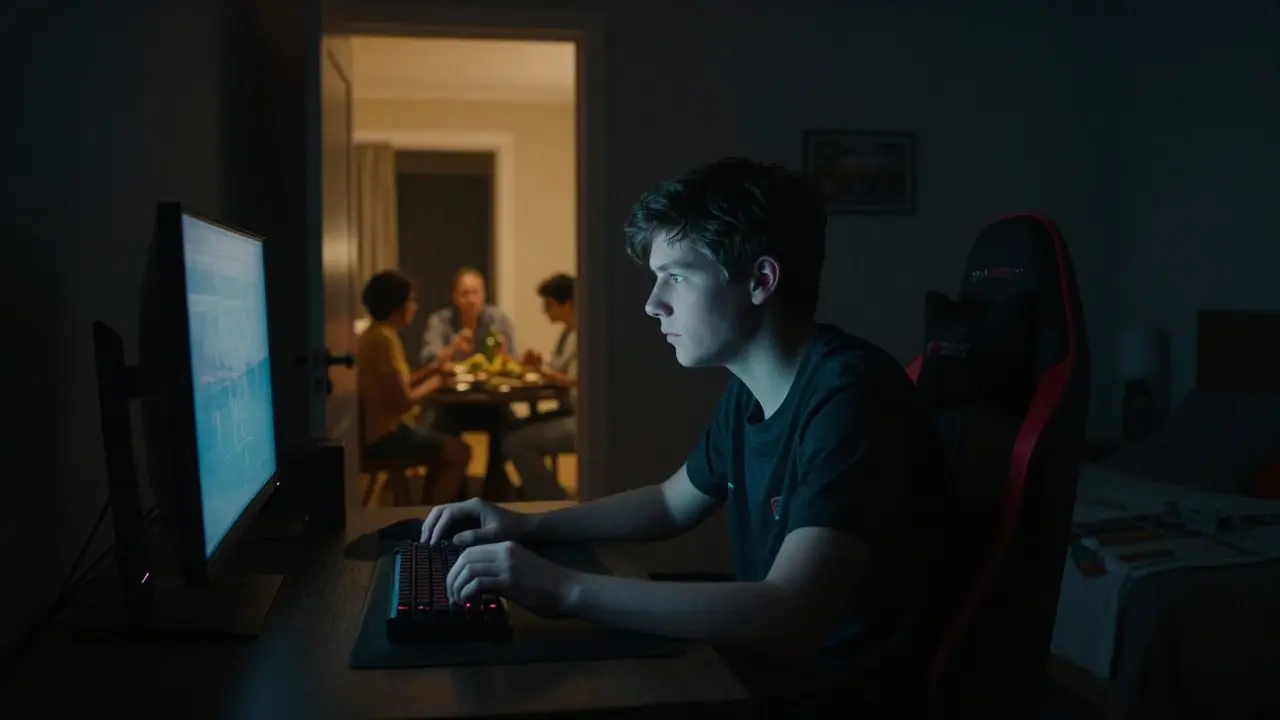
It starts with a missed dinner. Then a forgotten homework assignment. Maybe the door is locked, and the controller clicks sound like static in your head. You know your kid loves video games, but somewhere between "fun" and "obsession," the line gets blurry. So, when do you call in the reinforcements? When does a hobby become a problem that requires a professional?
The answer isn't always about hours played. It's about what happens when the console turns off. If your child functions well at school, maintains friendships, and sleeps through the night, they might just be deeply engaged. But if their world shrinks to the size of a monitor, it’s time to look closer.
Understanding the Spectrum of Gaming Behavior
Not all heavy play is bad. In fact, Gaming is a complex digital activity that offers social, cognitive, and creative benefits for many children. For some kids, it’s their primary way to decompress after a stressful day or connect with friends online. The key distinction lies in functionality.
Psychologists often look at three dimensions to determine if intervention is needed:
- Impairment: Is daily life suffering? Grades dropping? Hygiene neglected?
- Irritability: How do they react when forced to stop? Do they calm down in an hour, or rage for days?
- Preoccupation: Are they constantly thinking about the next game session even when doing other things?
If these signs are mild and temporary, strict boundaries usually fix it. If they are severe and persistent, you’re looking at something more structural.
Red Flags That Signal Professional Intervention
You don’t need a clinical diagnosis to know something is wrong. Your gut, backed by observable behavior, is a powerful diagnostic tool. Here are specific scenarios where talking to a child psychologist or psychiatrist makes sense:
- Social Withdrawal Beyond the Norm: Your child used to have friends over. Now they ignore texts, avoid family dinners, and only communicate via Discord or in-game chat. If this isolation lasts weeks, it’s a red flag.
- Physical Neglect: Skipping meals, poor hygiene, or sleeping less than eight hours on weekdays because they stayed up late grinding levels. This affects physical health and cognitive development.
- Emotional Volatility: Extreme anger, tears, or depression when the Wi-Fi goes out or the device is taken away. This suggests the gaming is serving as a coping mechanism for underlying anxiety or mood disorders.
- Deceptive Behavior: Lying about how long they’ve been playing, hiding devices, or spending allowance money on microtransactions without permission. Deception indicates a loss of control.
- Academic Decline: A sudden drop in grades not due to difficulty, but due to lack of effort or attention. Teachers often notice this before parents do.
If you see two or more of these patterns persisting for more than a month, it’s worth a professional conversation.
The Role of Underlying Mental Health Issues
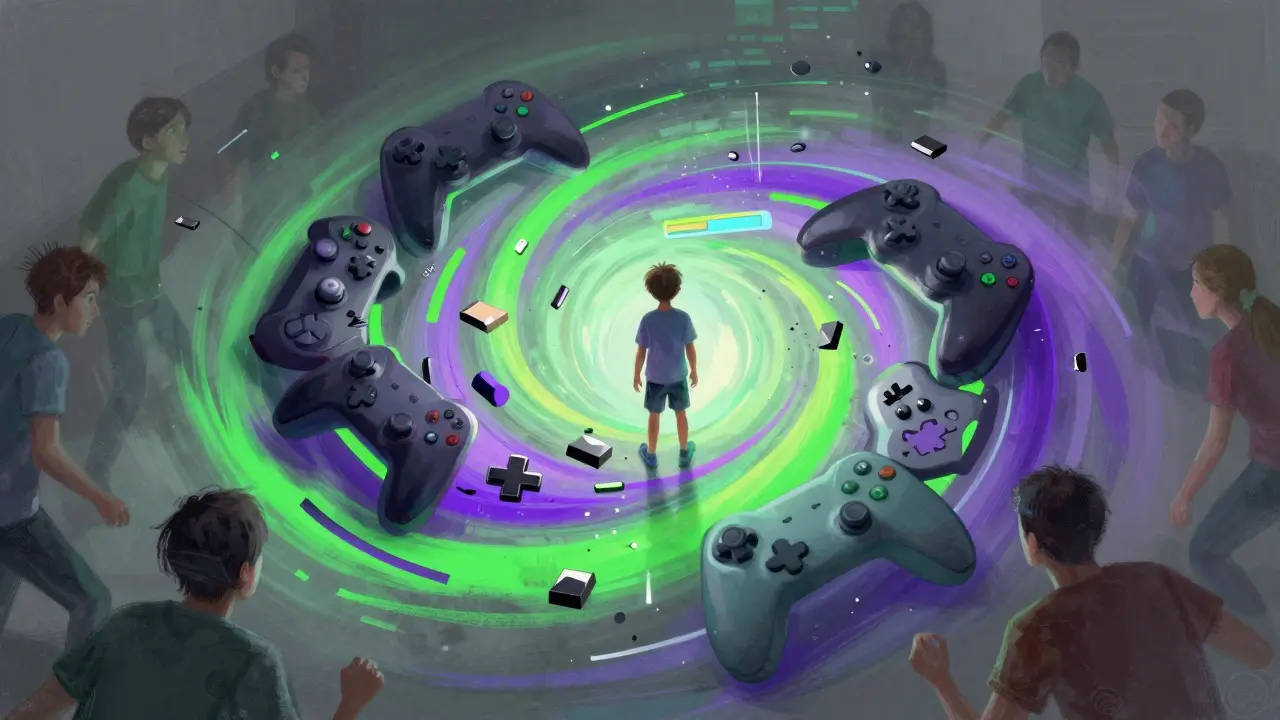
Often, excessive gaming isn't the root cause; it’s a symptom. Many children who struggle with gaming habits also deal with undiagnosed conditions like ADHD, anxiety, or depression. Gaming provides immediate dopamine hits, predictable rules, and a sense of competence that real life might currently lack.
For example, a child with social anxiety might thrive in a multiplayer team environment where communication is text-based and roles are clear. If you remove the game without addressing the anxiety, you’re just removing their escape hatch. They’ll find another one, or the anxiety will worsen.
This is why a professional assessment is crucial. They can distinguish between true Gaming Disorder (recognized by the World Health Organization) and gaming as a coping strategy for another issue. Treating the root cause often resolves the gaming excess naturally.
What to Expect in a Professional Evaluation
Many parents fear that seeing a therapist means their child is "broken." It doesn’t. Think of it as getting a mechanic’s opinion on a car that’s making a strange noise. You want to know if it’s a simple tune-up or a major repair.
A typical evaluation involves:
- Intake Interview: The therapist speaks with both parents and the child separately. They ask about history, triggers, and current routines.
- Behavioral Assessment: Using standardized scales to measure symptoms of addiction, anxiety, or depression.
- Family Dynamics Review: Looking at home stressors, parenting styles, and sibling relationships that might contribute to the behavior.
The goal isn’t necessarily to ban games. It’s to create a balanced ecosystem where gaming coexists with sleep, school, and face-to-face interaction.
Practical Steps Before Booking an Appointment
While waiting for that appointment, you can take proactive steps to stabilize the situation. These aren’t fixes, but they buy you time and reduce household tension.
| Strategy | Best For | Limits |
|---|---|---|
| Setting Tech-Free Zones | Mild cases, routine building | Ineffective if child is highly resistant or has underlying mental health issues |
| Co-Playing | Rebuilding connection, monitoring content | Time-intensive, may not work if child wants independence |
| Cognitive Behavioral Therapy (CBT) | Moderate to severe cases, anxiety/depression comorbidity | Requires consistency and commitment from the child |
| Medication Management | Severe ADHD or mood disorders contributing to gaming | Only under psychiatric supervision, not a standalone solution |
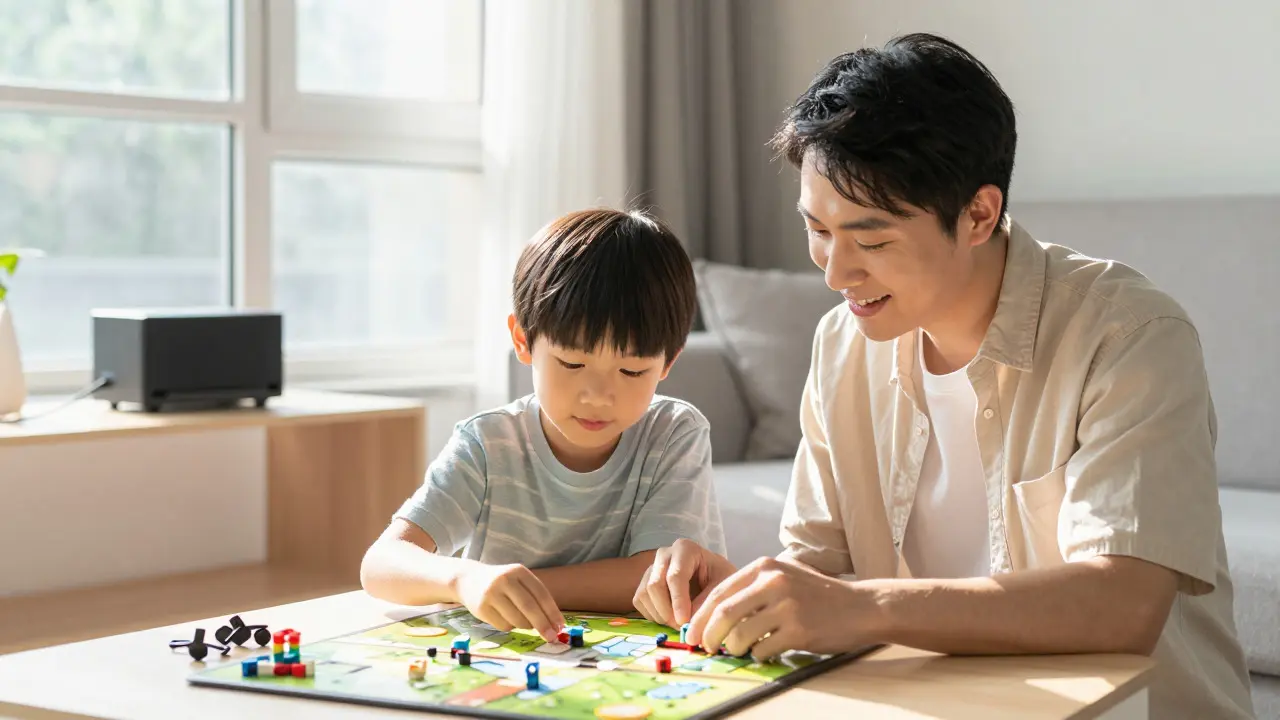
Start small. Move the TV to a common area. Establish a "no screens" rule during meals. Praise non-gaming achievements loudly. The aim is to show them that the real world has rewards too.
Navigating Resistance and Pushback
Kids rarely welcome limits. Expect pushback. They might say, "You don't get it," or threaten to quit their friend group. This is normal. Their identity is tied to their gaming community. When you challenge the gaming, you feel like you're challenging their social life.
To handle this, validate their feelings. Say, "We know gaming is important to you. We just need to make sure it doesn't take over everything else." Avoid power struggles. Instead of confiscating the console, negotiate. Let them choose which game they play on weekends, but set the start and end times together.
If resistance becomes aggressive or hostile, that’s another sign to seek professional help. A therapist can provide neutral ground for these conversations.
Building a Long-Term Healthy Relationship with Screens
The goal isn't zero gaming. It's healthy integration. As your child grows, they’ll need self-regulation skills. Professionals can teach these through therapy, but parents reinforce them at home.
Encourage diverse interests. If they love strategy games, maybe they’d enjoy chess or model building. If they love action games, maybe martial arts or sports. Broadening their horizons reduces the dependency on a single source of joy.
Remember, you’re not fighting the technology. You’re helping your child develop the emotional maturity to use it wisely. That skill will serve them far beyond childhood.
How many hours of gaming is considered too much for a child?
There is no universal magic number. However, most pediatricians suggest limiting recreational screen time to 1-2 hours per day for children over 6, provided it doesn't interfere with sleep, physical activity, or schoolwork. For younger children, limits should be stricter. The focus should be on balance, not just duration.
Is gaming addiction a real medical condition?
Yes. The World Health Organization includes "Gaming Disorder" in the International Classification of Diseases (ICD-11). It is characterized by impaired control over gaming, increasing priority given to gaming over other activities, and continuation or escalation despite negative consequences.
Should I take away my child's gaming device immediately if they are addicted?
Usually, no. Sudden removal can trigger intense withdrawal reactions and damage the parent-child relationship. Gradual reduction, combined with alternative activities and professional support, is generally more effective and sustainable.
What kind of therapist should I see for gaming issues?
Look for a child psychologist or licensed clinical social worker (LCSW) who specializes in adolescent behavior or digital media use. If there are suspected underlying conditions like ADHD or anxiety, a child psychiatrist may also be involved for medication management alongside therapy.
Can video games ever be beneficial for a struggling child?
Yes. For children with social anxiety, autism spectrum disorder, or learning differences, games can provide safe spaces for socialization, problem-solving, and confidence building. The key is moderation and ensuring the game supports, rather than replaces, real-world growth.