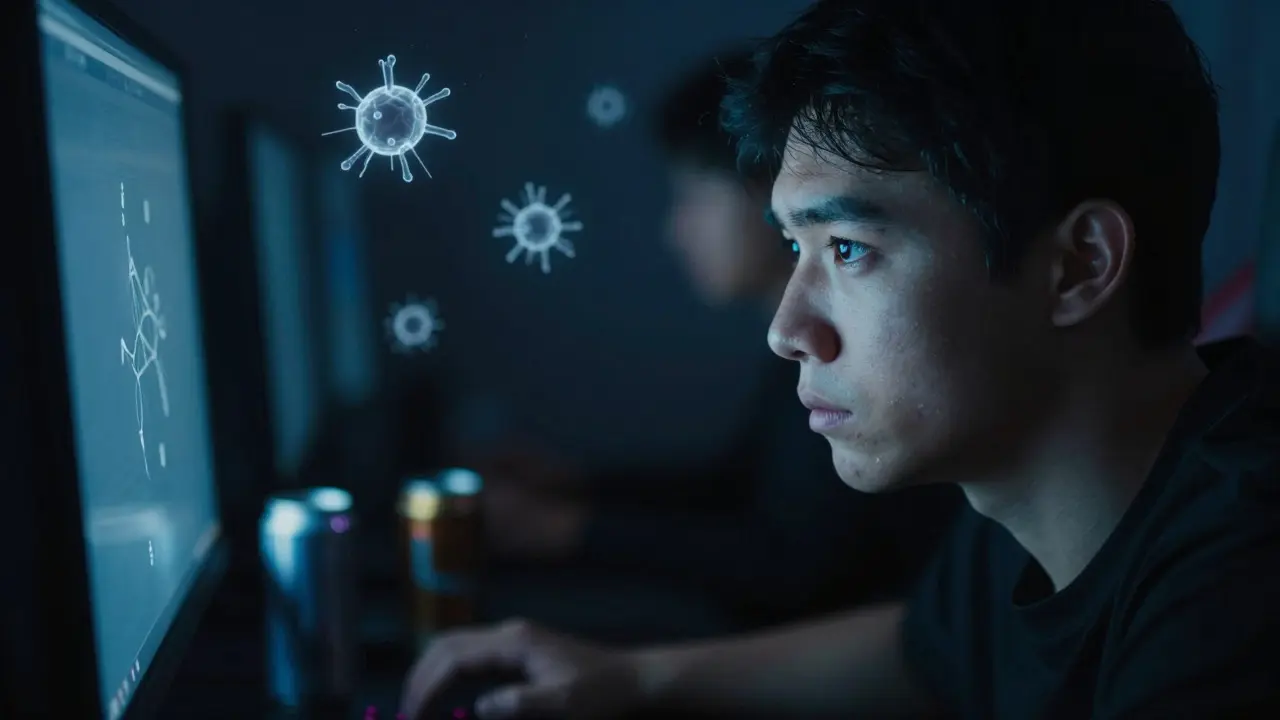
You know the feeling. It’s 3 AM, you’re on a winning streak in your ranked match, and your eyes burn like they’ve been rubbed with sandpaper. You tell yourself, "Just one more game," but deep down, you know you’re running on fumes. What you might not realize is that every hour of skipped sleep is actively dismantling your body’s defense systems. If you find yourself catching every cold that goes around the office or school, it’s probably not just bad luck. There is a direct, measurable link between sleep deprivation and a weakened immune system. For gamers who pull all-nighters, this isn't just about being tired; it's about biological vulnerability.
The Science Behind Your Sleeping Immune Cells
Your body doesn’t take a break when you do. While you’re grinding for loot boxes, your immune system is working overtime to repair tissues and fight off pathogens. The key players here are cytokines, proteins that target infection and inflammation. When you sleep, your body releases these protective cytokines. But when you cut sleep short, production drops. A landmark study from Carnegie Mellon University found that people who slept less than six hours per night were four times more likely to develop a cold after exposure to a rhinovirus compared to those who got seven or more hours. That’s not a minor risk-it’s a massive susceptibility gap.
It’s not just about quantity, though. Quality matters too. During deep sleep stages, specifically slow-wave sleep, your brain clears out metabolic waste products via the glymphatic system. This process is crucial for maintaining overall cellular health. If you’re sleeping in bursts-like waking up at 4 AM to check Discord messages-you interrupt this cleaning cycle. The result? Your T-cells, which identify and destroy infected cells, become less effective. They literally lose their ability to stick to targets. Imagine trying to catch a fly with a slippery net; that’s what your immune cells are doing when you’re chronically underslept.
Gaming Habits That Sabotage Recovery
Let’s be real: gaming culture often glorifies the grind. Streamers brag about 10-hour sessions, and competitive players treat sleep as an optional extra. But blue light from monitors suppresses melatonin, the hormone that signals your body it’s time to wind down. Exposure to screens before bed delays sleep onset, meaning you lie awake longer even if you go to bed early. This creates a vicious cycle where you stay up later because you can’t fall asleep, then wake up exhausted, leading to caffeine overconsumption, which further disrupts sleep architecture.
Moreover, the mental arousal from intense gameplay keeps cortisol levels high. Cortisol is a stress hormone that, in short bursts, helps you focus. But chronically elevated cortisol suppresses immune function. So, while you feel alert during a late-night raid, your body is in a state of low-grade emergency mode. This hyperarousal prevents the parasympathetic nervous system-the "rest and digest" mode-from kicking in properly. Without that shift, your body never fully enters the recovery phase needed to bolster immunity.
How Frequent Infections Impact Gaming Performance
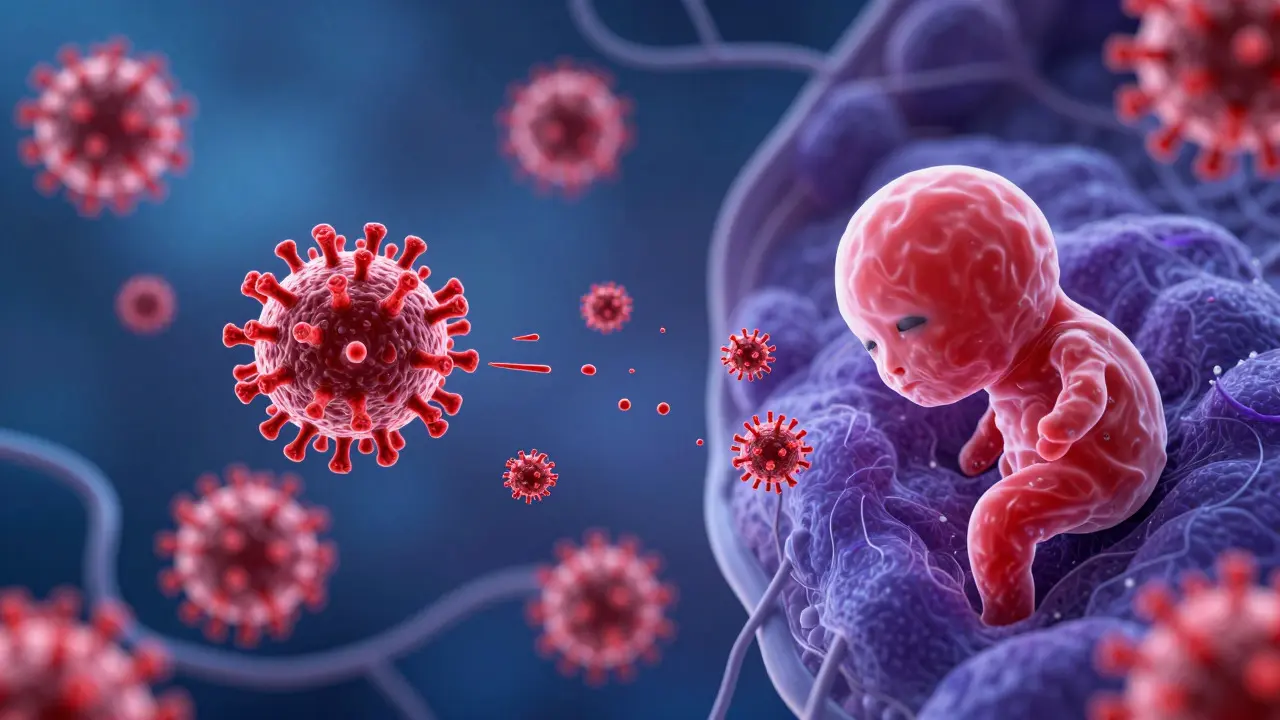
Getting sick doesn’t just mean missing work or class; it wrecks your gaming performance. Cognitive functions like reaction time, decision-making speed, and hand-eye coordination rely heavily on neural efficiency. When you’re fighting off a virus, your brain diverts energy away from complex processing to fuel the immune response. This phenomenon, known as "sickness behavior," makes you sluggish and error-prone. You might notice your aim feels off, or you’re making tactical mistakes you’d normally avoid.
| Sleep Duration (Hours) | Immune Response Efficiency | Reaction Time Delay | Risk of Upper Respiratory Infection |
|---|---|---|---|
| < 5 Hours | Severely Compromised | +150ms | High (4x baseline) |
| 5-6 Hours | Moderately Reduced | +80ms | Elevated (2x baseline) |
| 7-8 Hours | Optimal | Baseline | Low (Baseline) |
| > 9 Hours | Optimal to Excessive | -10ms | Very Low |
The data above highlights how critical hitting that 7-8 hour window is. Notice the jump in infection risk below six hours. For a competitive gamer, that +150ms delay in reaction time could be the difference between winning a duel and respawning. It’s a tangible cost paid for digital entertainment.
Practical Strategies for Better Sleep Hygiene
You don’t have to quit gaming to fix this. You just need to manage it better. Start by setting a hard stop time for screen usage. Ideally, power down the PC or console at least one hour before bed. Use this time for analog activities: reading a physical book, stretching, or just sitting in dim light. This allows melatonin levels to rise naturally.
- Blue Light Filters: If you must use screens, enable Night Shift or f.lux software to reduce blue light emission after sunset.
- Cool Environment: Keep your bedroom temperature between 60-67°F (15-19°C). A cooler room facilitates deeper sleep cycles.
- Consistent Schedule: Go to bed and wake up at the same time every day, even on weekends. This regulates your circadian rhythm.
- Caffeine Cut-off: Stop consuming caffeine at least 8-10 hours before bedtime. Half-life varies, but it lingers long enough to fragment sleep.
Another tip: avoid heavy meals right before bed. Digestion requires energy and raises body temperature, both of which interfere with falling asleep. Opt for a light snack if you’re hungry, like a banana or a handful of almonds, which contain magnesium and tryptophan that support sleep.
Nutrition and Supplementation Support
While sleep is king, nutrition plays a supporting role. Gamers often rely on energy drinks and sugary snacks, which cause blood sugar spikes and crashes. These fluctuations can worsen fatigue and weaken immune resilience. Focus on whole foods rich in Vitamin C, Zinc, and Vitamin D. These nutrients are essential cofactors for immune cell function.
Vitamin D deficiency is particularly common among indoor gamers who spend little time in sunlight. Since Vitamin D receptors are present on many immune cells, low levels correlate with increased susceptibility to respiratory infections. Consider getting your levels checked by a doctor. If you’re deficient, supplementation under medical guidance can make a noticeable difference in how often you get sick.
When to Seek Medical Advice
If you’re consistently sleeping seven to eight hours and still getting sick frequently, it might not just be lifestyle. Chronic sinusitis, allergies, or underlying autoimmune conditions could be at play. Pay attention to patterns. Do you get sick only during flu season, or year-round? Are your symptoms persistent, like a cough that won’t go away?
Consult a healthcare provider if you experience unexplained weight loss, extreme fatigue despite adequate rest, or recurrent infections requiring antibiotics. Self-diagnosing "gamer sickness" can mask serious issues. A professional can run blood tests to check for deficiencies or other markers of immune dysfunction.
Does napping help compensate for lack of night sleep?
Naps can help restore alertness and cognitive function, but they don't fully replace the immune benefits of consolidated nighttime sleep. Deep sleep stages, where most immune regulation occurs, are harder to achieve in short naps. Think of naps as a band-aid, not a cure.
Can I build up my immune system by sleeping more on weekends?
This is called "social jet lag." While catching up on sleep debt helps, it doesn't completely reverse the immune suppression caused by chronic weekday deprivation. Consistency is far more effective for long-term immune health than binge-sleeping on weekends.
Do energy drinks affect sleep quality?
Yes, significantly. Energy drinks contain high doses of caffeine and sugar, which increase heart rate and anxiety, making it difficult to enter deep sleep. Even if you fall asleep, the quality of that sleep is often fragmented and less restorative.
Is blue light blocking glasses effective for gamers?
They can help reduce eye strain and may slightly improve sleep onset if used in the evening, but they are not a magic bullet. Behavioral changes, like reducing screen time before bed, are generally more effective than relying solely on glasses.
How long does it take to recover immune function after fixing sleep habits?
Improvements in alertness can happen within days, but full immune system recovery typically takes several weeks of consistent, quality sleep. Be patient and prioritize consistency over perfection.