
Ever finished a binge-watch session or a sugar-heavy weekend and felt like you couldn't get out of bed the next morning? That heavy, gray feeling isn't just laziness. It is your brain's Dopamine System is a complex neural pathway that regulates motivation, pleasure, and movement by releasing neurotransmitters in response to rewards. When we overstimulate this system with high-reward activities, it adapts by reducing its sensitivity. The result is a state of Dopamine Dysregulation is a condition where the brain's reward circuitry becomes less responsive to normal stimuli, leading to anhedonia and low motivation. This article breaks down why the "crash" happens, how your neurons physically change, and what you can do to reset your baseline without relying on willpower alone.
The Biology of the Crash
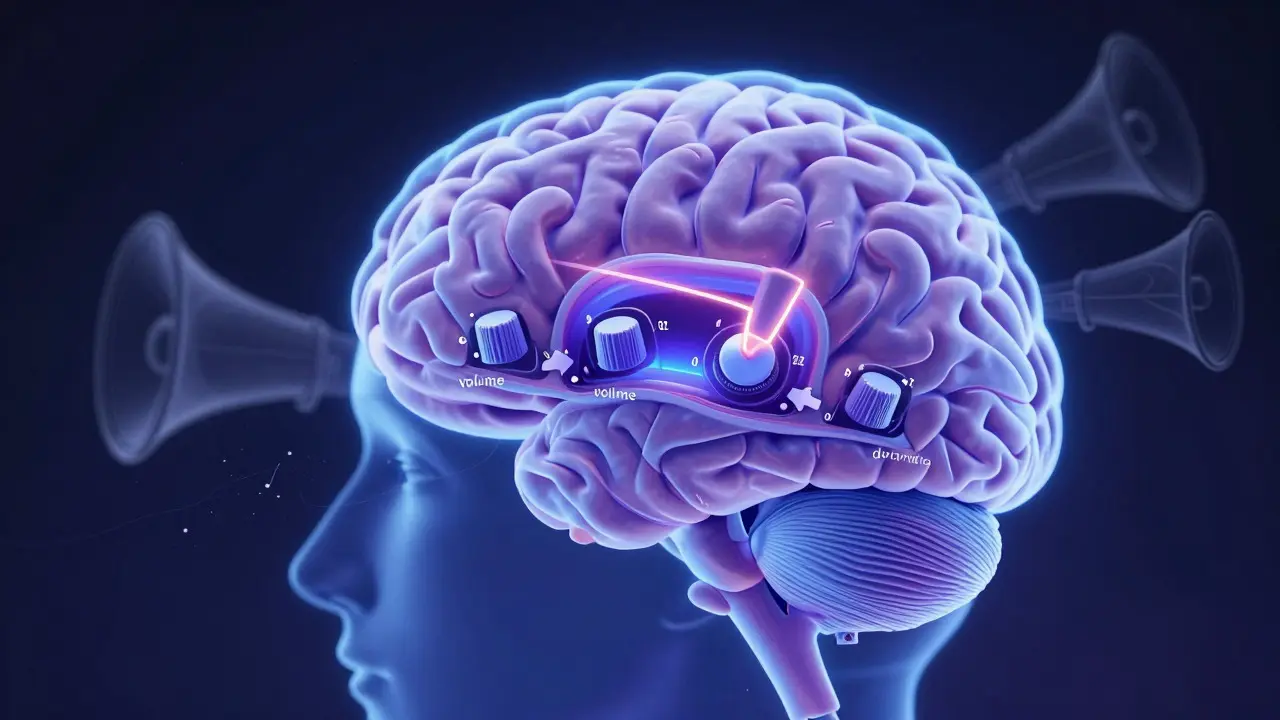
To understand the crash, you have to look at the hardware. Your brain contains billions of dopamine receptors, specifically D1 and D2 types, located in the striatum. Under normal conditions, these receptors are plentiful and sensitive. However, when you flood the system with excess dopamine-through substances like nicotine or alcohol, or behaviors like scrolling social media for hours-the brain tries to maintain homeostasis. It does this through a process called downregulation. Essentially, it turns off some of the volume knobs.
Imagine you are in a room where someone is shouting. You lean back to hear them better. If they keep shouting, you lean back further. Now, if they stop shouting, you are still leaning back, so you can't hear a whisper. That is exactly what happens to your dopamine receptors. They become desensitized. When the external stimulus stops, your baseline dopamine levels drop below what they were before you started. This deficit creates the physical sensation of withdrawal: fatigue, irritability, and a lack of joy in previously enjoyable activities.
Why Willpower Fails During Withdrawal
Many people blame themselves for lacking discipline during a withdrawal phase. But the issue is rarely moral; it is mechanical. The prefrontal cortex, the part of your brain responsible for decision-making and impulse control, relies on dopamine to function efficiently. When dopamine is dysregulated, the prefrontal cortex loses steam. Meanwhile, the limbic system, which drives cravings and emotional reactions, remains hyperactive.
This creates a mismatch. You *know* you should eat a salad, but your brain screams for a donut because the donut promises a higher dopamine spike than the salad. The "crash" feels unbearable because your brain is literally starving for stimulation. It is not that you are weak; it is that your internal thermostat is broken. Recognizing this shifts the focus from self-judgment to physiological management.
Signs of Chronic Dopamine Dysregulation
If you suspect your reward system is stuck in a loop, look for these specific behavioral and emotional markers. These are not just bad moods; they are indicators of neural adaptation.
- Anhedonia: A persistent inability to feel pleasure from hobbies, food, or social interactions that used to bring joy.
- Tolerance Buildup: Needing more intensity (more caffeine, faster games, spicier food) to achieve the same level of satisfaction.
- Short Attention Span: Difficulty focusing on tasks that require sustained effort without immediate feedback.
- Mood Swings: Rapid shifts between euphoria after a reward and deep depression immediately after it ends.
- Physical Fatigue: Unexplained tiredness that doesn't improve with sleep, often linked to energy depletion in the reward pathways.
Comparison: Natural vs. Artificial Stimulation
Not all dopamine hits are created equal. The source of the stimulation matters significantly for how severe the subsequent crash will be. Artificial stimulants tend to cause sharper spikes and deeper troughs compared to natural sources.
| Source Type | Examples | Dopamine Spike Intensity | Receptor Downregulation Risk | Duration of Effect |
|---|---|---|---|---|
| Natural Behavioral | Exercise, Social Connection, Learning | Moderate (5-20% increase) | Low | Sustained (hours to days) |
| Food-Based | Sugar, Processed Carbs | High (30-50% increase) | Moderate | Short (30 mins - 2 hours) |
| Digital/Stimulus | Social Media, Video Games | Variable (often intermittent) | Moderate-High | Short (minutes per session) |
| Substance-Based | Caffeine, Nicotine, Alcohol | Very High (100%+ increase) | High | Variable (hours to days) |
Note that "intermittent reinforcement" is key here. Variable rewards, like checking a phone notification, create stronger habit loops than fixed rewards because the brain never knows when the next hit is coming. This unpredictability keeps the dopamine system on high alert, making the crash harder to predict and manage.
Strategies to Reset Your Baseline
Recovering from dopamine dysregulation is about restoring receptor sensitivity. This process, known as upregulation, takes time but is entirely possible. Here is a practical framework to guide your recovery.
- Implement a Dopamine Detox Period: For 24-72 hours, reduce access to high-stimulation sources. This doesn't mean living in a cave; it means choosing low-dopamine activities. Walk outside, read a physical book, or cook a meal from scratch. The goal is to let your receptors recover their sensitivity.
- Prioritize Sleep Hygiene: Sleep is when your brain clears out metabolic waste and resets neurotransmitter balances. Aim for 7-9 hours of quality sleep. Poor sleep exacerbates dopamine instability, making cravings worse.
- Engage in Aerobic Exercise: Running, swimming, or cycling increases blood flow to the brain and naturally boosts dopamine production. Unlike artificial stimulants, exercise-derived dopamine supports long-term health and mood stability.
- Practice Mindfulness or Meditation: These practices train the prefrontal cortex to observe cravings without acting on them. Over time, this strengthens the neural pathways associated with self-regulation.
- Eat Whole Foods: Reduce processed sugars and refined carbs. Focus on protein, healthy fats, and fiber. Stable blood sugar levels prevent the rapid insulin spikes and crashes that mirror dopamine fluctuations.

The Role of Time and Patience
One common mistake is expecting immediate results. Neuroplasticity-the brain's ability to rewire itself-is slow. For mild dysregulation, you might notice improvements in mood and energy within two weeks. For chronic cases involving substance use or heavy digital addiction, full recovery can take several months. Be patient with yourself. The first few days are the hardest because your brain is fighting for its old patterns. Stick to the routine, and the fog will lift.
Frequently Asked Questions
How long does it take to fix dopamine dysregulation?
It varies based on severity. Mild lifestyle-related issues may show improvement in 2-4 weeks. More significant dysregulation, especially involving substances, can take 3-6 months. Consistency in healthy habits is the most critical factor in speeding up recovery.
Is a dopamine detox scientifically proven?
The term "dopamine detox" is colloquial, not a clinical diagnosis. However, the underlying principle of reducing overstimulation to allow receptor resensitization is supported by neuroscience research on neuroplasticity and reward system adaptation.
Can stress worsen dopamine levels?
Yes. Chronic stress elevates cortisol, which can interfere with dopamine signaling. High cortisol levels can reduce dopamine release in certain brain regions, contributing to feelings of apathy and fatigue. Managing stress is therefore a key component of regulating dopamine.
What foods help boost dopamine naturally?
Foods rich in tyrosine, an amino acid precursor to dopamine, are helpful. Examples include eggs, chicken, turkey, fish, dairy products, bananas, avocados, and nuts. Ensuring adequate protein intake supports steady dopamine production throughout the day.
Does coffee count as a dopamine disruptor?
Coffee blocks adenosine receptors, which indirectly affects dopamine activity. While moderate consumption is generally safe for most adults, excessive intake can lead to tolerance and increased anxiety, which may complicate mood regulation. Moderation is key.