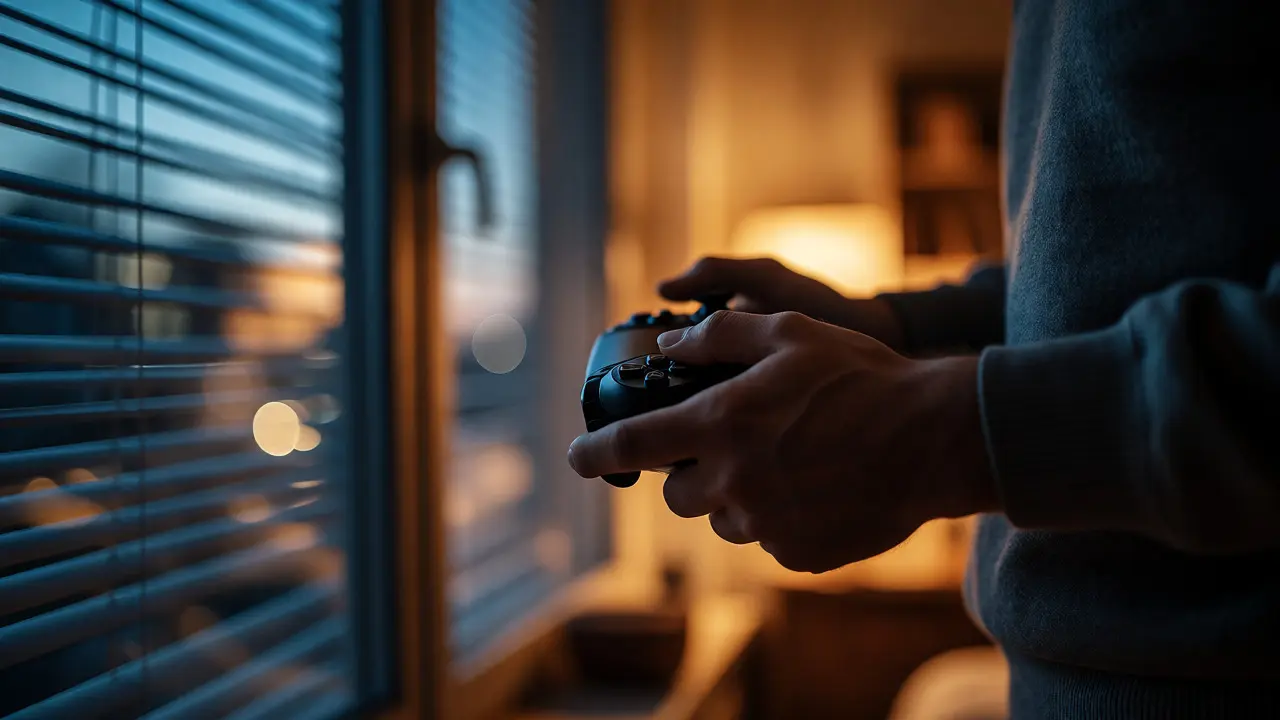
You come home exhausted. Your brain feels like scrambled eggs after eight hours of meetings and emails. You grab your controller or keyboard, not to escape reality, but to reclaim a piece of it. For years, gaming was labeled the enemy of productivity, a time-sink that ate away at our potential. But in 2026, that narrative is shifting. We are realizing that structured play isn't just a distraction; it's a critical component of sustainable work habits.
The problem isn't gaming itself. The problem is how we integrate it into lives that never truly switch off. If you're constantly checking Slack while playing Zelda, you aren't resting-you're multitasking poorly. True healthy gaming is about intentionality. It’s about using digital worlds to reset your cognitive state so you can return to the real world sharper, not duller.
Why Traditional Rest Fails Us
Think about how you usually unwind. Do you scroll through social media? Watch TV? These activities are passive. They numb your brain but don't engage it. Research from the University of Pennsylvania suggests that passive consumption often leads to lower well-being compared to active engagement. When you doom-scroll Instagram, you’re still processing information, often negative or anxiety-inducing content, without gaining any sense of accomplishment or flow.
Gaming offers something different: agency. In a game, you have control. You make decisions, solve problems, and see immediate results. This creates a psychological state known as "flow," where self-consciousness fades and you become fully immersed in the activity. Flow is restorative because it gives your prefrontal cortex-the part of your brain responsible for complex decision-making-a break from work-related stressors while keeping other neural pathways active.
| Activity Type | Cognitive Engagement | Stress Reduction Potential | Risk of Burnout |
|---|---|---|---|
| Social Media Scrolling | Low (Passive) | Low (Often increases anxiety) | High (Dopamine loops) |
| Watching TV | Very Low | Moderate (Short-term numbing) | Medium (Sedentary) |
| Healthy Gaming | High (Active/Flow State) | High (Psychological detachment) | Low (If time-bound) |
| Reading Fiction | Moderate-High | High | Low |
The Psychology of Detachment
For work-life balance to actually work, you need what psychologists call "psychological detachment." This means mentally disconnecting from work thoughts during non-work hours. It sounds simple, but if you spent all day worrying about a project deadline, sitting on the couch staring at the wall won't stop those thoughts. They will loop endlessly.
Games provide a strong enough cognitive load to block out work rumination. When you are trying to coordinate a raid in World of Warcraft or timing a jump in Hollow Knight, your brain cannot simultaneously process an email draft. The immersion forces detachment. A study published in the Journal of Applied Psychology found that employees who engaged in relaxing leisure activities with high mastery experiences reported higher next-day energy levels than those who did nothing.
This is why "doom scrolling" fails. It doesn't require enough focus to displace work thoughts. Gaming does. It demands your attention, effectively hitting the reset button on your stress response system.
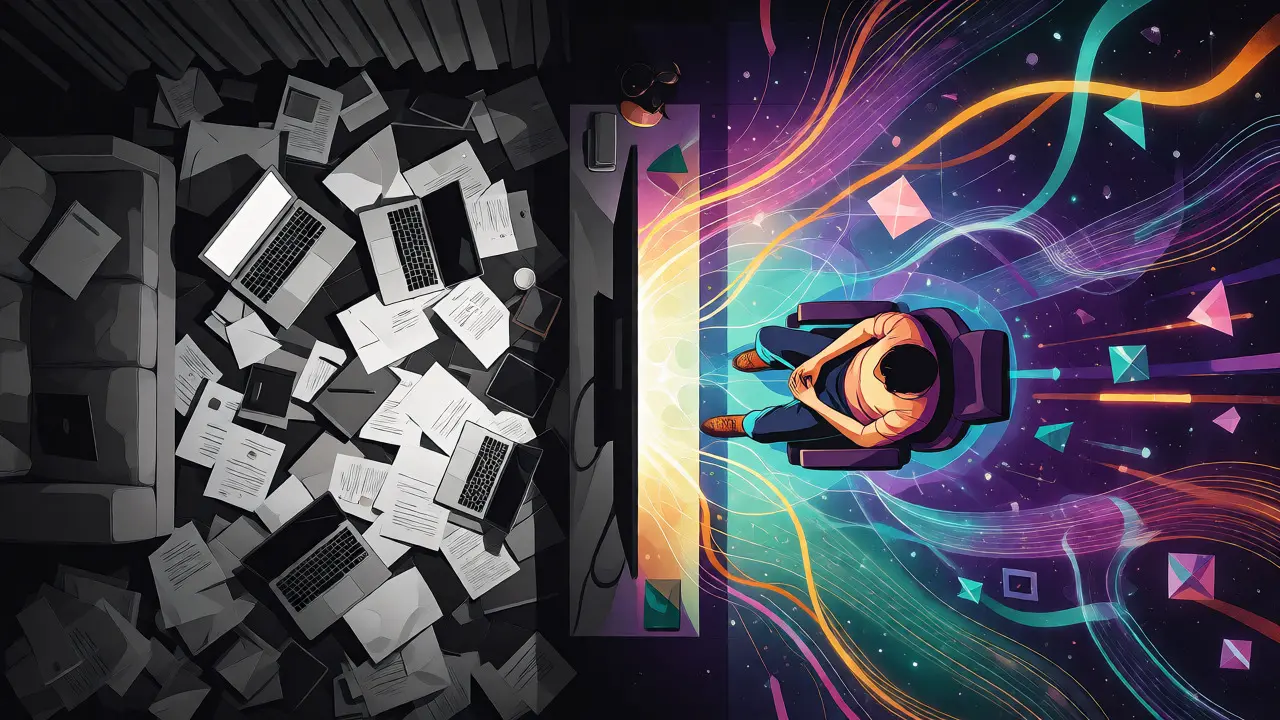
Choosing the Right Game for Your Brain
Not all games serve the same purpose. If you spend ten hours a day making high-stakes decisions at work, coming home to a strategy game that requires intense resource management might feel like more work. You need to match the game type to your recovery needs.
- For High-Stress Jobs: Choose low-stakes, repetitive tasks. Farming sims like Stardew Valley or cozy exploration games like A Short Hike allow your brain to idle in a pleasant way. There is no failure state, no timer, no pressure.
- For Monotonous Jobs: If your work is repetitive and boring, you need challenge. Fast-paced shooters like Overwatch 2 or puzzle games like Tetris Effect stimulate dopamine and keep your mind sharp. You crave engagement because your day lacked it.
- For Social Isolation: If you work remotely and miss human connection, multiplayer games offer structured social interaction. Games like Deep Rock Galactic force cooperation and communication, fulfilling social needs without the awkwardness of forced networking events.
The key is honesty. Ask yourself: What did I lack today? If you lacked autonomy, pick a sandbox game like Minecraft. If you lacked competence, pick a skill-based game where you can visibly improve. This targeted approach turns gaming from a habit into a therapeutic tool.
Setting Boundaries That Stick
Here is the trap: gaming is designed to be addictive. Developers use variable reward schedules-loot boxes, level-ups, unlockables-to keep you hooked. Without boundaries, "leisure" becomes another source of guilt. You stay up until 3 AM finishing "one more run," then drag yourself to work the next day.
To prevent this, treat gaming sessions like appointments. Set a timer. Not a vague "I'll stop when I'm done," but a hard alarm. Many gamers find success with the "Pomodoro technique" adapted for play: 45 minutes of gaming, followed by 15 minutes of stretching or making tea. This breaks the trance state before it consumes your evening.
Also, watch your posture. Sitting in a chair for eight hours at work and another three on the couch creates physical strain. Invest in ergonomic support. A good chair, proper monitor height, and regular movement breaks protect your spine. Physical comfort directly impacts mental relaxation. If your neck hurts, you aren't relaxed, no matter how fun the game is.

Community vs. Competition
There is a misconception that competitive gaming ruins relaxation. For some, yes. Losing ranked matches in League of Legends can spike cortisol levels higher than a bad meeting. If you find yourself raging or feeling drained after a session, you are likely in a performance mindset, not a leisure mindset.
Shift your goal from winning to experiencing. Play co-op campaigns instead of PvP arenas. Join casual Discord servers where the vibe is chill rather than toxic. The social aspect of gaming can be a powerful buffer against burnout. Laughing with friends over a funny bug in a game releases endorphins and oxytocin, hormones that counteract stress.
However, know your limits. If online interactions feel draining, stick to single-player narratives. Story-driven games like The Last of Us or Baldur's Gate 3 offer emotional depth and narrative satisfaction without the social battery drain. Both paths are valid. The metric for success is how you feel afterward, not how many trophies you earned.
Integrating Gaming into a Holistic Routine
Gaming shouldn't replace sleep, exercise, or face-to-face relationships. It should complement them. Think of it as one pillar of your wellness stack. Pair gaming with other healthy habits. Listen to a podcast while playing a simple puzzle game? Maybe. Better yet, stand up during loading screens. Use gaming time as a marker for transitions in your day.
Try this routine: After work, take a 10-minute walk outside to signal the end of the workday. Then, engage in 45-60 minutes of intentional gaming. Finally, close the console or PC and do something analog-cook dinner, read, or talk to family-for the last hour before bed. This prevents blue light exposure from disrupting your sleep cycle while still giving you that necessary mental decompression.
Remember, the goal isn't to optimize every minute of your life. Sometimes, gaming is just fun. And sometimes, having fun is the most productive thing you can do for your long-term career sustainability.
Is gaming really better for stress relief than watching TV?
It depends on the individual, but generally, gaming provides higher cognitive engagement which can lead to deeper psychological detachment from work stress. Passive TV watching often leaves room for ruminative thoughts, whereas active gaming occupies working memory more fully, blocking out worries more effectively.
How much gaming per day is considered healthy?
There is no universal number, but most experts suggest limiting recreational screen time to 1-2 hours on weekdays to ensure it doesn't interfere with sleep, exercise, or social obligations. On weekends, longer sessions are fine if balanced with physical activity and offline interactions.
What types of games are best for relaxation?
Games with low stakes, beautiful aesthetics, and soothing soundtracks are ideal. Examples include Stardew Valley, Animal Crossing, Journey, and Minecraft (Creative Mode). Avoid highly competitive multiplayer games if they cause frustration or anger.
Can gaming help with burnout?
Yes, by providing a sense of autonomy, competence, and relatedness (key drivers of motivation), gaming can restore feelings of control and achievement that may be missing in a stressful job. However, it must be used intentionally, not as an avoidance mechanism that delays addressing root causes of burnout.
Does gaming affect sleep quality?
Yes, especially if played right before bed. The blue light emitted by screens suppresses melatonin production, and the mental stimulation can increase arousal. To mitigate this, use night mode settings, wear blue-light-blocking glasses, or stop gaming at least one hour before sleep.