
Grab a coffee and look around any college campus or shared apartment complex right now. You’ll likely see someone wearing noise-canceling headphones, eyes fixed on a screen. It’s not just a hobby; it’s the default mode for how people aged 18 to 24 connect. The latest data shows that 86% of young adults in this demographic are active players of online games. That number isn’t just high; it’s dominant. It signals a complete shift in how this generation socializes, relaxes, and even finds community.
For years, we treated gaming as a niche interest reserved for teenagers or hardcore enthusiasts. But in 2026, that stereotype is dead. For young adults, playing online games is as normal as scrolling through social media feeds. It’s where they hang out after work, how they maintain long-distance friendships, and often their primary source of stress relief. Understanding this statistic requires looking past the pixels and seeing the human behavior behind the screens.
The Social Shift: From Solo Play to Digital Hangouts
Why did the number jump so high? It’s not because new games became more addictive. It’s because the *function* of gaming changed. In the early 2010s, many young adults played single-player stories alone. Today, the vast majority of playtime happens in multiplayer environments. Whether it’s a competitive match in Fortnite or a casual co-op session in Stardew Valley, the goal is connection.
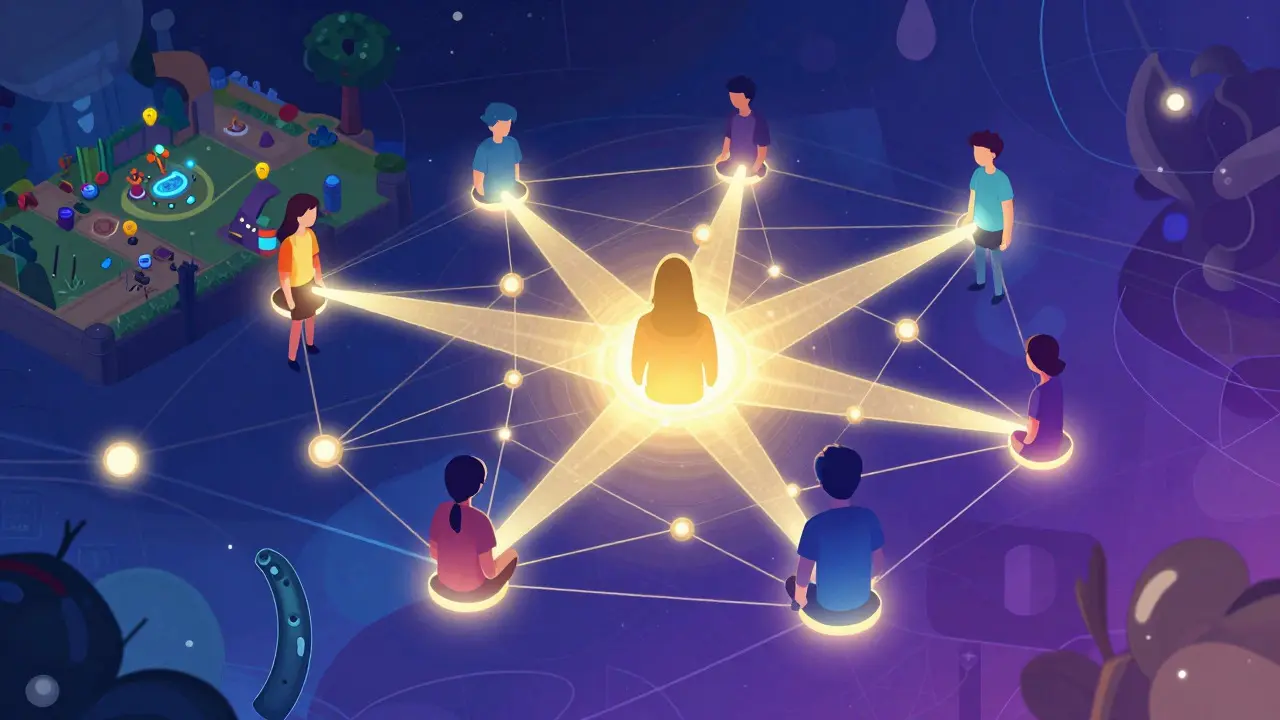
Think about it: meeting friends for dinner takes planning, travel time, and money. Jumping into a voice chat with your squad takes ten seconds. For an 18-to-24-year-old balancing entry-level jobs, student loans, or graduate school, low-friction socializing is essential. Online games provide a persistent space where you can be yourself without the pressure of face-to-face interaction. This “third place” (a sociological term for spaces outside home and work) has moved online.
- Low Barrier to Entry: No need to book a restaurant or drive across town.
- Synchronous Communication: Voice chat allows for real-time conversation alongside gameplay.
- Shared Focus: Having a game to play removes the awkwardness of silence during conversations.
Platform Diversity: Where Young Adults Actually Play
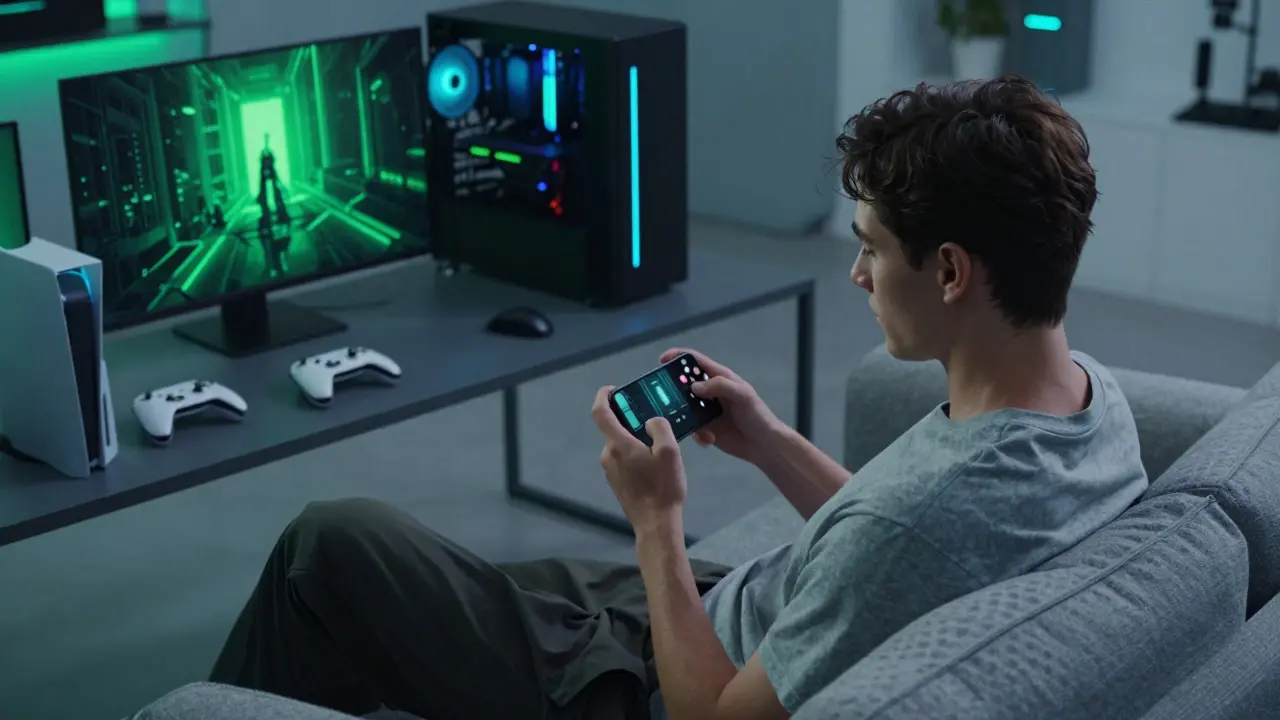
A common misconception is that young adults only play on personal computers. While PC gaming remains strong, the landscape has diversified significantly by 2026. Mobile devices account for nearly half of all playtime in this age group. This shift matters because it changes *when* and *how* people play.
| Platform | Usage Rate | Typical Session Length | Preferred Game Types |
|---|---|---|---|
| Mobile Devices | 72% | 15-30 minutes | Battle Royale, Puzzle, Casual Multiplayer |
| Personal Computer | 58% | 1-3 hours | MMORPGs, Strategy, Competitive Shooters |
| Consoles (PS5/Xbox) | 45% | 1-2 hours | Co-op Adventures, Sports, Fighting Games |
Note that these percentages overlap. Many young adults own a mobile phone, a laptop, and a console. They switch between them based on context. A quick match on mobile during a lunch break, followed by a longer session on PC after work, is a typical daily routine. This multi-platform behavior means that “gaming” is no longer tied to a specific piece of hardware but to the activity itself.
Genre Preferences: What Keeps Them Playing
If you want to understand the 86% figure, you have to look at what genres dominate the charts for this demographic. The days of exclusive strategy games or pure action titles are over. The top genres for ages 18-24 share one trait: they facilitate social interaction.
- Battle Royales and Live Service Games: Titles like Apex Legends or Call of Duty: Warzone offer constant content updates. Players stay engaged not just for the mechanics, but for the evolving meta and regular events that give them something to discuss with friends.
- Massively Multiplayer Online Role-Playing Games (MMORPGs):strong> Even though the peak of MMORPG popularity passed a decade ago, they remain a stronghold for deep community building. Games like World of Warcraft or newer entrants serve as digital towns where players form guilds, plan raids, and build long-term relationships.
- Casual Co-op and Party Games: These are the “low-stakes” options. Think Among Us or Overcooked. They’re perfect for groups who want to laugh together without the pressure of winning. These games often bridge the gap between gamers and non-gamers in a friend group.
The key takeaway here is retention. Young adults don’t just play one game for a week and move on. They stick with titles that offer ongoing social value. If a game stops feeling like a social hub, players migrate to another platform that does.
Economic Impact: Spending Habits of the 18-24 Demographic
You might assume that because this group is younger and potentially less financially stable, they spend less on gaming. The data tells a different story. While they may not buy $70 physical copies of games, they are heavy consumers of microtransactions, subscriptions, and digital cosmetics.
This spending behavior is driven by two factors:
- Digital Ownership Norms: Buying a game digitally is standard. Physical media is rare. This reduces friction and impulse buying barriers.
- Status Symbols: Skins, emotes, and battle passes act as status symbols within friend groups. Owning a rare skin in a popular game is similar to owning a limited-edition sneaker-it signals engagement and taste.
On average, a young adult in this bracket spends between $20 and $50 per month on gaming-related expenses. This includes monthly subscription fees for services like Xbox Game Pass or PlayStation Plus, plus occasional cosmetic purchases. It’s a predictable, recurring revenue stream that keeps developers invested in maintaining these platforms.
The Role of Streaming and Content Creation
Gaming doesn’t happen in a vacuum anymore. For many young adults, watching others play is part of the experience. Platforms like Twitch and YouTube Gaming have become cultural anchors. Young adults follow streamers not just for tips, but for personality and community.
This creates a feedback loop. A player sees a funny moment on a stream, shares it with friends, and then plays that specific map or character themselves. The line between player and viewer is blurring. Some young adults start streaming their own sessions, turning their hobby into a side hustle. This creator economy aspect adds another layer to why gaming is so prevalent-it’s not just consumption; it’s potential production.
Challenges and Misconceptions
Despite the high adoption rate, there are still hurdles. One major issue is accessibility. Not every young adult has a high-end PC or a fast internet connection. Rural areas, in particular, suffer from latency issues that make competitive online gaming frustrating. This digital divide means that while 86% play, the *quality* of that experience varies widely based on location and income.
Another misconception is that gaming isolates people. Research consistently shows the opposite. Gamers report higher levels of social satisfaction than non-gamers in the same age group. However, balance is key. When gaming becomes the *only* social outlet, it can lead to burnout. The healthiest approach is treating online gaming as one tool in a broader social toolkit, complementing rather than replacing in-person interactions.
What This Means for the Future
As we move further into the late 2020s, expect the boundaries of gaming to expand even more. Cloud gaming will reduce hardware requirements, making high-quality experiences accessible on budget phones. Virtual reality headsets, once bulky and expensive, are becoming sleeker and cheaper, offering immersive social spaces. The 86% figure is likely a floor, not a ceiling. As technology improves and social norms continue to evolve, gaming will remain the central nervous system of young adult culture.
So, if you’re designing a product, marketing a brand, or just trying to understand your peers, remember this: you’re not talking to “gamers.” You’re talking to a generation that uses games as their primary social infrastructure. Respect that, and you’ll understand why the numbers are so high.
Is 86% of young adults playing games accurate?
Yes, recent industry reports indicate that approximately 86% of individuals aged 18 to 24 engage in online gaming regularly. This includes playing on mobile, PC, or console platforms at least a few times per week.
Do young adults prefer mobile or PC gaming?
Mobile gaming has the highest reach, with about 72% usage among this demographic due to convenience. However, PC gaming remains very popular (58%) for longer, more immersive sessions. Most young adults use both.
Why do young adults spend money on games?
Spending is driven by subscriptions (like Game Pass) and cosmetic items (skins). These purchases are seen as social investments, allowing players to customize their avatars and signal status within friend groups.
Does gaming isolate young adults socially?
Generally, no. Online gaming is primarily a social activity for this age group. It provides a low-pressure environment for maintaining friendships and meeting new people, often leading to higher reported social satisfaction than non-gamers.
What are the most popular game genres for ages 18-24?
The top genres include Battle Royales, MMORPGs, and Casual Co-op games. These genres are favored because they support multiplayer interaction and ongoing community engagement.