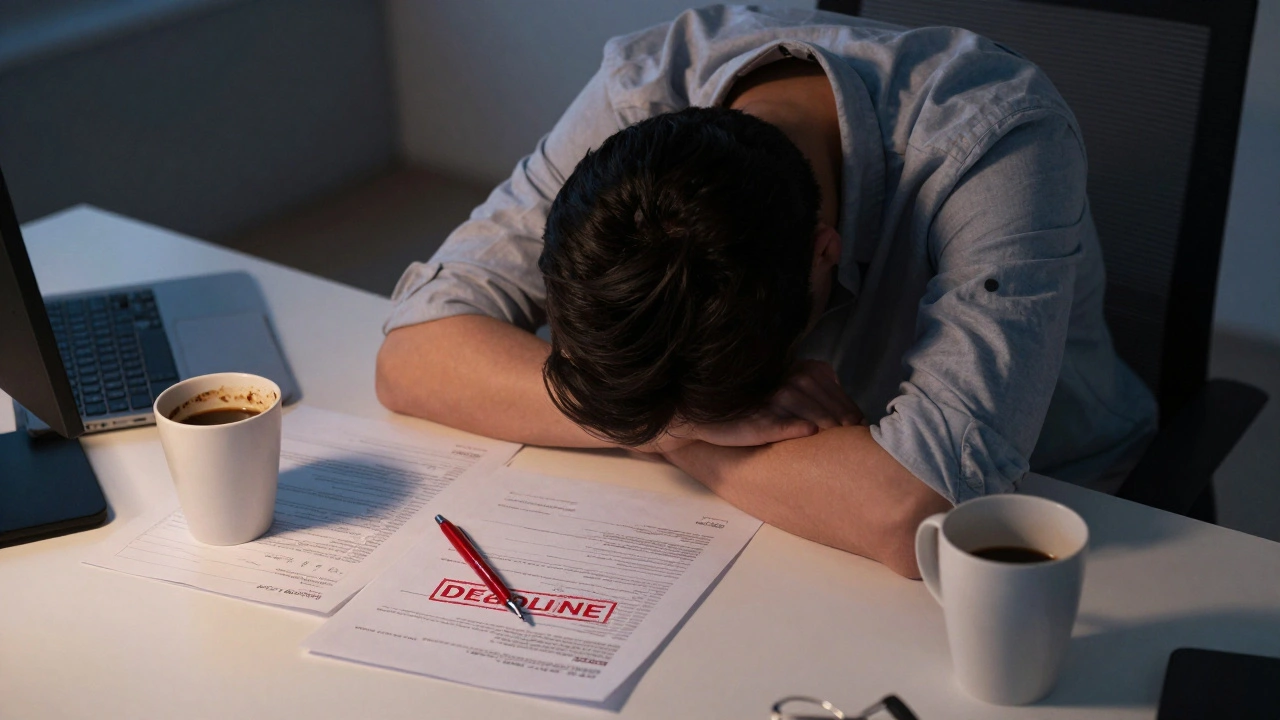
When someone starts slipping at work or school, it’s easy to blame laziness, stress, or bad time management. But sometimes, the real cause is hidden in plain sight: addiction. Not always the dramatic kind you see in movies-no needles, no public breakdowns. More often, it’s quiet. A person who used to turn in projects on time now misses deadlines. Someone who once aced exams now stares at blank pages. Colleagues notice they’re always tired, distracted, or oddly distant. These aren’t just bad days. They’re signs of functional impairment.
What Functional Impairment Really Means
Functional impairment isn’t a medical term you hear often, but it’s one of the clearest indicators of addiction. It means a person can no longer do the things they used to do-without obvious physical collapse. You’re still showing up. You’re still talking. But the quality of your output drops. Your focus fades. Motivation evaporates. Your brain isn’t working the way it used to.Studies from the National Institute on Drug Abuse show that over 60% of adults with substance use disorders report noticeable declines in job or school performance before seeking help. That’s not coincidence. It’s biology. Addictive substances-whether alcohol, opioids, prescription pills, or even compulsive behaviors like gaming or social media-rewire the brain’s reward system. The prefrontal cortex, which handles planning, decision-making, and impulse control, gets dulled. Meanwhile, the craving center lights up like a neon sign.
How It Shows Up at Work
At work, functional impairment looks different for everyone, but common patterns emerge:- Missing deadlines you used to crush
- Needing more time to finish simple tasks
- Increased errors, even in routine work
- Avoiding meetings or phone calls
- Appearing disengaged, zoning out during conversations
- Using break time to hide or use substances
- Unexplained absences or late arrivals
Managers often mistake this for poor attitude. HR might label it as "lack of professionalism." But if this pattern lasts more than a few weeks-and if the person used to be reliable-it’s not about work ethic. It’s about brain chemistry.
How It Shows Up in School
In academic settings, the signs are just as clear, just as misunderstood.- Failing classes you once aced
- Turning in half-finished assignments
- Forgetting exams or skipping class without reason
- Declining participation in group projects
- Changes in personal hygiene or appearance
- Withdrawal from friends or study groups
- Using caffeine or stimulants to "catch up"
Students are often told to "try harder." Parents assume they’re just going through a phase. But when grades drop across multiple subjects, and effort doesn’t bring improvement, something deeper is happening. The brain’s ability to retain information, organize thoughts, and sustain attention is being compromised. This isn’t laziness. It’s neurological disruption.

The Hidden Pattern: The Cycle of Shame
One of the most dangerous parts of functional impairment is the cycle it creates. You perform worse. You feel ashamed. You use more to numb the guilt. You perform even worse. The shame grows. The use grows. The decline accelerates.Someone who used to be top of their class starts skipping lectures because they’re too embarrassed to face their professors. A once-reliable employee begins calling in sick to recover from weekend drinking. They don’t tell anyone. They think they’re hiding it. But the pattern is visible to anyone who’s paying attention.
And here’s the truth: most people don’t realize they’re in this cycle until they hit rock bottom. That’s why early recognition matters. You don’t need to lose your job or flunk out to need help. If your performance has dropped and you can’t explain why, that’s a red flag.
What’s Being Used? It’s Not Just Drugs
When we think of addiction, we picture alcohol, cocaine, or heroin. But functional impairment can come from many sources:- Alcohol: Even moderate daily use impairs memory, reaction time, and decision-making. It’s the most common cause of workplace performance decline.
- Prescription opioids and sedatives: Used for pain or anxiety, these can lead to dependency. Users often don’t see it as addiction because it’s prescribed.
- Cannabis: Long-term use, especially daily, reduces motivation, attention span, and cognitive flexibility. Studies show users have slower processing speeds and poorer recall.
- Stimulants (prescription or illicit): People use Adderall or meth to "get ahead," but the crash leaves them exhausted, irritable, and unable to focus.
- Compulsive behaviors: Gaming, social media, gambling, and pornography can also hijack the brain’s reward system. The result? Same drop in performance. Same inability to concentrate.
It doesn’t matter what the substance or behavior is. What matters is the pattern: declining output, increasing secrecy, and a growing reliance on the thing to feel normal.
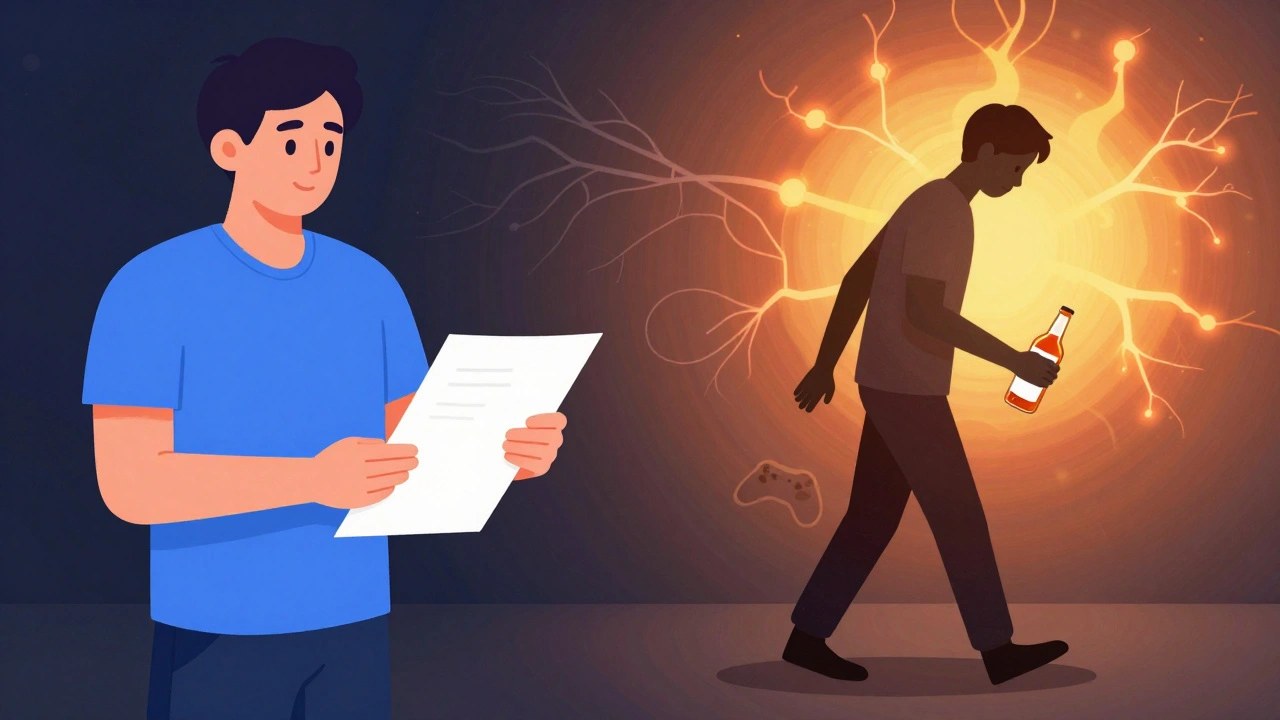
How to Recognize It in Yourself
If you’re wondering whether this is happening to you, ask:- Have I lost interest in things I used to enjoy?
- Do I need more of the substance or behavior to get the same effect?
- Am I hiding my use from people who care?
- Do I feel guilty or ashamed after using?
- Have I tried to cut back and failed?
- Is my performance slipping despite my efforts to improve?
If you answer yes to three or more, you’re likely experiencing functional impairment. It’s not a moral failure. It’s a neurological signal.
What to Do Next
The good news? Functional impairment is reversible. The brain can heal. But only if the behavior stops.Start with honesty. Talk to someone you trust-a friend, a counselor, a doctor. Don’t wait for a crisis. You don’t need to hit rock bottom to get help. In fact, the earlier you act, the faster you recover.
Professional support isn’t about punishment. It’s about restoration. Therapy, medication-assisted treatment, support groups-all of these help rewire the brain back to normal function. Many people return to full productivity within months. Not because they "got strong," but because they got help.
If you’re a manager or professor, don’t assume laziness. Ask: "Is everything okay?" Offer resources. Create space for honesty. You might be the reason someone gets help before they lose everything.
Recovery Isn’t About Quitting-It’s About Rebuilding
Addiction doesn’t just steal your performance. It steals your sense of self. Recovery isn’t about stopping a habit. It’s about rediscovering who you were before the habit took over.People who recover often say the same thing: "I didn’t realize how much I’d lost until I started getting it back." Sleep. Focus. Motivation. Pride in work. Connection with others. These aren’t luxuries. They’re basic human functions-and they can come back.
Functional impairment is a warning, not a sentence. Recognizing it is the first step-not the end, but the beginning.