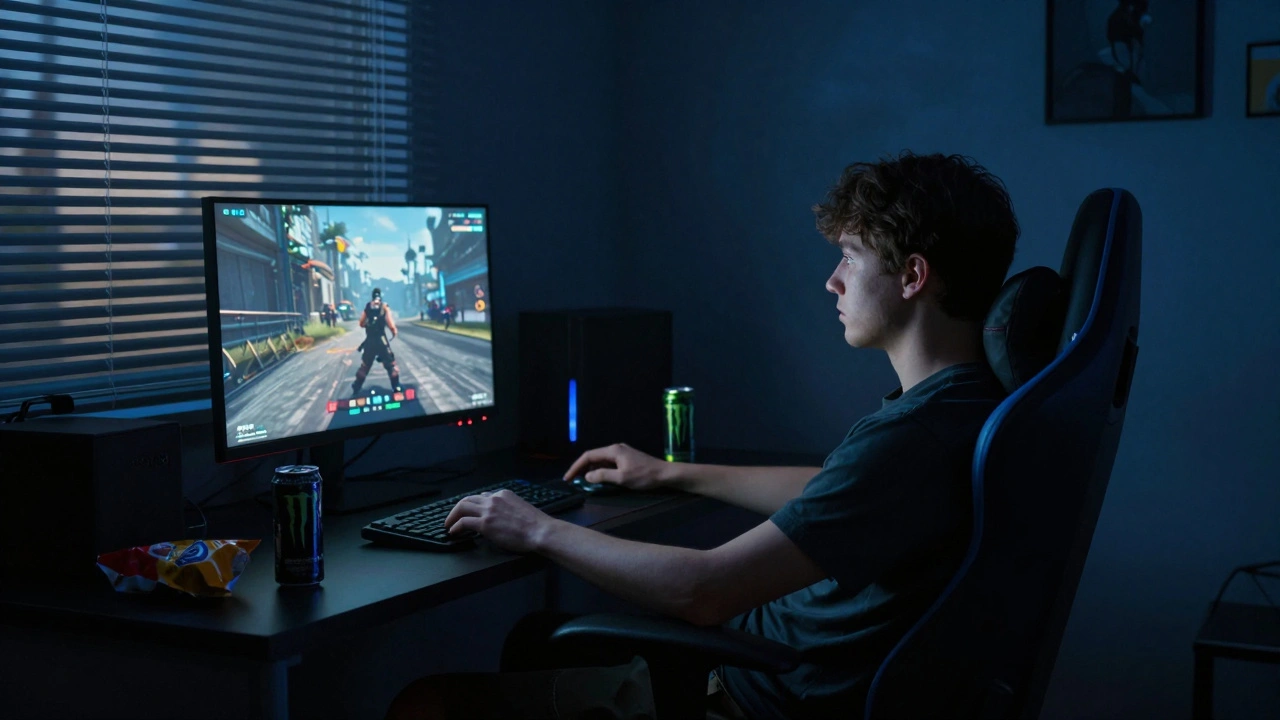
Young people who spend hours every day glued to screens aren’t just at risk for eye strain or poor posture-they’re also quietly weakening their bones. It’s not just about sitting too long. It’s about what’s missing: sunlight, movement, and the kind of physical stress that tells your body to build stronger bones. This isn’t a future problem. It’s happening right now, in bedrooms across the country, where teens and young adults play video games for 6, 8, even 12 hours a day-and rarely step outside.
Why Bones Need More Than Just Calcium
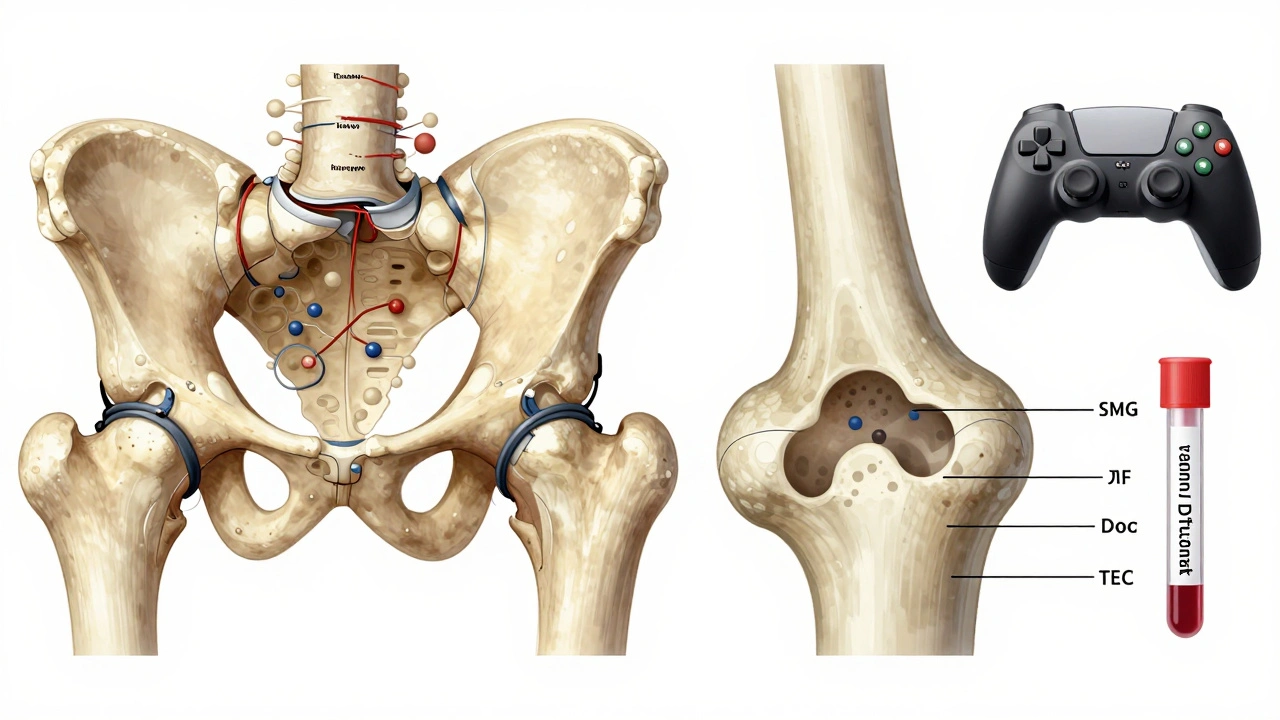
Most people think bone health is all about milk, supplements, or calcium pills. But that’s only half the story. Bones aren’t static structures. They’re living tissue that responds to force. When you jump, run, lift weights, or even just walk briskly, your bones feel that pressure. In response, your body sends cells to reinforce them. This process is called bone remodeling, and it’s how your skeleton gets stronger over time.
But if you’re sitting still for hours, your bones aren’t getting that signal. A 2023 study from the University of Oregon tracked 427 college gamers aged 18-24 and found that those who played over 5 hours daily had 14% lower bone mineral density in their hips and spine compared to peers who were active for at least 30 minutes a day. That’s not a small difference. It’s the kind of gap that puts someone at higher risk for fractures later in life-even before they turn 30.
The Vitamin D Gap
Many young gamers don’t just sit still-they also avoid sunlight. And that’s a double problem. Sunlight is your body’s main source of vitamin D, which helps your gut absorb calcium and keeps your bones from breaking down too fast. Without enough vitamin D, even a high-calcium diet won’t help.
Testing done by Portland clinics in late 2025 showed that 68% of young gamers under 25 had vitamin D levels below 30 ng/mL-the threshold experts consider insufficient. The recommended level is 40-60 ng/mL. Some had levels as low as 12 ng/mL. That’s not just low. That’s clinically deficient. And it’s not because they’re vegan or lactose intolerant. It’s because they never leave the house.
What Games Don’t Tell You
Game developers don’t warn you about bone loss. They don’t have to. But the design of modern games makes it easy to stay seated for hours. Endless quests, loot drops, daily challenges, and competitive leaderboards are engineered to keep you playing. One gamer in Seattle, 21, told researchers he played 10 hours straight during a weekend tournament. He didn’t get up to eat, stretch, or use the bathroom. He didn’t realize his legs were numb until he tried to stand-and collapsed.
That’s not an exaggeration. It’s a real case. And it’s not rare. A 2024 survey of 1,200 U.S. gamers aged 16-24 found that 37% reported numbness, tingling, or pain in their legs after long sessions. Nearly 1 in 5 said they’d lost balance or stumbled while walking after sitting for more than 4 hours.
Who’s Most at Risk?
Not all gamers are equally affected. The biggest risks are for:
- Those who play 6+ hours daily, 5+ days a week
- Those who never go outside during daylight hours
- Those who skip meals or rely on energy drinks and junk food
- Those with low muscle mass or poor core strength
Girls and young women are especially vulnerable. Hormonal changes during puberty affect bone growth, and low body fat from poor diet can shut down estrogen production-the hormone that protects bones. A 2025 study in the Journal of Adolescent Health found that female gamers who played over 7 hours daily had 22% higher risk of low bone density than their active peers, even when eating the same diet.
It’s Not Too Late to Fix
Here’s the good news: bone tissue regenerates. Even after years of sitting, your body can rebuild strength-if you give it the right signals.
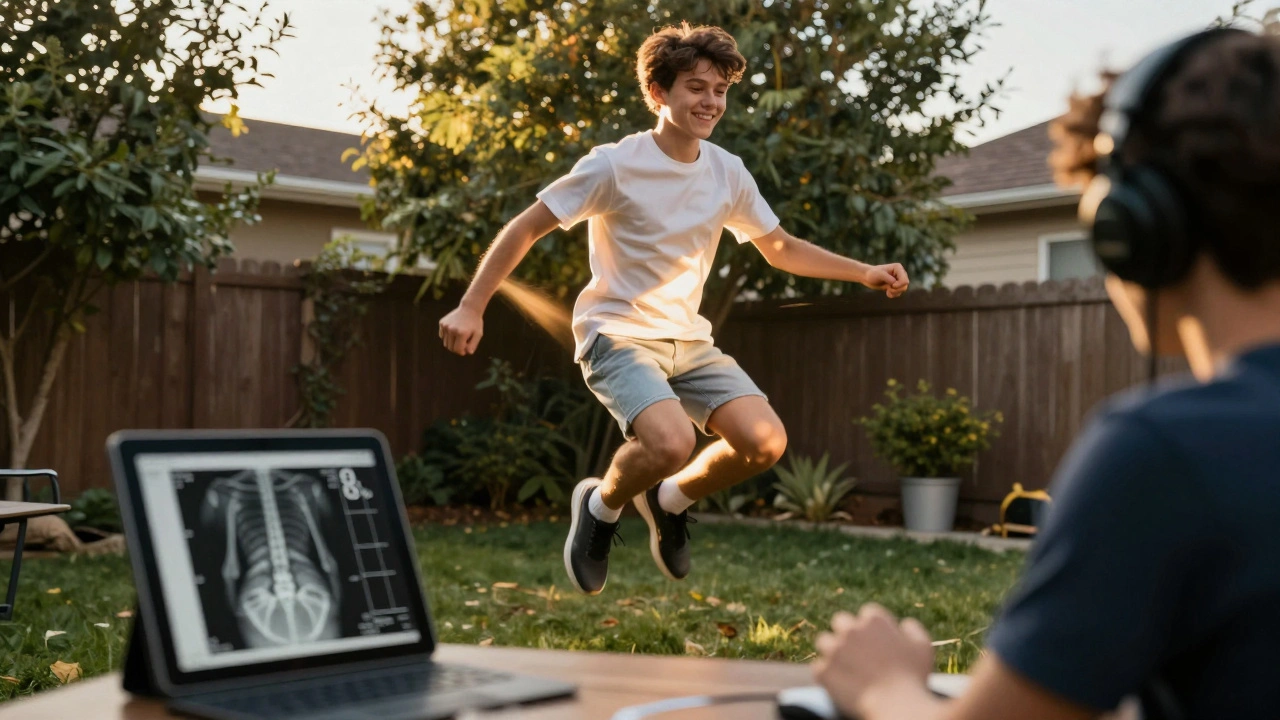
Just 20 minutes of weight-bearing activity three times a week can make a measurable difference. That means:
- Walking briskly outside (not on a treadmill in your room)
- Jumping rope
- Doing bodyweight squats or lunges
- Playing a sport-even casual basketball or volleyball
And don’t forget sunlight. Ten to 15 minutes of direct sun on your arms and legs, without sunscreen, around midday, can boost vitamin D levels fast. You don’t need to tan. You just need to be outside.
One 19-year-old gamer from Eugene, Oregon, started doing 15 minutes of squats and jumping jacks before each gaming session. After 3 months, his bone density scan improved by 8%. He didn’t stop gaming. He just added movement. His doctor said he’d avoided a decade of bone loss.
What to Do Right Now
If you or someone you know spends a lot of time gaming, here’s a simple checklist:
- Get outside for at least 10 minutes of sunlight every day-no sunglasses, no sunscreen
- Stand up and move for 5 minutes every hour-walk, stretch, do 10 squats
- Swap one energy drink for a glass of milk or fortified orange juice
- Try a game that requires movement-Dance Dance Revolution, Just Dance, or even VR fitness games
- Get a blood test for vitamin D if you’ve been indoors for months
You don’t have to quit gaming. But if you want to keep your bones strong into your 30s, 40s, and beyond, you need to move. Your skeleton doesn’t care how many kills you got. It only cares if you stood up and used it.
Can gaming cause permanent bone damage in young people?
Permanent damage isn’t common, but long-term inactivity can lead to significantly lower bone density that increases fracture risk later. The good news is that bone tissue can recover with consistent movement and sunlight exposure-even after years of sitting.
Do I need to stop gaming to protect my bones?
No. You don’t need to quit. You just need to add movement. Standing up every hour, doing a few squats, or walking outside for 10 minutes can offset the risks. Gaming doesn’t have to be a sedentary habit.
Is taking calcium supplements enough to protect my bones?
No. Calcium without movement and vitamin D won’t help much. Your body needs physical stress on bones to know where to deposit calcium. Supplements without activity are like putting fuel in a car that never turns on the engine.
What’s the best type of exercise for bone health?
Weight-bearing and impact activities are best. Walking, running, jumping, dancing, and resistance training (like squats or push-ups) send the strongest signals to your bones. Swimming and cycling help your heart but don’t build bone density the same way.
How long does it take to see improvements in bone density?
You can start seeing measurable changes in as little as 3-6 months with consistent activity and sunlight. Bone remodeling is slow, but it’s real. The key is consistency-not intensity.