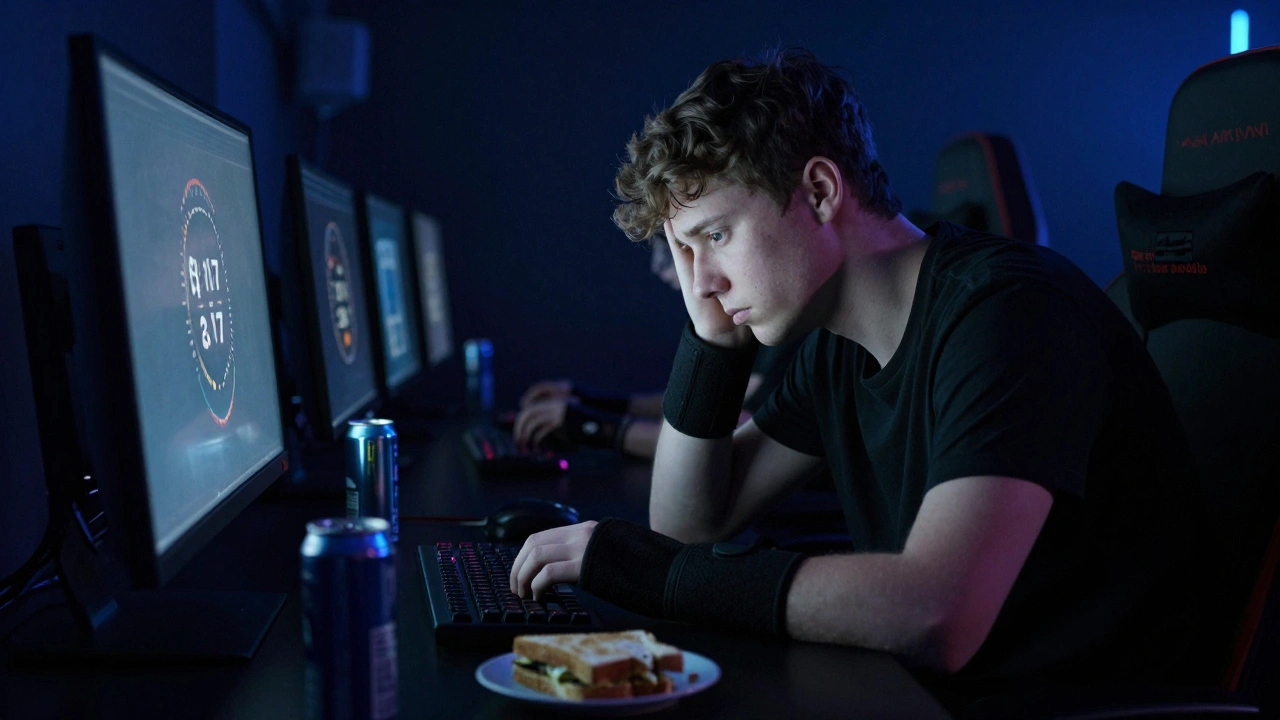
Professional gamers train like Olympians. They wake up at 6 a.m., practice for 12 hours, eat meals on the go, and sleep in gaming chairs. Their careers are built on split-second reactions, flawless teamwork, and mental endurance. But behind the trophies and sponsorships, a quiet crisis is growing: professional gaming addiction.
What Makes Esports Different From Casual Gaming
Most people play video games to relax. Esports pros play to survive. In games like League of Legends a multiplayer online battle arena game developed by Riot Games, first released in 2009, Counter-Strike 2 a first-person shooter developed by Valve, known for its high-skill competitive scene, or Valorant a tactical shooter by Riot Games that blends precise gunplay with character abilities, performance is measured in milliseconds. A single mistake can cost a match, a contract, or a team’s season.
Unlike casual players who might log off after a loss, pros are locked into cycles of repetition. They replay the same 30-second clips hundreds of times. They analyze opponents’ habits down to button timing. Their lives become routines built around performance metrics, not enjoyment.
The Physical Toll of 12-Hour Days
Esports athletes don’t just have sore fingers-they have chronic injuries. A 2023 study by the International Esports Federation the global governing body for competitive gaming, established in 2016 found that 68% of pro players under 25 suffer from repetitive strain injuries. Carpal tunnel, tendonitis, and neck pain aren’t rare. They’re standard.
Many don’t realize they’re injured until they can’t grip a mouse. Some players wear wrist braces during tournaments. Others get cortisone shots before major events. One former Dota 2 a multiplayer online battle arena game developed by Valve, known for its massive prize pools and complex strategy pro told an interviewer he couldn’t sleep because his forearm muscles were spasming from overuse. He quit at 21.
Mental Health in the Spotlight
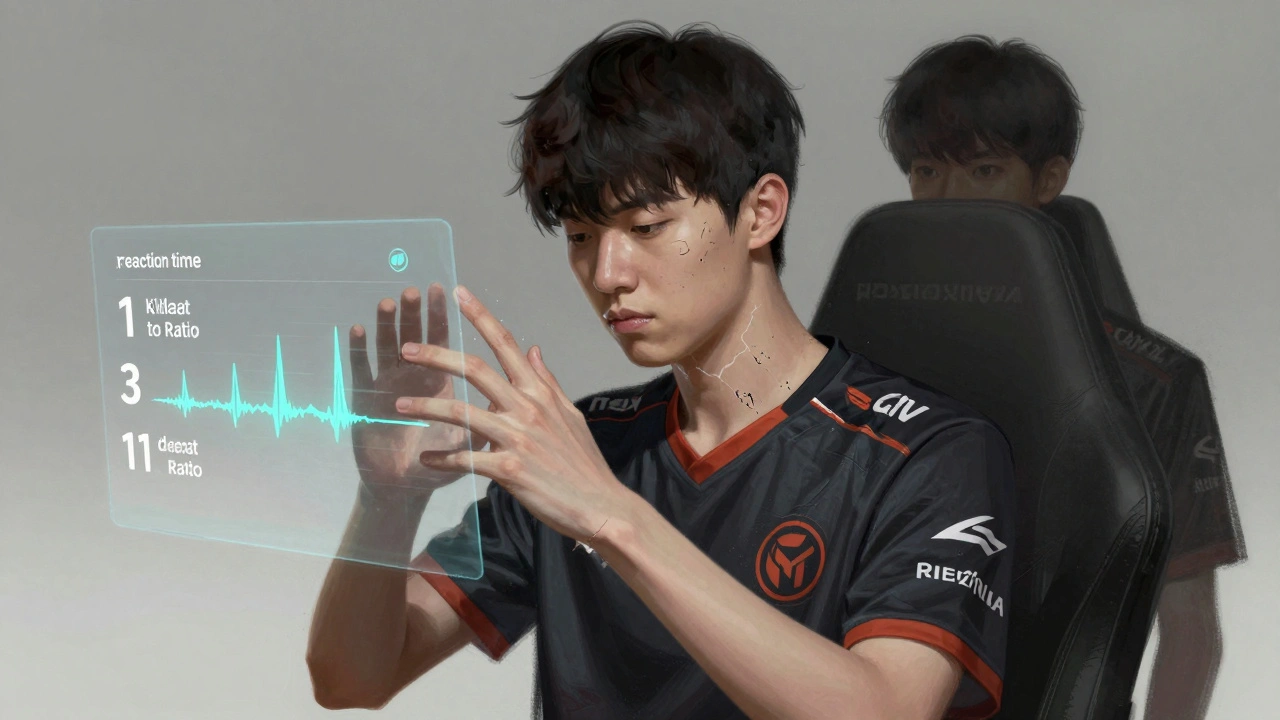
The pressure to perform is relentless. Teams live in training houses. Coaches monitor sleep, heart rate, and reaction times. Players are replaced if their stats drop 2% for two weeks straight. There’s no room for burnout-only consequences.
According to data from the Esports Health Initiative a nonprofit research group founded in 2021 to study mental and physical health in competitive gaming, 41% of pro gamers report symptoms of clinical anxiety. One in three has been diagnosed with depression. Suicide rates among retired players under 25 are 3.2 times higher than the general population, according to a 2025 analysis by the Global Gaming Mental Health Network a coalition of psychologists and former players tracking post-career outcomes.
Why? Because their identity is tied to performance. When they lose, they don’t just lose a match-they lose who they are.
The Addiction Cycle: Dopamine, Discipline, and Desperation
Professional gaming addiction isn’t about playing too much. It’s about needing to play to feel whole.
The brain of a pro gamer becomes wired for constant reward. Every kill, every clutch play, every win triggers dopamine. Over time, the brain needs more to feel the same rush. That’s when practice stops being training and starts being compulsion.
Players describe it like this: "I don’t want to play. But if I don’t, I feel empty. Like I’m failing myself." Some skip meals. Others cancel family events. Many hide their exhaustion because admitting fatigue feels like weakness.
Unlike gambling or substance addiction, gaming addiction in esports is often normalized. Teams encourage it. Sponsors celebrate it. Fans call it "grind culture." But addiction doesn’t care about admiration. It only cares about control.
Who’s Responsible?
Is it the players? The teams? The game developers?
Companies like Riot Games the developer of League of Legends and Valorant, known for its professional esports leagues and Valve the developer of Counter-Strike 2 and Dota 2, known for its tournament structures profit from endless competition. Their business models rely on viewership, merch, and tournament fees. More hours played = more revenue.
Teams, desperate to win, push players beyond limits. Some sign contracts with no health clauses. Others require 14-hour training days with no mandatory rest.
And players? They’re often teenagers when they start. Many come from unstable homes. Esports offers them purpose, income, and recognition. They don’t see the risk. They see the dream.
What’s Changing?
Slowly, things are shifting.
In 2024, the League of Legends Esports the official competitive circuit for League of Legends, operated by Riot Games introduced mandatory mental health days. Players now get three paid days off per month with no questions asked. Teams are required to hire licensed therapists.
Some organizations, like Team Liquid a top-tier esports organization founded in 2000, known for its player-first policies, now limit training to 10 hours a day. They enforce sleep tracking and nutrition plans. Their win rate hasn’t dropped. Their player retention has doubled.
Even game designers are listening. Valorant a tactical shooter by Riot Games that blends precise gunplay with character abilities added a daily playtime warning in 2025. If you hit 6 hours, the game pauses and asks: "Are you taking care of yourself?" It’s small. But it’s a start.
It’s Not About Quitting Gaming. It’s About Respecting Humanity
The goal isn’t to stop esports. It’s to stop treating players like machines.
Professional gaming is a legitimate sport. But sports have rules. They have limits. They have recovery. They have respect for the body and mind.
Esports can be sustainable. But only if we stop glorifying exhaustion. Only if we stop calling burnout "dedication." Only if we start asking: "Are you okay?" before asking "Did you win?"
Can professional gamers really be addicted to gaming?
Yes. Professional gaming addiction is recognized by the World Health Organization as a behavioral addiction under "Gaming Disorder." It’s not about playing too much-it’s about losing control over gaming despite negative consequences like physical injury, social isolation, or declining performance. Pro gamers often meet the diagnostic criteria: preoccupation with gaming, withdrawal symptoms when not playing, and continued play despite harm.
What are the signs of gaming addiction in esports players?
Signs include skipping meals or sleep to practice, ignoring family or medical appointments, feeling anxious or irritable when unable to play, losing interest in non-gaming activities, and continuing to play despite physical pain or declining performance. Many also hide their symptoms out of shame or fear of being replaced.
Are there any professional esports leagues with health protections?
Yes. The League of Legends Esports league introduced mandatory mental health days in 2024. Team Liquid and other top organizations now cap training at 10 hours per day and require sleep and nutrition monitoring. These changes have led to lower injury rates and higher player retention without hurting competitive results.
How does gaming addiction differ from regular gaming habits?
Regular gaming is a hobby. Gaming addiction is when gaming controls your life. For pros, it’s not about fun-it’s about survival. They play because they feel worthless without it. Their identity, income, and social circle are tied to performance. That’s what makes it dangerous: the line between discipline and compulsion disappears.
What role do game companies play in this crisis?
Game companies profit from endless playtime. More hours = more viewers, more ad revenue, more tournament sales. While companies like Riot Games and Valve have started adding warnings and health policies, their core business model still depends on players playing as much as possible. Until that changes, the pressure on players will remain.
What Comes Next?
The future of esports won’t be decided by who wins the next championship. It’ll be decided by who protects the players.
Right now, the system is broken. But it’s not beyond repair. Players are speaking up. Teams are listening. Developers are testing changes. The next generation of pros won’t have to choose between their health and their dream. They’ll have both-if we make sure they can.