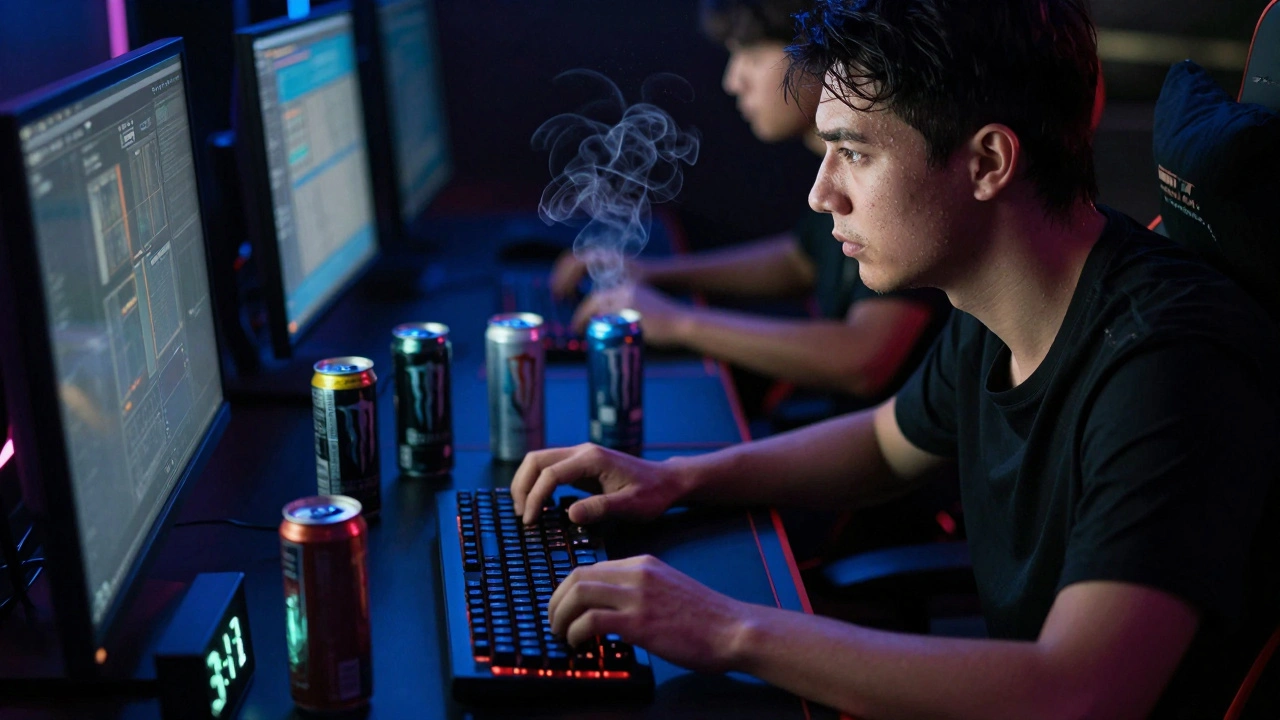
Every weekend, thousands of competitive gamers sit down with a tall can of energy drink, crack it open, and chug it like it’s water. They’re not just thirsty. They’re chasing focus, endurance, and that wired-up feeling that makes them feel like they can play for 12 hours straight. But what happens when that drink becomes a necessity - not a choice?
How Energy Drinks Became Part of the Gaming Routine
Energy drinks aren’t new. But in competitive gaming, they’ve gone from occasional fuel to daily medicine. Pro players, streamers, and serious rankers rely on them to stay sharp during long practice sessions, tournaments, and back-to-back matches. The caffeine, sugar, and stimulants like taurine and guarana promise a quick boost - and for a while, it works.
But the pattern doesn’t stop at one can. Many gamers go through three, four, even five cans a day. It’s not unusual to see a player’s stream setup include a six-pack on the desk, next to their keyboard and mouse. Why? Because skipping it means feeling sluggish, unfocused, or worse - irritable and unable to react fast enough.
The Body’s Warning Signs
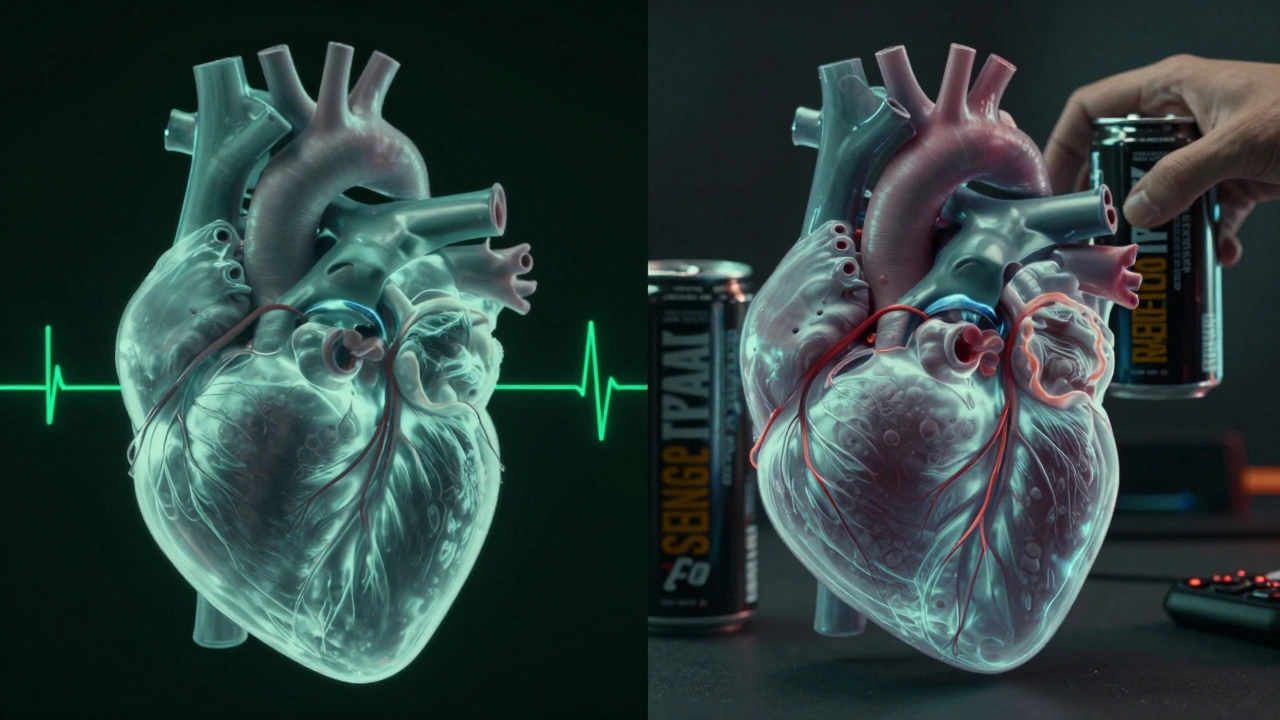
Your heart doesn’t like being pumped full of 200 milligrams of caffeine every few hours. A 2024 study from the University of Oregon tracked 1,200 competitive gamers over six months. Nearly 68% reported heart palpitations during or right after gaming sessions. Over 42% said they had trouble sleeping even when they stopped drinking after 6 p.m.
Dehydration is another silent killer. Energy drinks are diuretics. That means they make you pee more. But most gamers don’t drink water to replace what they lose. One pro player from Seattle admitted he went 14 hours without water during a tournament - and passed out in the lobby afterward. He woke up in the ER with low potassium and a heart rate of 148 beats per minute.
Sleep deprivation piles on top of this. The body needs deep REM sleep to recover. Without it, reaction time drops, decision-making slows, and hand-eye coordination suffers. Ironically, the very thing gamers use to stay awake is wrecking their ability to perform.
Dependence Isn’t Just Psychological
It’s easy to think, "I’m just used to it." But dependence is physical. When someone who drinks three energy drinks a day skips one, they don’t just feel tired. They get headaches, nausea, brain fog, and anxiety. Some even tremble. These are classic withdrawal symptoms - the same as someone quitting caffeine cold turkey.
Research from Johns Hopkins in 2025 found that regular consumers of energy drinks (more than two cans daily) showed measurable changes in brain activity. Their prefrontal cortex - the part that controls focus and impulse control - became less responsive over time. In simpler terms: their brains got lazy. They needed more sugar and caffeine just to feel normal.
What Happens When You Try to Quit
A 2025 survey of 800 competitive gamers who tried cutting out energy drinks found that 73% failed within three days. The biggest reason? They couldn’t focus. Their aim felt off. Their reflexes slowed. Their teammates noticed. They felt like they were playing with one hand tied behind their back.
One player from Portland, who goes by "Nyx," tried going cold turkey after a hospital visit. He swapped energy drinks for green tea and water. The first week was brutal. Headaches. Mood swings. He missed his main tournament. But by week four, his sleep improved. His resting heart rate dropped from 92 to 71. His aim accuracy went up 18%.
He didn’t become a champion. But he stopped feeling sick after every match.
Alternatives That Actually Work
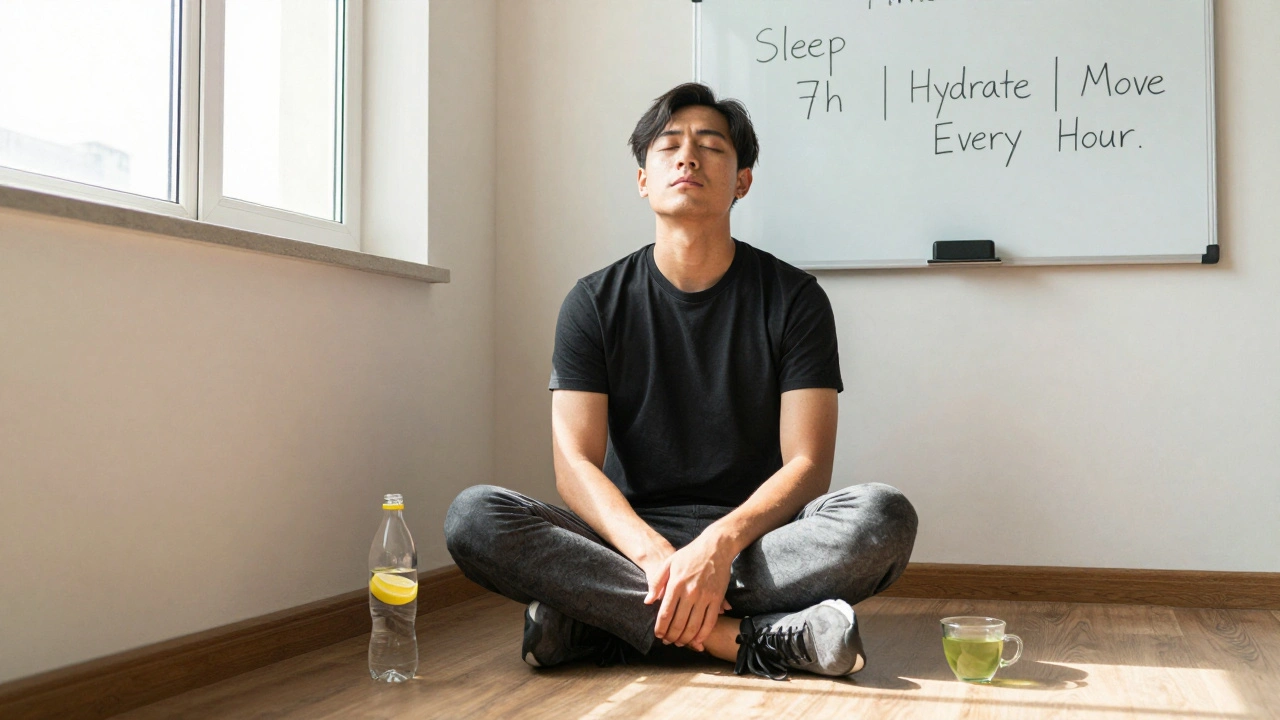
You don’t need a chemical boost to play well. The best gamers know this.
- Water + electrolytes: A simple bottle of water with a pinch of salt and lemon keeps hydration stable without the crash.
- Green tea: Contains L-theanine and a small amount of caffeine - enough to sharpen focus without jitters.
- Short naps: A 20-minute power nap between matches restores alertness better than any drink.
- Regular movement: Standing up, stretching, walking for five minutes every hour improves blood flow and mental clarity.
- Sleep hygiene: Going to bed at the same time, turning off screens an hour before sleep, and keeping the room cool makes a bigger difference than any energy drink ever could.
One top-tier team in the EU League switched to a hydration and sleep protocol last season. They didn’t change their training hours. They just stopped drinking energy drinks. Their win rate jumped 22%.
The Real Cost of "Just One More"
It’s not about being weak. It’s about being smart.
Energy drinks don’t make you better. They mask fatigue. And when fatigue builds up, your body starts breaking down. Long-term use has been linked to increased risk of high blood pressure, irregular heart rhythms, and even kidney damage. For young gamers - many still in their teens - this isn’t just a bad habit. It’s a slow-motion health crisis.
Competitive gaming is demanding. It requires discipline, precision, and endurance. But true endurance doesn’t come from sugar and caffeine. It comes from rest, recovery, and respect for your body.
If you’re reading this and you’re one of those gamers who can’t imagine a match without your favorite can - ask yourself: Are you playing to win? Or are you just trying to feel normal?
Can energy drinks cause long-term heart damage in gamers?
Yes. Regular, high-dose consumption - especially in young people - has been linked to arrhythmias, elevated blood pressure, and even heart muscle changes. A 2025 study in the Journal of Sports Medicine found that gamers who drank more than three energy drinks daily for over a year showed early signs of left ventricular thickening - a condition that can lead to heart failure if unchecked.
Is caffeine the main problem, or are other ingredients worse?
Caffeine is the biggest issue, but it’s not alone. Sugar spikes crash your energy and promote inflammation. Taurine and guarana can amplify caffeine’s effects, making it harder for your body to process. Some brands also add unregulated stimulants like synephrine or dimethylamylamine, which aren’t tested for safety in young adults. The real danger is the combo - not just one ingredient.
How do I know if I’m dependent on energy drinks?
If you feel worse - headaches, fatigue, irritability - when you skip your usual dose, you’re dependent. If you need them to function at your normal level, even for practice or casual play, that’s dependence. If you’ve tried cutting back and failed within a few days, you’re likely physically reliant on them.
Do professional esports teams ban energy drinks?
Some do. Top teams like Team Liquid and G2 Esports have strict nutrition policies. They allow black coffee or green tea, but ban sugary energy drinks. Their players use hydration tracking, sleep monitors, and protein-rich snacks instead. The results? Fewer injuries, better focus, and longer careers.
Are sugar-free energy drinks safer?
Not really. Sugar-free versions still pack the same amount of caffeine - sometimes more. They often use artificial sweeteners like sucralose or aspartame, which can disrupt gut health and still trigger insulin spikes. The stimulants (taurine, guarana, yohimbine) are still there. So while you avoid sugar, you’re still stressing your nervous system.