
When someone starts thinking about antidepressants, they’re not just looking for a pill-they’re looking for relief. Relief from the weight that won’t lift, the sleep that won’t come, the days that blur into one another. Escitalopram is one of the most prescribed antidepressants today, but it’s not the only option. And knowing the difference between it and others can make all the difference in how well someone feels.
What is escitalopram, really?
Escitalopram is a selective serotonin reuptake inhibitor (SSRI) used to treat major depressive disorder and generalized anxiety disorder. Also known as Lexapro, it was approved by the FDA in 2002 and has since become one of the most commonly prescribed antidepressants in the U.S.
Unlike older antidepressants like amitriptyline or imipramine, escitalopram is designed to be more targeted. It works by blocking the reabsorption of serotonin in the brain, which helps keep more of this mood-regulating chemical available. This isn’t magic-it takes time. Most people start to feel changes after two to four weeks, but full effects often take six to eight weeks. That’s why quitting too early is one of the biggest reasons treatment fails.
How does it compare to other SSRIs?
There are five main SSRIs used today: escitalopram, sertraline (Zoloft), fluoxetine (Prozac), paroxetine (Paxil), and citalopram (Celexa). They all work the same basic way, but small differences matter.
| Medication | Typical Daily Dose | Onset of Effect | Common Side Effects | Drug Interactions |
|---|---|---|---|---|
| Escitalopram | 10-20 mg | 4-8 weeks | Nausea, insomnia, sexual dysfunction | High risk with MAOIs, tramadol |
| Sertraline | 50-200 mg | 4-6 weeks | Diarrhea, weight gain, agitation | Mod risk with blood thinners |
| Fluoxetine | 20-60 mg | 6-8 weeks | Insomnia, jitteriness, delayed ejaculation | High risk with triptans, St. John’s Wort |
| Paroxetine | 20-50 mg | 4-6 weeks | Drowsiness, weight gain, dry mouth | High risk with anticoagulants |
| Citalopram | 20-40 mg | 4-6 weeks | Nausea, fatigue, QT prolongation risk | High risk with QT-prolonging drugs |
Escitalopram stands out because it’s the active ingredient in citalopram. That means it’s more potent at lower doses and tends to have fewer side effects than its older cousin. A 2021 meta-analysis in The Lancet found escitalopram had one of the highest effectiveness-to-side-effect ratios among SSRIs. For many people, that balance makes it the first choice.
What about non-SSRI antidepressants?
Not everyone responds to SSRIs. About 30% of people don’t get enough relief from them. That’s when doctors look beyond serotonin.
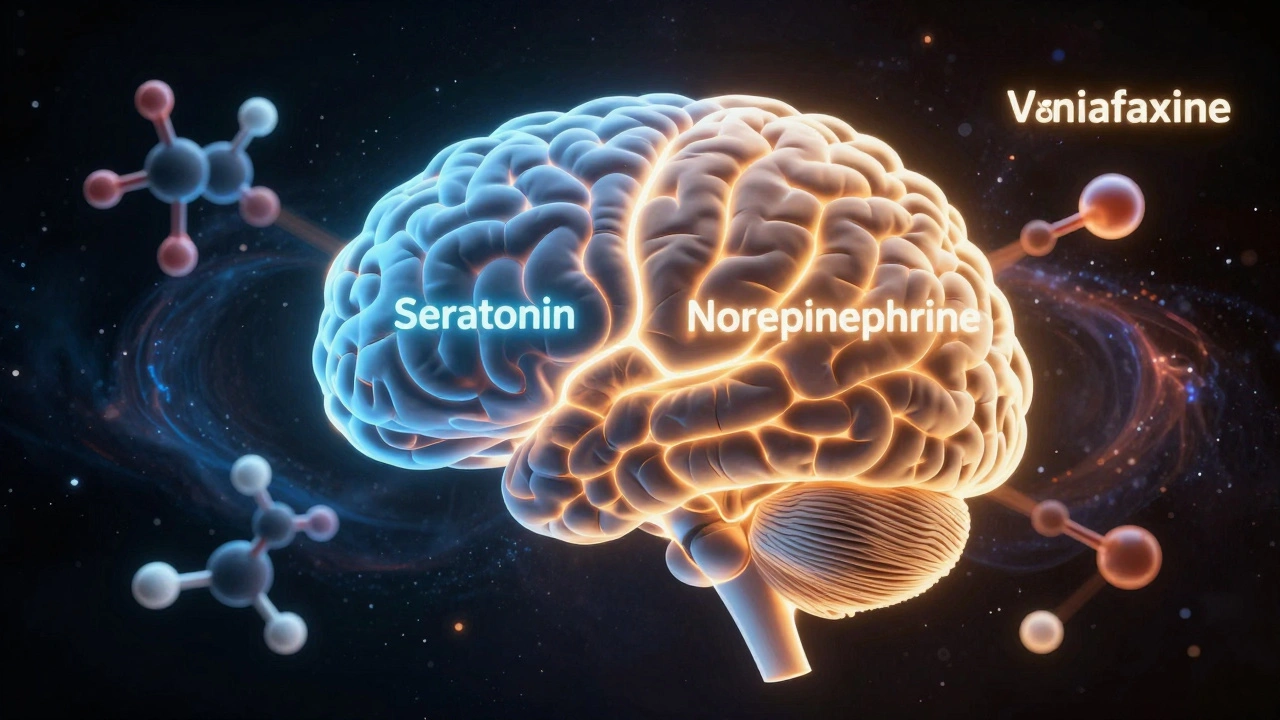
Venlafaxine (Effexor) is an SNRI-serotonin-norepinephrine reuptake inhibitor. It boosts both serotonin and norepinephrine, which can help with fatigue and lack of motivation. It’s often used when SSRIs fail, but it can raise blood pressure and cause more withdrawal symptoms than SSRIs.
Bupropion (Wellbutrin) works differently still. It targets dopamine and norepinephrine, not serotonin. That makes it a go-to for people who struggle with low energy or weight gain on other meds. It’s also the only antidepressant linked to reduced smoking rates. But it can increase anxiety or seizures in some people, especially at high doses.
Mirtazapine (Remeron) is another outlier. It helps with sleep and appetite, which is great for people who’ve lost weight or can’t sleep. But it often causes drowsiness and weight gain. It’s not a first-line drug, but for someone with severe insomnia and poor appetite, it can be life-changing.

Why does the choice matter?
Choosing an antidepressant isn’t about finding the "best" one. It’s about finding the right one-for your body, your symptoms, your lifestyle.
Someone with anxiety and trouble sleeping might do better with escitalopram than with bupropion, which can make anxiety worse. Someone with chronic fatigue might respond better to venlafaxine than to paroxetine, which causes drowsiness. And if weight gain is a major concern, bupropion is often the safest bet.
Genetics play a role too. Some people have gene variants that make them metabolize certain drugs too fast or too slow. A simple blood test called pharmacogenetic testing can tell you if you’re likely to have side effects from SSRIs. It’s not perfect, but it’s getting better. More clinics in Oregon and beyond are starting to offer it.
What about side effects and withdrawal?
All antidepressants come with side effects. The most common ones-nausea, dry mouth, dizziness, sexual problems-usually fade after a few weeks. But some stick around. That’s why starting low and going slow matters.
Withdrawal is another thing people don’t talk about enough. Stopping suddenly can cause brain zaps, dizziness, irritability, or flu-like symptoms. That’s especially true with paroxetine and venlafaxine. Escitalopram has a moderate withdrawal risk. The key? Never stop cold turkey. Even if you feel fine, taper off over weeks or months under a doctor’s guidance.
Is medication enough?
No. Medication helps, but it doesn’t fix everything. Therapy-especially cognitive behavioral therapy (CBT)-works better when paired with antidepressants. A 2023 study from the University of Oregon found that people who combined escitalopram with weekly CBT were twice as likely to achieve remission after six months than those who took the drug alone.
Lifestyle matters too. Regular exercise, even just 30 minutes of walking five days a week, boosts serotonin naturally. Sleep hygiene, reducing alcohol, and sunlight exposure all support recovery. Medication is a tool, not a cure.
What’s the future of antidepressant treatment?
Researchers are looking beyond traditional pills. Ketamine nasal spray (esketamine) is now FDA-approved for treatment-resistant depression. Psychedelic-assisted therapy with psilocybin is in late-stage trials and could be available by 2027. These aren’t replacements for SSRIs-they’re options for when those fail.
Meanwhile, AI is helping doctors match patients to meds faster. By analyzing symptoms, medical history, and genetic data, algorithms can predict which drug is most likely to work. It’s not science fiction-it’s happening in clinics now.
How long does it take for escitalopram to start working?
Most people notice small improvements after two to four weeks, but full benefits usually take six to eight weeks. Don’t stop taking it just because you don’t feel better right away. Consistency matters more than speed.
Can I drink alcohol while taking escitalopram?
It’s not recommended. Alcohol can worsen depression and anxiety symptoms, increase drowsiness, and raise the risk of liver problems. Even one drink can interfere with how well the medication works. If you drink, talk to your doctor about how much-if any-is safe for you.
Is escitalopram addictive?
No, escitalopram is not addictive in the way drugs like opioids or benzodiazepines are. You won’t crave it or get high from it. But your body can become physically dependent on it. Stopping suddenly can cause withdrawal symptoms, so always taper off slowly under medical supervision.
What if escitalopram doesn’t work for me?
It happens. About one in three people don’t respond to the first SSRI they try. That doesn’t mean nothing will work. Switching to another SSRI, trying an SNRI like venlafaxine, or adding therapy can make a big difference. Some people need to try two or three options before finding the right fit.
Are there natural alternatives to antidepressants?
Exercise, sunlight, sleep, and therapy are proven natural supports. Some supplements like omega-3s or vitamin D may help slightly, but none replace medication for moderate to severe depression. St. John’s Wort can interact dangerously with SSRIs and should never be used without medical advice.
Final thoughts
There’s no single answer to depression. Escitalopram works well for many, but it’s just one tool in a much bigger toolbox. The goal isn’t to find the "best" drug-it’s to find the one that helps you live better. That might mean trying a few, combining it with therapy, or adjusting your routine. What matters isn’t the name on the bottle-it’s whether you feel more like yourself again.