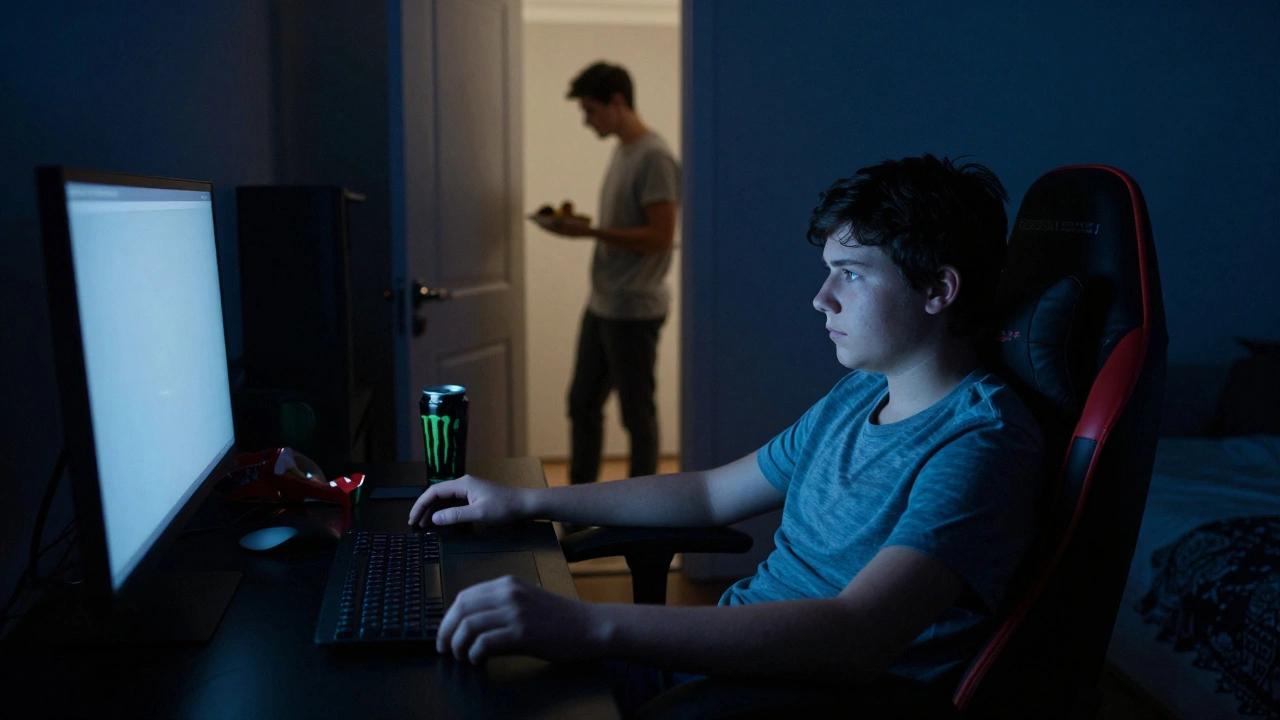
When your teenager spends 12 hours a day in front of a screen, ignores meals, stops talking to anyone, and gets angry when you unplug the router - it’s not just "too much gaming." It’s a family crisis. And it’s happening more often than you think. In 2025, the American Psychological Association reported a 40% rise in clinical cases of gaming addiction among teens and young adults since 2020. This isn’t about laziness or rebellion. It’s about brain chemistry, isolation, and a coping mechanism that spirals out of control. If you’re reading this, you’re probably scared, frustrated, and feeling alone. You’re not. Here’s what actually works when gaming addiction erupts in your home.
It’s Not About the Game - It’s About the Void
Most parents assume their kid is addicted to Fortnite, Call of Duty, or Minecraft. But the game itself isn’t the problem. It’s what the game replaces. A 2024 study from Stanford’s Center for Digital Health found that 78% of teens diagnosed with gaming addiction had no close friends, no extracurricular involvement, and reported feeling "invisible" at school or home. The game isn’t the cause - it’s the escape. When real life feels empty, overwhelming, or unsafe, the virtual world offers control, reward, and connection. If you try to just take away the game without addressing the void, you’ll get rage, lies, or silent withdrawal. You won’t get change.
Stop the Power Struggle - Start the Conversation
Trying to force a gamer to quit is like trying to force someone to stop drinking to cope with anxiety. It doesn’t work. Instead, try this: sit down with them - no screens, no lectures - and say: "I’ve noticed you’ve been spending a lot of time gaming lately. I’m not mad. I’m worried. I want to understand what it’s doing for you." That’s it. No blame. No threats. Just curiosity. Most kids have never been asked that question. And when they finally are, they’ll open up - about bullying, loneliness, school pressure, or feeling like they’re failing. The goal isn’t to fix their life right away. It’s to let them know they’re not alone in it.
What the Experts Say: Three Steps That Actually Work
Therapists who specialize in gaming addiction don’t use punishment. They use structure. Here’s what works in real cases, based on data from the Center for Internet Addiction Recovery:
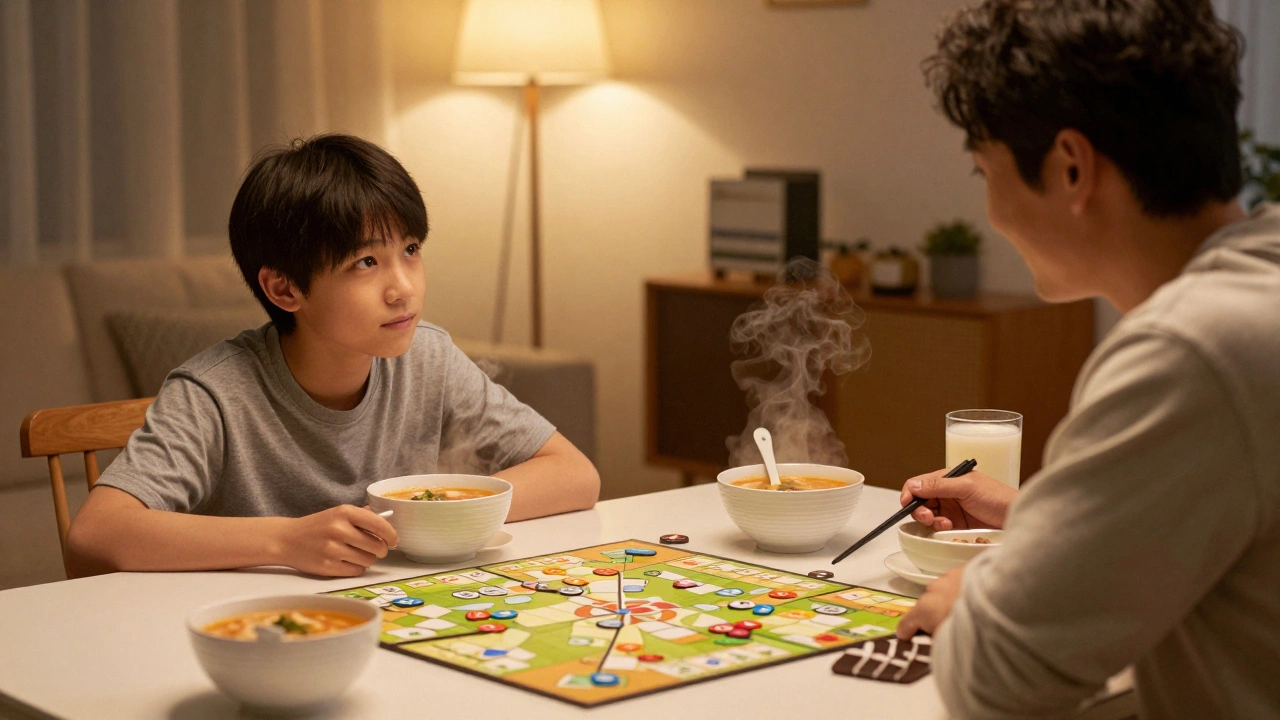
- Set a 72-hour digital detox - no screens, no phones, no games. Not as punishment. As a reset. During this time, replace screen time with shared activities: cooking together, walking the dog, playing board games. The goal is to rebuild non-digital connection.
- Rebuild routine, not rules - Instead of saying "You can’t game after 9 p.m.," try: "We’ll have dinner together at 6:30, then you can game for 90 minutes before bed. I’ll be in the living room reading. You’re welcome to join me." Consistency matters more than restriction.
- Connect them to real-world rewards - If they love gaming because it gives them status, help them earn status elsewhere. Join a robotics club. Start a YouTube channel reviewing games. Train for a 5K. Find a community where they can feel competent, not just entertained.
Don’t Isolate - Build a Support Network
Most families try to handle this alone. That’s a mistake. Gaming addiction thrives in secrecy. The moment you start talking about it - to a trusted teacher, a family doctor, a counselor - things begin to shift. You’re not alone. In Portland, the Oregon Youth Authority runs free family workshops on digital dependency. There are also online support groups like Parents of Addicted Gamers (PAG), where hundreds of families share real stories and strategies. You don’t need to be an expert. You just need to show up.
What Not to Do - The Common Mistakes That Make It Worse
- Don’t unplug everything suddenly. It triggers panic, aggression, or suicidal thoughts in severe cases. The brain is wired for reward. Removing it cold turkey can feel like withdrawal.
- Don’t call them "addicted" or "a junkie." Labels stick. Instead, say: "I see how much this is taking over your life, and I want to help you get it back."
- Don’t blame yourself. This isn’t because you didn’t monitor enough. It’s because your child found a way to numb pain, and you didn’t know how to see it. Now you do.
- Don’t wait for them to hit rock bottom. Rock bottom for a teen isn’t failing school - it’s losing the ability to talk to people. Start now.

When to Seek Professional Help
Not every gamer needs therapy. But if you see any of these signs, it’s time to call a specialist:
- They’ve skipped school for more than three days straight because they’re gaming.
- They’ve lost weight or stopped sleeping because they’re playing through the night.
- They’ve lied about how much they play - even when caught with evidence.
- They’ve become aggressive, withdrawn, or depressed when not gaming.
- They’ve said things like, "I’d rather die than stop playing." (Take this seriously. Call a crisis line immediately.)
Therapists trained in gaming addiction use CBT (Cognitive Behavioral Therapy) and family systems therapy. They don’t just talk about screen time. They explore attachment, self-worth, trauma, and social skills. In 2025, insurance in Oregon began covering these therapies under mental health parity laws. You have options.
Recovery Isn’t About Quitting - It’s About Rebuilding
One family I know, from Beaverton, had a 16-year-old who played 14 hours a day. After six months of therapy, routine changes, and a part-time job at a local coffee shop, he now games 2 hours a week - and volunteers at a youth center teaching coding. He didn’t stop gaming because his parents took his console. He stopped because he finally felt seen, valued, and capable outside of it.
Recovery isn’t about banning games forever. It’s about helping your child find something - anything - that gives them the same sense of purpose, achievement, and belonging. That’s what they were really chasing.
What Comes Next
You won’t fix this overnight. There will be setbacks. There will be arguments. There will be days when they seem to be backsliding. That’s normal. Progress isn’t linear. But every time you choose connection over control, you’re planting a seed. And seeds grow slowly - but they grow stronger than any screen.
Is gaming addiction a real medical condition?
Yes. The World Health Organization officially recognized "Gaming Disorder" as a diagnosable condition in 2018. It’s listed in the ICD-11 under addictive behaviors. To qualify, symptoms must last at least 12 months and significantly disrupt school, work, relationships, or personal care. It’s not about how long someone plays - it’s about how much it controls their life.
Can gaming addiction lead to depression or anxiety?
Absolutely. Research from the University of Michigan in 2024 showed that teens with gaming addiction were three times more likely to develop clinical depression and twice as likely to have severe anxiety. The cycle goes both ways: anxiety drives someone to game, and gaming worsens anxiety by replacing real social interaction with artificial rewards. It’s a feedback loop that’s hard to break without support.
What’s the difference between heavy gaming and addiction?
Heavy gaming means someone plays a lot - 40+ hours a week - but still holds down school, jobs, relationships, and hygiene. Addiction means their gaming interferes with those things. If they’re skipping meals, lying about time spent, losing interest in hobbies they once loved, or becoming aggressive when interrupted - those are red flags. Quantity doesn’t define addiction. Disruption does.
Should I take away their gaming equipment?
Only as part of a larger plan - and even then, carefully. Removing devices without addressing the emotional root can cause escalation. Instead, try a temporary "cool-down" period: put the console in a locked box for 72 hours while you start family therapy or counseling. Use that time to reconnect. Then, reintroduce gaming with clear, agreed-upon limits. Control without connection rarely works.
Are there apps or tools that can help monitor gaming time?
Yes, but they’re tools - not solutions. Apps like Qustodio, Screen Time (iOS), or Google Family Link can track usage and set limits. But if the child is tech-savvy, they can bypass them. More importantly, monitoring doesn’t fix the underlying issue. Use these tools to create awareness, not control. The real fix is rebuilding trust and connection - not surveillance.