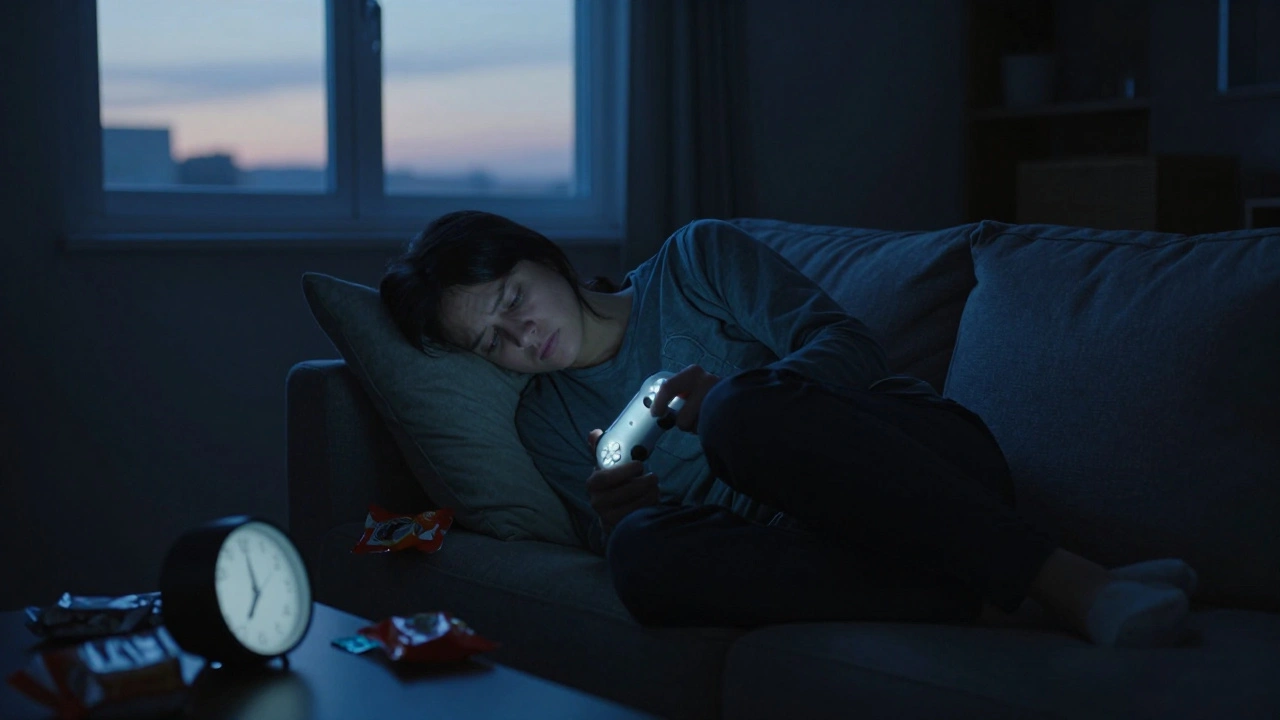
Think gaming is just a hobby? For millions of people, it’s a full-blown habit that steals sleep, ruins relationships, and kills productivity. Gaming Addicts Anonymous (GAA) isn’t a joke-it’s a real, working recovery program built on the same 12-step model that helped millions with alcoholism. And it’s growing fast.
What Is Gaming Addicts Anonymous?
Gaming Addicts Anonymous, or GAA, is a peer-led support group modeled after Alcoholics Anonymous. It doesn’t claim to cure gaming addiction. Instead, it gives people a structured, step-by-step way to take back control. The program started in 2018 when a group of former professional gamers and therapists noticed how often gaming was destroying lives-without anyone calling it an addiction.
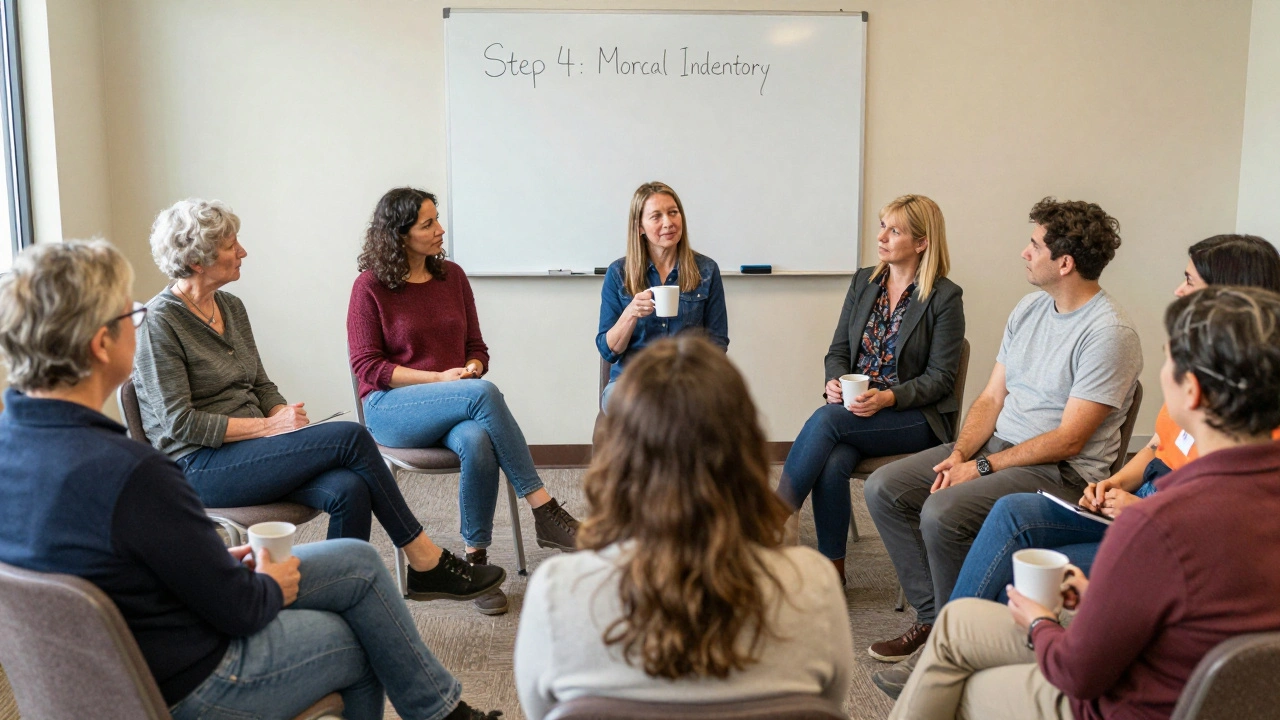
Unlike clinics or apps that push digital detoxes, GAA focuses on long-term behavioral change. Members meet weekly, share stories, and work through the 12 steps with a sponsor. There’s no medication. No forced abstinence. Just accountability and community.
The 12 Steps of GAA-Simplified
Here’s how the 12 steps actually work in real life:
- We admitted we were powerless over gaming-that it had become uncontrollable and destructive.
- Came to believe that a power greater than ourselves could restore us to sanity.
- Made a decision to turn our will and lives over to the care of God as we understood Him.
- Made a searching and fearless moral inventory of ourselves.
- Admitted to God, to ourselves, and to another human being the exact nature of our wrongs.
- Were entirely ready to have God remove all these defects of character.
- Humbly asked Him to remove our shortcomings.
- Made a list of all persons we had harmed and became willing to make amends to them all.
- Made direct amends to such people wherever possible, except when to do so would injure them or others.
- Continued to take personal inventory and when we were wrong, promptly admitted it.
- Seeked through prayer and meditation to improve our conscious contact with God as we understood Him.
- Having had a spiritual awakening as the result of these steps, we tried to carry this message to other gamers and to practice these principles in all our affairs.
Step 3 doesn’t mean you need religion. For many, "God" means their higher self, nature, or even the collective wisdom of the group. Step 4 and 5 are the hardest-writing down every lie you told yourself about gaming. Step 8 and 9? Apologizing to people you ignored for months. That’s where real healing begins.
Who Joins GAA?
You don’t have to be "addicted" in the clinical sense to benefit. Many members are:
- Students who skipped classes to stream or play for 12+ hours straight
- Parents who missed birthdays because they were grinding loot boxes
- Employees fired for logging in from work during breaks
- People who lost relationships because their partner felt like a "second priority"
A 2024 survey of 1,200 GAA members found that 78% had lost at least one job, relationship, or academic opportunity because of gaming. Nearly 60% said they’d considered suicide during their worst phase. This isn’t about "being lazy." It’s about brain chemistry, dopamine loops, and design tricks built into modern games.
How GAA Differs From Other Programs
Most apps tell you to "limit screen time" or "take a break." GAA says: "You can’t just quit. You have to rebuild."
- Unlike rehab centers, GAA is free and doesn’t require diagnosis.
- Unlike therapists, GAA doesn’t charge hourly rates or push medication.
- Unlike online forums, GAA has structure, accountability, and real human connection.
One member, a 32-year-old software engineer from Chicago, told his group: "I thought I was just playing too much. Then I realized I was using games to avoid my anxiety. I hadn’t hugged my sister in 18 months. I didn’t even remember her face." He’s been sober for 14 months now. His sponsor? A 68-year-old retired nurse who beat alcoholism in the 80s.
How to Find a GAA Meeting
There are over 1,400 active GAA groups worldwide. Most meet weekly-some online, some in person. You can find them at GamingAddictsAnonymous.org (a verified nonprofit site). No sign-up. No forms. Just show up.
First-time attendees often say: "I thought I’d be judged. Instead, they handed me a coffee and asked if I’d had breakfast." That’s the vibe. No shame. No pressure. Just people who get it.
There’s also a 24/7 chat line for crisis moments. If you’re sitting there at 3 a.m. with controller in hand, wondering if you’re broken-you’re not alone. Someone’s there.
What Recovery Looks Like
Recovery isn’t about deleting games. It’s about changing your relationship with them.
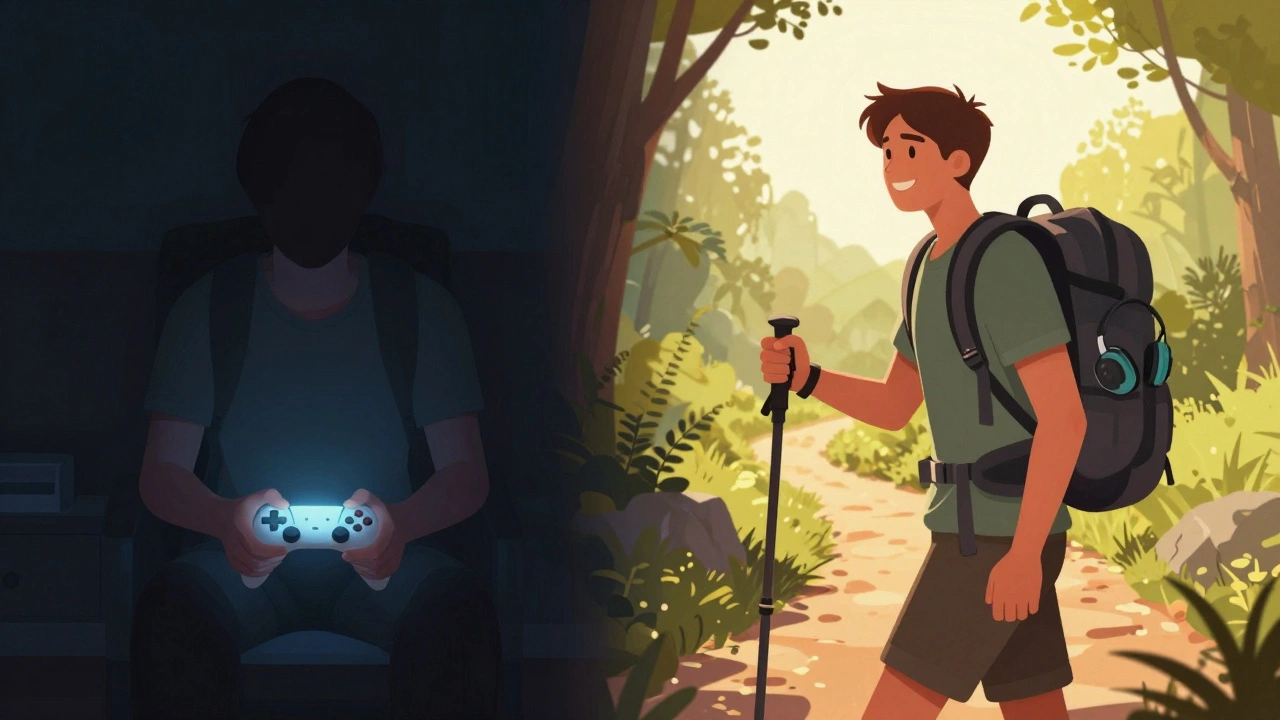
One member went from 16 hours a day to 2. Then 1. Then 30 minutes on weekends-only if he’d gone for a walk first. He started cooking. Then hiking. Then volunteering at a community center. He didn’t "get better" overnight. He rebuilt his life piece by piece.
Some members still play. But now, they play with intention. They don’t lose sleep. They don’t lie. They don’t isolate. That’s the difference.
Why It Works
The science backs this up. A 2025 study from the University of Michigan tracked 300 GAA members for two years. Those who attended at least 12 meetings had a 73% lower relapse rate than those who tried to quit alone. Why? Because addiction thrives in isolation. Recovery thrives in connection.
The 12 steps work because they force you to:
- Stop lying to yourself
- Face the damage you caused
- Accept help
- Help others
That last one is the secret. When you help someone else stay sober, you solidify your own recovery. It’s not charity. It’s survival.
Is GAA Right for You?
Ask yourself:
- Have you missed work, school, or family events because of gaming?
- Do you lie about how much you play?
- Do you feel anxious, irritable, or empty when you can’t play?
- Have you tried to cut back-and failed?
If you answered yes to two or more, GAA might be what you’ve been looking for. Not a quick fix. Not an app. But a real path back to yourself.
You don’t need to be "bad" to need help. You just need to be ready to stop pretending.
Is gaming addiction real, or just a buzzword?
Yes, it’s real. The World Health Organization officially recognized "Compulsive Gaming Disorder" as a mental health condition in 2018. It’s listed in the ICD-11 under behavioral addictions. Symptoms include loss of control, prioritizing gaming over other activities, and continuing despite serious consequences like job loss or health decline.
Do I have to believe in God to join GAA?
No. GAA uses the term "Higher Power," but it’s defined by each person. For some, it’s spirituality. For others, it’s the group itself, nature, or even the concept of collective human resilience. The program is designed to be secular-friendly. Many atheists and agnostics are active members.
Can I just quit gaming cold turkey?
Some try-and most relapse within weeks. Gaming addiction isn’t just about time spent. It’s about emotional dependence. Games fill voids: loneliness, anxiety, boredom, trauma. Removing the game without addressing the root cause usually leads to replacing it with something else-social media, shopping, binge-watching. GAA helps you heal the hole, not just block the door.
Are GAA meetings confidential?
Yes. Everything shared in meetings stays in the room. No names, no screenshots, no records. The only exception is if someone threatens harm to themselves or others. That’s the only rule. Otherwise, anonymity is sacred. Many members use first names only-or just "I"-to stay safe.
Is GAA only for teenagers?
No. While younger players are more visible, GAA has members from age 16 to 72. The fastest-growing group? Adults over 40 who’ve been playing since the 90s. Many say they didn’t realize their habit was harmful until their kids started acting the same way. GAA helps families heal together.
What Comes Next?
If you’re reading this and thinking, "That’s me," then you’re already on the path. The next step isn’t downloading an app or buying a blocker. It’s walking into a room full of strangers who’ve been where you are-and saying, "I need help."
There’s no shame in that. There’s only freedom on the other side.