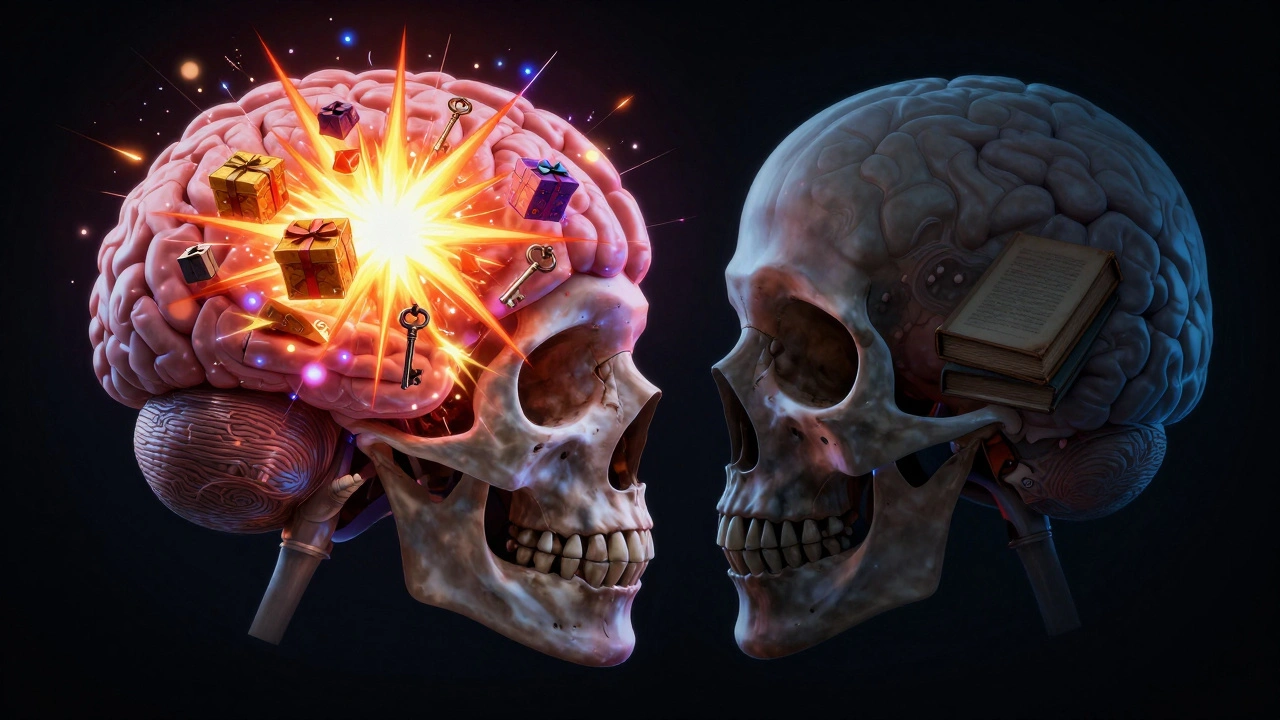
When you play video games for hours every day, it’s easy to brush off the fatigue, the zoning out, or the trouble remembering where you put your keys. But what if those are signs your brain is changing? Research shows that gaming addiction doesn’t just waste time-it rewires how your brain handles memory and attention. And the changes aren’t always temporary.
What Happens to Your Memory When You’re Addicted to Gaming
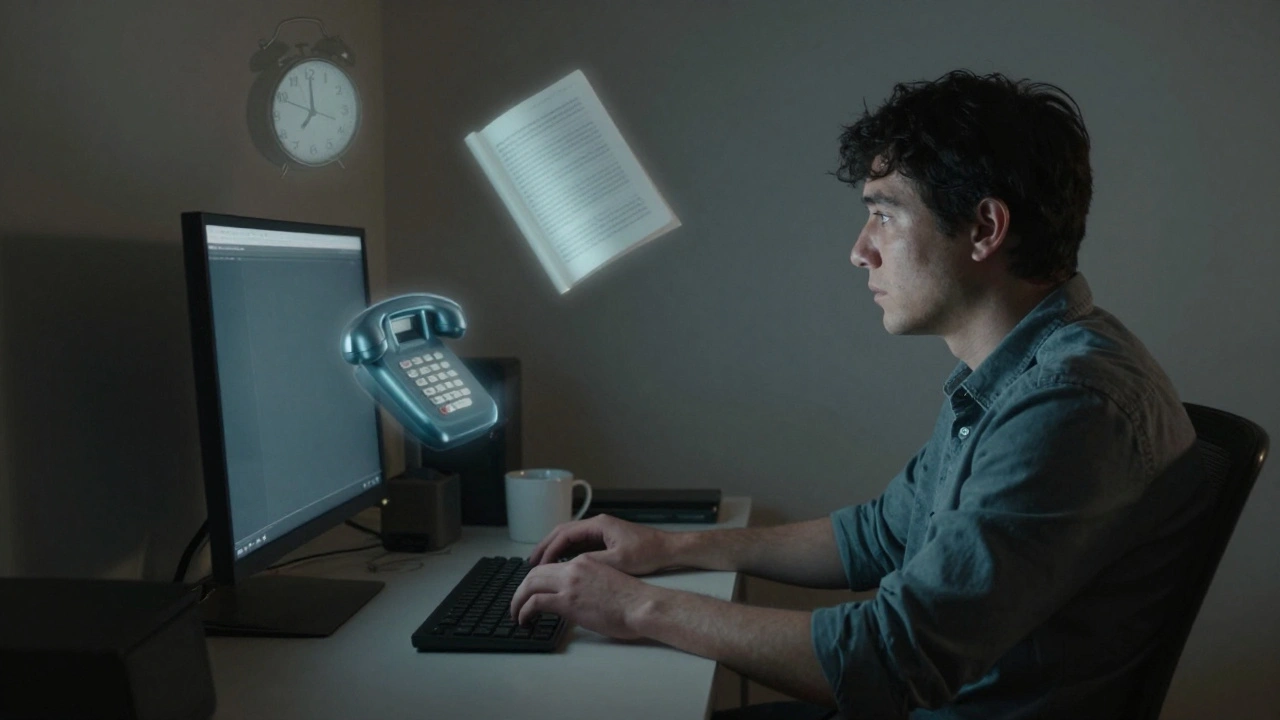
Memory isn’t one thing. It’s broken into short-term, working, and long-term storage. Gaming addiction hits all three. A 2023 study from the University of Oregon tracked 120 heavy gamers (over 5 hours daily for at least 6 months) and found they performed 27% worse on tasks testing working memory compared to non-addicted peers. Working memory is what lets you hold a phone number in your head long enough to dial it. When it’s weakened, you forget instructions mid-task, lose track of conversations, or blank out during simple routines.
Why? The brain’s hippocampus-the area responsible for forming new memories-shrinks in chronic gamers. Brain scans from the same study showed a 7% reduction in hippocampal volume. That’s not just a number. It’s like losing a few pages from your mental notebook. People who quit gaming for 8 weeks saw about half of that volume return. But those who kept playing? The damage kept growing.
Long-term memory suffers too. Gamers addicted to fast-paced, reward-heavy games like shooters or battle royales often struggle to retain information that doesn’t come with instant feedback. Studying for a test, reading a book, or learning a new skill feels slow and unrewarding. Your brain starts to reject it. You don’t forget because you’re lazy. You forget because your brain has learned to expect constant stimulation-and anything slower feels pointless.
Attention Span: The Cost of Constant Rewards
Attention isn’t just about focus. It’s about filtering out noise. Your brain should be able to tune out background chatter so you can read a paragraph or listen to a lecture. But gaming addiction rewires the reward system to crave novelty. Every explosion, every level-up, every loot drop delivers a dopamine spike. Real life? No explosions. No loot drops. Just silence.
A 2024 meta-analysis of 17 peer-reviewed studies found that gamers meeting clinical criteria for addiction were 3.2 times more likely to show symptoms of attention deficit. Not ADHD. Not just distraction. Actual deficits in sustained attention. In lab tests, these gamers made 40% more errors on tasks requiring prolonged focus-like watching a screen for a faint flash that might happen after 10 minutes.
Here’s the twist: they’re not bad at multitasking. In fact, they’re better at switching between tasks-like juggling chat, gameplay, and voice comms. But that’s not attention. That’s rapid shifting. Real attention means sticking with one thing. And that’s what’s broken.
Think of it like a muscle. If you only ever do sprints, you’ll never build endurance. Gaming trains your brain for sprints. Real life? It’s a marathon.
How Gaming Rewires the Brain’s Reward System
The core problem isn’t just time spent. It’s how the game delivers rewards. Unlike school, work, or even reading, games are designed to trigger dopamine on a schedule you can’t control. Kill a monster? Reward. Win a match? Reward. Open a loot box? Reward. Your brain learns: no reward = no effort. That’s why chores, homework, or even cooking feel unbearable.
Neuroimaging shows the prefrontal cortex-the area that controls planning, impulse control, and decision-making-becomes less active in addicted gamers. At the same time, the striatum, the brain’s reward center, lights up like a Christmas tree. This imbalance makes it harder to say no. It’s not willpower. It’s biology.
One gamer in the Oregon study described it like this: "I know I should study. But when I sit down, my hands start shaking. I just need to check one more match. Then I’ll stop." That’s not laziness. That’s a brain conditioned to expect the next hit.
Real-Life Consequences: More Than Just Bad Grades
These brain changes don’t stay in the lab. They show up in real life. Students with gaming addiction are 5 times more likely to fail a class. Employees report missing deadlines, forgetting meetings, and struggling to follow multi-step instructions. Relationships suffer because you can’t stay present. You’re there physically, but mentally? You’re still in the game.
One 22-year-old from Portland, who played 12 hours a day for 18 months, told researchers: "I used to remember birthdays, anniversaries, even my mom’s favorite tea. Now I forget everything. I have to write everything down. And even then, I still miss things. It’s like my brain got reset."
And it’s not just memory and attention. Sleep quality plummets. Mood regulation breaks down. Anxiety spikes when you’re forced to stop. The brain’s natural rhythm gets hijacked.
Can You Recover? Yes-but Only If You Stop
The good news? The brain is plastic. That means it can change back. A 2025 follow-up to the Oregon study showed that after 3 months of complete abstinence from gaming, working memory scores improved by 21%. Hippocampal volume began recovering. Attention span returned to near-normal levels.
But recovery isn’t about cutting back. It’s about quitting. Reducing playtime by half doesn’t fix the wiring. You need to stop entirely. Why? Because the brain doesn’t forget the reward pattern. Even one hour a day keeps the dopamine loop active. It’s like trying to quit smoking by cutting from a pack a day to five cigarettes. The craving stays.
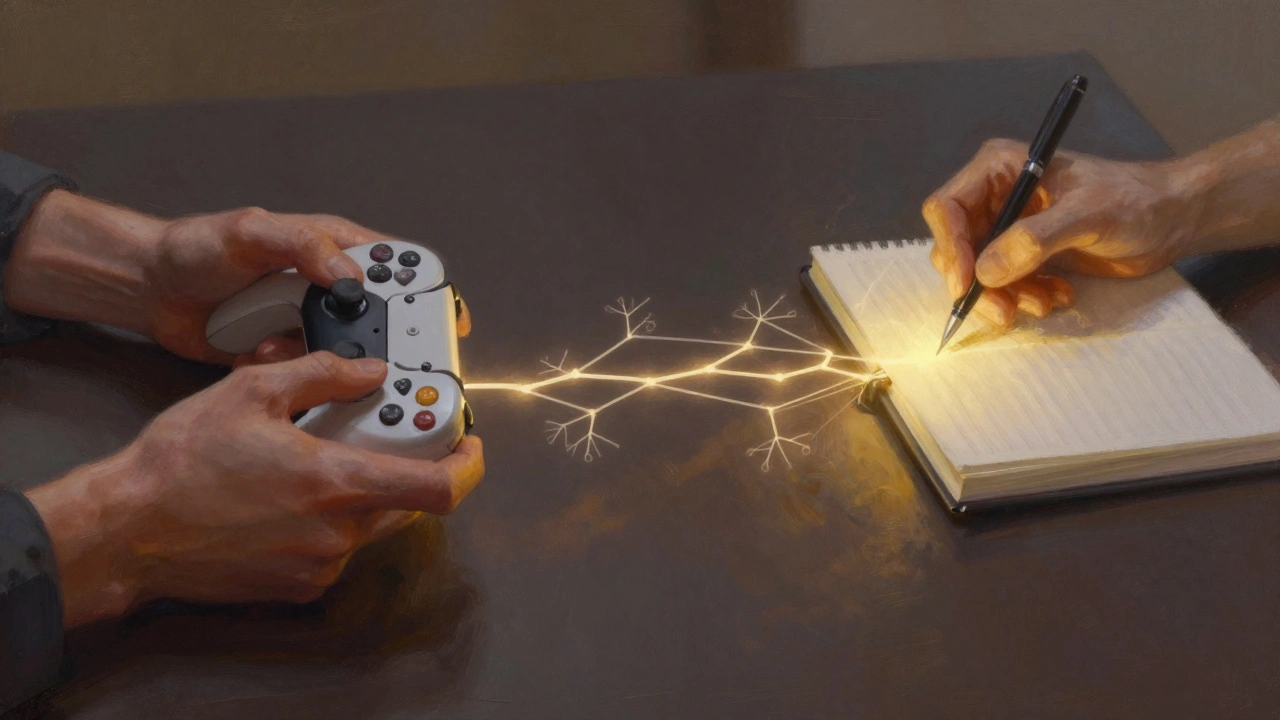
Recovery starts with replacing the habit. Not with another screen. Not with another game. But with something slow. Walking. Cooking. Journaling. Talking to someone face-to-face. These activities don’t give you instant rewards. But they rebuild your brain’s ability to wait. To focus. To remember.
When to Seek Help
If you’re losing track of time, forgetting important things, or feeling anxious when you can’t play, it’s not "just a phase." It’s a sign your brain is being reshaped. The World Health Organization classifies gaming disorder as a mental health condition. You don’t need to be a recluse or lose your job to qualify. If it’s affecting your memory, attention, or daily function-you’re already in the red zone.
Therapy, especially cognitive behavioral therapy (CBT) designed for behavioral addictions, has shown success rates above 60% in controlled trials. Support groups exist. Apps that block games during work hours help. But the first step is admitting: this isn’t about discipline. It’s about biology.
Your brain didn’t break because you’re weak. It broke because it was trained to. And that means it can be retrained too.