
If you or someone you care about is in crisis right now, you need help now. Not tomorrow. Not later. Now. Emergency mental health services exist for exactly this reason - to step in when things feel unbearable, overwhelming, or dangerous. You don’t have to figure it out alone. You don’t have to wait for an appointment. There are real, immediate options available, and they’re closer than you think.
Call 988 - It’s the National Suicide & Crisis Lifeline
The easiest, fastest way to get help in a mental health emergency is to dial 988. This three-digit number connects you directly to trained counselors who are ready to listen, assess risk, and guide you to local resources. It works 24/7, no matter where you are in the U.S. You don’t need insurance. You don’t need to explain your whole life story. Just say what’s happening. The person on the other end has heard it all before - and they’re trained to help.
988 isn’t just for suicidal thoughts. It’s for panic attacks so bad you can’t breathe. For feeling completely lost after a loss. For hearing voices or believing you’re in danger when no one else is. If you’re in emotional pain and can’t cope, 988 is your lifeline. The call is free. It’s confidential. And it’s answered in under 30 seconds most of the time.
Visit the nearest emergency room
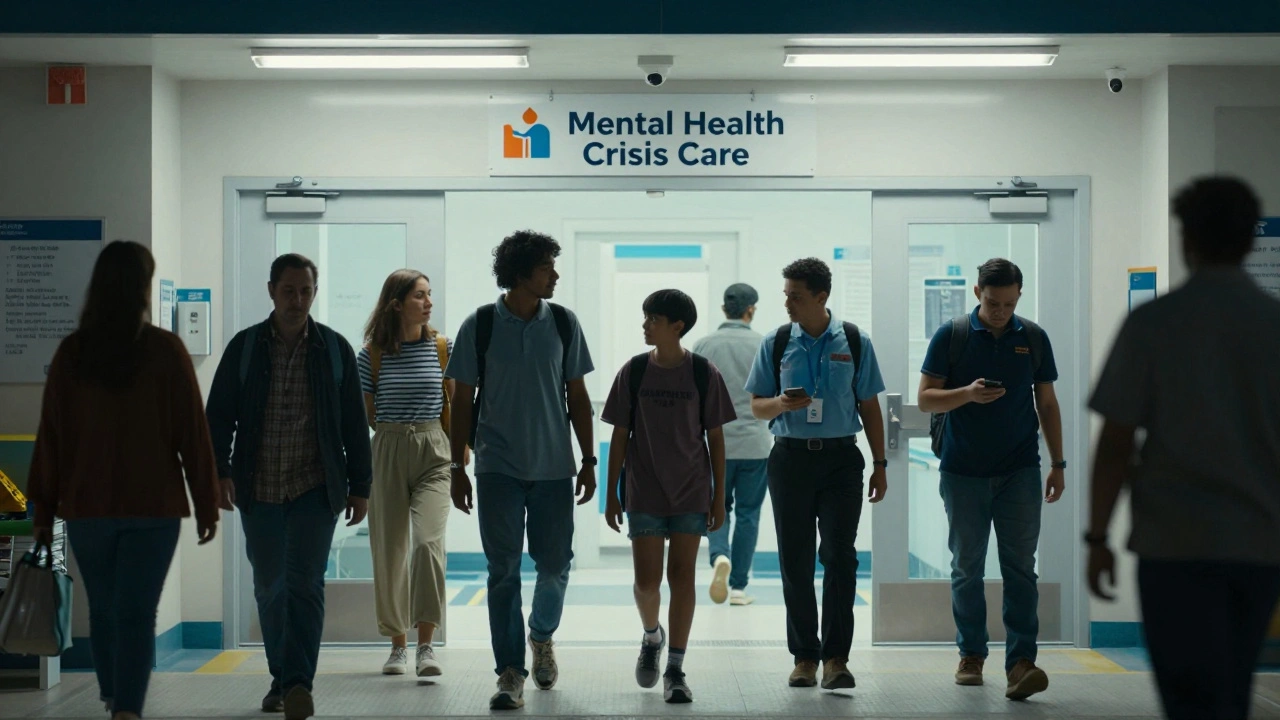
If you’re in immediate danger - if you’re thinking of harming yourself or others, or if you’re having severe psychotic symptoms like delusions or hallucinations - go to the nearest hospital emergency room. Emergency rooms are legally required to evaluate and stabilize mental health crises just like physical ones. You won’t be turned away.
When you arrive, tell the front desk: “I need urgent mental health care.” They’ll prioritize you. You’ll be seen by a mental health professional within hours, not days. Many hospitals have dedicated psychiatric triage teams. You might be admitted for observation, or you might be connected to outpatient services before you leave. Either way, you’ll be safer than you are right now.
Use the SAMHSA Behavioral Health Treatment Locator
The Substance Abuse and Mental Health Services Administration (SAMHSA) runs a free, public tool called the Behavioral Health Treatment Services Locator. Go to findtreatment.samhsa.gov on any device - phone, tablet, computer - and type in your zip code. It shows you every nearby facility that offers crisis services, including walk-in clinics, mobile crisis teams, and 24-hour urgent care centers.
Each listing includes details like: hours, whether they accept walk-ins, if they take Medicaid or offer sliding-scale fees, and if they have bilingual staff. You can filter by services like “crisis intervention,” “substance use treatment,” or “youth services.” This isn’t a directory of therapists - it’s a map of places that respond to emergencies right now.
Text or chat with a crisis counselor
If calling feels too overwhelming, you can text or chat online. The Crisis Text Line lets you text HOME to 741741. You’ll be connected with a live counselor within minutes. They’ll help you calm down, explore options, and connect you to local resources. This works for teens, adults, and seniors.
Some areas also offer live chat through local mental health agencies. Check your city or county health department website. Many cities now have dedicated crisis chat platforms - especially for youth, veterans, and LGBTQ+ individuals. These services are often staffed by people who understand your specific struggles.
Know your local mobile crisis teams
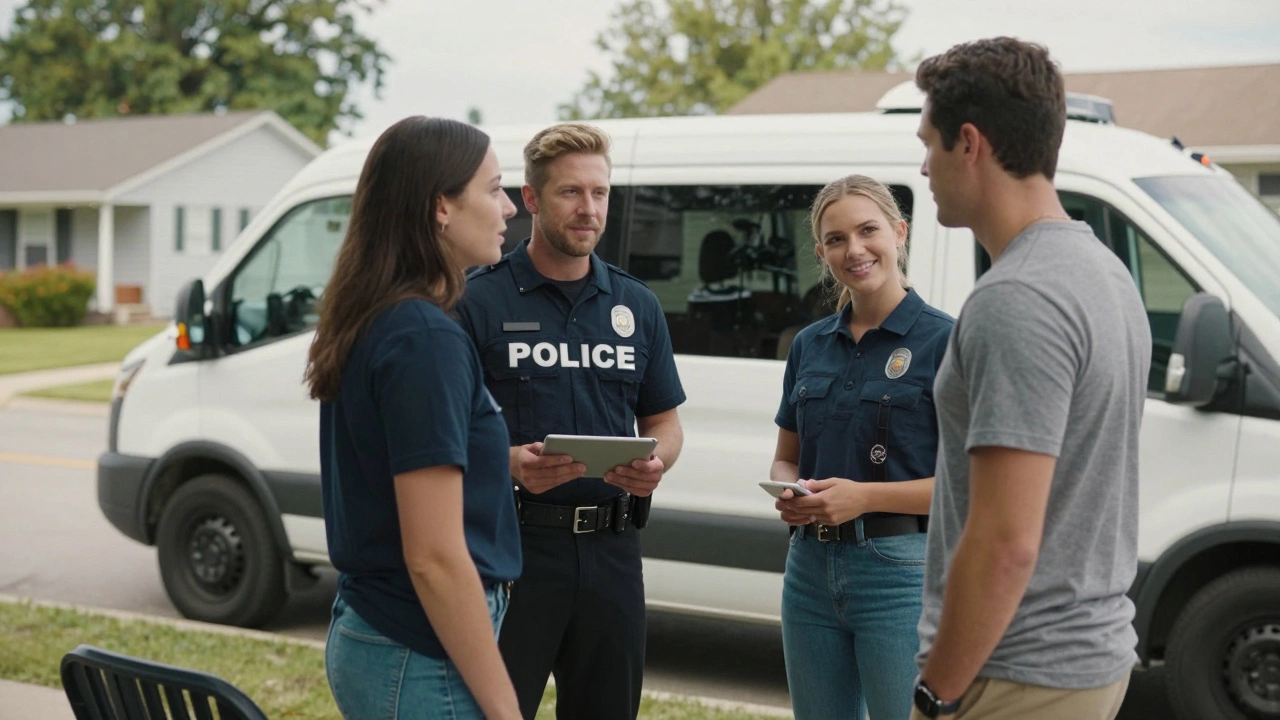
In many cities, there’s a team that drives to your home, school, or workplace when you’re in crisis. These teams include mental health professionals, paramedics, and peer support specialists. They don’t bring police. They bring calm. They bring resources.
These teams are usually activated through 988 or local non-emergency numbers. In some places, you can call 311 and ask for “mobile crisis response.” In others, you can request one directly through your county’s mental health department website. If you’re unsure, call 988 and ask: “Do you have a mobile crisis team in my area?” They’ll tell you how to reach them.
What to expect when you reach out
When you call, text, or walk in for emergency help, here’s what usually happens:
- You’ll be asked a few basic questions: Are you safe? Are you thinking of hurting yourself or others? Have you used drugs or alcohol recently?
- A counselor will listen without judgment. They won’t rush you. They won’t interrupt.
- You’ll get a safety plan - simple steps to stay safe until you can get longer-term help.
- You’ll be connected to services: a therapist, a support group, a housing program, or a short-term hospital stay if needed.
- You won’t be charged upfront. Most services are free or low-cost based on income.
There’s no paperwork to fill out before getting help. No background checks. No waiting for approval. You just show up - or call - and they meet you where you are.
Help for specific groups
Some services are built for specific communities:
- Teens: The Teen Line (1-800-TLC-TEEN) offers peer support from other teens, 3-10 p.m. daily.
- Veterans: The Veterans Crisis Line (dial 988 then press 1) connects you to counselors who understand military trauma.
- LGBTQ+: The Trevor Project (1-866-488-7386) offers 24/7 crisis support for youth under 25.
- Spanish speakers: 988 has Spanish-language counselors available. Just say “Español” when you call.
- Deaf or hard of hearing: Use video relay services or text 988. They support TTY and video calls.
You don’t have to be “typical” to get help. If you’re different - in your identity, background, or experience - that’s exactly why specialized services exist.
What if you’re scared to reach out?
It’s normal to feel ashamed. Afraid. Like no one will understand. Like you’re a burden. You’re not. People in crisis aren’t weak - they’re surviving. And help doesn’t care about your past, your mistakes, or how long you’ve been struggling. It only cares that you’re still here - and that you want to keep going.
If you can’t call yourself, ask a friend, neighbor, or family member to call for you. Say: “I’m not okay. Can you help me find someone to talk to?” That’s brave. That’s enough.
Keep these numbers saved right now
Don’t wait until you’re in crisis to look this up. Save these now:
- 988 - National Suicide & Crisis Lifeline (call or text)
- 741741 - Crisis Text Line
- 911 - Only if you’re in immediate physical danger
- Your county’s mental health crisis line (search “your city + mental health crisis”)
Put them in your phone’s emergency contacts. Write them on a sticky note. Tell one person you trust where to find them. You never know when you’ll need them - or when someone else will.
Can I go to the ER for mental health without insurance?
Yes. Under federal law, hospitals must provide emergency care regardless of insurance, immigration status, or ability to pay. You may be billed later, but you won’t be turned away. Many ERs also have social workers who can help you apply for free or low-cost services right away.
Will calling 988 get me arrested?
No. 988 is not a police line. Counselors are trained to de-escalate and connect you to care - not law enforcement. In fact, many areas now use mobile crisis teams instead of police for mental health calls. If police are involved, it’s only if you’re an immediate danger to others and no other option exists.
How long does it take to get help after calling?
For 988 or Crisis Text Line, you’ll be connected within seconds. For mobile crisis teams, they usually arrive within 1-2 hours. Emergency rooms see mental health crises as urgent - you’ll be evaluated within an hour. No one is left waiting for days.
What if I’m not suicidal but I feel like I can’t go on?
You don’t need to be suicidal to need emergency help. If you feel numb, hopeless, trapped, or like you’re falling apart - that’s enough. Emergency services are for anyone in emotional pain who can’t cope. You don’t have to hit rock bottom to deserve help.
Can I get help for a loved one without their permission?
If they’re a danger to themselves or others, you can call 988 or 911 and explain the situation. Counselors will assess risk and may reach out to them directly. If they’re an adult and not in immediate danger, you can still call 988 for advice on how to support them. You’re not alone in this.