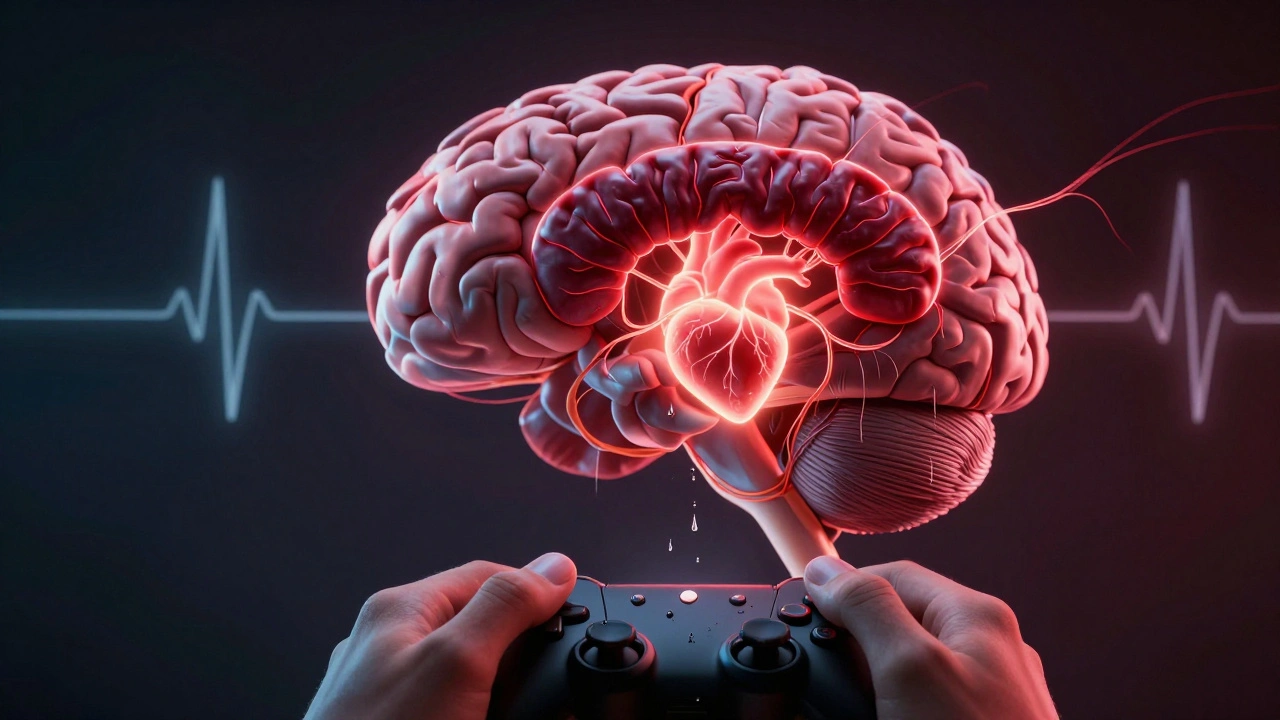
When you’re deep into a game, your heart races, your palms sweat, and you feel that pull to keep playing-even when you know you should stop. That sensation isn’t just habit or addiction. It’s your brain’s internal signaling system at work, and the key player is a tiny, ancient region called the insula is a folded layer of cortex buried deep within the lateral sulcus of the brain that integrates bodily signals with emotional and cognitive states. This isn’t just about dopamine spikes. It’s about how your body talks to your mind during gameplay, and why some players can’t walk away.
What Is Interoception?
Interoception is your sixth sense. While you have five senses for the outside world-sight, sound, touch, taste, smell-interoception tells you what’s happening inside. Your heartbeat, hunger pangs, muscle tension, breath depth, even the flutter in your stomach before a big move. These signals are picked up by nerves in your organs, muscles, and skin, then sent to the brain. The insula is a folded layer of cortex buried deep within the lateral sulcus of the brain that integrates bodily signals with emotional and cognitive states. is the main hub for processing all of this.
Most people don’t notice interoception unless something’s off. Think of the moment you realize you’ve been holding your breath during a boss fight. Or how your jaw clenches when you’re one health bar away from losing. These aren’t random reactions. They’re your body’s way of saying: something important is happening.
The Insula’s Role in Urge States
Urge states are those overwhelming pulls to act-whether it’s smoking, drinking, or hitting that one more round. In gaming, they show up as "just one more match," "I’ll stop after this quest," or "I need to climb the leaderboard." Research from the University of California, San Francisco in 2024 tracked brain activity in 120 frequent gamers using fMRI. They found that when players experienced strong urges to continue playing, the insula is a folded layer of cortex buried deep within the lateral sulcus of the brain that integrates bodily signals with emotional and cognitive states. lit up more than any other region, including the nucleus accumbens (the classic "pleasure center").
This is critical. It means the urge to keep playing isn’t just about reward-it’s about discomfort. The insula doesn’t just register pleasure. It registers bodily tension, anxiety, and the sense that something is unresolved. When you’re close to winning, your body tenses. Your breathing changes. Your muscles tighten. The insula picks up on these signals and translates them into a mental command: keep going until this feels right.
Why Gamers Get Hooked on "Almost"
Games are designed to exploit this. Think about the last time you lost a match by one point. You felt it in your chest. Your hands went cold. You replayed the final seconds in your head. That’s not just frustration-it’s interoceptive feedback. The insula interprets that near-win as a bodily imbalance. You didn’t finish. Your body didn’t get closure. So your brain pushes you to fix it.
A 2023 study from the Max Planck Institute showed that players who scored higher on interoceptive awareness were more likely to report compulsive gaming behaviors. Not because they were addicted to dopamine, but because they were addicted to the release of tension. The moment the match ended, whether they won or lost, their insula signaled completion. That release felt good. And they kept chasing it.
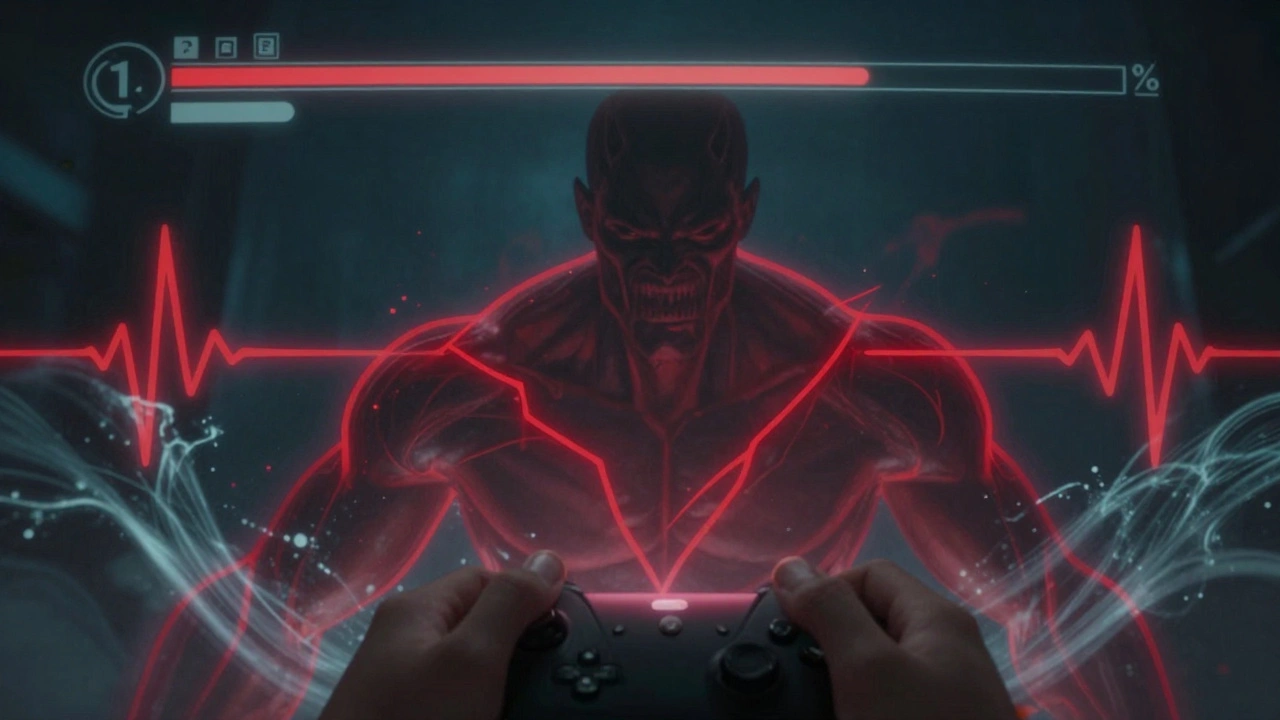
How Game Design Feeds the Insula
Game designers don’t need to know neuroscience to make games addictive. But they’ve stumbled on the same principles through trial and error. Here’s how:
- Progress bars create a sense of bodily tension-your body feels like something is incomplete.
- Close calls (like 99% health or last-second saves) spike insula activity by triggering near-miss signals.
- Sound design (heartbeat-like drumbeats during final boss fights) directly mimics internal bodily rhythms.
- Delayed rewards (unlocking a skin after 10 hours) prolong the urge state by keeping the body in a state of anticipation.
These aren’t tricks. They’re biological levers. The insula doesn’t care if the reward is virtual. It responds to the pattern: tension → unresolved → release. Games are engineered to hit that pattern again and again.
What This Means for Players
If you’ve ever felt like you couldn’t stop playing-even when you knew it was bad for you-this is why. It’s not weakness. It’s biology. Your brain is doing exactly what it evolved to do: prioritize bodily states that feel unresolved.
But here’s the good news: awareness changes behavior. When you learn to recognize the physical signs of an urge state, you can interrupt it.
Try this next time you feel the pull:
- Pause the game.
- Take three slow breaths.
- Notice where you feel tension: jaw? shoulders? chest?
- Ask yourself: Is this urge about winning-or about releasing pressure?
Most players find that after doing this, the urge fades. Not because they lost interest, but because their insula got the signal it needed: you’re safe now.
Long-Term Effects on the Brain
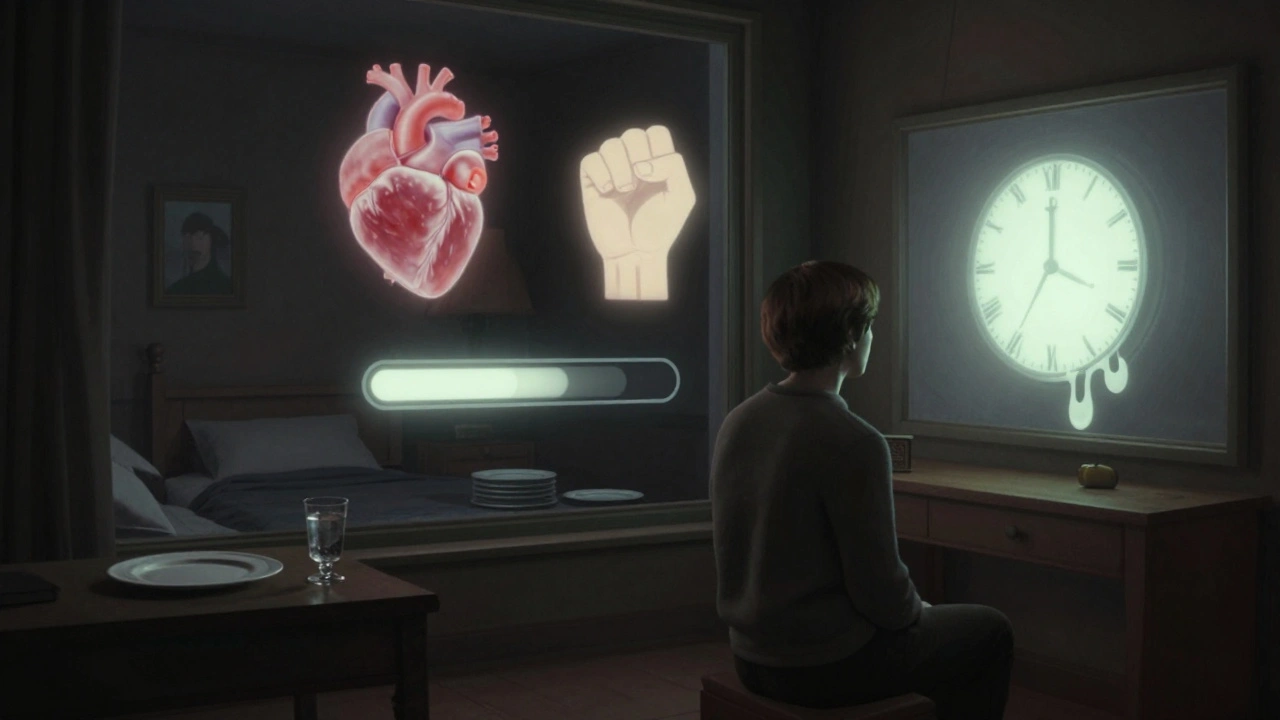
Chronic gaming doesn’t damage the insula. But it can make it hypersensitive. Think of it like a muscle that’s been overworked. The more you play, the more your insula learns to associate gaming with relief. Over time, other activities-reading, walking, talking-don’t trigger the same release. That’s why some players feel numb or disconnected when they’re not playing.
A 2025 longitudinal study tracked 200 gamers over two years. Those who played more than 30 hours a week showed a 17% increase in insula reactivity to gaming cues, but a 12% decrease in sensitivity to non-gaming bodily signals (like hunger or fatigue). In other words: their brains got better at recognizing game-related tension, and worse at noticing real-life needs.
When It Becomes a Problem
Not all urge states are harmful. But when they start overriding basic needs-sleep, meals, hygiene, relationships-it’s time to look deeper. The insula doesn’t lie. If you’re ignoring your body’s signals to keep playing, you’re not just skipping a break. You’re silencing a survival system.
There’s no official diagnosis for "gaming urge disorder," but clinicians are starting to use interoceptive awareness as a marker. Patients who report difficulty sensing hunger, thirst, or fatigue while gaming are more likely to benefit from mindfulness-based interventions than strict time limits.
What You Can Do
You don’t have to quit gaming. You just need to reconnect with your body.
- Set physical checkpoints: Every 45 minutes, stand up, stretch, and notice how your body feels.
- Use biofeedback: Wear a simple heart rate monitor. If your heart rate stays above 90 bpm for more than 10 minutes, take a break.
- Practice body scanning: Spend 5 minutes before bed noticing sensations from head to toe. This retrains your insula to value internal signals over external ones.
The goal isn’t to stop gaming. It’s to stop letting your body be hijacked by it.
What is interoception and how does it relate to gaming?
Interoception is your brain’s ability to sense internal bodily states like heartbeat, hunger, or muscle tension. In gaming, it drives urge states-those strong pulls to keep playing-even when you know you should stop. The insula, a brain region that processes these signals, becomes highly active during near-wins, tension-filled moments, and delayed rewards, making players feel compelled to continue until the bodily tension is resolved.
Why does the insula matter more than dopamine in gaming urges?
While dopamine is often blamed for gaming addiction, studies show the insula is more active during urge states than the dopamine system. Dopamine signals pleasure, but the insula signals discomfort from unresolved tension. This means the urge to keep playing isn’t about chasing a high-it’s about escaping a physical feeling of incompleteness. That’s why stopping a game mid-match can feel as stressful as quitting a habit cold turkey.
Can gaming change your brain’s interoceptive sensitivity?
Yes. Long-term, heavy gaming can make the insula hypersensitive to game-related bodily cues-like heartbeat spikes during boss fights-while dulling its response to real-world signals like hunger, thirst, or fatigue. A 2025 study found that players who averaged over 30 hours a week showed a 17% increase in insula reactivity to gaming cues and a 12% decrease in sensitivity to non-gaming bodily signals.
How can game design exploit interoception?
Game designers unknowingly exploit interoception by using tension-building mechanics: progress bars that create a sense of incompleteness, near-miss outcomes that spike heart rate, heartbeat-like sound effects during climactic moments, and delayed rewards that prolong anticipation. These all trigger the insula to interpret the experience as a bodily imbalance that must be resolved.
What’s the best way to manage gaming urges rooted in interoception?
The most effective strategy is body awareness. Pause the game, take slow breaths, and scan your body for tension. Ask yourself: Am I playing to win, or to relieve discomfort? This simple act signals to your insula that the tension is acknowledged and safe to release. Over time, this reduces compulsive urges without requiring you to quit gaming entirely.