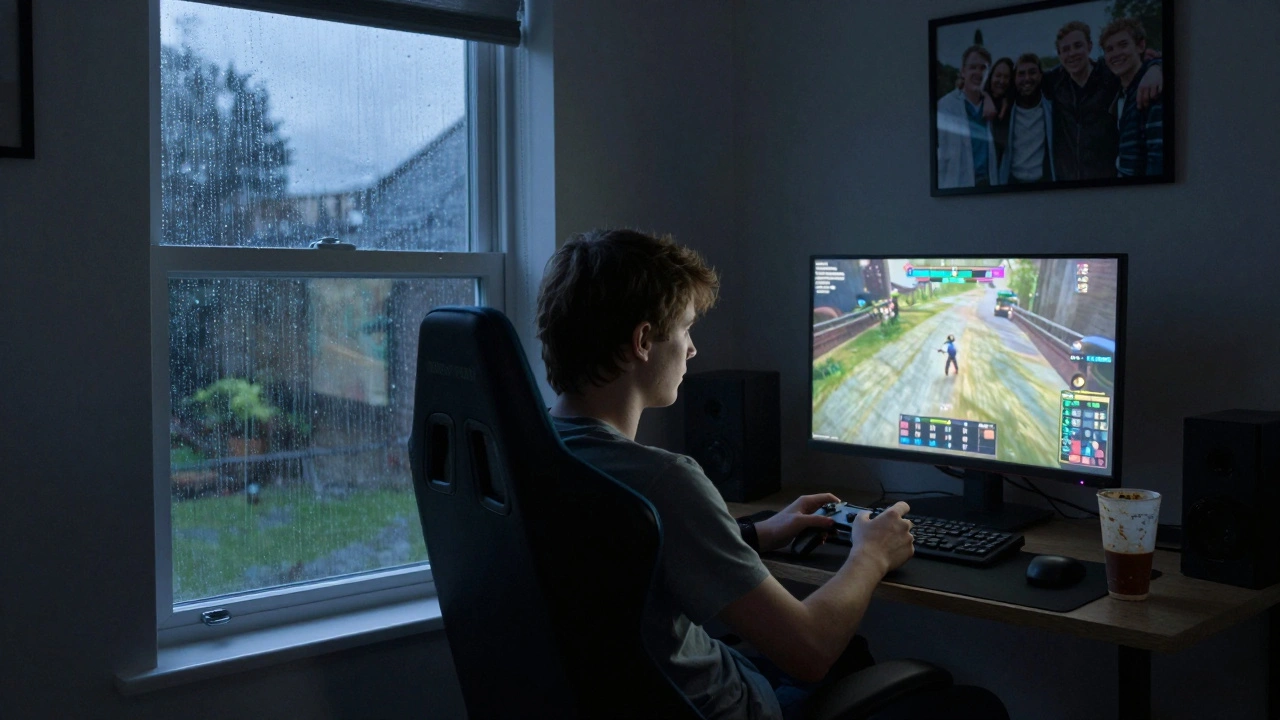
When gaming stops being fun and starts eating away at your sleep, relationships, or sense of self, it’s not just a habit-it’s a cry for help. In Ireland, where gaming is part of daily life for over 70% of adults, the rise in gaming-related distress has forced a quiet but urgent shift in mental health support. And one organization, Pieta House, has stepped into this space not with judgment, but with open arms and a simple message: you’re not alone.
What Is Pieta House?
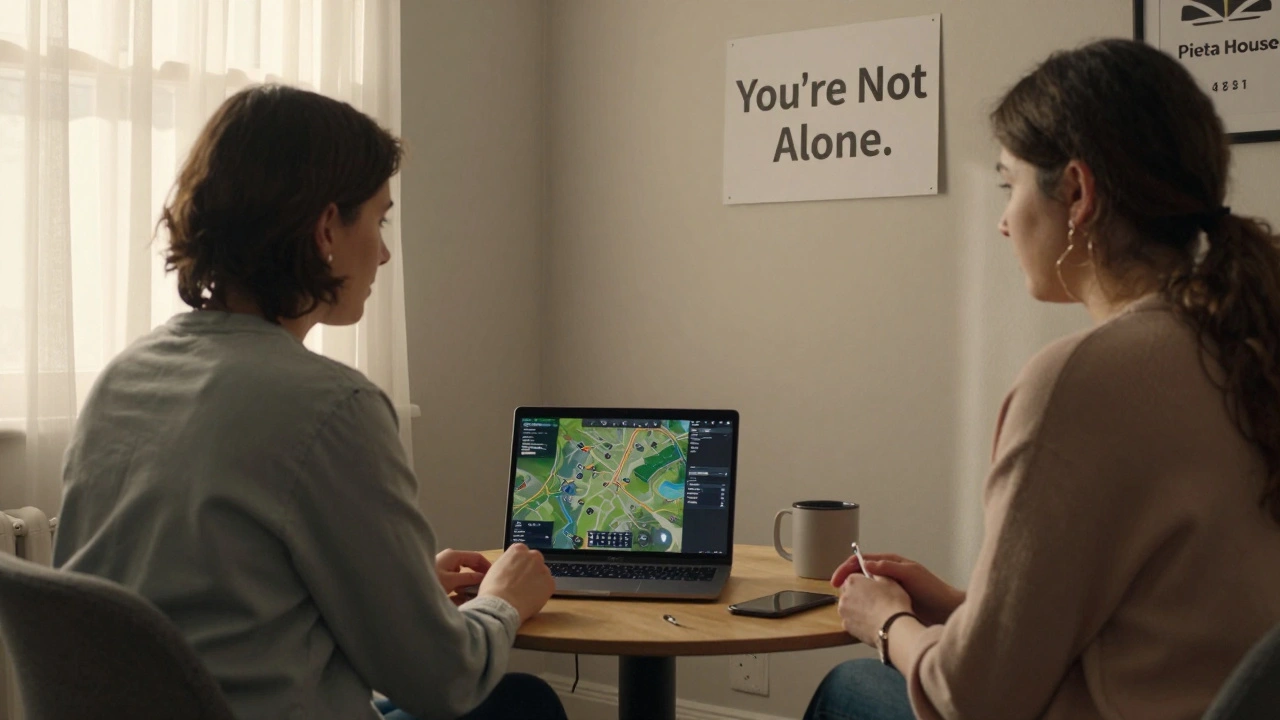
Pieta House isn’t just a crisis line. Founded in 2006 after the suicide of a young man in County Kerry, it began as a grassroots effort to offer free, face-to-face therapy for people in suicidal distress. Today, it operates 27 centers across Ireland, including dedicated outreach programs for young adults and gamers. Unlike traditional mental health services that often require referrals or long waits, Pieta House lets you walk in-no appointment, no cost, no stigma.
Its therapists don’t treat gaming as a vice. They treat it as a symptom. Many of the people who walk through Pieta’s doors aren’t there because they play too much. They’re there because they’ve lost jobs, friendships, or hope-and gaming became the only place they felt in control. Pieta’s approach is simple: listen first, understand second, help third.
Why Gaming Distress Is Different
Gaming-related distress doesn’t look like a teenager skipping school. It looks like a 32-year-old warehouse worker in Cork who plays 12 hours a day to escape chronic pain and loneliness. It looks like a 19-year-old university student in Galway who can’t sleep because of in-game pressure to perform. It looks like a parent in Limerick who hasn’t spoken to their child in six months because the child only responds to voice chat in online worlds.
What makes this different from other addictions? Gaming doesn’t have a physical substance. There’s no pill to quit, no bottle to throw away. The trigger is digital, social, and deeply psychological. The reward system in modern games-loot boxes, leaderboards, daily streaks-is designed to mimic addiction pathways in the brain. Studies from Trinity College Dublin show that gamers in distress show brain activity patterns nearly identical to those with gambling disorder. And yet, most crisis services still treat gaming as a “lifestyle choice,” not a mental health issue.
Pieta’s Gaming-Specific Support
Pieta House launched its first gaming-specific support group in 2023 after surveying over 800 people in crisis. The results were startling: 43% said they’d never reached out for help before because they feared being labeled a “gamer addict.” So Pieta changed how they talked about it.
- They replaced the term “gaming addiction” with “gaming as a coping mechanism.”
- Therapists now ask: “What does gaming give you that nothing else does?” instead of “How many hours do you play?”
- They trained staff in game culture-knowing the difference between a World of Warcraft raid and a Fortnite tournament, understanding why a streamer’s chat feels safer than a living room.
One client, a 24-year-old from Belfast who asked to remain anonymous, told Pieta’s team: “I didn’t feel like a person until I told someone I spent 20 hours a week in Valorant. They didn’t laugh. They asked if I’d ever talked to my team outside the game.” That question changed everything.
Other Supports in Ireland
Pieta isn’t alone. Other organizations have stepped up, too.
- Jigsaw offers youth-specific online counseling with game-themed sessions-like using Minecraft to build emotional safety maps.
- HeadsUp, a Dublin-based nonprofit, runs peer-led gaming recovery groups where people track progress not in hours played, but in real-world connections made.
- Childline has a dedicated chatbot for minors struggling with gaming pressure, trained to recognize signs of burnout, cyberbullying, and isolation.
These services don’t try to get people to stop gaming. They help them rebuild a life where gaming fits-without consuming everything else.
How to Reach Help in Ireland
If you or someone you know is in distress:
- Call Pieta House free at 1800 247 247-available 24/7, 365 days a year.
- Text “HELLO” to 50808 to start a conversation with a trained listener through the Samaritans.
- Visit www.pieta.ie for a list of walk-in centers and drop-in hours.
- For gamers under 18, contact Childline at 1800 66 66 66 or use their live chat.
No one has to wait for a crisis to hit. Pieta House accepts walk-ins every day from 9 a.m. to 8 p.m., even on holidays. No ID, no insurance, no questions asked.

What Recovery Looks Like
Recovery doesn’t mean deleting your games. It means choosing when to play-and when to turn off the controller.
One man from Waterford, who once played 18 hours a day after losing his job, now works part-time as a game tester. He still plays, but only on weekends. His therapy focused on rebuilding his identity-not his habits. “I didn’t need to stop gaming,” he said. “I needed to stop feeling like I had nothing else.”
Another woman, a college student from Limerick, started journaling after sessions with Pieta. She wrote down what she felt before, during, and after each gaming session. Within three months, she noticed a pattern: she played hardest when she felt invisible. She joined a local book club. She started talking to her roommate. She still plays Valorant-but now, she logs off to go for a walk with a friend.
What You Can Do
If you care about someone who’s struggling:
- Don’t say, “You’re playing too much.” Say, “I miss talking to you.”
- Don’t take away their console. Ask, “What’s keeping you there?”
- Don’t assume they’re lazy. Many are exhausted from pretending they’re fine.
- Share Pieta’s helpline. It’s not a last resort-it’s a first step.
And if you’re the one struggling? You don’t need to fix everything today. Just pick up the phone. Or send a text. Or walk into a center. Someone will be there. Not to judge. Not to fix. Just to listen.
Is gaming addiction recognized as a mental health condition in Ireland?
Yes. The Health Service Executive (HSE) officially recognizes gaming disorder as a clinical condition under the ICD-11 classification, which Ireland adopted in 2022. This means it can be diagnosed by licensed clinicians and covered under public mental health services. Pieta House and other organizations use this framework to guide their support, focusing on the emotional roots-not just the behavior.
Can I get therapy for gaming distress without telling my family?
Absolutely. All services in Ireland, including Pieta House, are confidential for adults 18 and over. You don’t need parental consent, insurance, or a referral. Your privacy is protected by law. Even if you’re under 18, Childline and Jigsaw offer private, anonymous support. Your story stays between you and the counselor.
Do I need to stop gaming completely to get help?
No. The goal isn’t abstinence-it’s balance. Pieta House therapists work with clients to understand why gaming feels necessary, then help them build other sources of connection, purpose, and calm. Many people continue playing, but they start playing for enjoyment again-not escape. Recovery means regaining control, not giving up what you love.
Are there online options for gaming crisis support in Ireland?
Yes. Pieta House offers video counseling through secure platforms, and Jigsaw runs live online therapy groups specifically for gamers. The Samaritans also have a 24/7 text service (HELLO to 50808) that’s used by many young people who find it easier to type than talk. These services are free, anonymous, and available from anywhere in Ireland.
How is Pieta House funded?
Pieta House is funded entirely through public donations and government grants. It receives no income from private insurance or pharmaceutical companies. This allows them to offer free services without restrictions. In 2025, over 60% of their funding came from individual donors, many of whom were former clients or family members of those who received help.
Final Thought
Gaming isn’t the enemy. Isolation is. Shame is. The feeling that no one understands. Pieta House and other Irish services aren’t asking you to quit your games. They’re asking you to quit pretending you’re okay when you’re not. There’s no shame in needing help. There’s only courage in asking for it.