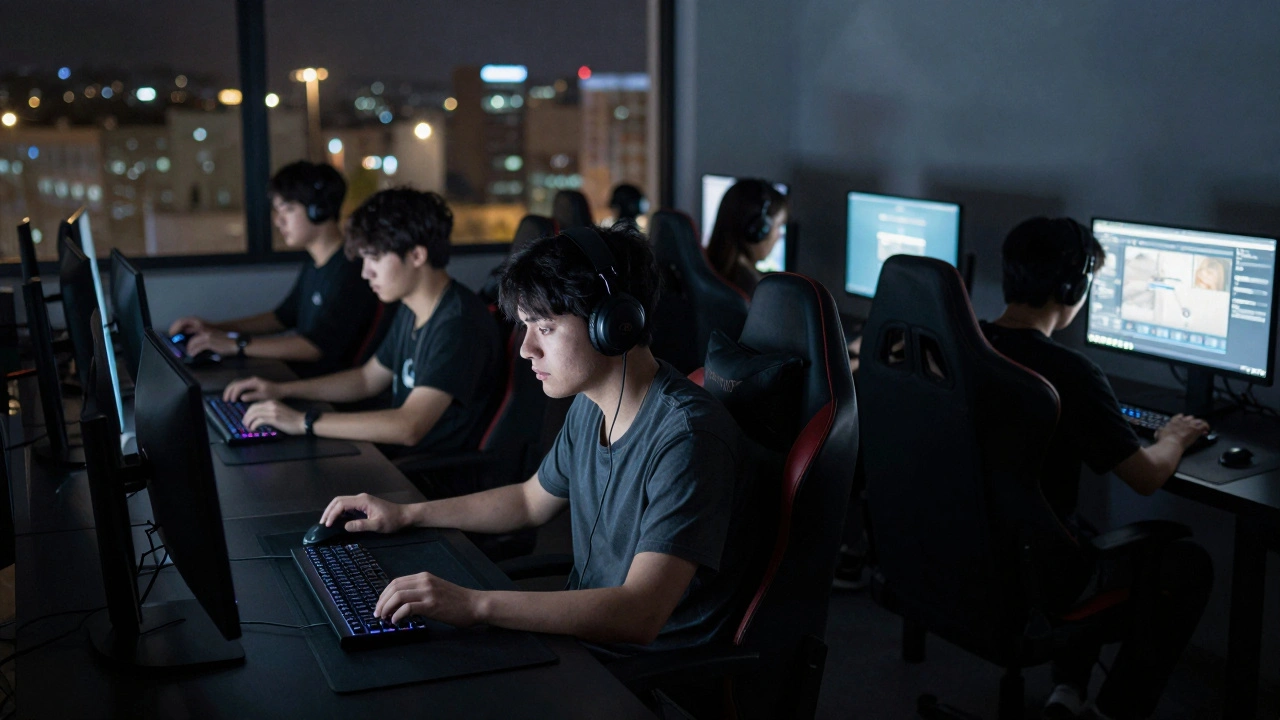
Esports teams look like a dream: flashy jerseys, packed arenas, millions of followers, and six-figure salaries. But behind the screens and the hype, something quiet and heavy is happening. Many pro gamers say they’ve never felt more alone - even when they’re surrounded by teammates. This isn’t just a feeling. It’s a pattern. And it’s getting worse.
The Paradox of Being Together but Alone
You’d think being on a team means you’re never lonely. But in esports, the team is often just a schedule, not a support system. Players wake up at 8 a.m., play for 10 hours, eat meals in silence, and go to bed by midnight. They share a room, but not a conversation. They win together, but they don’t talk about what it costs.
A 2024 study by the International Esports Federation surveyed 1,200 professional players across 18 countries. Over 68% reported feeling lonely on a daily basis. That’s more than double the rate of loneliness in the general adult population. What’s worse? 54% said they didn’t feel comfortable talking to their coach or teammates about it. Why? Because admitting you’re struggling feels like weakness in a world built on winning.
Why Esports Is Built for Isolation
Esports teams are designed for performance, not connection. The structure doesn’t encourage friendship - it encourages competition. Coaches focus on win rates, not emotional health. Managers track K/D ratios, not sleep patterns. Training rooms are silent except for the sound of keystrokes and voice comms that only ever say: "I’m open," "I’m down," or "GG."
Players are often isolated by geography. A team might have members from South Korea, Brazil, Germany, and Canada - all living in one house, but never truly connecting. Language barriers? Yes. Cultural differences? Absolutely. But the biggest barrier is the unspoken rule: "Don’t talk about feelings. Just play."
And then there’s the clock. Most esports games are played in 24/7 cycles. Practice starts before sunrise. Scrims run until 3 a.m. Sleep schedules are out of sync. One player might be in bed while another is grinding ranked matches. They’re physically together, but emotionally miles apart.
The Role of Social Media: More Connected, More Alone
Pro gamers have millions of followers. They post daily. They stream for hours. They respond to comments. But here’s the twist: the more they perform online, the less they connect offline.
One former League of Legends pro, who played for a top-tier EU team, told me this: "I had 2 million subscribers. Every day, people told me they loved me. But when I turned off the stream, I’d sit in my room and wonder who actually knew me. Not the persona. Just me."
Studies show that constant online visibility increases feelings of loneliness. It’s not about quantity of interactions - it’s about depth. A tweet doesn’t replace a real conversation. A fan message doesn’t replace a hug. And when you’re always "on," you forget how to be quiet.
The Cost of Silence
Loneliness doesn’t just hurt your mood. It hurts your body. Chronic loneliness raises cortisol levels - the stress hormone - by up to 30%. It weakens the immune system. It increases the risk of depression, anxiety, and even heart disease.
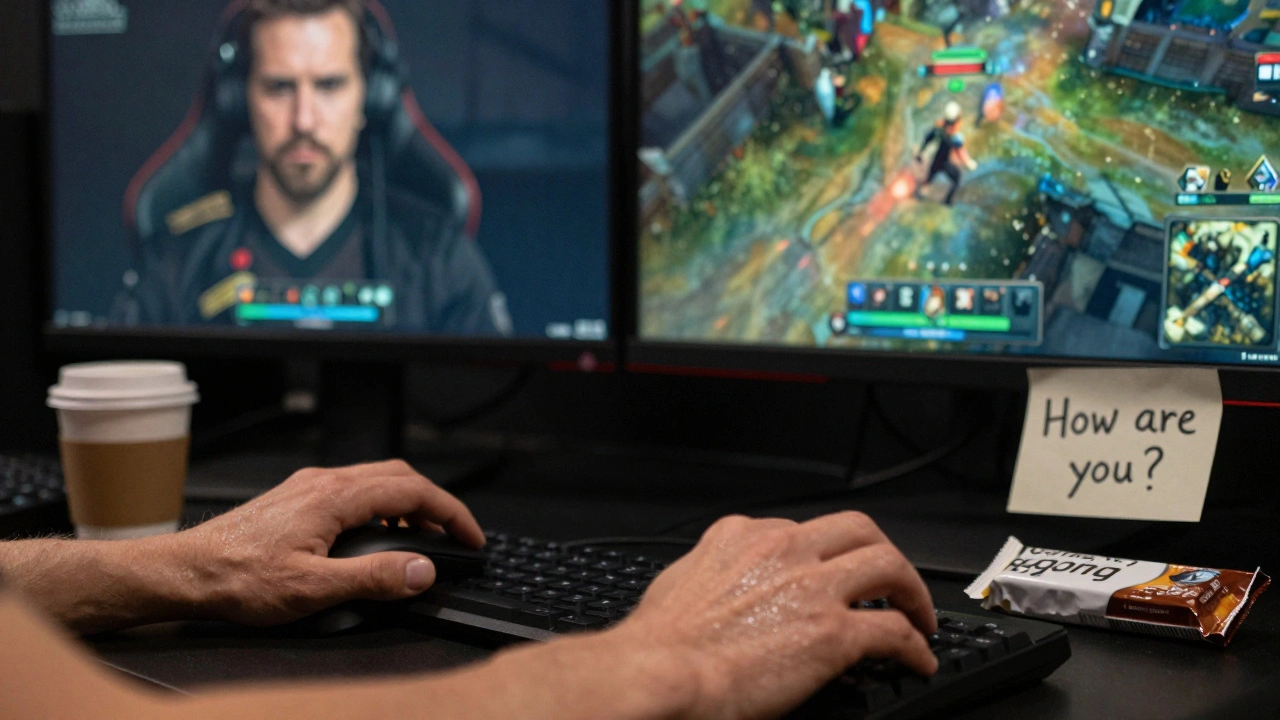
And in esports, where performance is everything, players don’t take breaks. They push through. They play through panic attacks. They stream through insomnia. They win tournaments while crying in the shower afterward.
There’s a reason why so many pro gamers retire before 25. It’s not burnout from practice alone. It’s burnout from isolation. The body can handle long hours. The mind can’t handle being unheard.
Who’s Supposed to Fix This?
Teams say they care. Organizations have mental health programs on paper. Some even hire psychologists. But most of these programs are optional. Quiet. Hidden. Players fear that asking for help will make them look unstable - or worse, replaceable.
Coaches are under pressure to win. Owners are under pressure to make money. Players are under pressure to perform. No one has time to check in. And when someone does, it’s usually after a breakdown - not before.
There are exceptions. Teams like Team Liquid and Fnatic have started peer support groups. Some players now have mandatory weekly check-ins with mental health professionals. But these are still rare. Most organizations treat mental health like a PR move - not a priority.
What Can Change?
Change doesn’t start with big policies. It starts with small moments.
- What if teams had one hour a day where screens were off? No games. No comms. Just talking.
- What if coaches asked, "How are you really doing?" - and actually waited for an answer?
- What if players were taught how to say, "I need help," without fear?
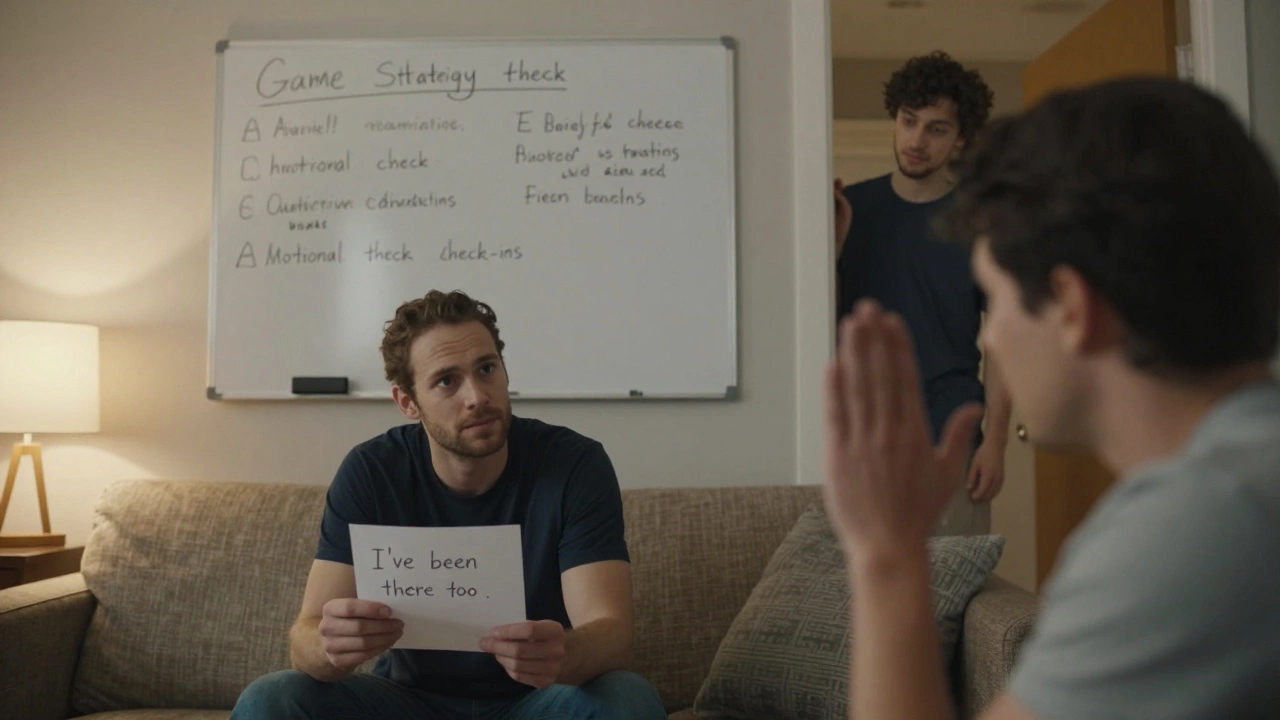
Some teams are trying. One North American organization now has "no-voice" days once a week. Players can’t use comms. They have to write notes to each other. At first, it felt weird. Now, it’s the most honest time of the week.
Another team started a simple rule: if someone doesn’t speak for three days straight, someone else has to ask them why. No judgment. Just care.
These aren’t fancy programs. They’re human things. And in a world built on pixels and performance, they’re revolutionary.
You Don’t Have to Be Alone
Loneliness in esports isn’t inevitable. It’s engineered. And if it can be built, it can be broken.
The best teams aren’t the ones with the most wins. They’re the ones where players feel safe being human. Where someone notices you haven’t eaten. Where you can say, "I’m not okay," and not be judged.
Esports is supposed to be about community. But if we keep treating players like machines, we’ll keep losing them - not to defeat, but to silence.
Maybe the real championship isn’t in the tournament bracket. Maybe it’s in the quiet moment when a teammate says, "I’ve been there too."
Why do pro gamers feel lonely even when they’re on a team?
Pro gamers often live in the same house and train together, but their environment is designed for performance, not connection. Long hours, language barriers, cultural differences, and pressure to perform make it hard to form real bonds. Many players fear speaking up about loneliness because they think it makes them look weak or replaceable. The team becomes a workplace, not a community.
Is loneliness common in esports, or is this just a few cases?
It’s widespread. A 2024 study of 1,200 professional players across 18 countries found that over 68% reported daily loneliness - more than double the rate in the general population. Over half said they didn’t feel comfortable talking to their team about it. This isn’t anecdotal; it’s data-driven and consistent across regions.
How does social media make loneliness worse for pro gamers?
Social media creates the illusion of connection. Players get thousands of comments, likes, and messages daily - but these are surface-level interactions. They don’t replace real, vulnerable conversations. Many players say they feel more alone after streaming because they’ve performed for hours without being truly seen. The more visible they are, the more hidden they feel.
Do esports organizations do enough to help with mental health?
Most don’t. While some top teams have mental health professionals on staff, these services are often optional, hidden, or stigmatized. Players fear asking for help because they worry about being benched, replaced, or seen as unstable. Mental health support is treated like a PR tool, not a necessity. Real change requires culture shifts - not just policies.
What small changes can teams make to reduce loneliness?
Simple actions work best. One team introduced "no-voice" days where players had to write notes instead of using comms - it led to deeper conversations. Another team made it a rule: if someone doesn’t speak for three days, someone else checks in. No judgment. Just care. Teams that prioritize human connection over constant performance see better results, longer careers, and fewer burnouts.