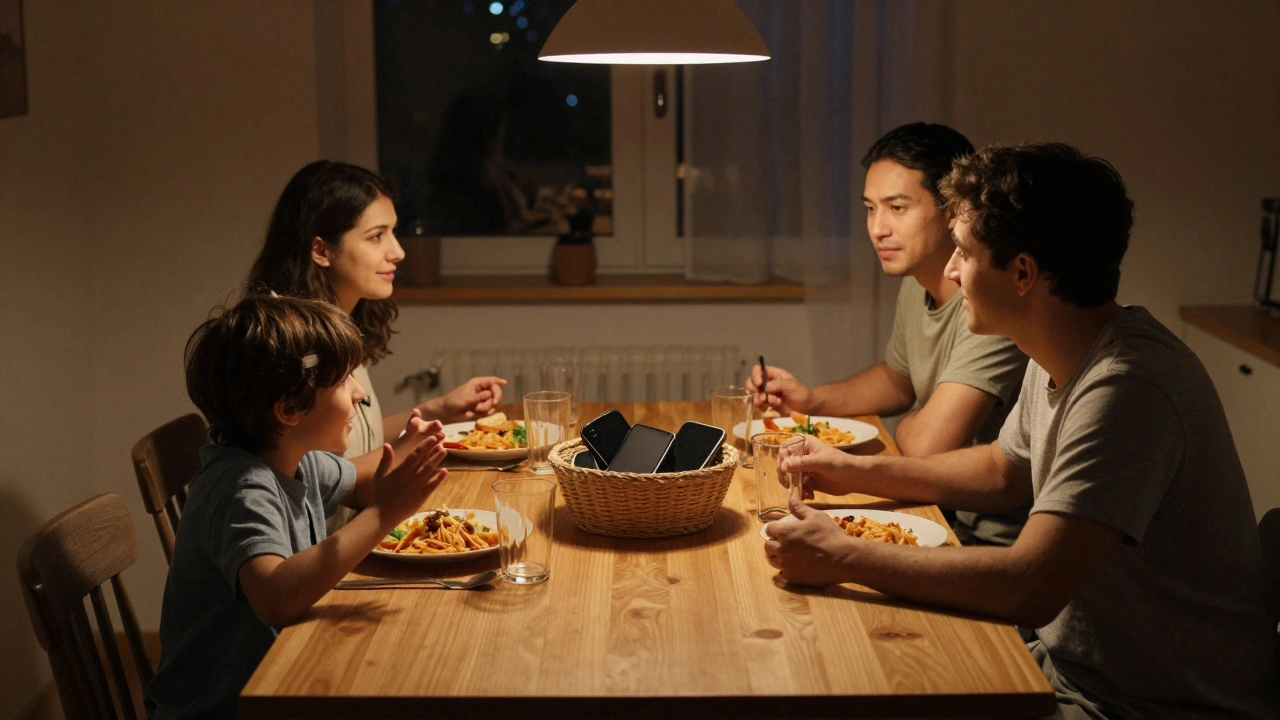
Think about the last time you sat down to eat with your family. Not just ate-really sat. Looked up from your phone. Asked how their day went. Listened. If you can’t remember, you’re not alone. More than 60% of American families now eat at least one meal a week without everyone present, according to a 2025 survey by the Family Dynamics Institute. And it’s not just about food. It’s about connection. Every missed dinner, every takeout meal eaten in front of the TV, every hurried sandwich while scrolling through work emails is quietly chipping away at something deeper: your family’s emotional foundation.
Why Meals Matter More Than You Think
Family meals aren’t just a tradition. They’re a biological and psychological ritual. When people eat together, their bodies release oxytocin-the bonding hormone. Their brains synchronize. Conversation flows more naturally. Studies from the University of Michigan show that children who eat with their families at least five times a week are 40% less likely to develop anxiety and 35% more likely to report high levels of emotional well-being. But it’s not just kids. Adults who regularly share meals with loved ones report feeling more supported, less stressed, and more understood-even if they never talk about anything deep.
It’s the small stuff that builds the bond: the way your partner always steals the last bite of fries, the way your kid tells you about their teacher’s weird hat, the way your mom laughs too loud at her own joke. These moments aren’t just cute. They’re anchors. They remind you who you belong to. When those moments disappear, so does the sense of safety that comes with knowing someone is always there, waiting at the table.
What Happens When Meals Disappear
Missing meals doesn’t just mean you’re eating alone. It means you’re missing the rhythm that holds a family together. Without regular shared meals, communication drops sharply. A 2024 longitudinal study tracked 2,000 households over three years. Families that ate together less than twice a week saw a 52% decline in open conversations about emotions, and a 68% increase in conflicts over minor issues like chores or screen time.
It’s not just about talking. It’s about presence. When you eat separately, you’re not just physically apart-you’re emotionally disengaged. You don’t notice when your teenager starts slouching at the table. You don’t hear when your partner’s voice gets quieter. You don’t catch the subtle shift in mood that comes before a breakdown. Meals are the quiet check-in system that keeps everyone grounded. Skip them too often, and you’re flying blind.

The Myth of ‘Too Busy’
People say they don’t have time. But here’s the truth: you don’t lack time. You lack priority. The average adult spends 2 hours and 17 minutes a day on social media. That’s more than enough time to eat one meal together. You don’t need a five-course dinner. You don’t need candles or tablecloths. You just need to be there.
Try this: pick one meal a week. Breakfast. Lunch. Even dinner. Make it non-negotiable. No phones. No TV. No excuses. Just food and presence. If someone’s late, wait. If someone’s tired, eat anyway. The act of waiting, of choosing to sit together even when it’s inconvenient, sends a louder message than any speech ever could: you matter.
How to Start Again (Without the Guilt)
If your family’s meal routine has been broken for months-or years-it’s not too late. But don’t try to fix it all at once. Start small. Here’s how:
- Choose one day. Sunday works for most. Make it the new anchor.
- Keep it simple. Pasta. Sandwiches. Leftovers. It doesn’t have to be fancy.
- Set one rule: no screens. Put phones in a basket. Or better yet, turn them off.
- Ask one question. Not ‘How was your day?’ That’s too broad. Try: ‘What’s one thing that made you smile today?’
- Let silence happen. Not every moment needs words. Sometimes just being together is enough.
Don’t expect perfection. Some nights will be awkward. Someone will spill sauce. Someone will monologue about their video game. That’s okay. Those are the moments that become memories.
The Ripple Effect
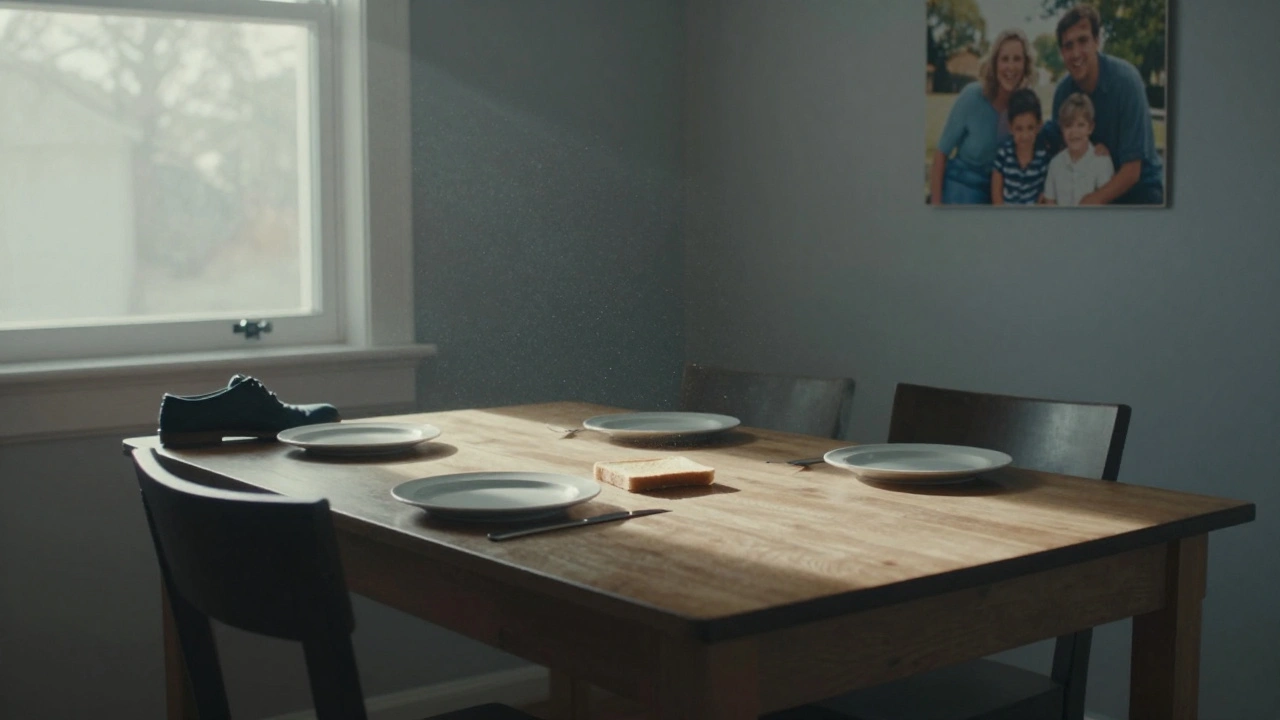
When you bring back family meals, the change doesn’t stop at the table. Kids who eat with their families regularly are more likely to do well in school, avoid risky behaviors, and develop stronger empathy. Adults who reconnect through meals report better sleep, lower blood pressure, and deeper friendships outside the home. It’s not magic. It’s routine. Consistency builds trust. Trust builds closeness.
And here’s the quietest benefit: you start to remember who you are together. Not as individuals with separate schedules, but as a unit. You learn each other’s rhythms. You know when someone needs space. You know when they just need to be fed. That’s the kind of connection no app, no text, no video call can replace.
It’s Not About the Food
Family meals aren’t about the calories. They’re about the connection. They’re about the quiet moments between bites. The way your sister hums while washing dishes. The way your dad always saves you the last piece of bread. The way your kid tells you about their dream of becoming an astronaut, and you actually listen.
Those moments don’t come from grand gestures. They come from showing up. Again. And again. Even when you’re tired. Even when you’re stressed. Even when you’d rather just eat alone.
Because the truth is simple: the people you love most are worth more than your convenience. And every meal you share with them is a tiny act of love you can’t buy, can’t schedule, and can’t replace.
What if my family hates sitting down for meals?
Start with something easier. Maybe it’s a 10-minute coffee together in the morning. Or eating dessert together after a movie. The goal isn’t to force a full meal-it’s to create a habit of being together. Once that habit forms, you can slowly expand it. The key is consistency, not duration.
Can we still bond if we eat different meals?
Absolutely. You don’t need to eat the same food. What matters is sharing the space and time. One person can have grilled chicken, another can have ramen, and a third can have leftovers. As long as you’re all at the table, talking, and present, the food doesn’t matter. It’s the rhythm, not the recipe.
Is it too late to fix this if my kids are teenagers?
Never too late. Teenagers may roll their eyes, but they notice. They may not say it, but they crave stability. Even one consistent meal a week can rebuild trust. Start with something low-pressure-like a Saturday pancake breakfast. Be patient. Don’t demand conversation. Just show up. Over time, they’ll start to show up too.
What if someone always dominates the conversation?
Gently redirect. Say something like, ‘I’d love to hear what everyone else thought about that.’ Or, ‘Let’s each share one thing that happened today.’ You don’t need to shut them down. Just create space for others. It’s not about control-it’s about balance. And silence is okay. Sometimes the best conversations happen after someone finally stops talking.
Do we need to eat together every day?
No. Five times a week is ideal, but even once a week makes a measurable difference. The goal isn’t perfection-it’s consistency. One reliable meal a week builds more trust than five rushed ones. Pick a day that works. Stick to it. And don’t stress if you miss it. Just try again next time.