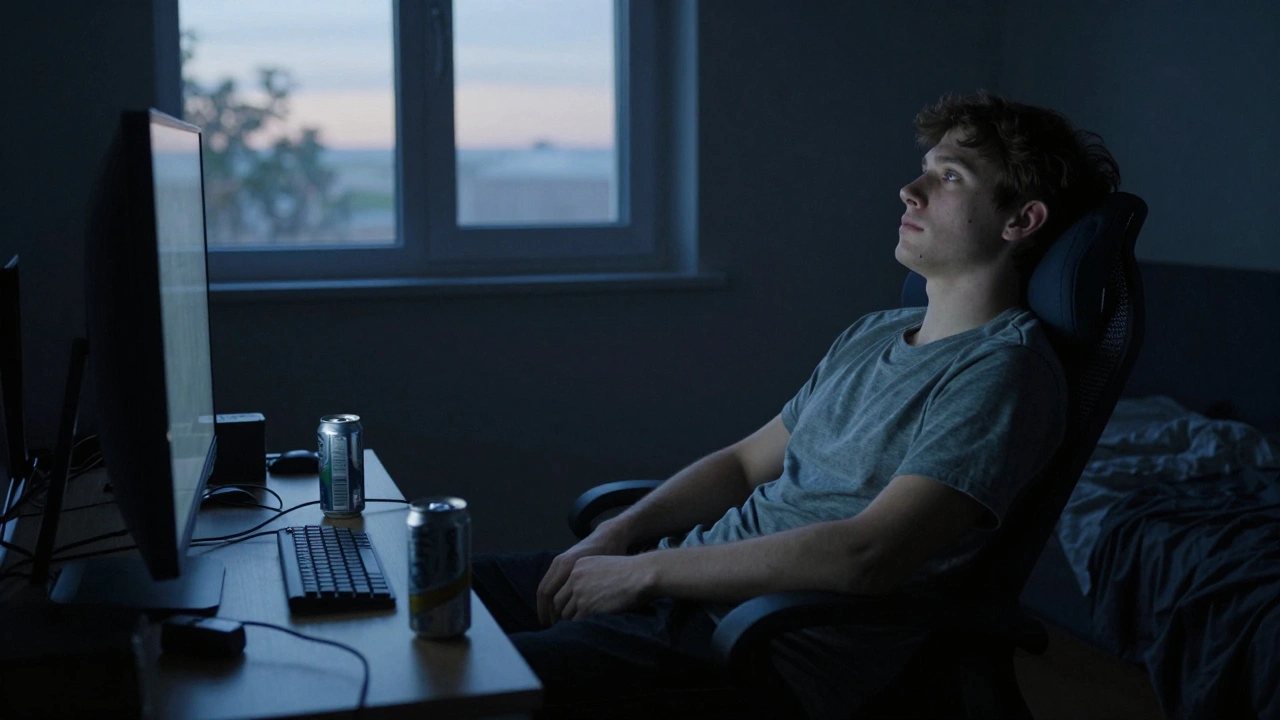
Have you ever stayed up until 3 a.m. playing a game, telling yourself you’ll stop after just one more level-only to wake up six hours later with a sore neck and zero sleep? If this sounds familiar, you’re not alone. But when gaming stops being a hobby and starts controlling your life, it might be more than just a bad habit. It could be internet gaming disorder.
The World Health Organization officially recognized internet gaming disorder as a mental health condition in 2018. It’s not about playing too much. It’s about losing control over gaming despite serious consequences. You don’t need to play 12 hours a day to be affected. Sometimes, just 5 hours of daily gaming, if it’s disrupting your job, relationships, or health, is enough to raise a red flag.
1. Preoccupation with Gaming
You think about games constantly-even when you’re not playing. Your mind drifts to loot drops, rank climbs, or boss fights during work meetings, while driving, or even in the middle of a conversation. It’s not just enjoying a game; it’s needing it to feel mentally complete. You might replay scenes in your head, plan your next session obsessively, or feel anxious if you can’t log in.
2. Withdrawal Symptoms When Not Playing
When you try to cut back or stop gaming, you don’t just feel bored-you feel physically uneasy. Irritability, restlessness, headaches, or even nausea can show up. Some people describe it like quitting caffeine or nicotine. It’s not just mood swings. It’s a physical craving your brain has learned to expect. If you’ve ever snapped at someone because you were forced to log off, this symptom is likely at play.
3. Increasing Need for More Gaming Time
You used to be happy with two hours a night. Now you need five. Or seven. Or you’re playing until your eyes burn. This isn’t about getting better at the game-it’s about chasing the same level of satisfaction you used to get with less time. The brain adapts. What once felt exciting now feels flat, so you play longer to get the same high. It’s a classic sign of tolerance, just like with substances.
4. Losing Interest in Other Activities
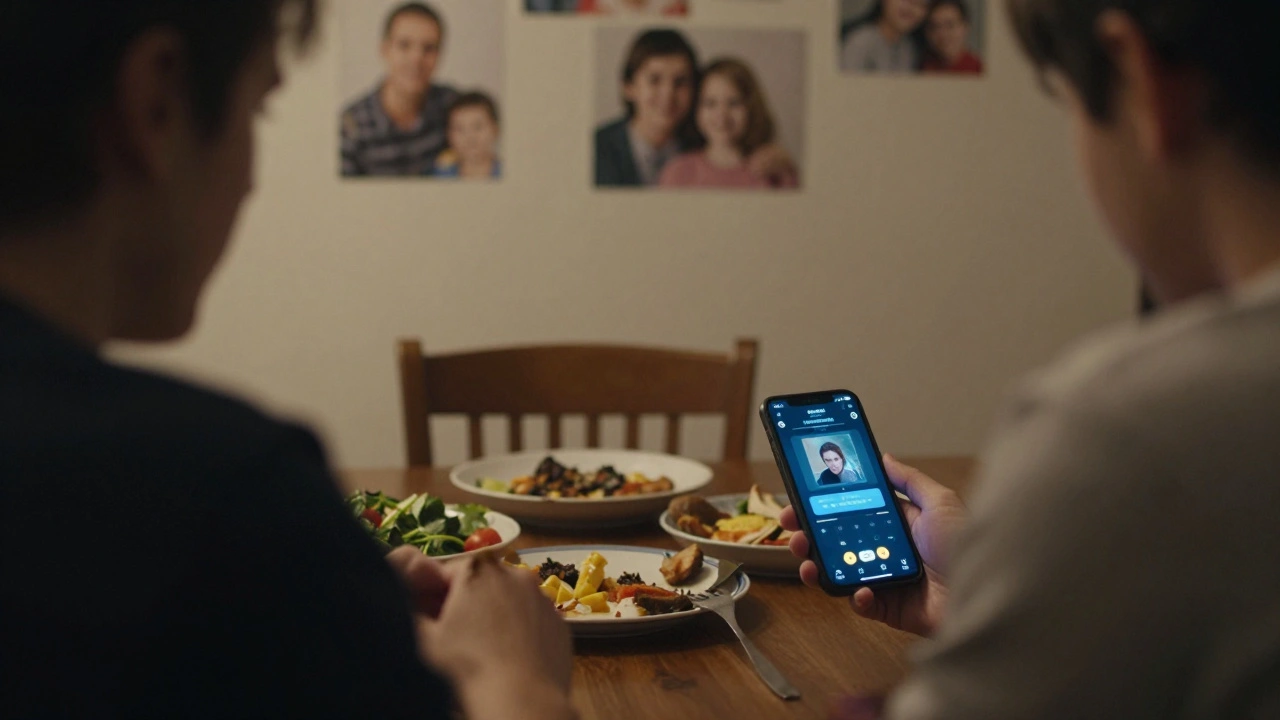
Remember when you used to hike, read books, or hang out with friends? Now those things feel dull. You’ve lost motivation for anything that doesn’t involve a screen and a controller. Social events get canceled. Hobbies are abandoned. You don’t just skip them-you genuinely don’t care anymore. That’s not laziness. It’s your brain prioritizing gaming over everything else.
5. Continuing Despite Negative Consequences
You know gaming is hurting you. You’ve missed deadlines. Your grades dropped. Your partner left. You’re broke from microtransactions. But you still play. You lie about how much you play. You hide your screen time. You promise yourself you’ll quit tomorrow-again. The fact that you keep going despite clear damage is one of the strongest indicators of addiction.
6. Deception About Gaming Habits
You lie to family, friends, or even therapists about how much time you spend gaming. You say you played “just a little” when you were online for 10 hours. You delete browsing history. You turn off notifications so no one notices how often you log in. This isn’t about shame-it’s about avoiding confrontation because you know you can’t control it.

7. Using Gaming to Escape Negative Emotions
When you’re stressed, lonely, or sad, you don’t call a friend or go for a walk. You turn on your console. Gaming isn’t a reward anymore-it’s a coping mechanism. You use it to numb anxiety, avoid depression, or escape reality. This is dangerous because it stops you from learning healthier ways to handle emotions. The game becomes your therapist, and it’s not qualified.
8. Risking or Losing Important Relationships
You’ve missed birthdays. You’ve ignored sick family members. You’ve argued with partners over your gaming time. Friends have stopped inviting you out because you always say no. You’ve been fired from jobs or dropped from school teams because of missed commitments. The people who care about you are pulling away-and you’re too absorbed in the game to notice, or too ashamed to fix it.
9. Physical Health Decline
Your body is paying the price. You have chronic back pain from sitting for hours. Your eyes are dry and blurry. You’ve gained weight-or lost it-because you forget to eat. You skip showers. You have sleep disorders. You’ve developed carpal tunnel or wrist pain. These aren’t side effects. They’re direct results of a lifestyle built around gaming. Your health isn’t just neglected-it’s actively being damaged.
If you recognize several of these symptoms in yourself or someone you care about, it’s not too late to change. Internet gaming disorder doesn’t mean you’re weak or lazy. It means your brain’s reward system got hijacked. Recovery starts with awareness-and then action.
Start by tracking your playtime. Use an app, a notebook, or your console’s built-in stats. Be honest. Then set limits-no gaming before 7 p.m., or no gaming on weekdays. Talk to someone. A therapist trained in behavioral addictions can help. Support groups exist. You’re not alone.
Games are meant to be fun. Not all-consuming. Not life-stealing. Not a substitute for living. If gaming is stealing your time, your health, or your relationships, it’s time to ask: Who’s really in control here?
Is internet gaming disorder the same as being addicted to video games?
Yes, they’re the same thing. The term "internet gaming disorder" is the clinical name used by the World Health Organization. It refers to a pattern of gaming behavior that causes significant distress or impairment in personal, family, social, educational, or occupational areas. It’s not about how many hours you play-it’s about whether your gaming is out of control and causing harm.
How common is internet gaming disorder?
Studies suggest between 1% and 9% of gamers meet the criteria for internet gaming disorder, depending on the population studied. It’s more common in adolescent males, but it affects people of all ages and genders. Most people who play games don’t develop this disorder-but for those who do, the impact can be severe.
Can internet gaming disorder be treated?
Yes. Treatment often involves cognitive behavioral therapy (CBT), which helps people recognize unhealthy thought patterns around gaming. Family therapy can be helpful if relationships are damaged. Some clinics offer structured programs that include digital detox, skill-building for real-world activities, and relapse prevention. Medication isn’t typically used, but it may be considered if there are co-occurring conditions like depression or ADHD.
Does playing multiplayer games increase the risk of addiction?
Multiplayer games-especially those with loot boxes, ranked systems, or social pressure-can increase the risk. They’re designed to keep you engaged longer. The fear of letting your team down, or missing out on events, creates a psychological loop that’s hard to break. Single-player games can also be addictive, but multiplayer games often have stronger social hooks that reinforce compulsive behavior.
What’s the difference between a gaming habit and gaming addiction?
A habit is something you choose to do. An addiction is something that chooses you. If you can stop gaming without distress, if it doesn’t interfere with your responsibilities, and if you still enjoy other parts of life-you likely have a healthy habit. If you feel anxious when you can’t play, if you lie about it, if you’ve lost relationships or jobs because of it-you’re likely dealing with addiction.