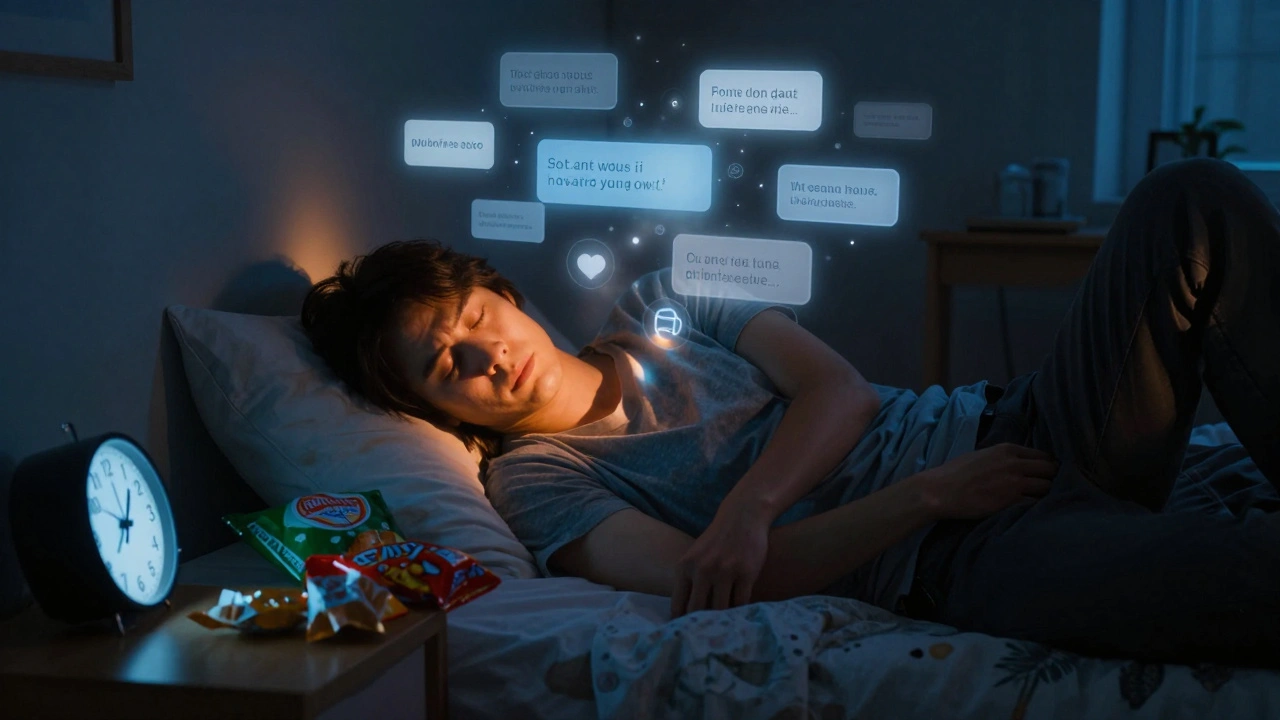
More than 3 million people in the U.S. struggle with gaming addiction, and many of them don’t know where to turn. Online gaming addiction isn’t just about playing too much-it’s when gaming starts to damage relationships, jobs, sleep, or mental health. That’s where online support groups come in. These aren’t chat rooms or forums where people brag about high scores. These are real communities built by people who’ve been there, and they’re changing lives every day.
What Online Gaming Addiction Support Groups Actually Do
These groups aren’t about shaming or preaching. They’re about connection. Someone who’s lost a job because they played 12 hours a day, someone who missed their sister’s wedding because they were grinding in an online game, someone who hasn’t talked to their parents in months-they all find each other online. The group gives them a place to say, “I’m not alone.”
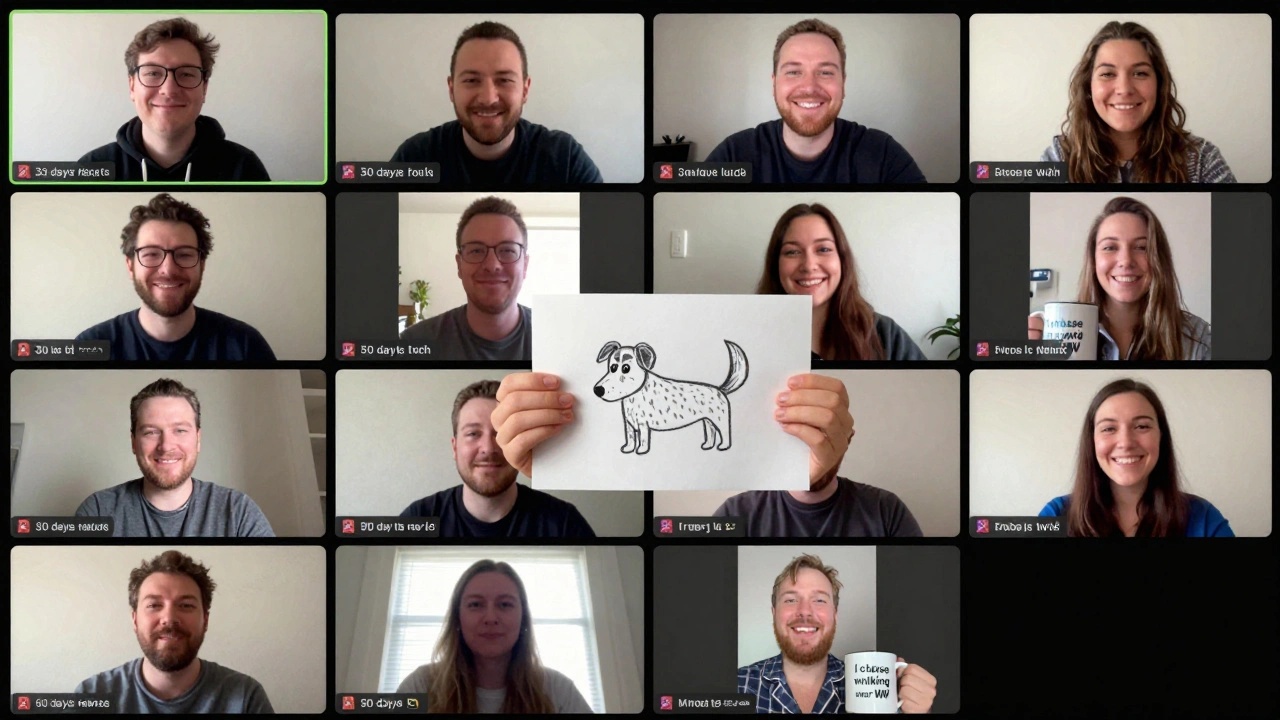
Most groups follow a simple structure: weekly video meetings, private messaging, and shared journals. People post about their triggers-like losing a match, feeling lonely, or getting bored-and others respond with what worked for them. One member might say they started walking their dog every evening to break the cycle. Another might share how they switched from playing solo games to co-op games with friends to rebuild real connections.
Unlike therapy, which can cost $100+ an hour, these groups are free. And unlike self-help blogs, they’re real-time. You can ask a question at 2 a.m. and get a reply from someone in Australia who’s been up all night too.
How They’re Different From Regular Online Forums
There’s a big difference between Reddit threads about “how to stop playing Valorant” and a structured support group. Forums are open to anyone. Support groups have rules. They ban toxic behavior. They don’t allow bragging about hours played. They don’t let people trade game tips as a way to keep playing.
Many groups use the 12-step model adapted from addiction recovery programs. That means steps like admitting you’ve lost control, making amends to people you hurt, and finding a sponsor who’s been in recovery longer than you. Others use cognitive behavioral therapy (CBT) techniques-like tracking gaming time, identifying emotional triggers, and replacing gaming with healthier habits.
One group in the U.S., called GameOver, tracks progress with a simple metric: “Days without gaming relapse.” Members who hit 30 days get a digital badge. Those who hit 90 days are invited to lead a session. It’s not about perfection-it’s about momentum.
Who Runs These Groups?
You might assume they’re run by therapists. But most aren’t. They’re run by people who recovered. Someone who beat a 7-year addiction to World of Warcraft. A college student who quit League of Legends and went back to school. A parent who helped their teen rebuild their life after gaming caused a mental health crisis.
These leaders don’t need licenses. They need honesty. They need to have walked the path. Many have completed training through organizations like Internet and Gaming Addiction Support Network (IGASN), which offers free certification for peer facilitators. It’s peer-to-peer recovery, not clinical treatment-but it works.
A 2024 study from the University of Oregon tracked 1,200 people in online gaming support groups over 18 months. Those who attended at least three meetings a month cut their gaming time by 78% on average. And 63% reported improved relationships with family and friends.
Where to Find These Groups
Not all groups are easy to find. Many aren’t on Google. They’re hidden in private Discord servers, closed Facebook groups, or encrypted forums. Here are a few trusted places to start:
- GameQuitters - A global community with daily video check-ins, live Q&As, and a 30-day challenge. Free to join.
- Recover from Gaming - A U.S.-based group with weekly Zoom meetings and a private journaling app. They also have a parent support track.
- IGASN Directory - A verified list of 87 peer-led groups worldwide. All are vetted for safety and structure.
- Reddit r/gamingaddiction - Not a formal group, but a surprisingly supportive community with structured threads like “My 7-day streak” and “What replaced gaming for you?”
Some groups require a simple application. You might need to write a short note explaining why you’re joining. That’s not to gatekeep-it’s to make sure people are serious. If you’re just curious, come back in a few weeks. If you’re ready to change, you’ll be welcomed.
What to Expect in Your First Meeting
It’s normal to feel nervous. You might think, “What if they judge me?” But everyone there has been where you are. One woman in a recent meeting said she cried the first time she spoke because she hadn’t told anyone she was addicted to Elden Ring.
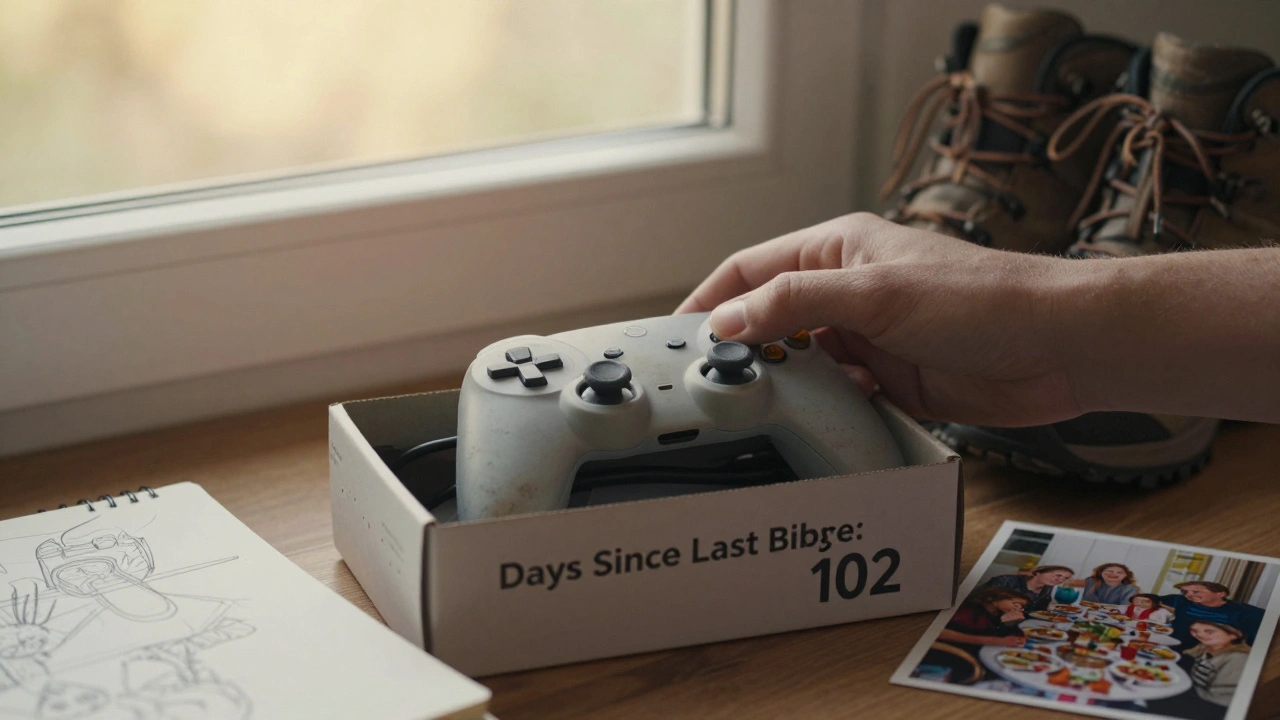
Most meetings start with a check-in. “How many days since your last binge?” “What did you do instead of gaming today?” Then people share stories. Sometimes it’s funny. Sometimes it’s heartbreaking. But it’s always real.
You don’t have to talk. Just listening helps. One man said he sat silently for six meetings before speaking. He didn’t say a word-but he typed his story into the chat. Someone replied: “I did that too. And I’m still here.” That’s all he needed to keep going.
What Doesn’t Work
Some people try to quit cold turkey. They delete their games, block the websites, and promise themselves they’ll never play again. But without support, 85% of them are back within 30 days.
Others rely on apps that lock their devices. Those can help short-term, but they don’t fix the loneliness, anxiety, or boredom that made gaming the escape in the first place.
Support groups work because they don’t just remove the behavior. They replace it-with connection, accountability, and purpose.
How to Know If You Need One
You might not realize you’re addicted. Here are signs:
- You’ve lied about how much you play.
- You’ve missed meals, sleep, or work because of gaming.
- Your relationships are strained because of it.
- You feel restless or irritable when you can’t play.
- You use gaming to escape stress, sadness, or boredom.
If you answer yes to three or more, you’re not weak. You’re human. And support is waiting.
What Happens After You Join
It’s not magic. The first week is hard. You’ll feel the urge. You’ll miss the rush. But slowly, you start to notice things you forgot you liked: cooking, reading, walking outside, talking to your dog.
One member said he started painting. Another began volunteering at a local animal shelter. A teenager reconnected with her basketball team. These aren’t grand transformations. They’re quiet, everyday rebuilds.
After six months, many members stop attending meetings regularly-but they stay in touch. They send messages to new members. They check in on each other. That’s the real power of these groups. They don’t just help you quit gaming. They help you rebuild your life.
Are online gaming support groups confidential?
Yes. Most groups require members to use first names only and ban screenshots or sharing personal details outside the group. Many use encrypted platforms like Signal or private Discord servers with strict moderation. You control what you share.
Can teens join these groups?
Yes. Several groups, like Recover from Gaming and GameQuitters, have separate tracks for teens under 18. These include parental involvement options and age-appropriate facilitators. Some require a parent to co-enroll for safety.
Do I need to be diagnosed to join?
No. You don’t need a diagnosis, a doctor’s note, or proof of addiction. If you feel gaming is hurting your life, you’re welcome. These groups are for people who want to change-not for people who need to prove they’re sick.
Are these groups only for people who play MMOs?
No. People join from all types of gaming: mobile games, battle royales, single-player story games, and even simulation or puzzle games. It’s not about the game-it’s about how it’s affecting your life.
Can I join if I’m still playing?
Absolutely. Many people join while still gaming. The goal isn’t to stop immediately-it’s to understand why you play and slowly reduce the hold it has on you. Progress, not perfection, is the standard.