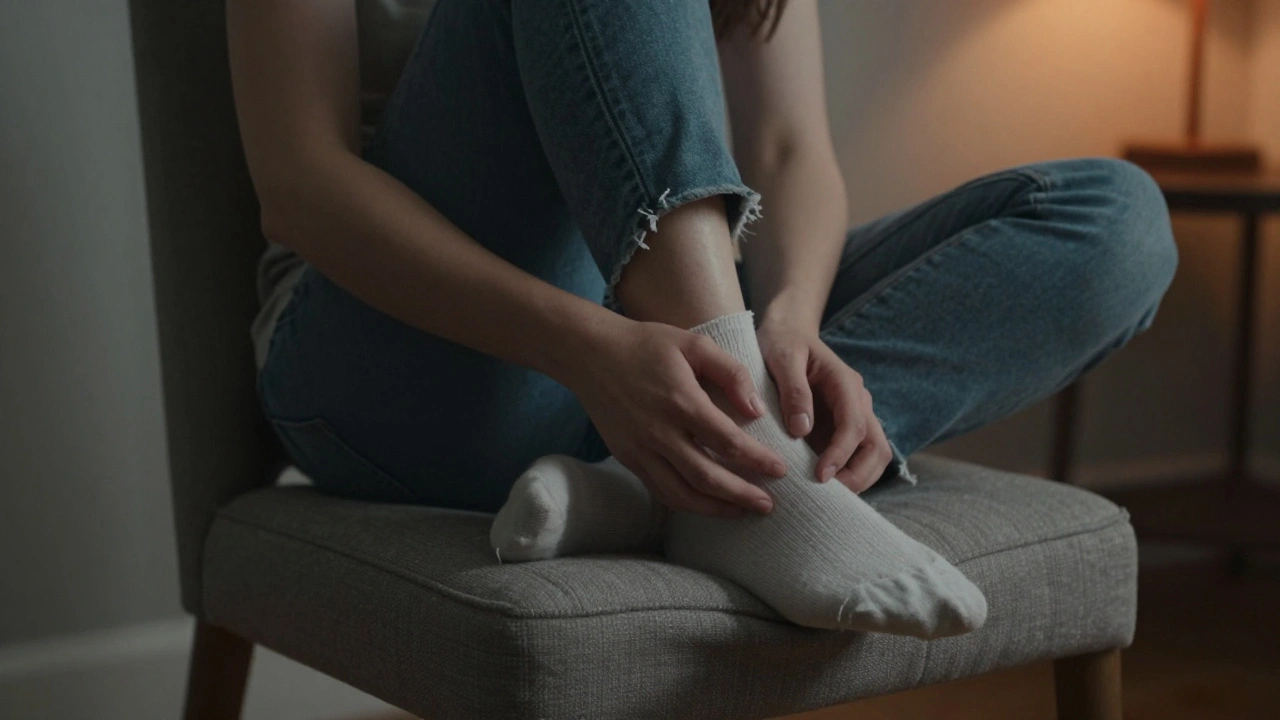
You sit down to take a break. Your hands are still twitching. Your legs bounce without you telling them to. You keep glancing at your phone, even though you know there’s no notification coming. You feel wired, but not tired. And you didn’t drink coffee. This isn’t anxiety. It’s not boredom. It’s your body reacting to the sudden absence of something it’s come to depend on: gaming.
What Physical Restlessness Looks Like
When you game for hours every day, your brain gets used to a steady stream of dopamine, adrenaline, and sensory input. The moment you stop, that chemical flow cuts off. Your nervous system doesn’t know how to reset. So it starts firing on its own.
Common signs include:
- Fidgeting so hard you wear out socks or damage chair cushions
- Legs shaking uncontrollably while sitting still
- Repetitive finger tapping, even when your hands are empty
- Constant need to stand up, walk around, then sit back down
- Feeling like your skin is buzzing or crawling
- Difficulty staying seated during meals, conversations, or movies
This isn’t just "being antsy." It’s a somatic withdrawal response-your body expressing addiction through physical movement. Studies from the Journal of Behavioral Addictions (2024) tracked 1,200 heavy gamers who cut playtime by 70% or more. Over 68% reported these exact symptoms within 24 to 48 hours of stopping.
Why Your Body Reacts This Way
Games are engineered to trigger reward loops. Every kill, every level-up, every loot drop sends a spike of dopamine. Over time, your brain starts needing those spikes just to feel normal. When you stop gaming, dopamine levels crash. Your body tries to compensate by increasing motor activity. Movement becomes a substitute for stimulation.
Think of it like caffeine withdrawal. Someone who drinks four espressos a day doesn’t just feel tired when they quit-they get headaches, tremors, and irritability. Gaming withdrawal works the same way, but it hits the motor cortex harder. Your body doesn’t just want stimulation. It craves the rhythm, the pace, the feedback.
Heavy gamers often describe it as "feeling like my nerves are bare." They don’t just miss the game. They miss the physical sensation of being engaged-of thumbs clicking, eyes tracking, muscles tensing in sync with on-screen action. When that’s gone, the silence feels loud.
How Long It Lasts-and How to Manage It
Most people experience peak restlessness between day two and day four after cutting back. Symptoms usually drop off by day seven, but some report lingering tremors or fidgeting for up to three weeks, especially if they were gaming 6+ hours daily.
Here’s what actually helps:
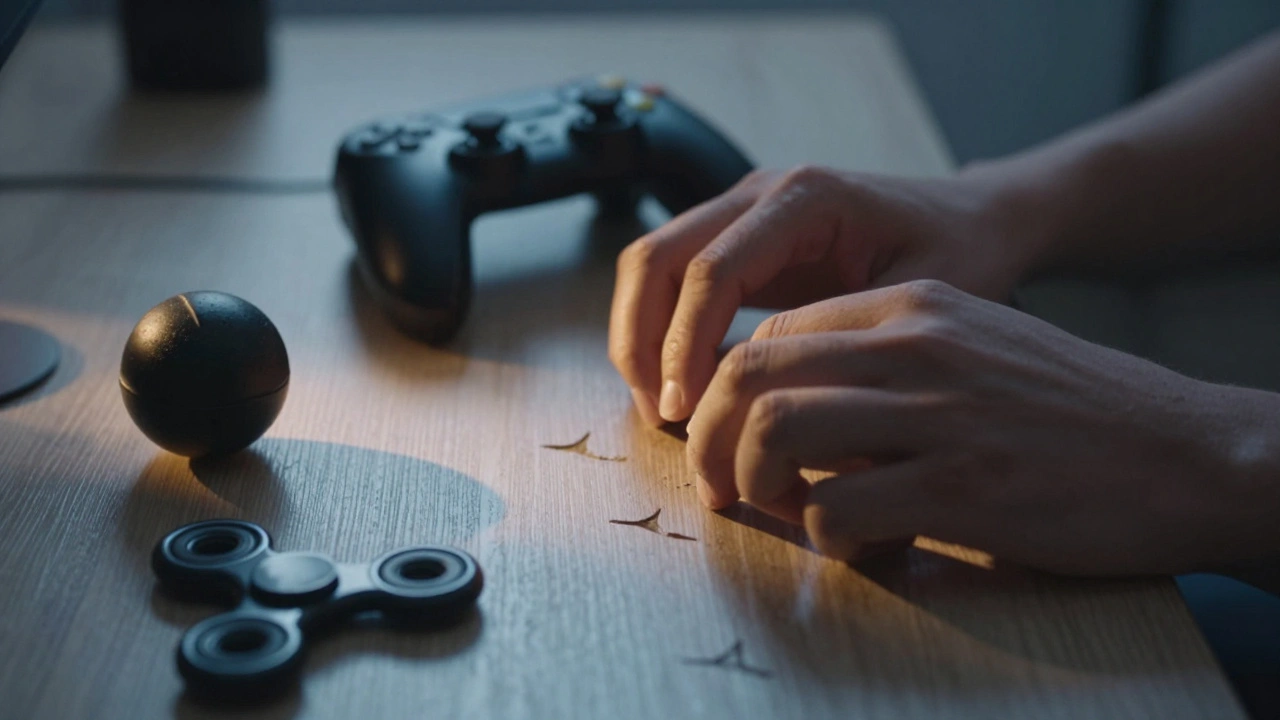
- **Replace the rhythm, not the game.** Try rhythmic activities: drumming on a table, using a stress ball, walking with a steady pace, or even knitting. These mimic the repetitive feedback your brain expects.
- **Move intentionally.** Don’t just pace. Try 10 minutes of stretching, squats, or jumping jacks. Physical exertion helps regulate dopamine naturally.
- **Use tactile tools.** Fidget spinners, textured putty, or weighted lap pads can ground your nervous system without replacing gaming.
- **Avoid screens after gaming.** Watching YouTube or scrolling TikTok keeps your brain in stimulation mode. Give it 30 minutes of silence or ambient sound instead.
- **Hydrate and sleep.** Dehydration and poor sleep worsen nervous system sensitivity. Drink water before bed. Aim for 7.5+ hours.
One person I spoke with in Portland-let’s call him Alex-used to play 8 hours a day. When he cut back, he couldn’t sit through dinner. He started using a vibrating massage pad while watching TV. It didn’t replace the game, but it gave his body something to latch onto. Within two weeks, the twitching stopped.
When It’s More Than Just Withdrawal
Not all restlessness is gaming-related. If you’re also experiencing:
- Heart palpitations or chest tightness
- Severe insomnia or panic attacks
- Nausea or dizziness
- Depression or suicidal thoughts
-then this goes beyond somatic withdrawal. It may be a sign of deeper neurological or psychological stress. Talk to a doctor. A 2023 study from Oregon Health & Science University found that 1 in 5 people with gaming-related withdrawal symptoms also had undiagnosed anxiety disorders.
Physical restlessness after gaming isn’t weakness. It’s a signal. Your body is telling you it’s been overstimulated, under-rested, and chemically rewired. The good news? It’s reversible. Your nervous system is adaptable. It just needs time, structure, and the right replacements.
What Helps Most: Real Stories
People who recover don’t just quit gaming. They rebuild their sensory world.
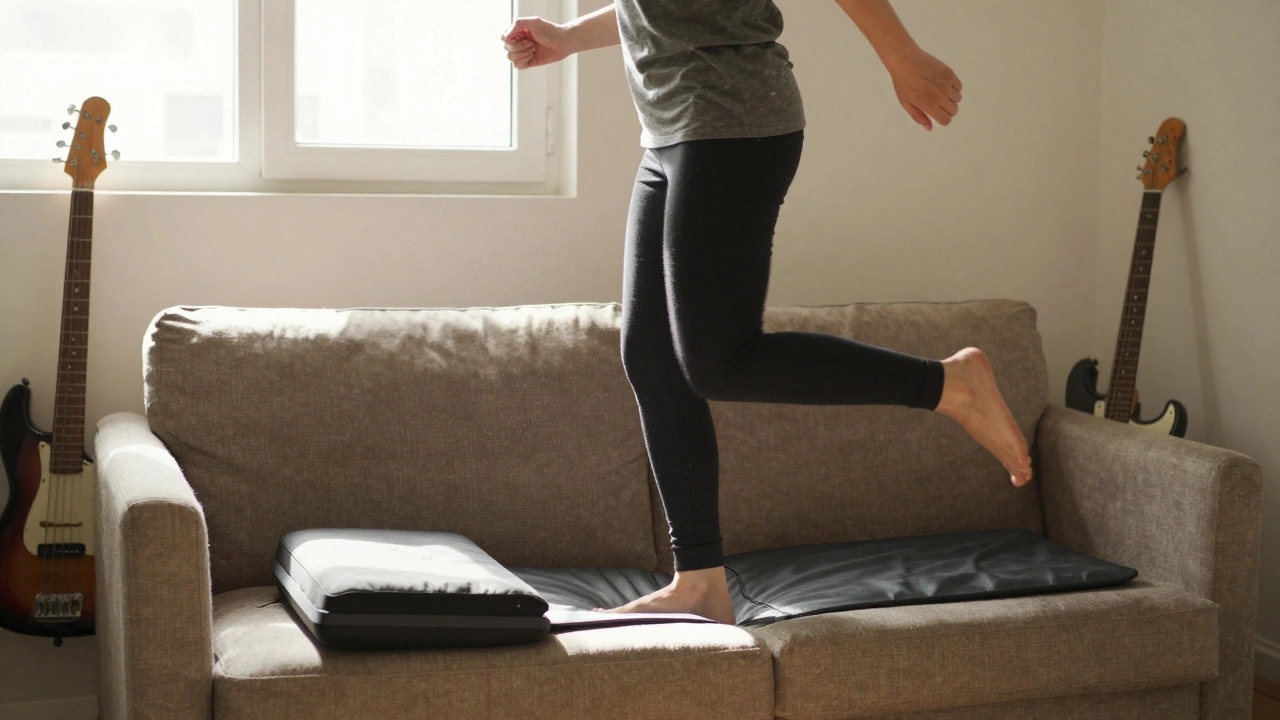
One woman in Eugene started playing bass guitar. The vibration, the rhythm, the physical feedback gave her body what it missed. Another man in Salem began rock climbing. The focus, the grip, the movement-everything clicked. A college student in Bend switched to long-distance running. He said, "I didn’t miss the game. I missed the feeling of being completely in my body. Running gave that back."
It’s not about finding another obsession. It’s about finding another way to feel alive without a screen.
It’s Not Just About Time
Most people think if they reduce gaming time, the symptoms disappear. But it’s not about hours. It’s about patterns. If you game while eating, gaming while scrolling, gaming while waiting for the bus-you’ve trained your brain to expect constant stimulation. You can’t just cut the game. You have to cut the habit loops.
Try this: For one week, don’t game in any environment where you used to game. No couch. No bed. No desk. Find one new place to sit-outside, in a chair by the window, on the floor with a blanket. Change the context. Your body will start to unlearn the association.
Physical restlessness fades when you give your nervous system something real to hold onto. Not another game. Not another screen. Just movement, rhythm, and quiet.
Is physical restlessness after gaming a sign of addiction?
Yes, if it’s persistent, happens after cutting back on gaming, and interferes with daily life. The American Psychiatric Association recognizes "Internet Gaming Disorder" as a condition for further study. Physical symptoms like restlessness, tremors, and irritability are common withdrawal markers, similar to substance dependence.
Can physical restlessness last for months?
Typically, no. Most people see improvement within 7 to 14 days. If symptoms last longer than three weeks, it may point to an underlying condition like ADHD, anxiety, or a neurological sensitivity. A medical evaluation is recommended in those cases.
Does gaming withdrawal affect sleep?
Absolutely. Gaming before bed suppresses melatonin and keeps your brain in high-alert mode. When you stop, your body may struggle to slow down, leading to insomnia, racing thoughts, or restless leg syndrome. Establishing a screen-free wind-down routine helps reset your circadian rhythm.
Why do I feel more restless after gaming than before?
Because gaming trains your brain to need constant stimulation. When you stop, your nervous system is left without its usual input. The restlessness isn’t because you’re bored-it’s because your brain is trying to recreate the intensity it’s used to. It’s a neurological rebound effect.
Should I quit gaming cold turkey to fix this?
Not necessarily. Cold turkey can make withdrawal worse. Instead, reduce playtime gradually-by 30 to 60 minutes per day-and replace the habit with physical or tactile activities. The goal isn’t to eliminate gaming, but to restore balance so your body doesn’t depend on it to feel regulated.