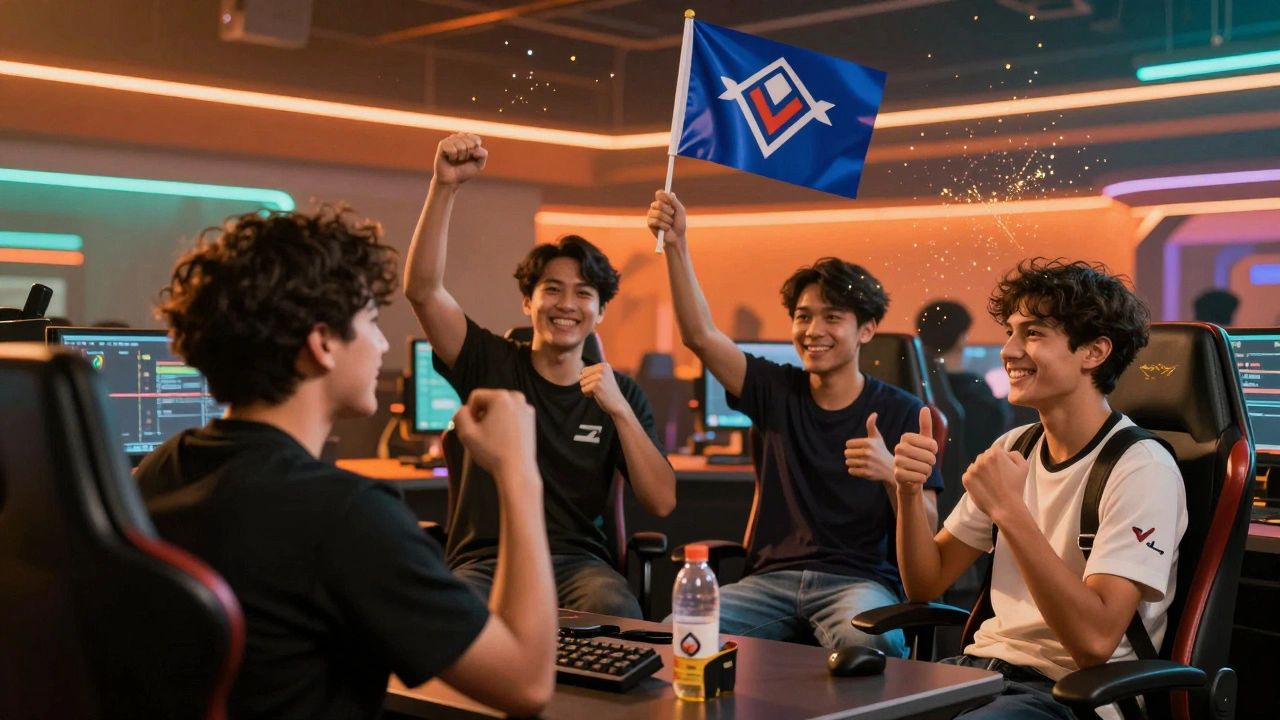
Ever been in a match where one player starts trash-talking, or someone quits mid-game just because they’re losing? It’s frustrating. But what if the opposite happened? What if every match felt like a fair contest, where players cheered good plays, helped newcomers, and handled losses like real competitors? That’s the power of sportsmanship in multiplayer games - and it’s not just nice to have, it’s what keeps games alive.
What Does Sportsmanship Look Like in Online Games?
Sportsmanship isn’t about winning. It’s about how you play, especially when no one’s watching. In multiplayer games, it means:
- Calling out good plays - even from opponents
- Not blaming teammates for mistakes
- Using voice chat to encourage, not insult
- Staying in the match even when you’re behind
- Helping new players understand mechanics instead of mocking them
It’s not about being perfect. It’s about showing up with respect. A 2024 study by the University of Oregon’s Digital Behavior Lab found that teams with even one player who consistently praised others had a 37% higher win rate and 52% lower report rates for toxicity. The data doesn’t lie: positive behavior directly improves outcomes.
Why Does It Matter More Than You Think?
Games like Valorant, League of Legends, and Apex Legends have millions of players logging in daily. But retention isn’t just about graphics or updates - it’s about how people treat each other. A 2025 survey by the Entertainment Software Association showed that 68% of players aged 16-24 have quit a game because of repeated toxic behavior. That’s not just a number. That’s a friend, a teammate, a community member who walked away.
When you play with sportsmanship, you’re not just making your own experience better. You’re making the whole ecosystem more welcoming. New players stick around. Loyal players return. Communities grow. And games last longer.
How Toxicity Spreads - And How to Stop It
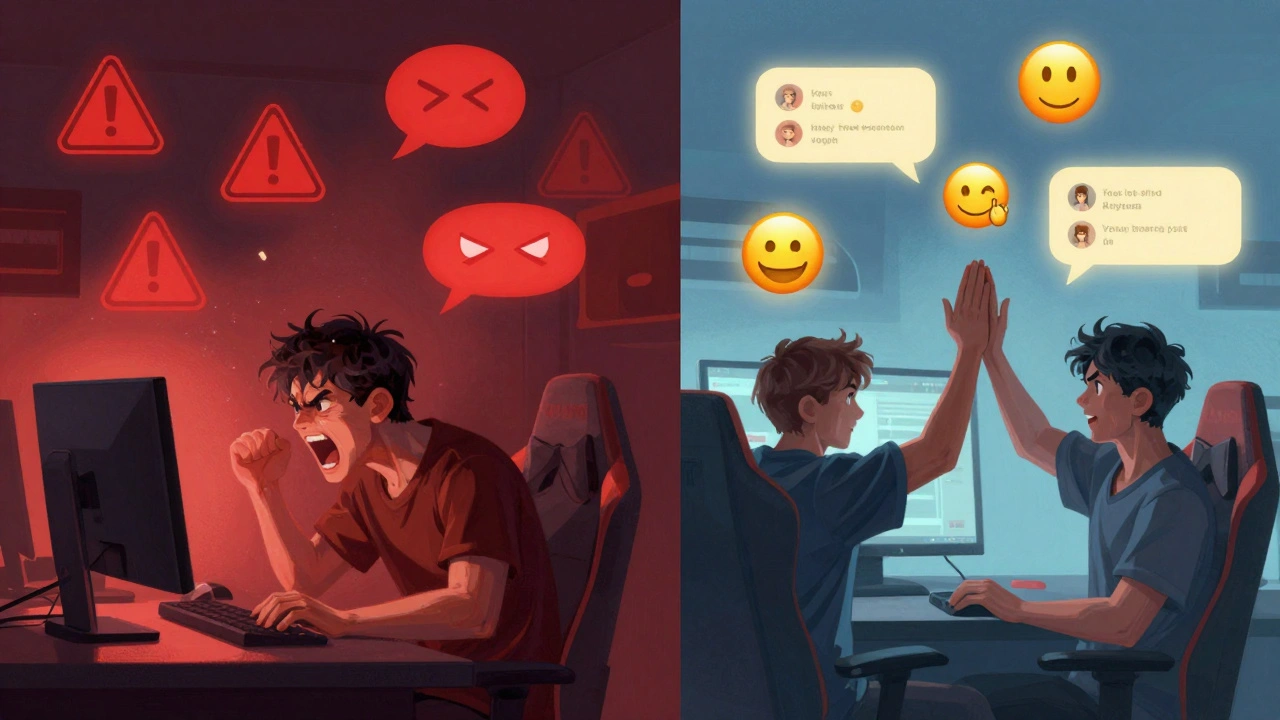
Toxicity doesn’t start with rage-quitting. It starts with a single comment. A sarcastic remark. A silent ignore when someone asks for help. A laugh at a mistake. These small actions add up. Research from Carnegie Mellon University shows that negative behavior spreads faster than positive behavior in online environments - one toxic player can influence up to five others within a single match.
But the reverse is true too. One player who says “good shot” or “nice try” can flip the mood. In a 2023 experiment in Overwatch 2, researchers introduced a simple in-game prompt: “Was your teammate helpful today?” with a thumbs-up button. When players used it, reports of toxicity dropped by 41% in the next 30 days. The fix wasn’t punishment. It was recognition.
Real Examples: When Sportsmanship Changed a Match
Take a recent match in Rocket League. A player missed a crucial goal, then typed: “Sorry, I’m still learning.” Instead of getting roasted, three teammates replied: “Nah, you’re getting better,” “Nice save earlier,” and “Keep going.” The player ended up scoring the winning goal five minutes later. That moment didn’t make headlines. But it happened. And it’s happening in thousands of matches every day.
Or consider a Fortnite squad where a 12-year-old kept dying early. Instead of kicking them, the team said: “We’ll cover you. Watch how we land next time.” They didn’t win. But the kid came back the next day - and brought his brother. That’s community building.
How to Build Sportsmanship in Your Own Play
You don’t need to be a pro to make a difference. Here’s how to start:
- Turn off voice chat if it’s full of hate - but don’t just leave. Use text to say something positive.
- Use in-game emotes. A wave, a salute, or a clap says more than words.
- Call out good plays in chat. Even if it’s the enemy. “Nice aim!” goes a long way.
- Don’t report someone for losing. Report only for abuse, not for skill.
- If you’re the toxic one, pause. Ask yourself: “Would I say this in person?”
It’s easy to think, “I’m just one person.” But one person can change the tone. One person can inspire others. One person can make a new player feel welcome.
What Game Developers Are Doing Right
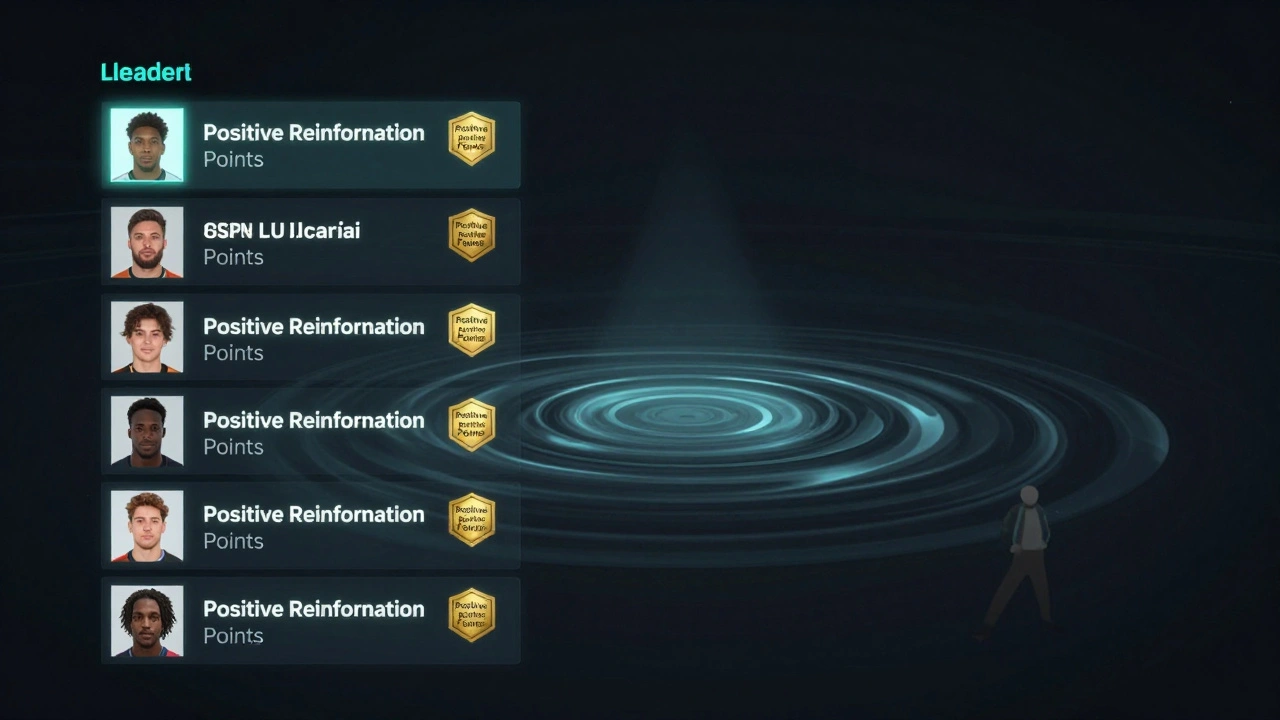
Some studios are finally listening. In 2025, Riot Games rolled out a new system in Valorant called “Positive Reinforcement Points.” Players earn points not just for wins, but for helping teammates, using supportive emotes, and avoiding negative chat. Top 10% of players get special cosmetic rewards - not for kills, but for kindness.
Steam added a “Community Spirit” badge in late 2024. It’s not visible to everyone, but if you’ve been reported zero times and given 10+ positive feedbacks, you get it. Over 1.2 million players earned it in six months.
These aren’t gimmicks. They’re systems that reward the behavior we all say we want.
The Ripple Effect: Beyond the Game
What happens in-game doesn’t stay in-game. A 2026 study from Stanford’s Social Interaction Lab tracked 500 teens who played competitive games with strong sportsmanship norms. After six months, they showed higher levels of empathy in school settings, better conflict resolution skills, and lower rates of online bullying outside games.
Games are practice grounds. If you learn to handle frustration, support others, and stay calm under pressure in a match, you carry those habits into real life. That’s why sportsmanship isn’t just about winning - it’s about growing.
Final Thought: You’re the Culture
The culture of a game isn’t set by the devs. It’s set by the players. Every time you choose kindness over rage, patience over mockery, you’re shaping the game’s future. You’re not just playing a game. You’re building a community.
So next time you jump into a match, ask yourself: Will I be the reason someone wants to come back? Or the reason they quit?
Is sportsmanship only important in competitive games?
No. Sportsmanship matters in every multiplayer game, whether it’s a casual co-op like Overcooked or a hardcore shooter like Counter-Strike. Even in games where winning isn’t the main goal, disrespect still drives people away. A simple “good job” or “thanks for helping” makes the experience better for everyone, no matter the game type.
Can one person really change the tone of a match?
Absolutely. Studies show that a single positive comment can reduce negative behavior by up to 30% in the same session. When someone says “nice play” or “we got this,” others are more likely to follow. It creates a ripple - a quiet chain reaction of respect that can turn a toxic match into a fun one.
Why don’t more players act with sportsmanship?
Anonymity and distance make it easy to act badly. When you can’t see someone’s face, it’s harder to feel the impact of your words. Also, many players learned from toxic environments themselves. But awareness is growing. More games now reward positive behavior, and players are starting to notice: kindness feels better than rage.
What if I’m the only one being positive - is it worth it?
Yes. Even if no one responds, you’re still setting a standard. You’re modeling behavior that others might copy later. And statistically, players who stay positive are more likely to be matched with others who are too. Over time, you’ll find better teams, better matches, and better experiences - because you helped create them.
Do game companies really care about sportsmanship?
They do - because it affects revenue. Toxic games lose players. Games with strong community norms have higher retention, longer playtime, and more in-game purchases. Companies like Riot, Valve, and Epic now track “positive interaction rates” as closely as win rates. They know: happy players spend more, stay longer, and bring friends.