Every year, more than 16 million American teens spend after-school hours with nothing structured to do. In cities like Portland, where after-school programs are underfunded and public parks close at dusk, public libraries have quietly become the most reliable place for young people to just be. Not just to read books, but to build robots, paint murals, learn coding with physical kits, or sit quietly without being told to get off their phone. Libraries aren’t just shelves of books anymore-they’re the last free, safe, open spaces left for kids who don’t have access to gyms, art studios, or quiet rooms at home.
Libraries Are the Only Free Space Left
Think about what most teens do after school. Some go home to empty apartments. Others wander malls or parks until curfew. A lot just scroll on their phones, often because there’s nowhere else to go that doesn’t cost money or require permission. Public libraries don’t ask for ID, don’t charge admission, and don’t kick you out for sitting too long. In 2024, the American Library Association reported that over 78% of public libraries in the U.S. now offer daily after-school programs specifically for teens. In Portland, the Multnomah County Library system runs six drop-in centers that stay open until 8 p.m. on weekdays. No sign-up. No fee. Just a chair, a charger, and a librarian who won’t mind if you’re quiet-or loud.
It’s not about books anymore. It’s about presence. A 2023 study from the University of Chicago tracked 1,200 teens who regularly visited their local library after school. Those teens were 40% less likely to report feeling lonely or anxious compared to peers who didn’t. Why? Because libraries offer something no app or screen can: real, low-pressure human connection.
What Actually Happens in These Programs?
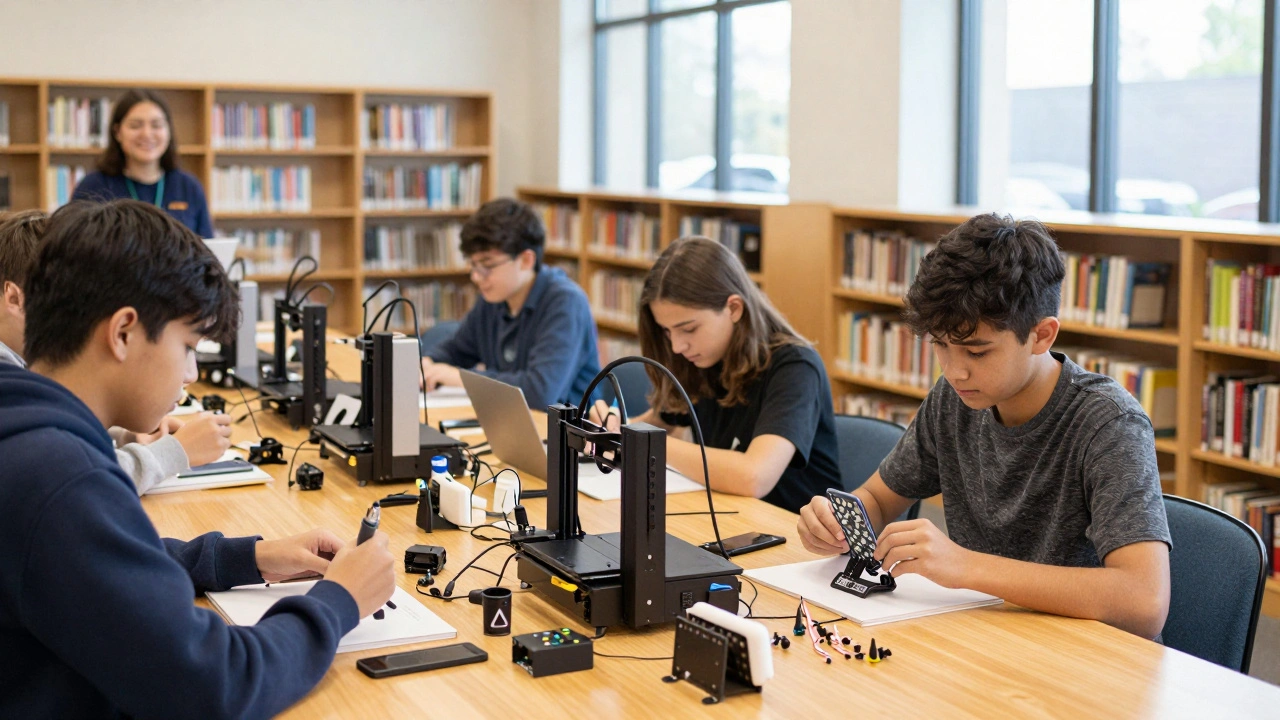
Forget the old image of libraries as silent reading rooms. Today’s youth programs are active, hands-on, and designed by teens themselves. In Portland, teens helped design the Maker Lab at the Central Library. It’s stocked with 3D printers, soldering irons, sewing machines, and even a small woodshop. Teens come in to build custom phone stands, repair old electronics, or make their own jewelry. No adult tells them what to do. They learn by doing, with a librarian nearby just in case they need help.
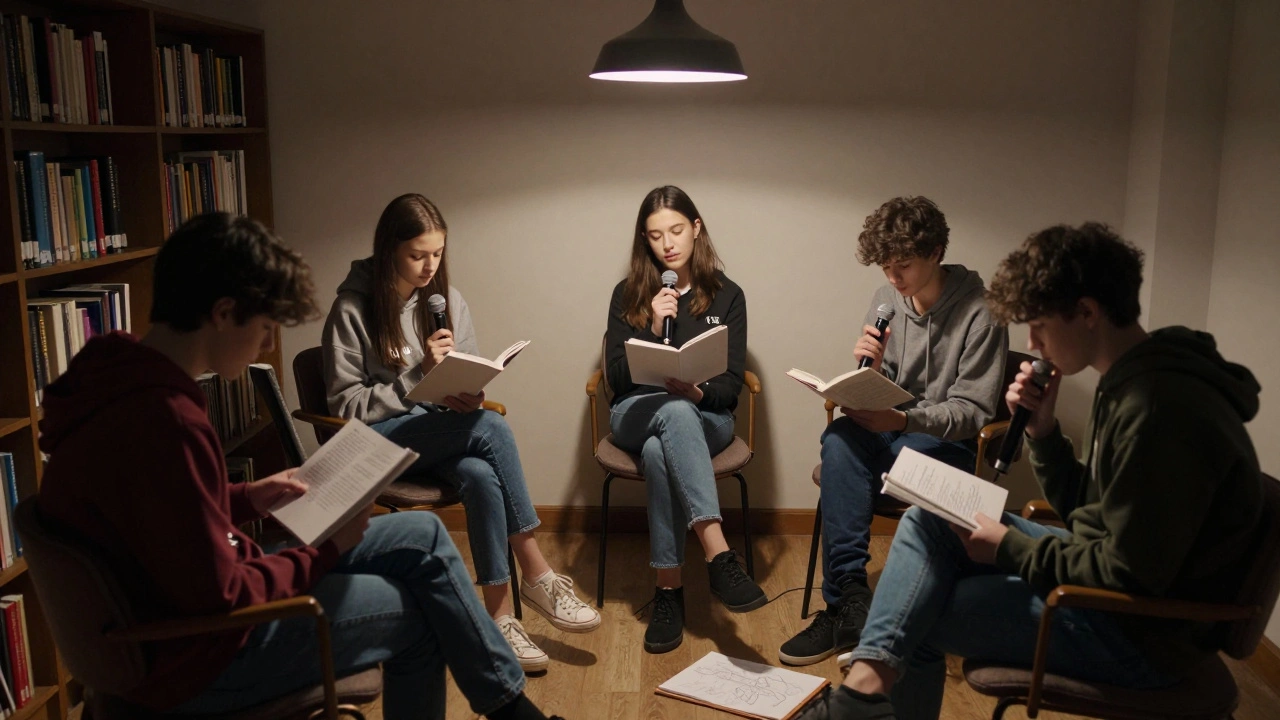
At the Milwaukie branch, there’s a weekly Story Slam where teens read original poems or short stories aloud. No prizes. No judging. Just a circle of chairs and a microphone. One 15-year-old told a reporter last year, "I didn’t know I could write until I came here. Now I have a notebook full of stuff I never showed anyone before."
Other common programs include:
- Board game nights with over 200 games available-no screens allowed
- Free tutoring in math, writing, and college applications
- Art clubs with supplies provided-paint, clay, sketchbooks
- Job readiness workshops where teens practice interviews and build resumes
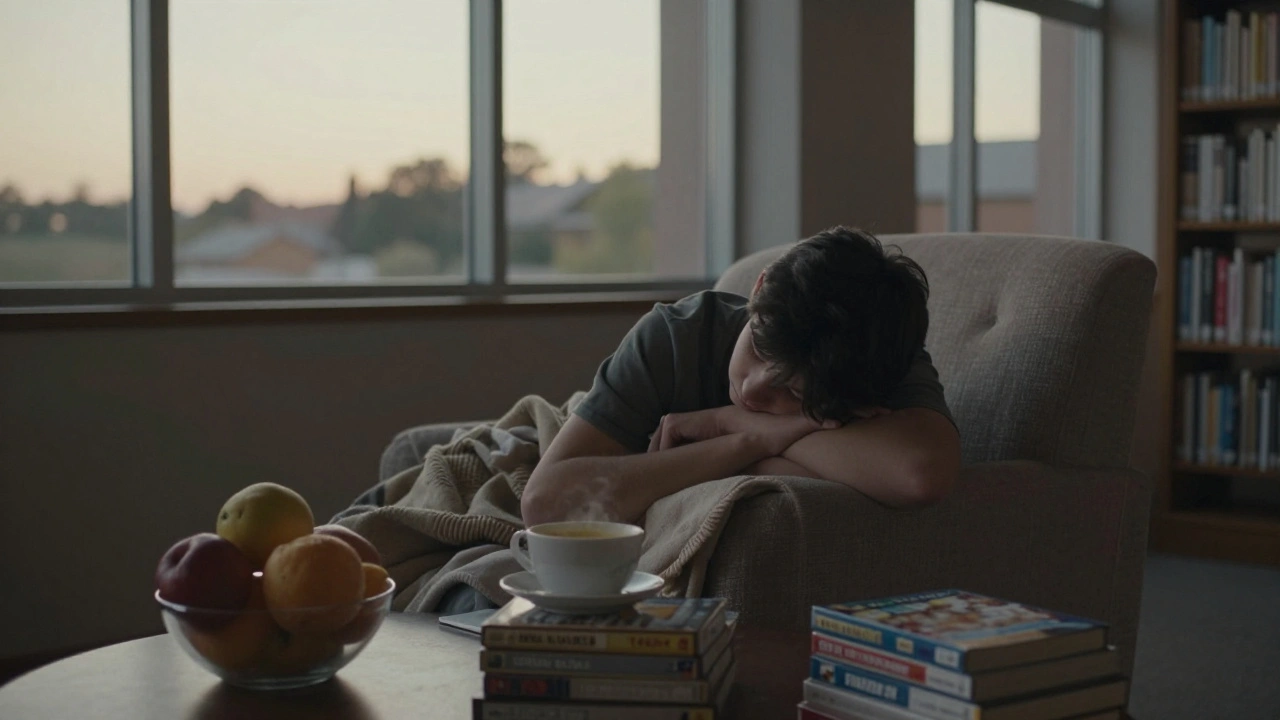
- Quiet zones with comfy chairs, natural light, and no Wi-Fi-just for thinking
These aren’t gimmicks. They’re responses to real needs. A 2025 survey of 300 Oregon teens found that 62% said they felt "more like myself" at the library than anywhere else. That’s not just about books. That’s about identity, safety, and belonging.
Why This Matters for Mental Health
Loneliness among teens has doubled since 2010. Rates of anxiety and depression are higher than ever. But libraries don’t try to "fix" mental health. They just give kids space to breathe. No therapy. No diagnosis. Just a place where you can sit without explaining why you’re quiet.
Librarians aren’t counselors, but they’re trained to notice. If a teen comes in every day for a week and doesn’t say a word, a librarian might leave a book on the table with a sticky note: "Thought you’d like this." If someone starts drawing every afternoon, they might be invited to join the art group. It’s subtle. But it works.
A 2024 report from the Child Mind Institute found that teens who regularly visited a library with youth programs were 35% less likely to report suicidal thoughts than those who didn’t. The researchers didn’t attribute this to any single activity. It was the combination: safety, routine, low-pressure social contact, and autonomy.
How Libraries Stay Open When Other Programs Close
Most after-school programs rely on grants, school funding, or private donations. When money runs out, they shut down. Libraries? They’re publicly funded. Tax dollars keep them running-even in recessions. In 2025, the federal government increased funding for public library youth services by 18%. That’s not a lot, but it’s steady. Libraries don’t have to chase donors. They don’t have to prove ROI to investors. They just have to show up.
That’s why they’re the only place where a teen can walk in at 4:30 p.m. on a Tuesday and know they’ll find a place to sit, a warm snack, and someone who won’t ask why they’re there.
What Makes a Library Work for Teens?
Not every library does this well. The ones that do share a few key traits:
- Teens help design the programs-not adults. Library staff ask: "What do you need?" and then listen.
- Staff are trained in youth development, not just cataloging. Many have taken courses in trauma-informed care.
- There’s no "good behavior" requirement. If a teen is messy, quiet, or weird, they’re still welcome.
- They’re open late. Most programs run until 7 or 8 p.m., after most families have eaten and the streets get quiet.
- They don’t push books. If a teen wants to nap, play chess, or watch a documentary on a tablet, that’s fine.
At the Hillsdale Library in Portland, there’s a rule: "No one gets told what to do." That’s it. No dress code. No quiet zones unless you ask. Just space.
What’s Next? The Quiet Revolution
Libraries are becoming the unsung heroes of youth mental health. They’re not replacing schools, therapists, or families. They’re filling the gaps those systems leave behind. And they’re doing it quietly-without fanfare, without ads, without apps.
Imagine a world where every neighborhood had a place like this: open, free, and full of people who just want you to be okay. That’s not a fantasy. It’s already happening-in libraries across America.
If you’re a parent, teacher, or just someone who cares about young people: visit your local library. Ask what they offer teens. Volunteer. Donate a board game. Sit with a teen for an hour. You don’t need to fix anything. Just show up.
Can teens really use the library without an adult?
Yes. Public libraries in the U.S. are open to all ages, and teens can use services independently starting at age 13. No parental permission is required to attend after-school programs, use computers, or check out materials. Libraries follow child safety policies, but they don’t require adult supervision for teens.
Do libraries provide snacks or meals?
Many do. In cities like Portland, over 60% of public libraries partner with local food banks or nonprofits to offer free snacks or meals during after-school hours. Some even serve hot meals three times a week. These aren’t formal programs-they’re just plates of fruit, sandwiches, or granola bars left out on a table. Teens take what they need.
Are these programs only for struggling teens?
No. These programs are for every teen. Some come because they’re lonely. Others come because they’re curious, creative, or just need a quiet place to study. Libraries don’t label kids. They don’t ask why you’re there. You’re welcome because you showed up.
How can I find out what my local library offers?
Visit your library’s website and look for "Teens," "After School," or "Youth Programs." Call the main desk and ask: "What do you offer for teens after 3 p.m.?" Most libraries have a printed calendar or a bulletin board near the entrance. You can also ask a librarian-they’ll know.
What if my library doesn’t have youth programs?
Start small. Bring a board game and ask if you can host a game night. Donate art supplies. Talk to the librarian about what teens in your area might need. Libraries are community-run. If enough people ask, they’ll make room.