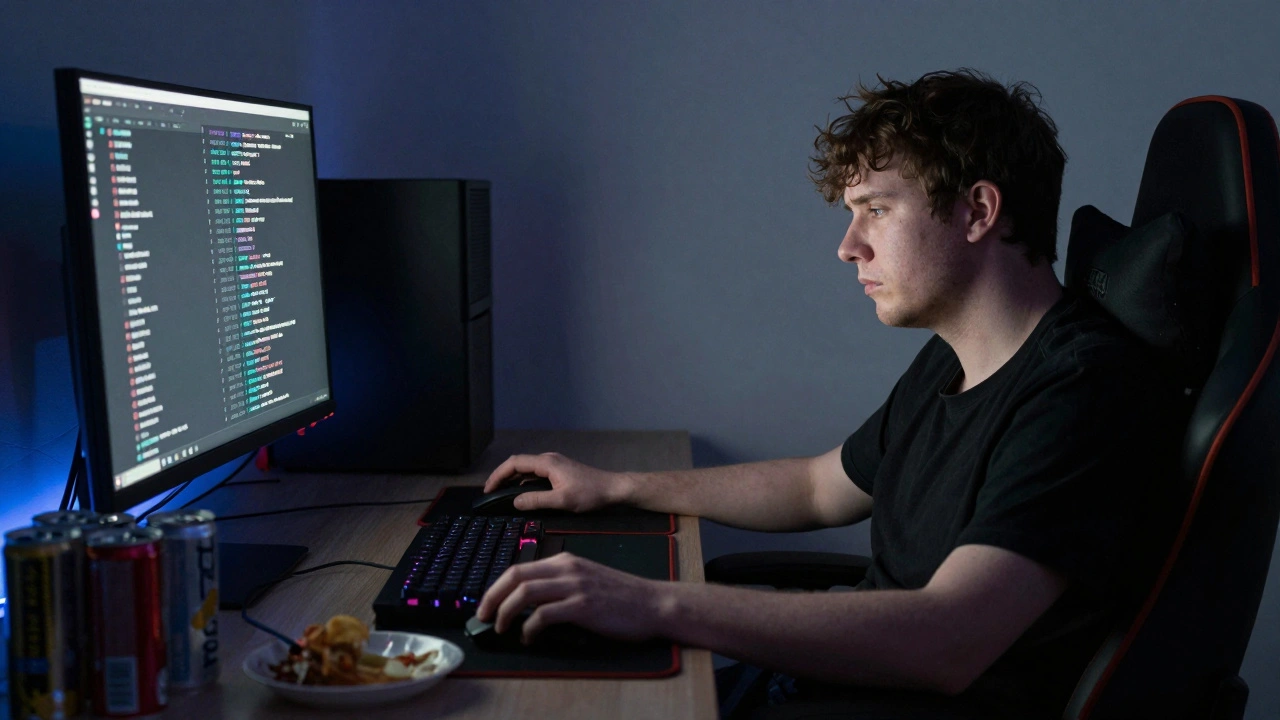
It starts with excitement. You set up your mic, adjust the lights, and hit go live. Chat explodes with emojis. Your favorite viewer sends a gift. You laugh, you react, you play for hours. It feels like magic - until it doesn’t.
Two years ago, a popular Twitch streamer named Jules hit 10,000 followers. By year three, she was streaming 60 hours a week. She didn’t sleep through weekends. She ate meals in front of her camera. She smiled through panic attacks because the chat said, "Don’t quit." By winter 2025, she posted one final video: "I’m done. I don’t recognize myself anymore."
She wasn’t alone. In 2024, Twitch reported a 42% increase in streamers taking indefinite breaks - up from 18% the year before. YouTube Gaming saw similar numbers. These aren’t just stats. They’re people. Real people who poured their lives into screens, and now they’re walking away.
Why streaming feels like a job - but never gets paid like one
Most people think streaming is fun. You play games, chat with fans, make money from subs and donations. But that’s only the surface. Behind the scenes, it’s a 24/7 performance. You’re not just a gamer. You’re a host, a therapist, a marketer, and a content machine.
There’s no clock-out time. If you don’t stream, you lose momentum. If you take a day off, your numbers drop. If you’re quiet for too long, the algorithm hides you. So you push through fatigue. You push through anxiety. You push through the fact that your body is screaming for rest.
One streamer in Austin told me he once streamed for 72 hours straight because he was afraid of losing his top viewer. He didn’t eat. He didn’t shower. He just kept talking. When he finally stopped, he couldn’t feel his fingers. His hands were numb from gripping the mouse too long.
The invisible labor no one talks about
Streaming isn’t just playing games. It’s managing a brand. You have to:
- Plan content weeks in advance
- Edit clips for TikTok and YouTube Shorts
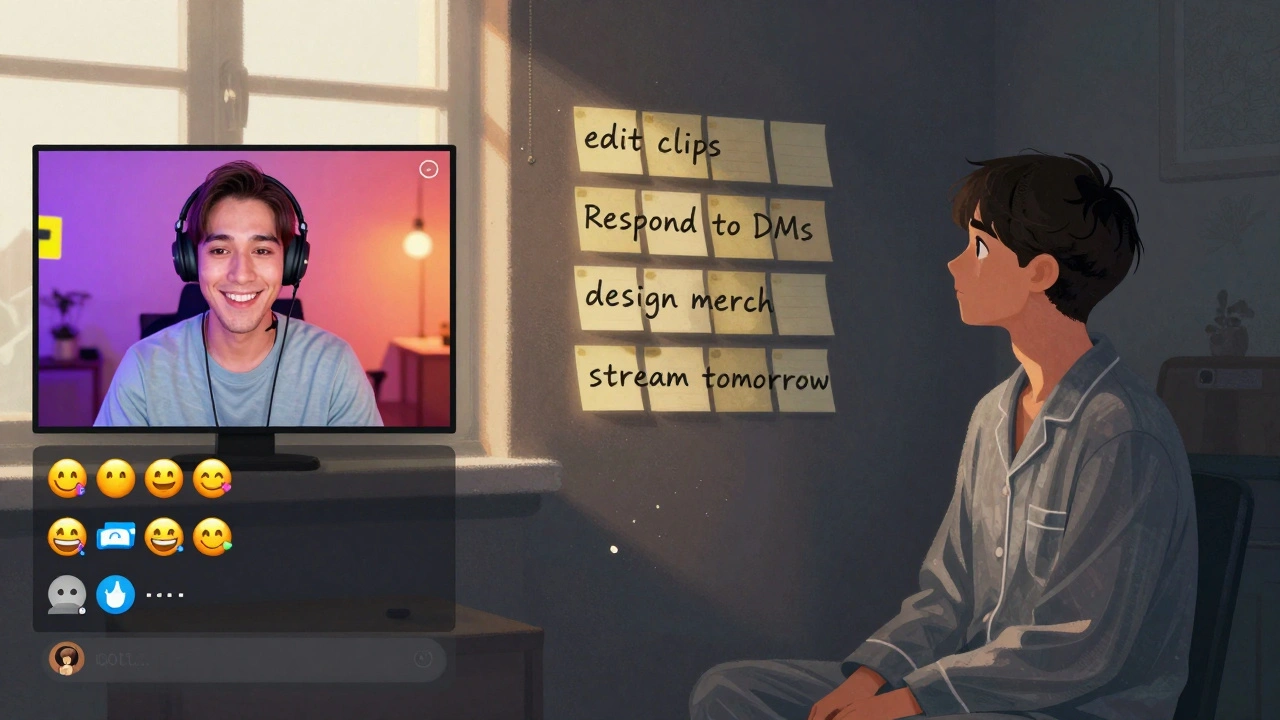
- Respond to every comment, DM, and hate message
- Design overlays, thumbnails, and merch
- Network with other streamers
- Deal with platform algorithm changes
- Stay on top of trends - or get buried
And none of that shows up on stream. Viewers see the game. They don’t see the 3 a.m. edits. They don’t see the therapy bills. They don’t see the missed birthdays because you had a "streamathon" scheduled.
One study from the University of Oregon in late 2024 tracked 127 active streamers over six months. 89% reported symptoms of chronic stress. 63% said they felt like they were "performing a version of themselves" that wasn’t real. 41% admitted they’d considered quitting because they felt like they were losing their identity.
The pressure to be "always on"
Viewers don’t ask if you’re okay. They ask if you’re streaming tonight. They don’t care if you broke your wrist. They want the stream. They don’t care if you’re grieving. They want the memes.
That pressure doesn’t come from big companies. It comes from the community you built. The people who call you "family." The ones who say, "I wake up to your stream." You feel guilty for stepping away. You feel like you’re letting them down.
But here’s the truth: you’re not letting them down. You’re letting yourself down.
One former streamer, now a mental health counselor in Portland, told me: "I used to think if I stopped, my audience would vanish. Turns out, they didn’t vanish. They waited. And when I came back, quieter and calmer, they stayed. Because they loved me - not the show."
What happens after you quit
Quitting streaming doesn’t mean disappearing. For many, it means rediscovering who they are outside of the camera.
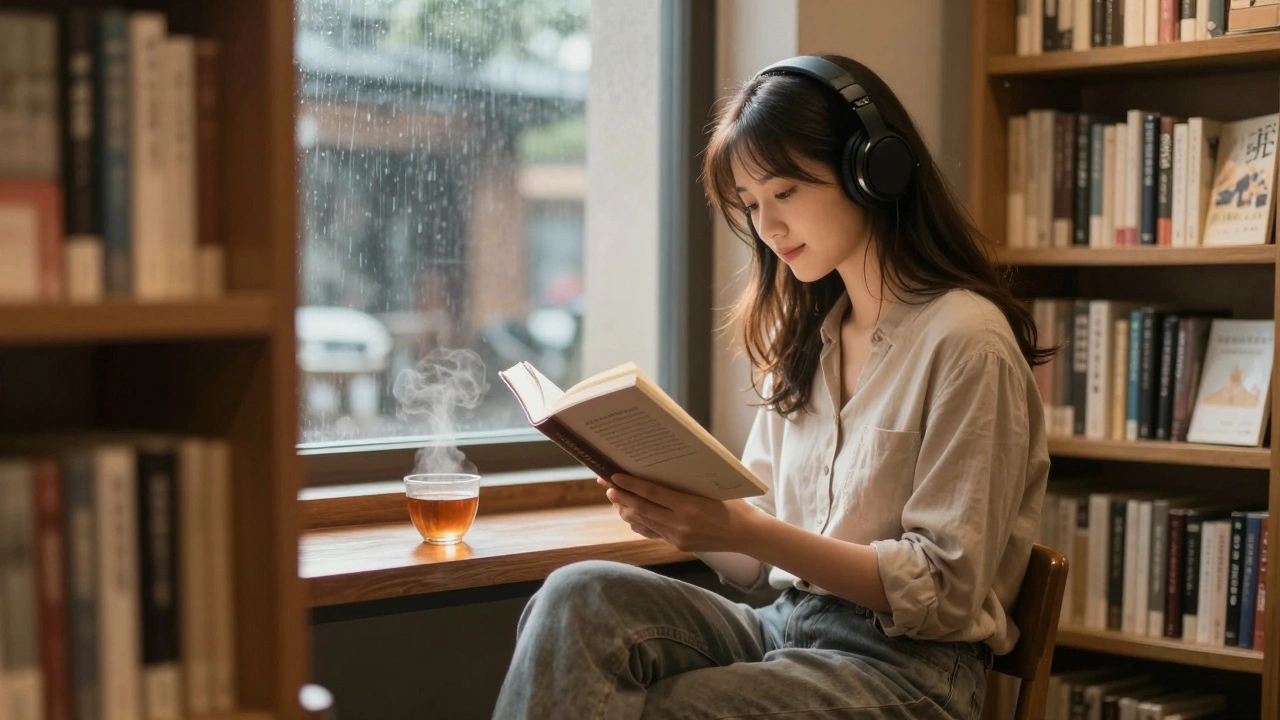
Some start painting. Others go back to school. A few take jobs in retail or food service - jobs with set hours and no cameras. One ex-streamer I spoke with started working at a local bookstore. She said, "I didn’t realize how much I missed quiet. Just… quiet. No chat. No alerts. No "don’t quit" messages. Just me and a book."
There’s no comeback story. No viral return. No "I’m back and better than ever." For most, it’s quiet healing. It’s learning to sit still. It’s realizing you don’t need to entertain to be worthy.
And yes - some miss it. The connection. The adrenaline. The feeling of being seen. But they also know: they can’t survive another year like that.
How to spot burnout before it’s too late
Burnout doesn’t happen overnight. It creeps in. Here are signs you’re heading there:
- You stream because you feel obligated, not because you want to
- You dread opening your streaming software
- You’ve stopped enjoying the games you used to love
- You feel numb during streams - like you’re just going through the motions
- You’re using caffeine, alcohol, or sleep aids just to get through the day
- You feel guilty when you take a day off
- Your relationships outside streaming are falling apart
If you recognize even three of these, it’s not a warning. It’s a red flag.
You don’t owe anyone your burnout
The internet tells you to "grind." To "hustle." To "never quit." But streaming isn’t a startup. You’re not a product. You’re a human.
You don’t owe your viewers endless content. You don’t owe them your mental health. You don’t owe them your identity.
Quitting isn’t failure. It’s survival.
There’s no shame in stepping away. No weakness in choosing rest. The people who truly care about you will wait. The ones who don’t? They were never the point.
Real connection doesn’t live in chat logs. It lives in quiet moments. In real laughter. In sleep. In stillness.
You don’t need to be on camera to matter.