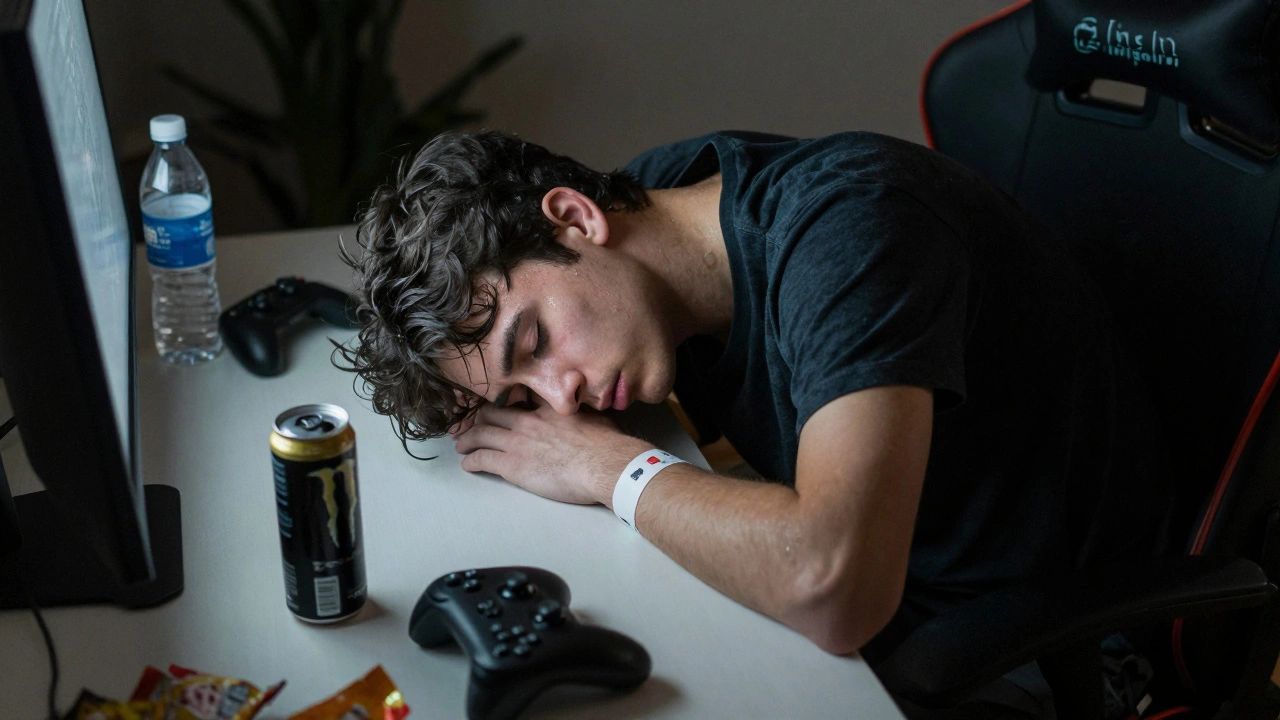
Most people think gaming is just about fun, controllers, and late-night sessions. But for some, it turns into something dangerous - something that can land you in the emergency room. You might laugh when someone says they passed out from playing too long, but it’s happened. And it’s not rare. In 2024, the CDC reported over 1,200 ER visits in the U.S. alone tied directly to gaming-related health crises. These aren’t just about tired eyes or sore wrists. These are life-threatening situations. So when should you go to the ER? Not when you’re just tired. Not when you’re cranky. But when your body starts shutting down.
Severe Dehydration and Electrolyte Imbalance
Gaming marathons often mean skipping meals, forgetting to drink water, and not using the bathroom for hours. That’s fine… until your body can’t handle it. Dehydration sounds simple, but when it goes too far, it becomes deadly. Symptoms like dizziness, confusion, dry mouth, sunken eyes, and dark urine are warning signs. But if you start having muscle cramps, rapid heartbeat, or fainting, you’re in danger. Your kidneys start struggling. Your blood pressure drops. Your brain doesn’t get enough oxygen.
One case from Portland in late 2023 involved a 19-year-old who played continuously for 48 hours. He didn’t drink anything but energy drinks. When he tried to stand up, he collapsed. Paramedics found his sodium levels dangerously low - a condition called hyponatremia. He was admitted to the ER for IV fluids and monitoring. Energy drinks aren’t hydration. They’re sugar and caffeine bombs that make dehydration worse. If you’re dizzy, nauseous, or can’t think clearly after hours of gaming, don’t wait. Go to the ER.
Deep Vein Thrombosis (DVT) and Blood Clots
Sitting for 10 hours straight isn’t just uncomfortable - it’s a medical risk. Blood pools in your legs. Veins get compressed. Clots form. That’s deep vein thrombosis (DVT). Most people think this only happens to older travelers on long flights. But gamers? They’re sitting longer. And they’re younger. And they don’t move.
A 2025 study from Johns Hopkins found that 37% of DVT cases in adults under 30 were linked to prolonged sedentary behavior - gaming being the top cause. The danger isn’t the clot itself. It’s what happens when it breaks loose. A clot can travel to your lungs and cause a pulmonary embolism. Symptoms? Sudden shortness of breath, chest pain that gets worse when you breathe, coughing up blood, or a rapid heartbeat. These aren’t normal. They’re emergency signs.
If you’ve been sitting for more than 6 hours straight and suddenly feel like you can’t catch your breath, don’t call your doctor. Don’t wait until morning. Go to the ER. A simple ultrasound can confirm a clot. And if caught early, it’s treatable. Wait too long, and it could kill you.
Cardiac Events from Stimulant Overload
Energy drinks, caffeine pills, pre-workout supplements - many gamers use them to stay alert. But when you combine high-dose stimulants with long hours of intense focus, your heart can go haywire. You might feel your heart pounding. That’s normal. But if it’s racing uncontrollably, skipping beats, or causing chest pressure, that’s not normal.
In January 2025, a 22-year-old in Oregon was rushed to the ER after gaming for 12 hours straight while drinking five energy drinks. His heart rate hit 210 beats per minute. He had atrial fibrillation - a dangerous irregular rhythm. He didn’t have a history of heart problems. But the combo of caffeine, stress, lack of sleep, and adrenaline pushed his body past its limit.
The American Heart Association warns that stimulant abuse in young adults is rising, and gaming is a major contributor. If you feel your heart pounding out of your chest, have chest pain, or pass out - even for a few seconds - get help. An EKG in the ER can spot arrhythmias. Delaying could lead to cardiac arrest.

Severe Sleep Deprivation and Psychosis
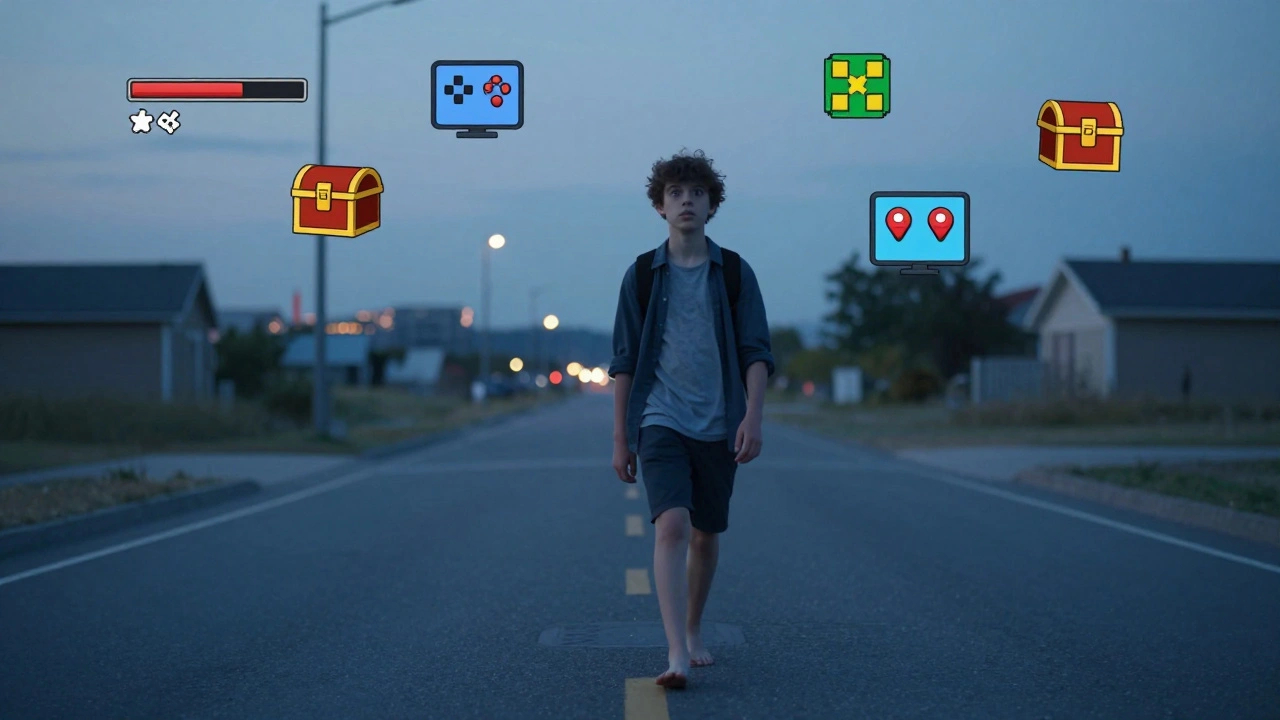
Skipping sleep for a few nights? You’ll feel tired. But if you go 72+ hours without sleep while gaming, your brain starts breaking down. Hallucinations. Paranoia. Losing track of reality. This isn’t a movie. It’s real. In 2024, a 17-year-old in Texas was found wandering barefoot in the street, convinced his gaming character was real and that people were trying to delete his save file. He had not slept in 4 days. He was diagnosed with substance-induced psychosis, triggered by sleep deprivation and excessive stimulant use.
When sleep deprivation reaches this level, your brain can’t filter reality. You might hear voices. See things that aren’t there. Believe impossible things. This isn’t just “being in the zone.” This is a medical emergency. If you or someone you know is hallucinating, disoriented, or acting completely out of character after days of gaming, call 911. Emergency rooms have protocols for acute psychiatric episodes. They can stabilize you and connect you to long-term care.
Physical Trauma from Overexertion or Falls
It sounds silly, but people have broken bones from gaming. How? Overexertion. One man in Ohio tried to do 1,000 push-ups during a gaming session to “get in shape.” He ended up with rhabdomyolysis - a condition where muscle tissue breaks down and floods your bloodstream with toxic proteins. His kidneys shut down. He needed dialysis.
Others have fallen from chairs or couches after passing out from exhaustion. One woman in California broke her collarbone after falling asleep in a gaming chair, toppling backward. She didn’t wake up until an hour later. Her husband called 911 because she couldn’t move her arm.
If you’ve had a fall, feel severe muscle pain, or notice dark, tea-colored urine after intense gaming, get checked. Rhabdomyolysis can kill if untreated. And if you’ve hit your head, even if you feel fine, get a CT scan. Concussions don’t always show up right away.
What to Do Before It Gets This Bad
You don’t need to stop gaming. But you need to respect your body. Here’s what works:
- Set a 2-hour timer. When it goes off, get up. Walk. Drink water. Stretch.
- Never game on an empty stomach. Eat something every 3 hours. Protein and complex carbs help your brain stay steady.
- Water is better than energy drinks. Aim for 8 ounces every hour.
- If you’re using stimulants, cut them out. They’re not helping. They’re pushing you into danger.
- Know your limits. If you feel dizzy, nauseous, or your heart is racing - stop. Not later. Now.
These aren’t just tips. They’re survival rules. Gaming is part of life. But your life comes first.
When to Go to the ER - Quick Checklist
If you’re experiencing any of these, go now:
- Difficulty breathing or chest pain
- Heart rate over 140 bpm without exercise
- Fainting or passing out
- Dark urine or severe muscle pain
- Hallucinations or confusion
- Swelling, warmth, or pain in one leg
- Severe headache with vomiting
Don’t rationalize. Don’t wait until morning. Don’t think “it’s just gaming.” Your body doesn’t care about your rank. It only cares if you’re alive.
Can gaming really cause death?
Yes. While rare, there are documented cases of death linked to prolonged gaming. Causes include heart failure from stimulant overload, pulmonary embolism from blood clots, and organ failure from extreme dehydration or rhabdomyolysis. The CDC and WHO recognize gaming-related health crises as a growing public health concern.
Is gaming addiction a real medical diagnosis?
Yes. The World Health Organization includes "Gaming Disorder" in its International Classification of Diseases (ICD-11). It’s diagnosed when gaming takes priority over all other life interests, continues despite negative consequences, and lasts at least 12 months. While addiction itself doesn’t require an ER visit, the physical effects it causes - like sleep deprivation, malnutrition, and cardiac strain - absolutely do.
Should I call 911 or drive myself to the ER?
If you’re experiencing chest pain, trouble breathing, fainting, confusion, or severe leg pain, call 911. Driving yourself could be dangerous. Emergency responders can start treatment on the way. If symptoms are less severe - like mild dizziness or fatigue - driving to the ER is okay. But if you’re unsure, it’s better to call.
What happens in the ER for gaming-related issues?
The ER team will check your vital signs, run blood tests (for electrolytes, kidney function, and toxins), and do imaging if needed (like an EKG or CT scan). Treatment depends on the issue: IV fluids for dehydration, blood thinners for clots, medications to stabilize heart rhythm, or psychiatric evaluation for psychosis. The goal is to stabilize you and prevent long-term damage.
Will my insurance cover an ER visit for gaming?
Yes. Insurance covers ER visits for medical emergencies, regardless of cause. The ER won’t ask why you’re there - only what’s wrong. If you have a life-threatening symptom, you’ll be treated. The reason - whether it’s gaming, partying, or exercise - doesn’t matter. Your health does.
What Happens After the ER
Leaving the ER doesn’t mean the problem is over. Most people who end up there for gaming-related emergencies need follow-up care. A doctor may refer you to a cardiologist, neurologist, or mental health specialist. You might need sleep studies, blood work, or counseling. Ignoring the root cause means you’re just delaying the next crisis.
Some hospitals now have gaming health programs - especially in cities like Portland, where gaming culture is strong. These programs help people reset their habits without judgment. They don’t tell you to quit gaming. They help you play safely. Because you don’t have to choose between your passion and your life.