Category: Health & Wellness - Page 2
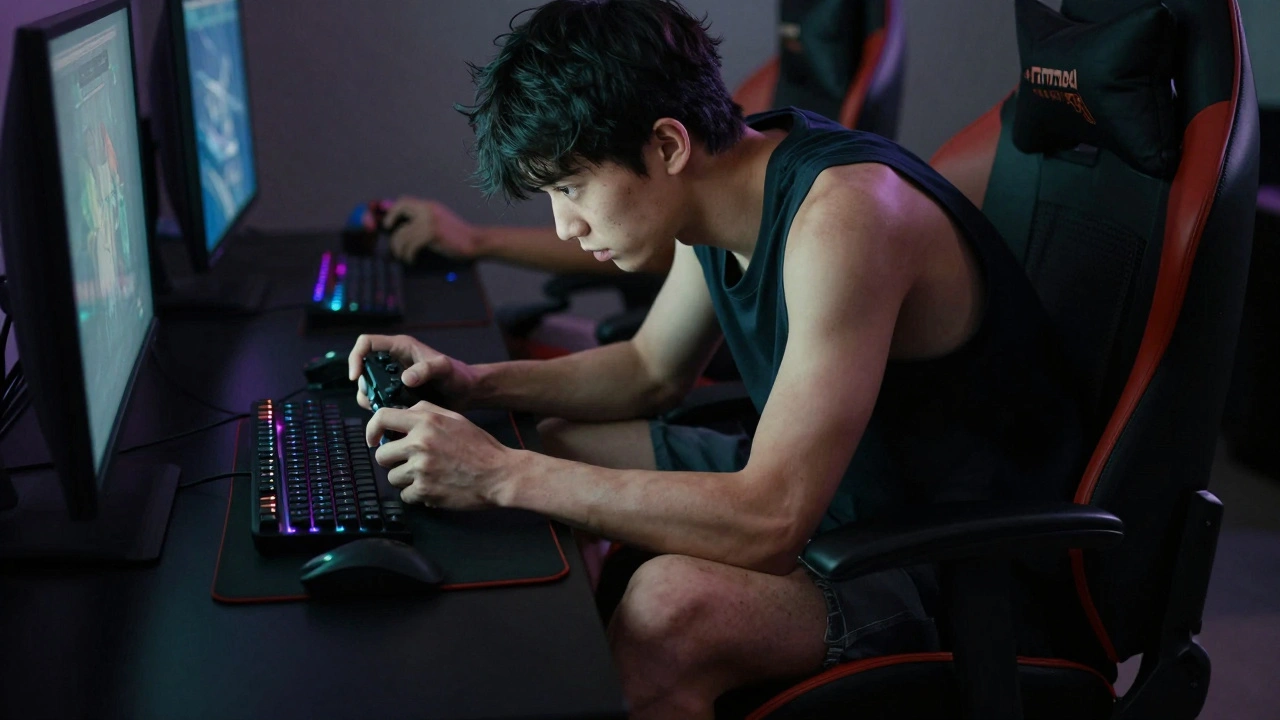
Muscle Loss and Deconditioning from Prolonged Gaming
Prolonged gaming can cause serious muscle loss and deconditioning-even in young, healthy people. Learn how sitting for hours affects your body and simple ways to reverse it without quitting games.
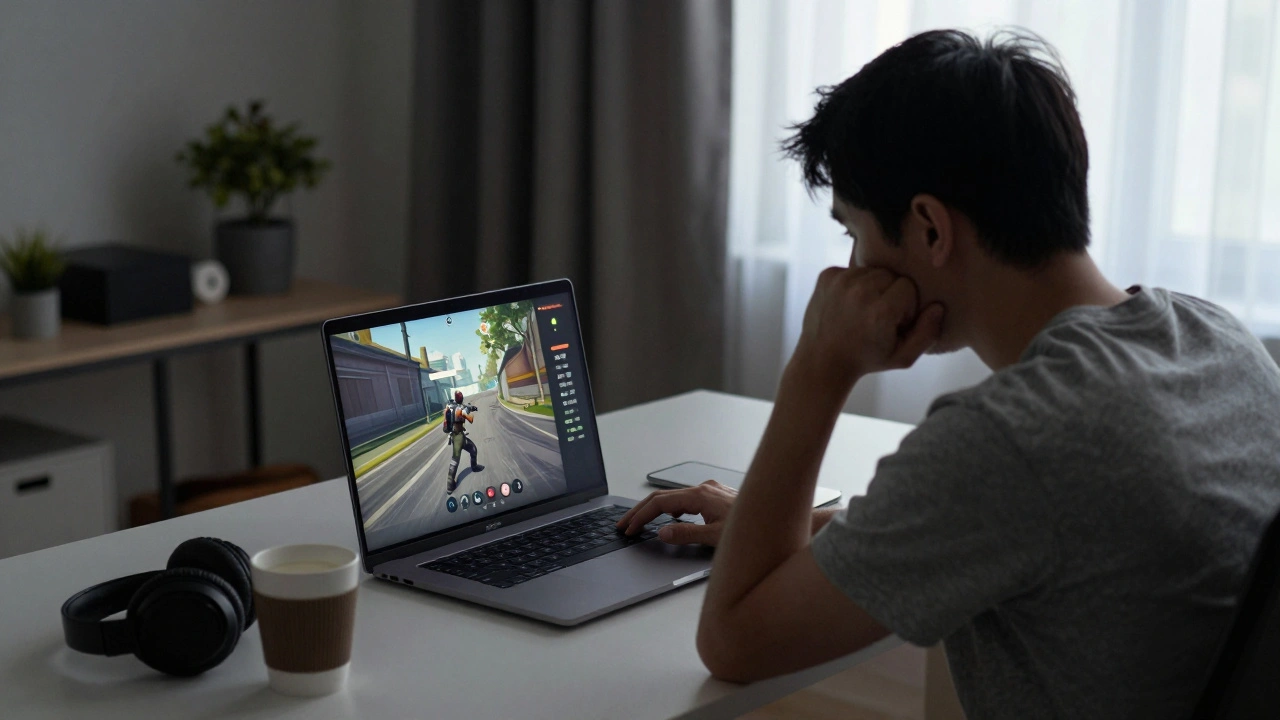
Workplace Gaming: How Using Work Time for Personal Gaming Affects Productivity and Morale
Workplace gaming is more common than you think-but it’s not just about fun. It’s a sign of deeper issues like burnout, boredom, or poor work design. Learn how it affects productivity, morale, and what you can do about it.

Widowed Seniors and Online Games: How Play Helps Grief and Loneliness
Widowed seniors are finding new purpose and connection through simple online games like Words With Friends and Spades Online. These games offer structure, low-pressure social interaction, and a sense of belonging - helping ease loneliness and grief without needing to talk about loss.
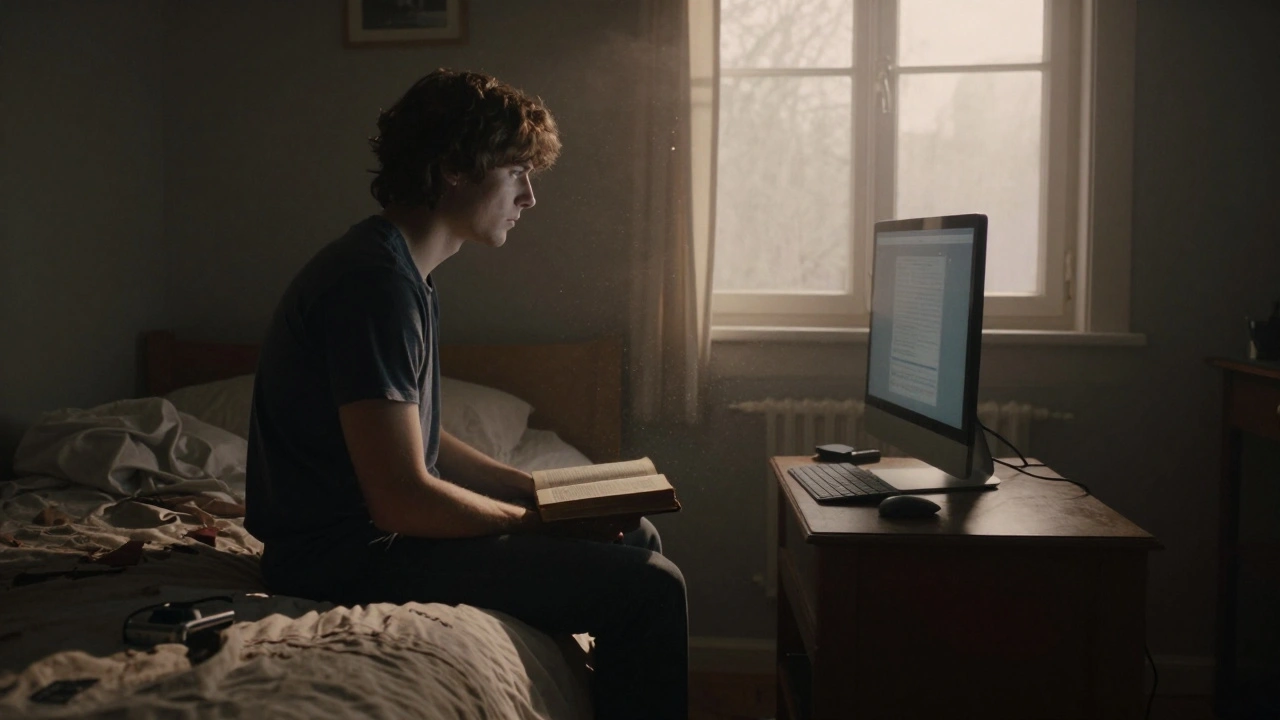
Faith and Recovery: Spiritual Tools That Helped Me Quit Gaming
Discover how faith, silence, and community helped someone break free from gaming addiction-not through discipline, but through spiritual presence. Real recovery starts when you stop running and start listening.
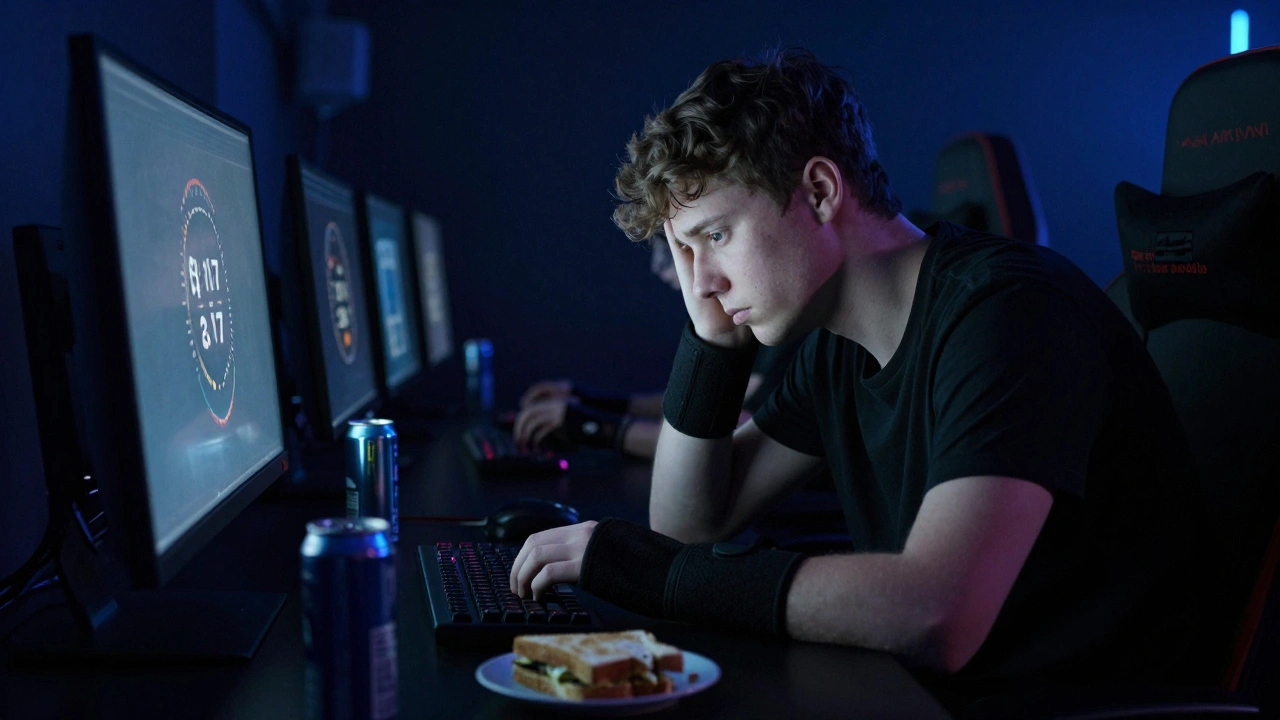
Competitive Esports Games and the Hidden Risk of Professional Gaming Addiction
Professional esports players face hidden dangers: physical injuries, mental health crises, and addiction tied to performance pressure. This is the real cost of competitive gaming.
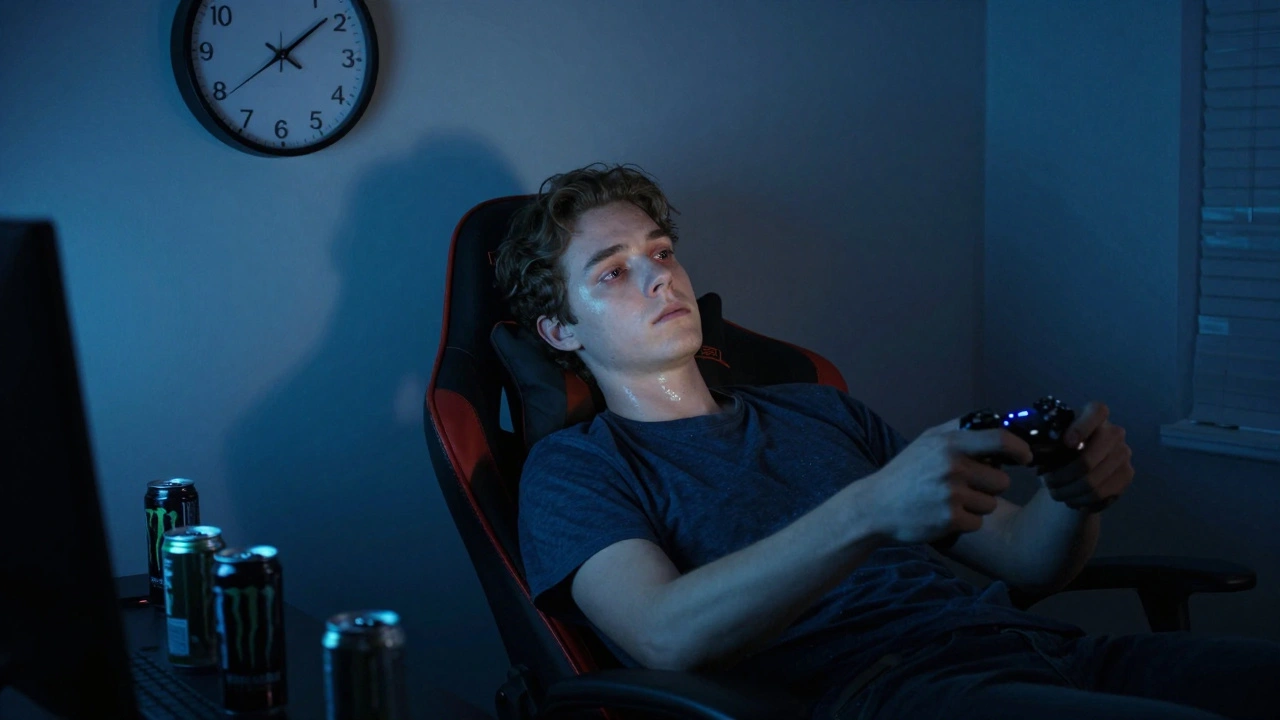
Immediate Harm Reduction Steps for All-Night Gaming Binges
If you've pulled an all-night gaming session, here are five immediate steps to reduce physical harm: stop playing, move your body, hydrate, rest your eyes, and eat something real. No guilt. Just smart recovery.
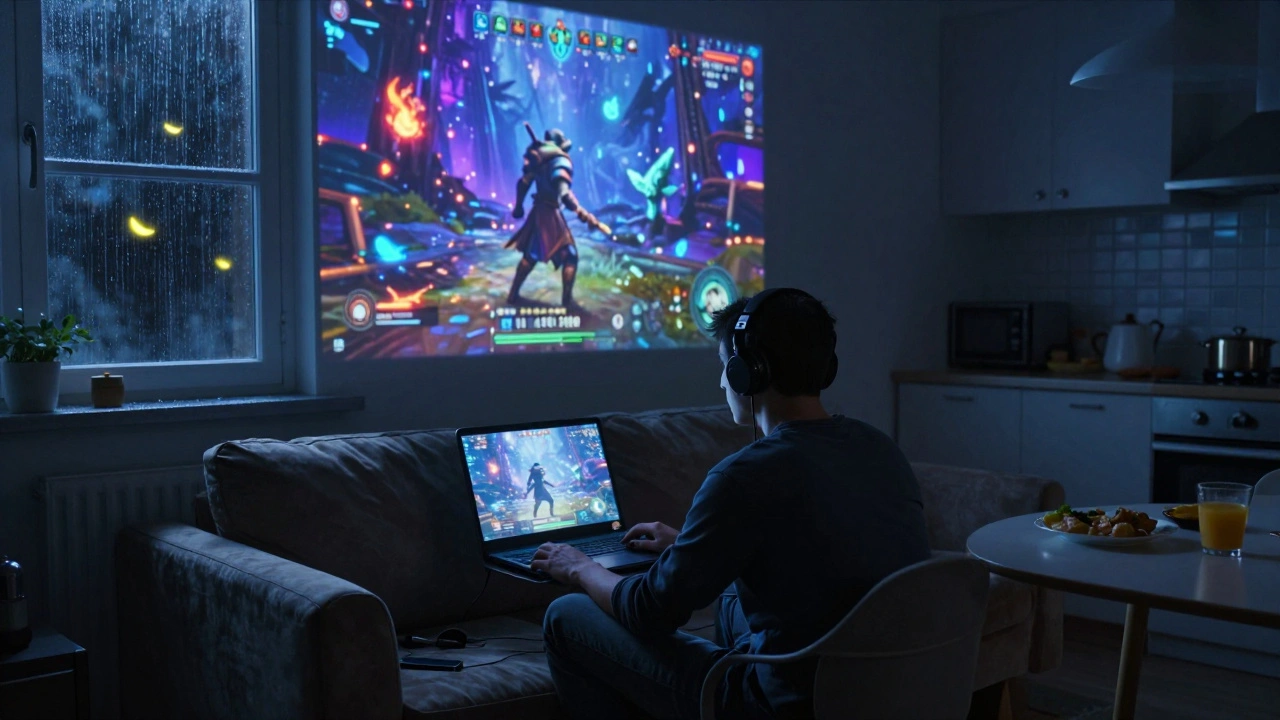
Migration and Acculturation Stress: How Cultural Pressure Fuels Gaming Escapism
Many immigrants turn to gaming to escape the pressure of adapting to a new culture. But what starts as relief can become isolation. This article explores how acculturation stress drives gaming habits-and how connection, not control, can help.
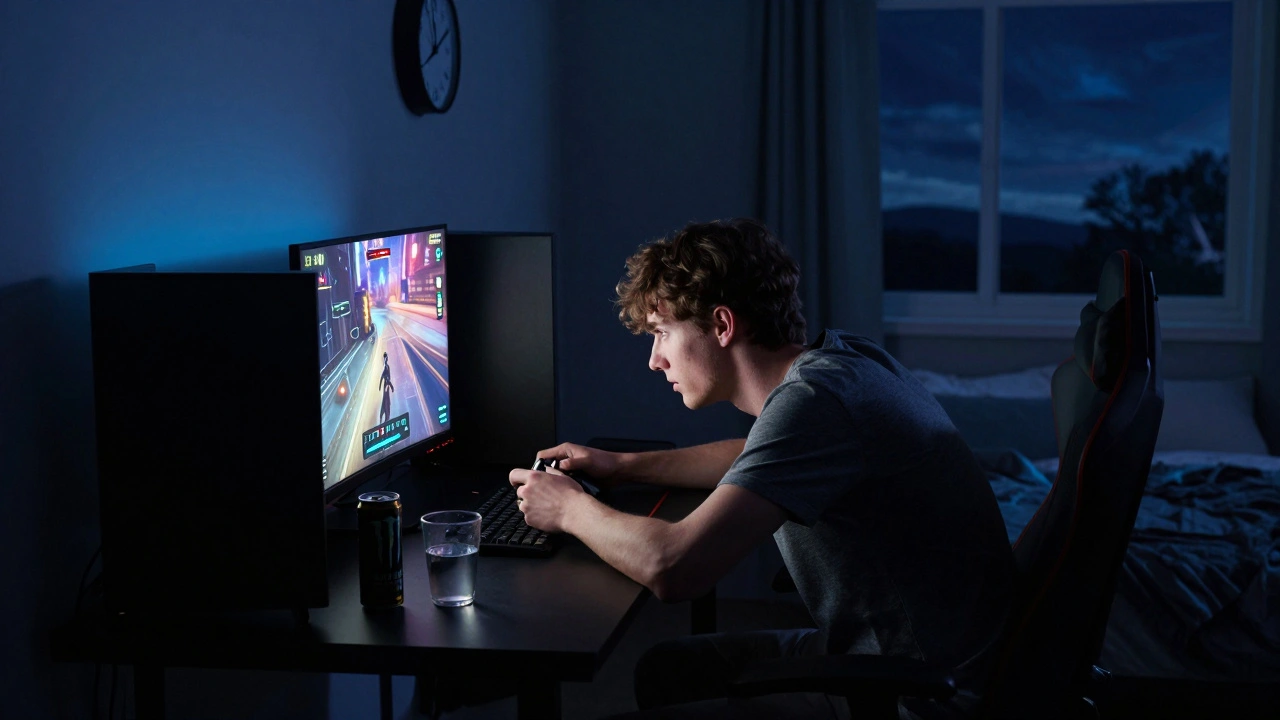
Death from Gaming: Extreme Cases and Warnings
Extreme gaming sessions can lead to fatal health consequences. Learn the real risks behind prolonged play, from blood clots to heart failure, and how to protect yourself before it's too late.
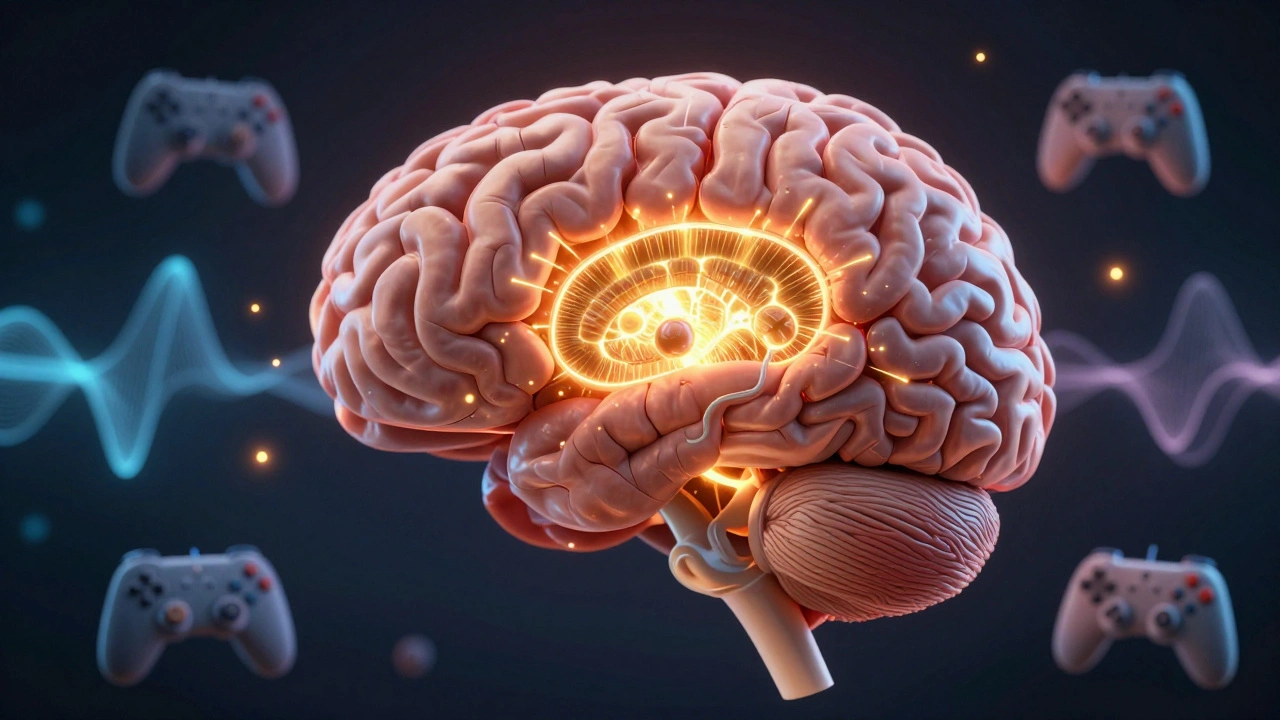
How Adolescent Brain Development Increases Risk of Gaming Addiction
Adolescent brain development makes teens uniquely vulnerable to gaming addiction due to heightened dopamine responses and an underdeveloped prefrontal cortex. Understanding the biological risks can help families intervene effectively.

Physical Restlessness When Not Gaming: Signs of Somatic Withdrawal
Physical restlessness when not gaming is a common sign of somatic withdrawal from excessive gaming. Learn how your body reacts to sudden digital detox, why it happens, and how to manage it naturally.
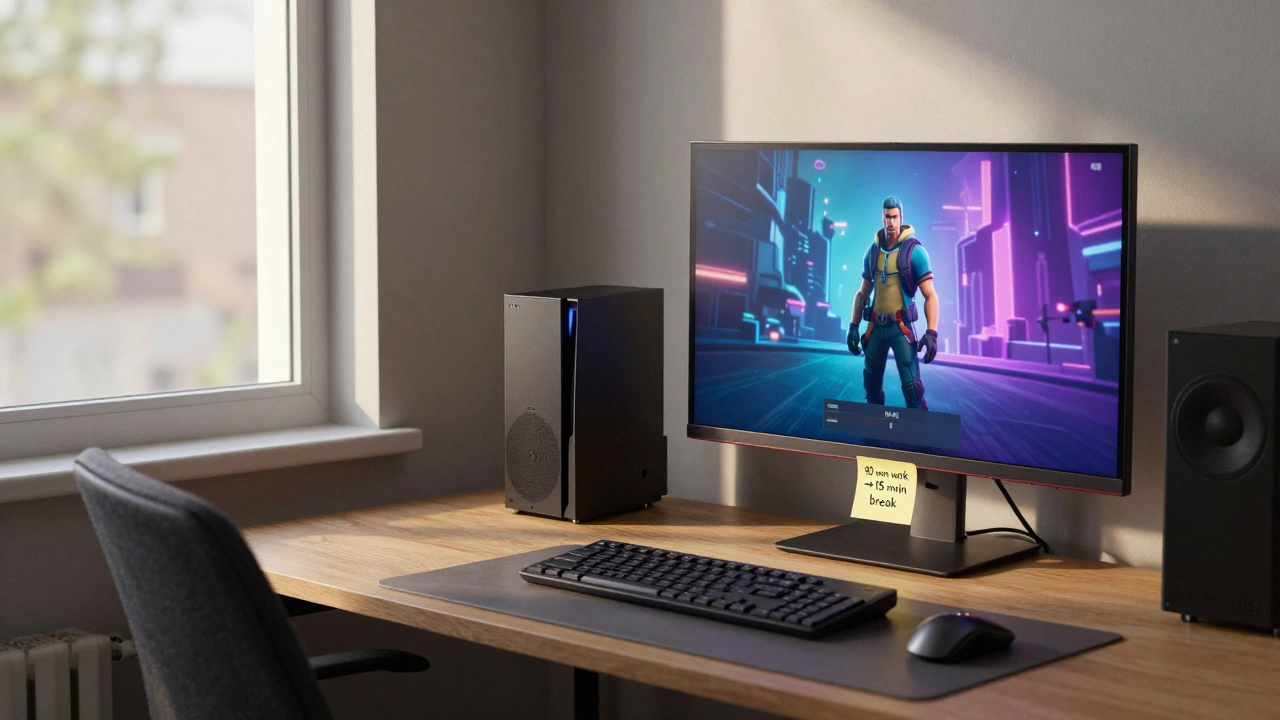
Boundary Setting for Remote Workers to Stop Gaming Slippage
Remote workers often lose hours to gaming without realizing it. Learn how physical, time-based, and ritual boundaries can stop gaming slippage and restore focus-without giving up games entirely.
Internet Gaming Disorder Research Timeline: Key Milestones
Internet Gaming Disorder went from a fringe concern to a globally recognized condition. This timeline covers key research milestones-from early observations in Asia to WHO recognition and modern treatment protocols.