Category: Health & Wellness - Page 3
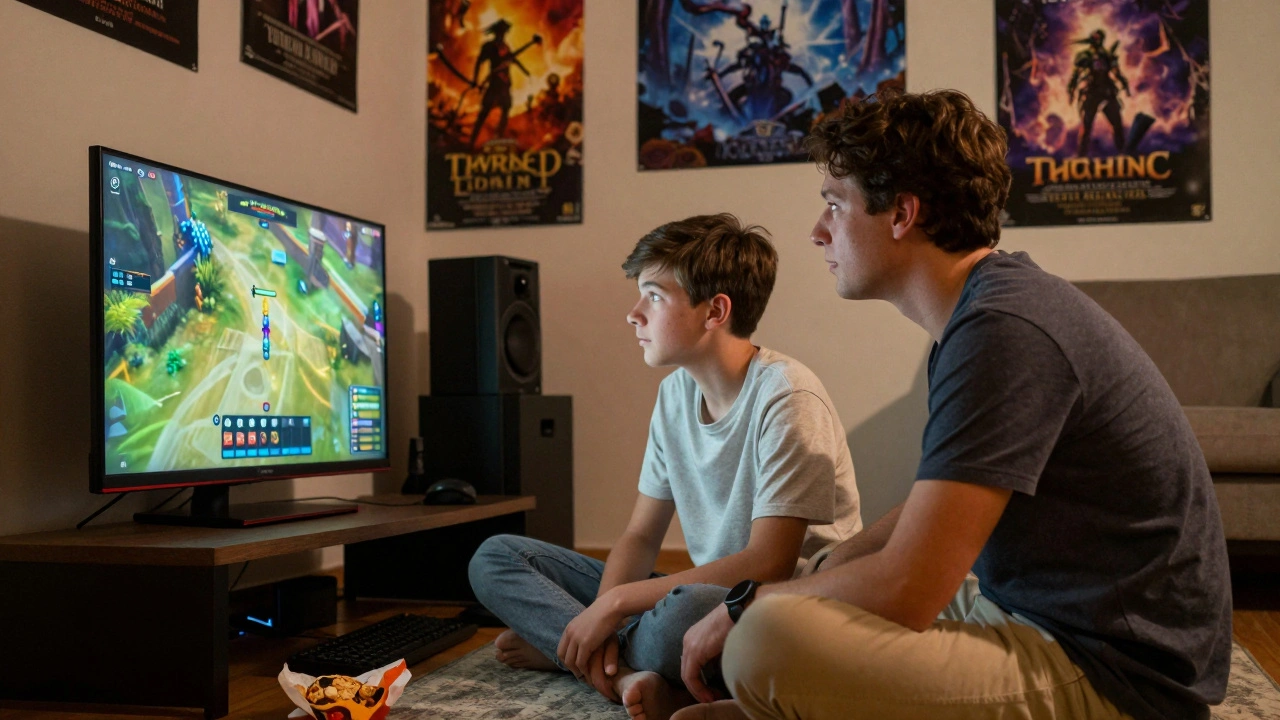
How to Talk to Your Child About Gaming Addiction
Learn how to talk to your child about gaming addiction without triggering defensiveness. Focus on connection, not control, and discover real signs, practical strategies, and when to seek help.
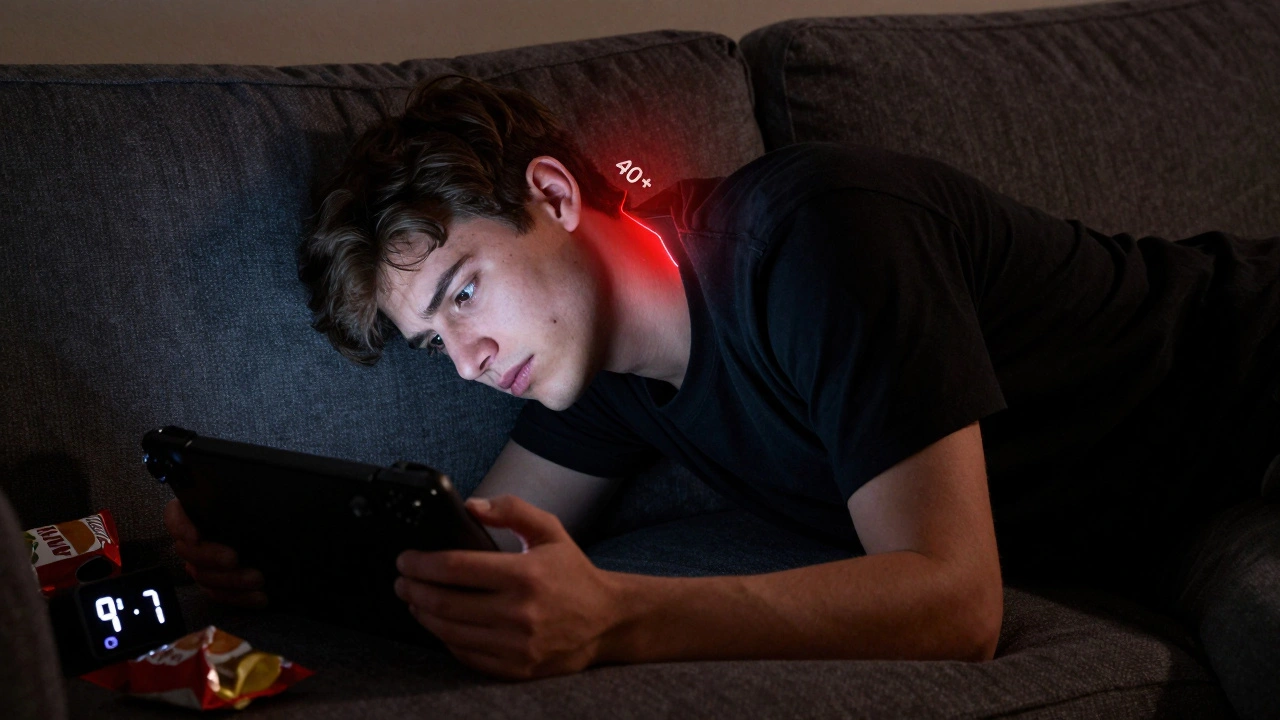
Neck Pain and Text Neck from Handheld Gaming: What You Need to Know
Handheld gaming is causing a rise in neck pain and text neck, especially among young players. Learn how poor posture during gaming damages your spine, what symptoms to watch for, and simple fixes that work without quitting games.
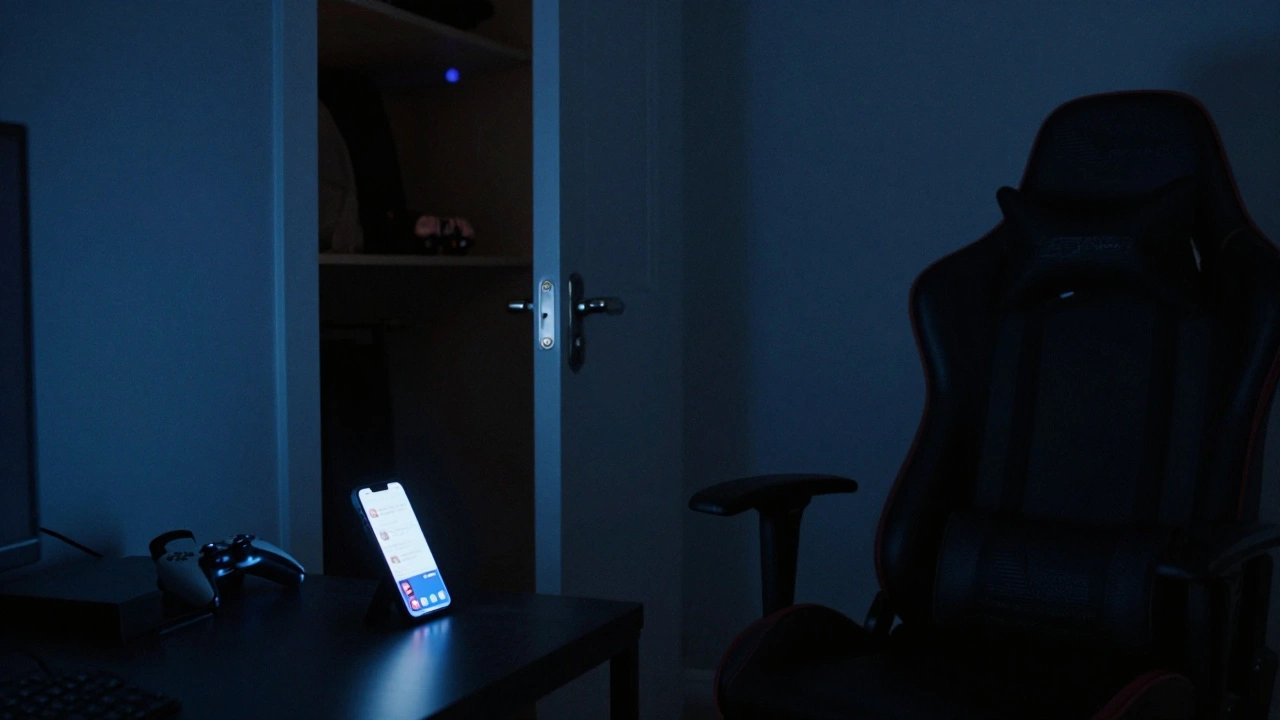
Stimulus Control Techniques to Beat Gaming Addiction
Stimulus control techniques help break gaming addiction by removing environmental triggers that lead to compulsive play. Learn how simple changes to your space and routine can reduce gaming time without willpower.

Vacation Mode: How to Prepare for Holidays Without Gaming
Learn how to truly unplug from gaming before your holidays-not by quitting, but by replacing the habit with meaningful, real-world experiences that help you reconnect with yourself.
Ireland Pieta and Crisis Supports for Gaming-Related Distress
Ireland's Pieta House offers free, nonjudgmental crisis support for people struggling with gaming-related distress. Learn how therapy focused on emotional roots-not screen time-is helping gamers rebuild their lives.
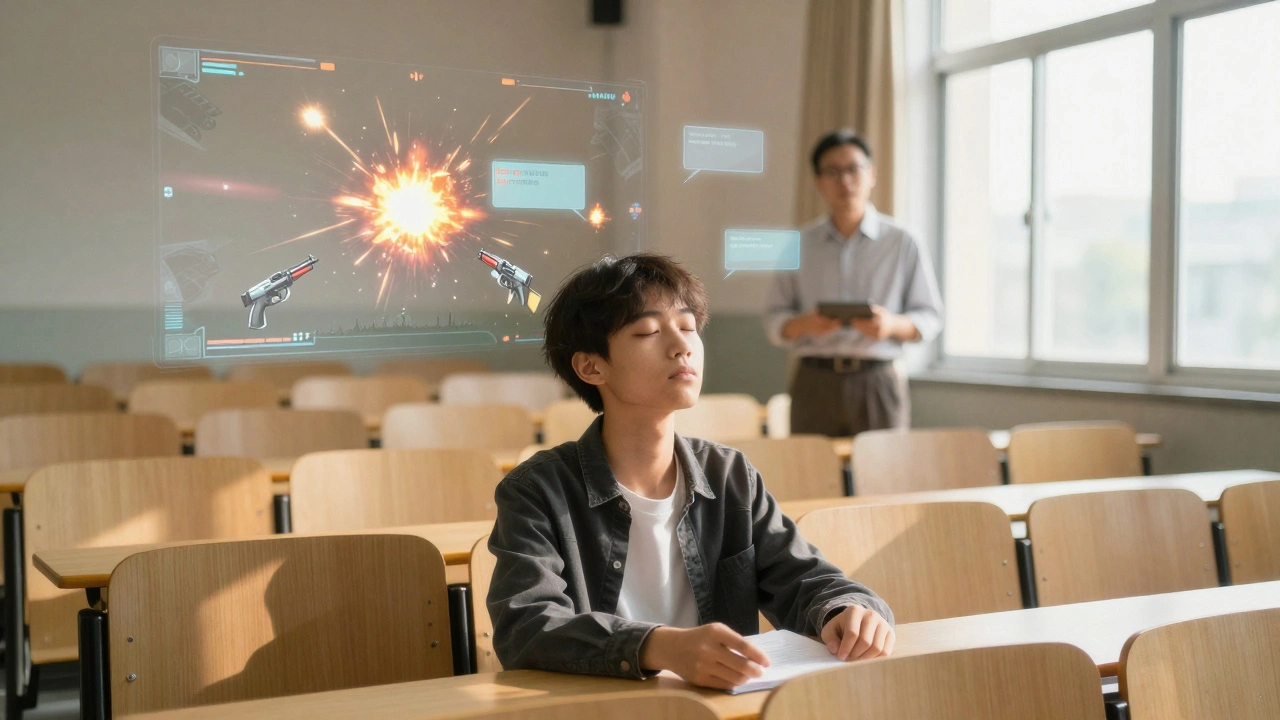
Intrusive Gaming Thoughts at Work or School: How Gaming Addiction Hijacks Your Focus
Intrusive gaming thoughts at work or school are a real symptom of gaming addiction, disrupting focus, memory, and performance. Learn how dopamine-driven loops hijack your brain-and what to do about it.
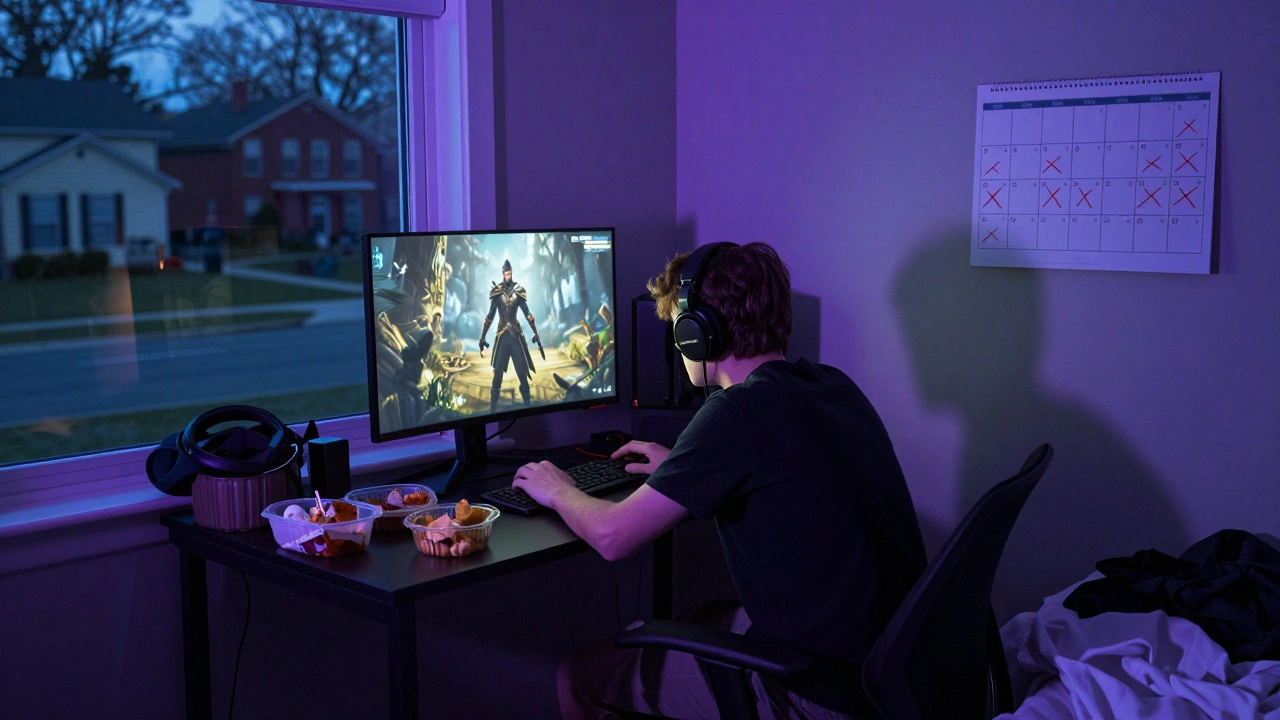
Low Self-Esteem and Gaming Addiction: How Games Become an Escape
Low self-esteem can drive people to gaming addiction as a way to escape feelings of inadequacy. This article explores the psychological cycle behind escapism in games and how to begin healing without quitting gaming entirely.

How Regional Policy Changes Affect Disease Prevalence: Real Before-and-After Data
Regional policies on health, environment, and social services leave measurable marks on disease prevalence. Real before-and-after data shows how smoking bans, Medicaid expansion, and sugar taxes reduce illness over time - and why some efforts fail.
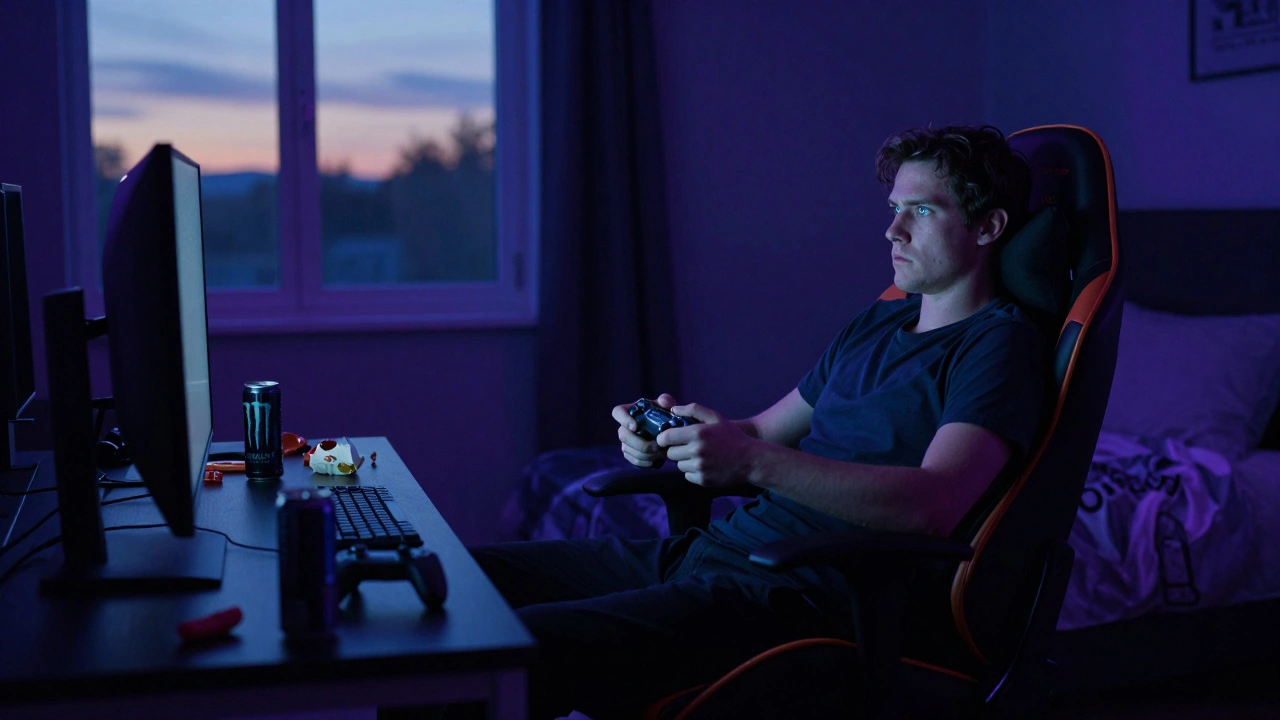
Behavioral Problems and Aggression in Gaming Addicts
Gaming addiction can lead to aggression, isolation, and emotional breakdowns. Learn how excessive gaming rewires the brain, triggers outbursts, and what real recovery looks like-not just cutting back, but rebuilding life.
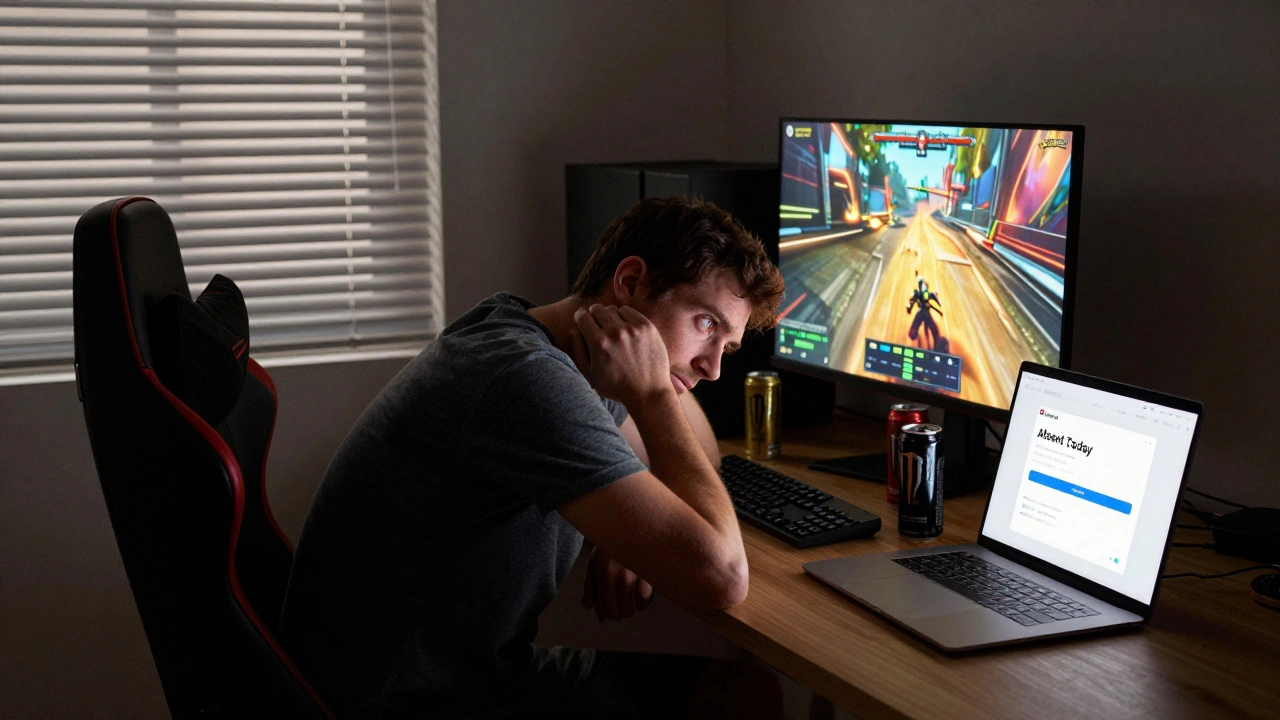
Workplace Absenteeism: How Gaming Is Causing Employees to Miss Work
Gaming is causing more adults to miss work than ever before-not from illness, but from compulsive play. Learn how Internet Gaming Disorder is impacting productivity, why certain games are most addictive, and what employers and employees can do to break the cycle.
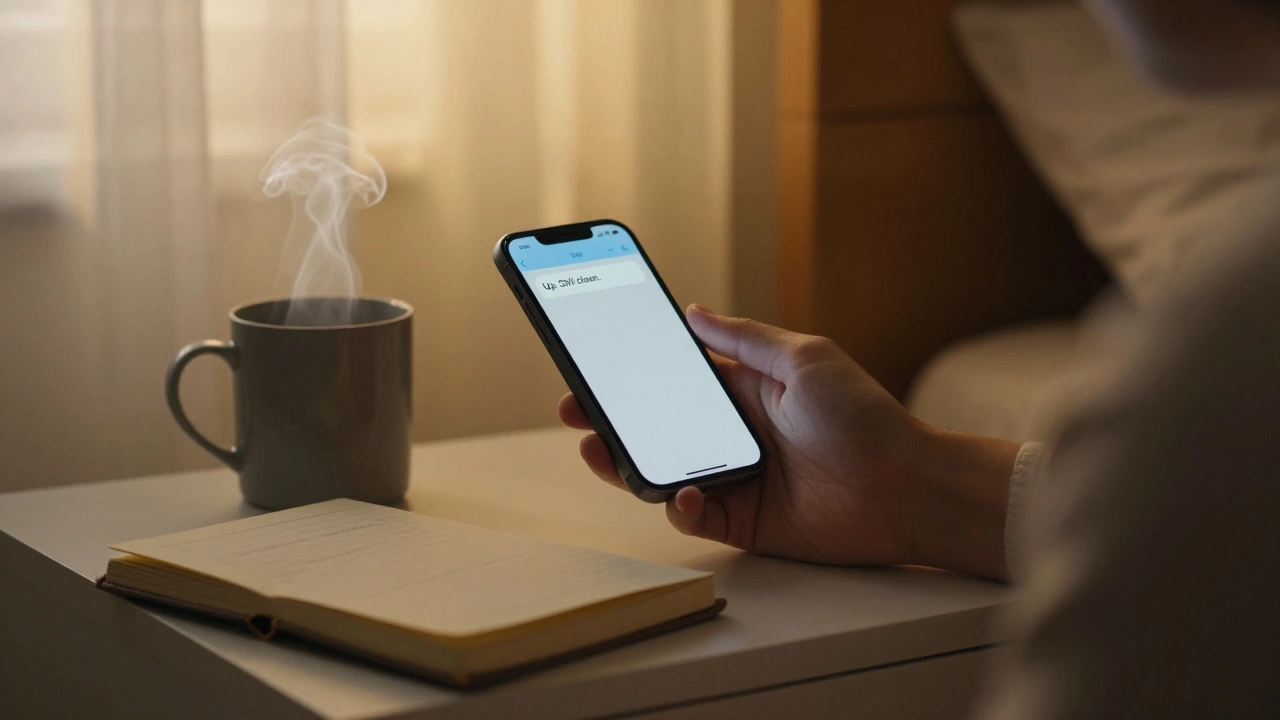
Daily Check-In Routines for Recovery Communities
Daily check-in routines in recovery communities build connection, accountability, and resilience. Simple, consistent messages help people stay sober by reminding them they’re not alone. Real stories from Portland and beyond show how small habits make lasting change.
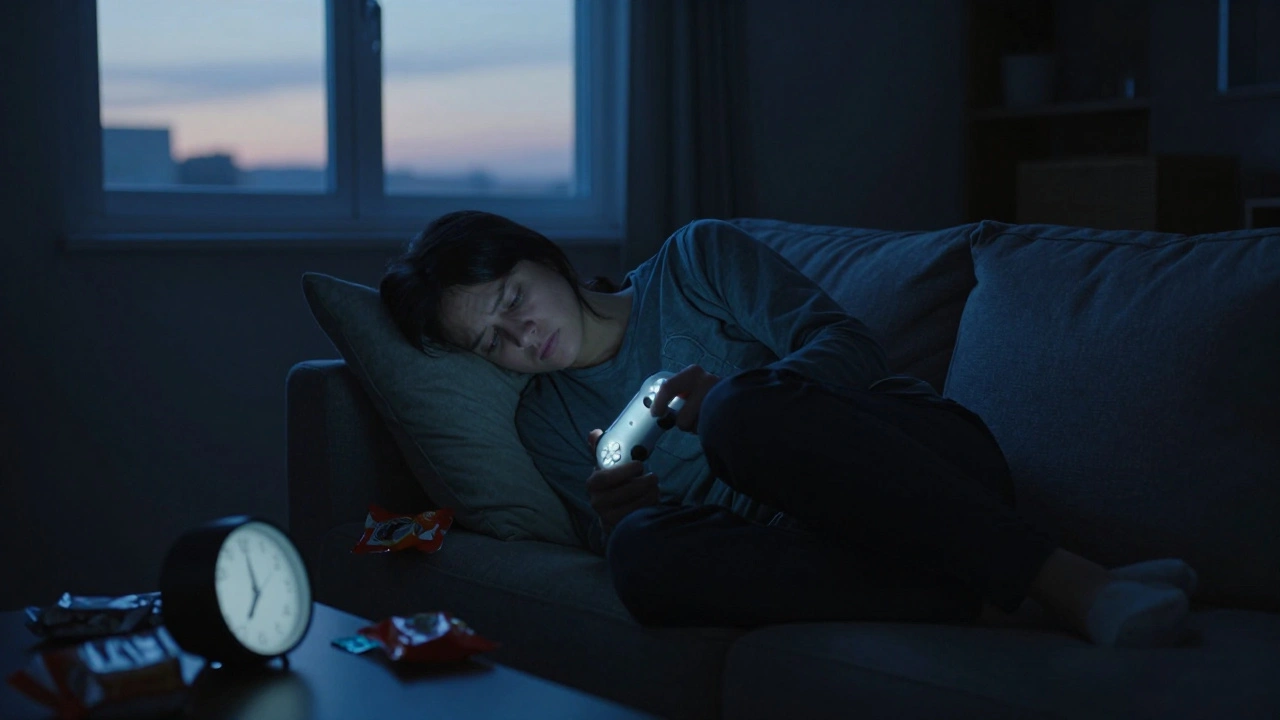
Gaming Addicts Anonymous (GAA): A Real 12-Step Program for Gaming Addiction
Gaming Addicts Anonymous (GAA) is a real 12-step recovery program helping people break free from compulsive gaming. Learn how it works, who it helps, and why it’s changing lives without therapy or medication.