Grey Counseling Services - Page 2
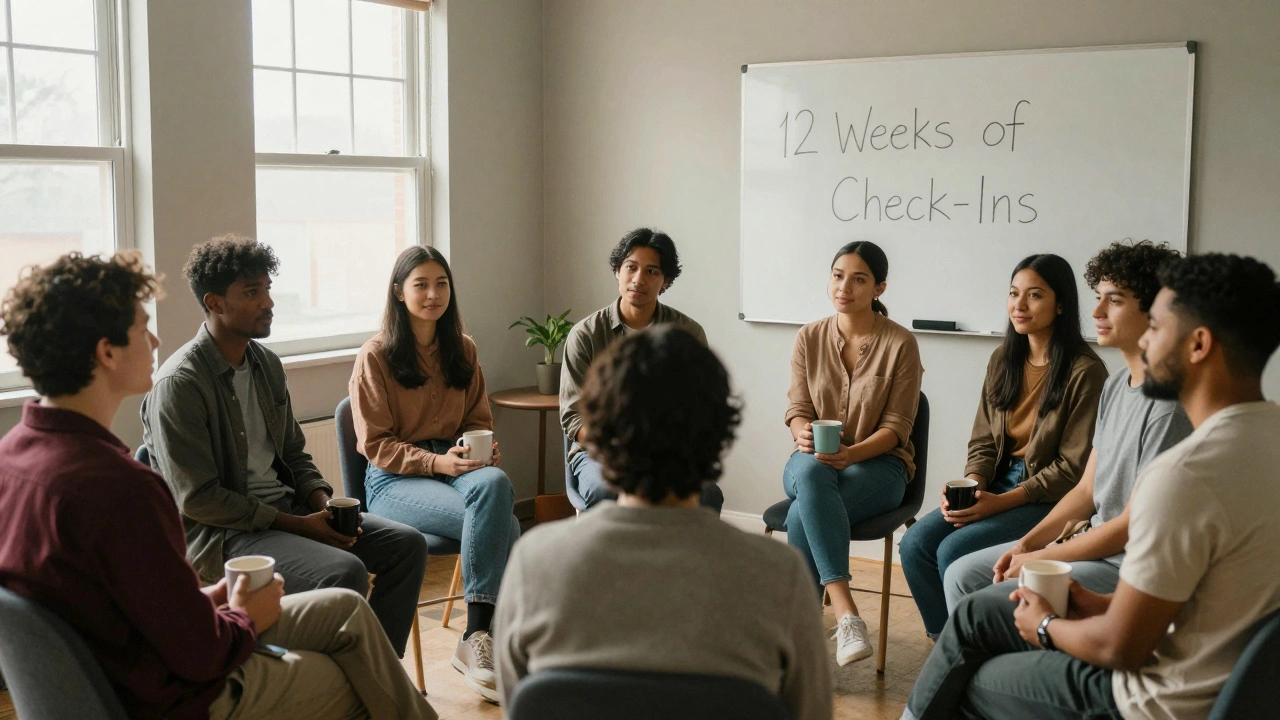
Measuring Progress with Community Milestones in Support Groups
Community milestones in support groups measure progress through shared moments of connection, not individual achievements. These organic, collective wins build trust, reduce isolation, and create lasting change-proven by real groups and research.
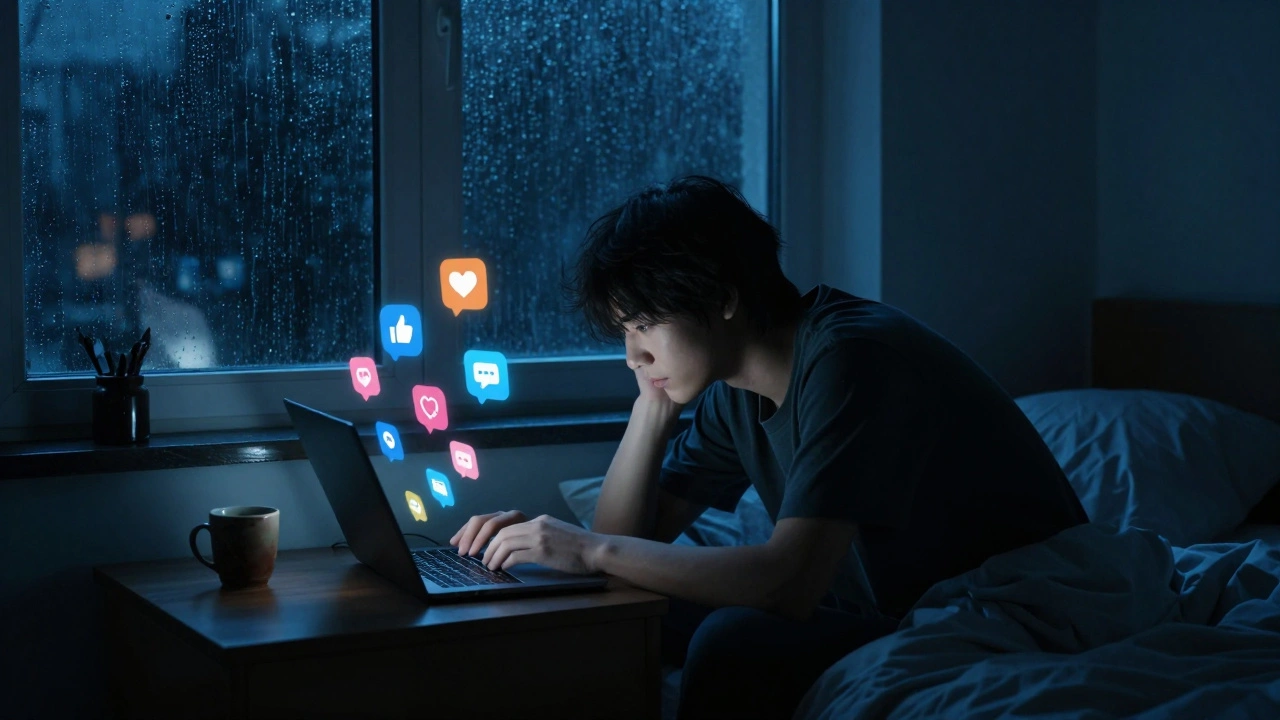
Online Friends vs Real Friends: How to Prioritize Your Relationships
Online friends can feel close, but they rarely replace the depth of real friendships. Learn why prioritizing in-person connections matters more than ever-and how to shift your focus without cutting off digital ties.
Comorbidity Prevalence: How Often Depression and IGD Occur Together
Depression and Internet Gaming Disorder frequently occur together, with over 40% of IGD cases showing clinical depression. This comorbidity isn't coincidence-it's a cycle fueled by escape and emotional pain. Treatment must address both conditions.
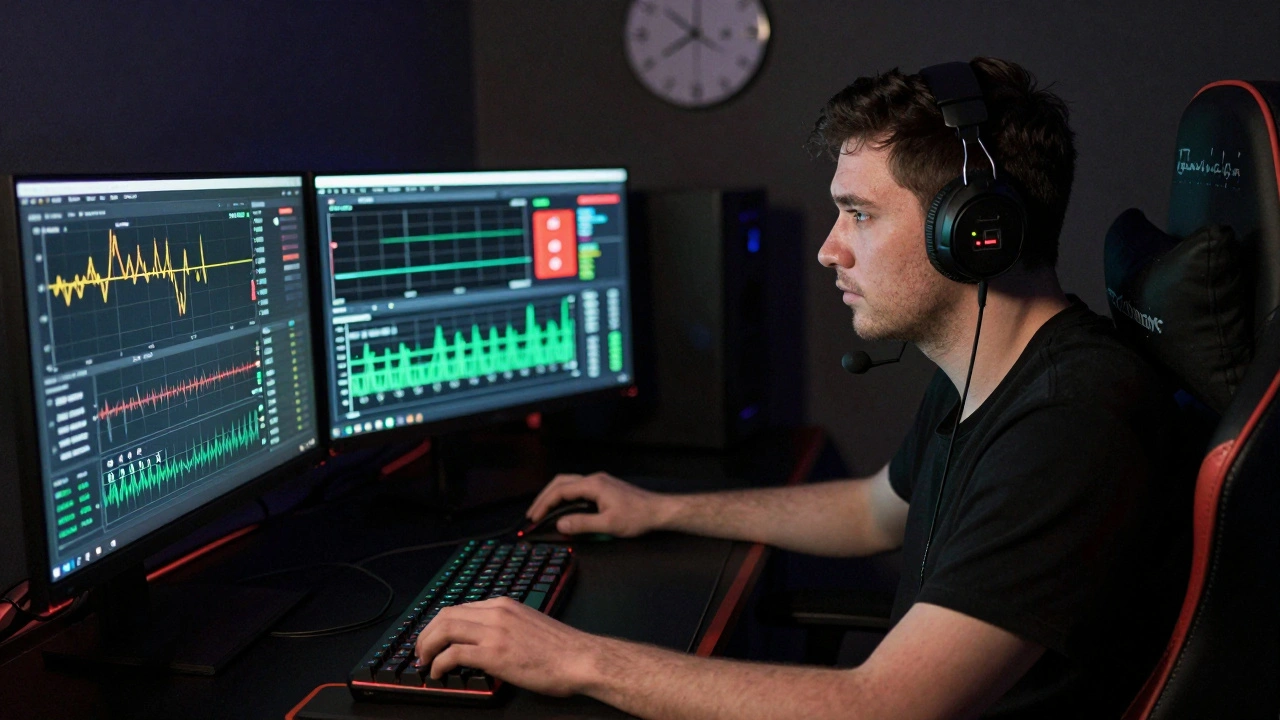
Treating Esports Athletes with Problem Gaming: Practical Solutions for Performance and Health
Esports athletes face unique challenges with problem gaming - not addiction, but performance-draining patterns. Learn how top teams are treating it with data-driven recovery, not abstinence.
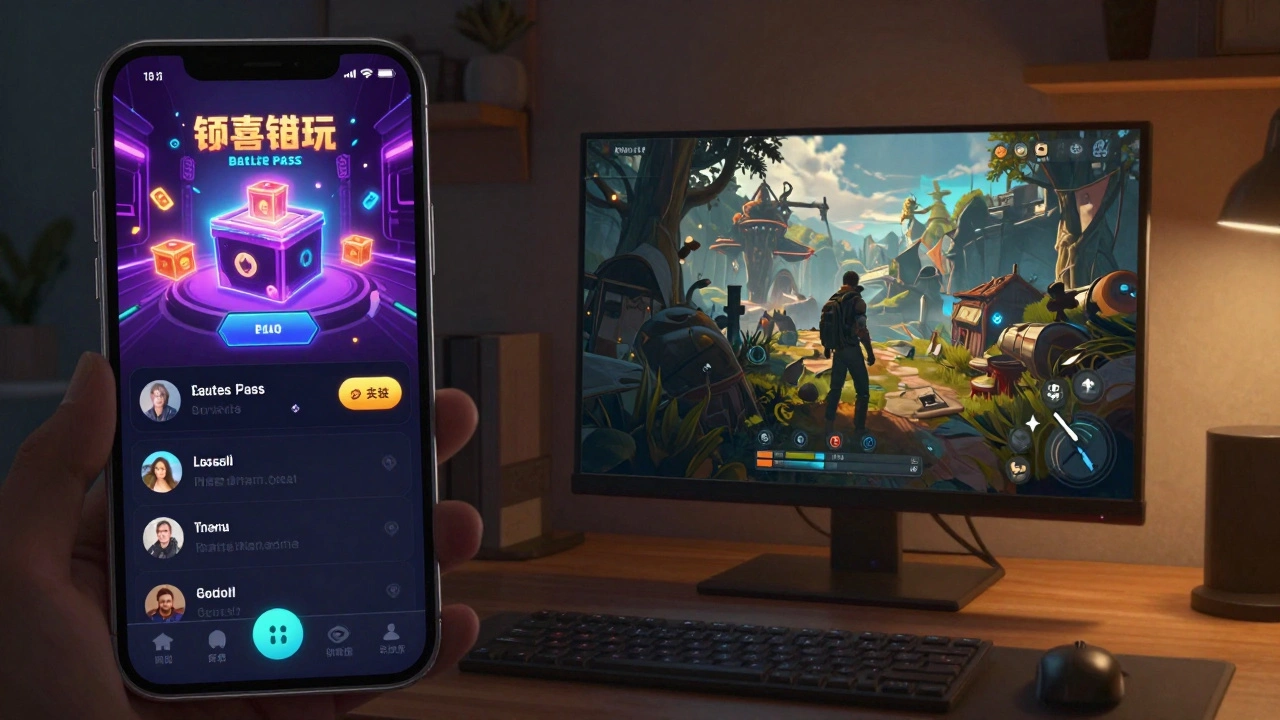
Free-to-Play vs Pay-to-Play: How Game Monetization Models Really Work
Free-to-play and pay-to-play games use completely different ways to make money. One lets you play for free but pushes spending, while the other asks for upfront payment but gives you full control. Here's how they really work in 2026.
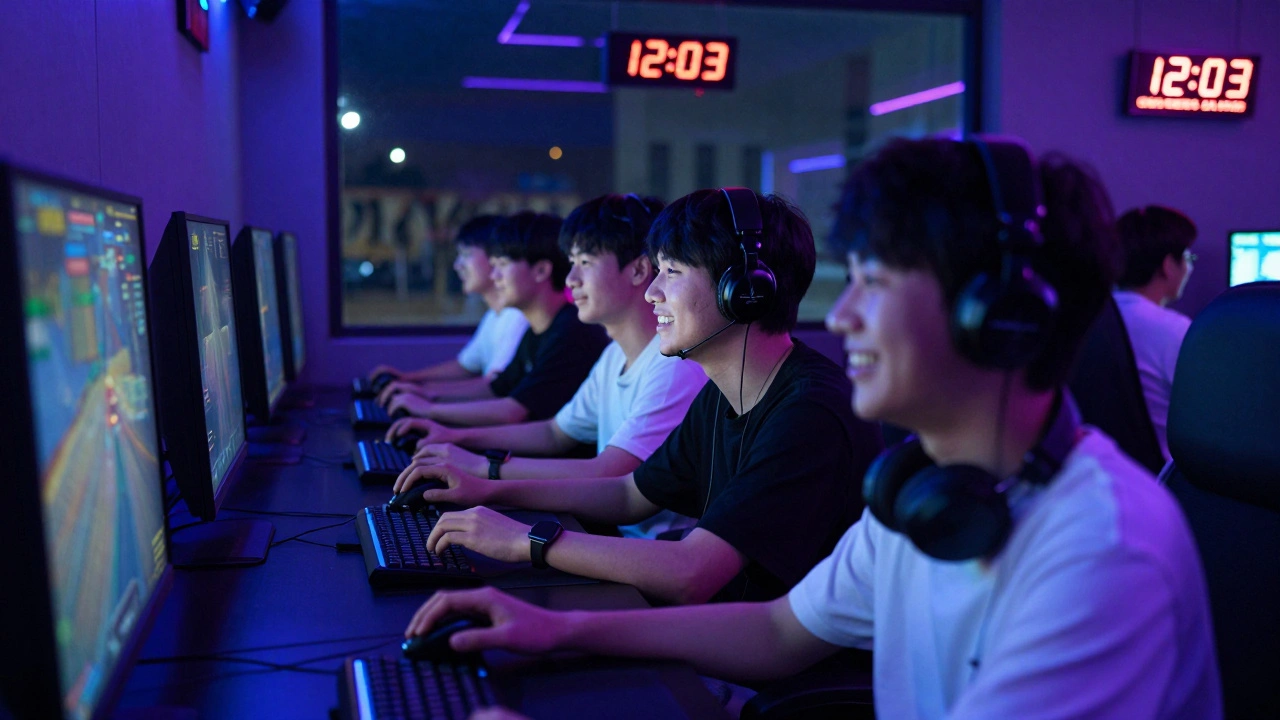
Ethnic and Cultural Differences in Gaming Addiction Prevalence
Gaming addiction rates vary widely across ethnic and cultural groups due to family dynamics, social norms, access to alternatives, and stigma. Understanding these differences is key to effective prevention and intervention.

School-Based Surveys on Problem Gaming: How Reliable Are They?
School-based surveys on problem gaming often misidentify normal behavior as addiction due to outdated tools and biased questions. Better methods focus on real-life consequences, not screen time.
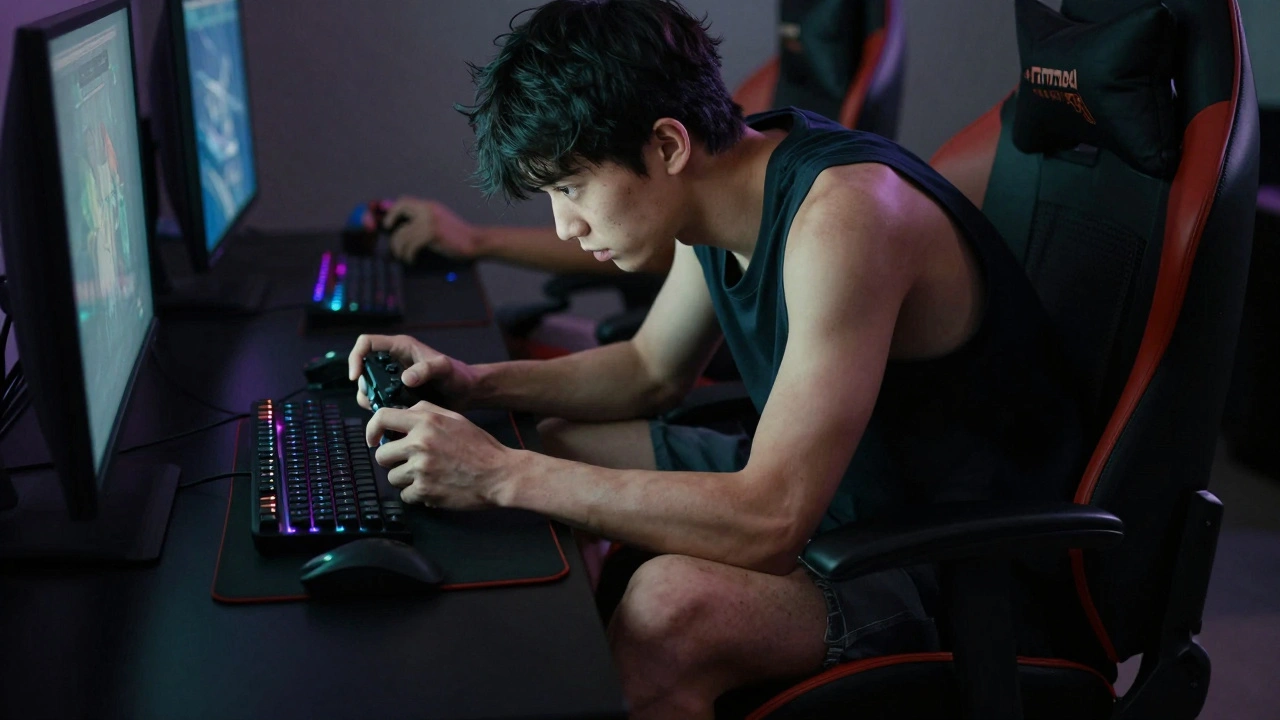
Muscle Loss and Deconditioning from Prolonged Gaming
Prolonged gaming can cause serious muscle loss and deconditioning-even in young, healthy people. Learn how sitting for hours affects your body and simple ways to reverse it without quitting games.
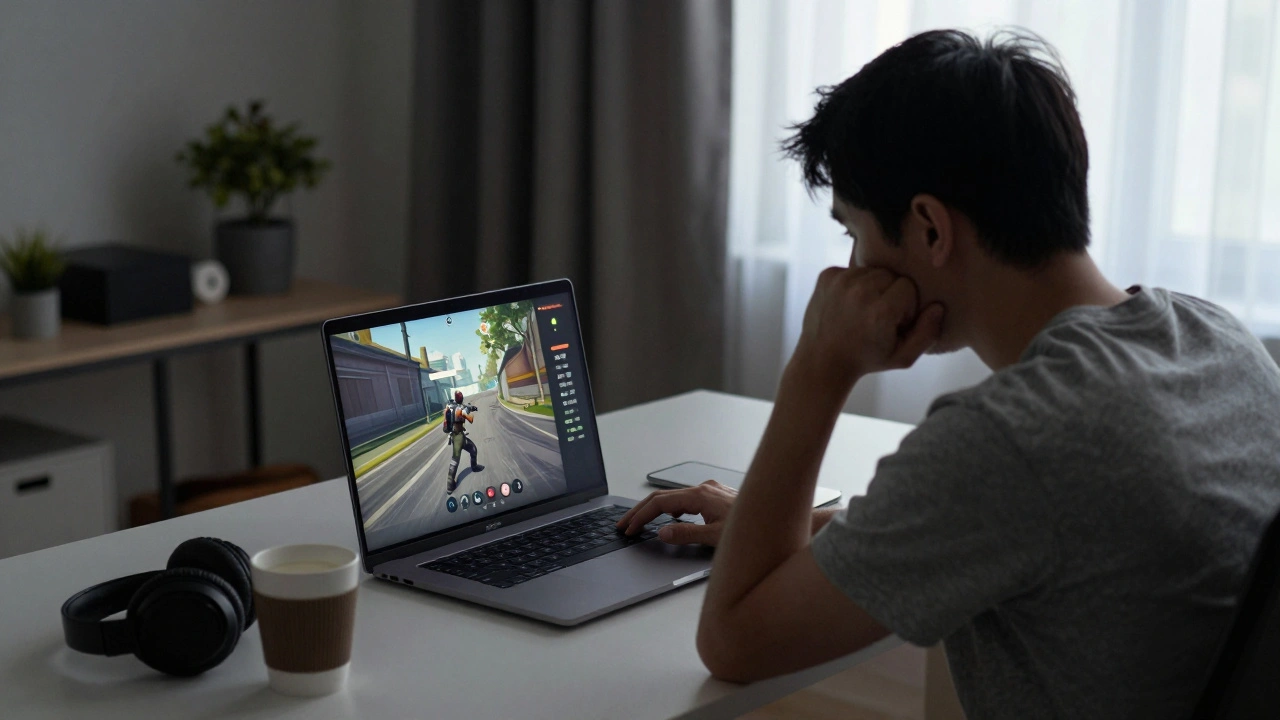
Workplace Gaming: How Using Work Time for Personal Gaming Affects Productivity and Morale
Workplace gaming is more common than you think-but it’s not just about fun. It’s a sign of deeper issues like burnout, boredom, or poor work design. Learn how it affects productivity, morale, and what you can do about it.

Widowed Seniors and Online Games: How Play Helps Grief and Loneliness
Widowed seniors are finding new purpose and connection through simple online games like Words With Friends and Spades Online. These games offer structure, low-pressure social interaction, and a sense of belonging - helping ease loneliness and grief without needing to talk about loss.

Faith and Recovery: Spiritual Tools That Helped Me Quit Gaming
Discover how faith, silence, and community helped someone break free from gaming addiction-not through discipline, but through spiritual presence. Real recovery starts when you stop running and start listening.
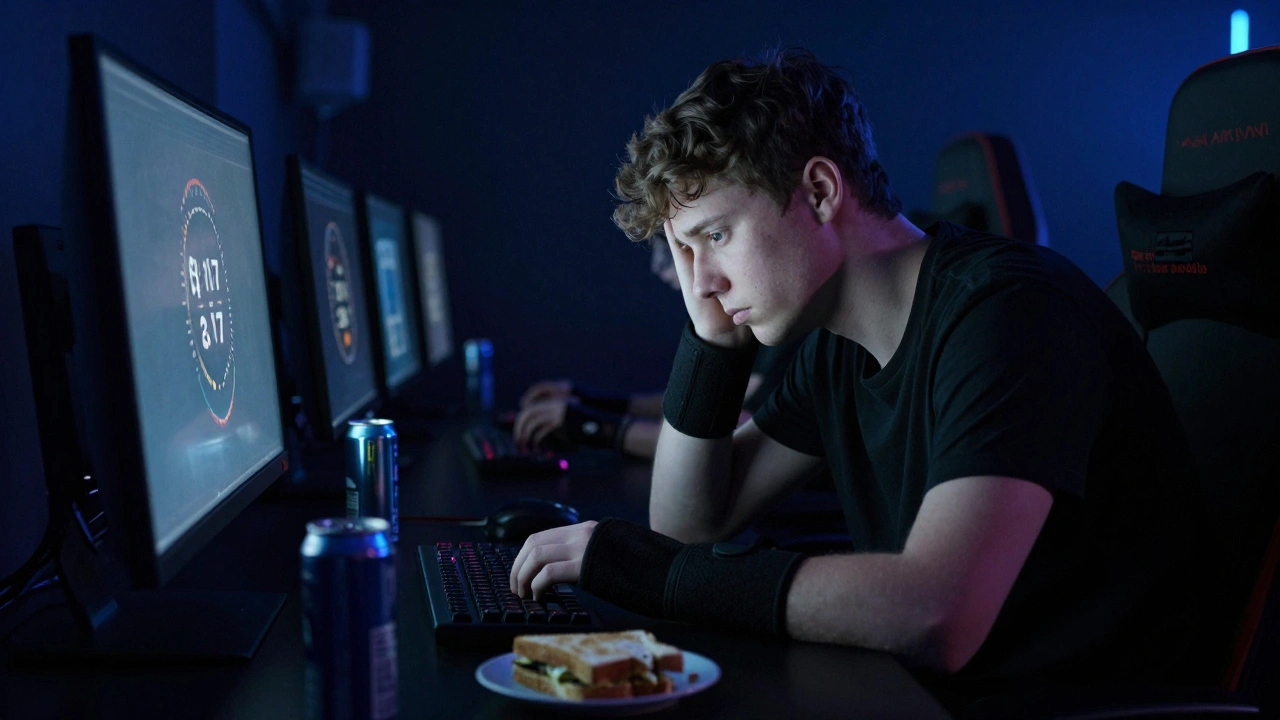
Competitive Esports Games and the Hidden Risk of Professional Gaming Addiction
Professional esports players face hidden dangers: physical injuries, mental health crises, and addiction tied to performance pressure. This is the real cost of competitive gaming.