Category: Health & Wellness - Page 4
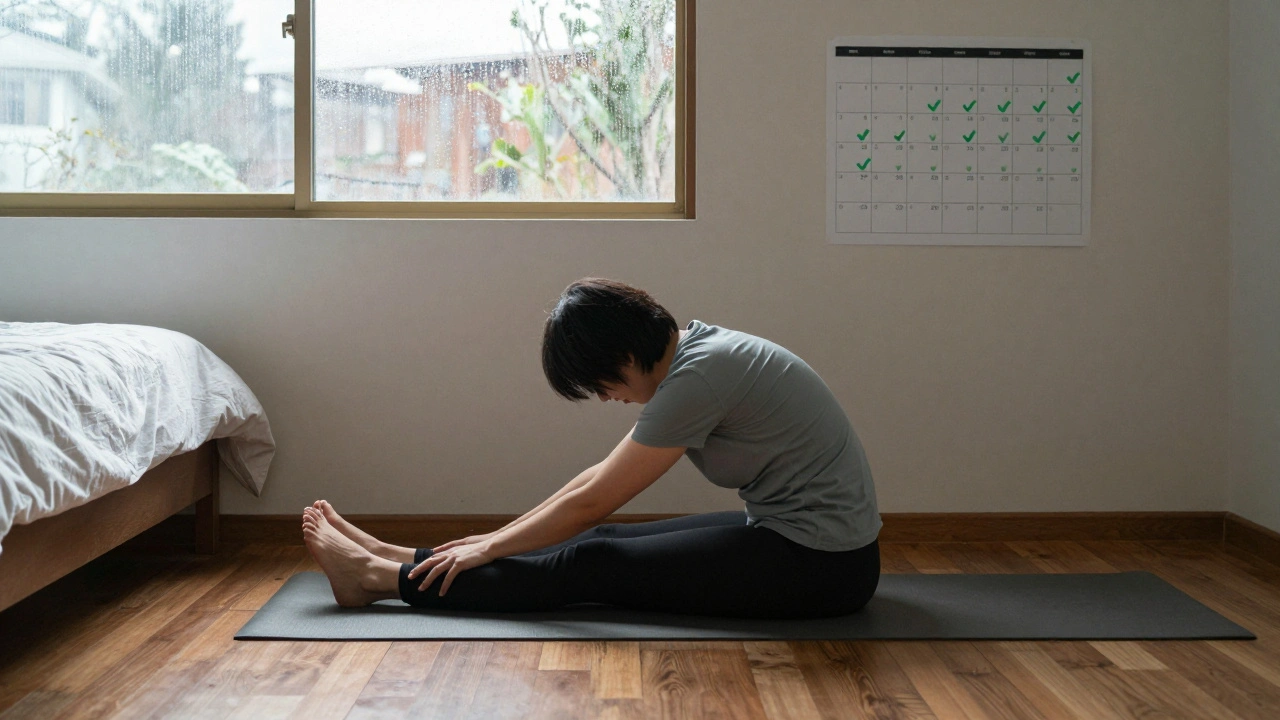
Gamified Recovery: Using Streaks to Build Healthy Habits
Gamified recovery using streaks turns healthy habits into unstoppable routines. Learn how small, consistent actions build identity, not just habits - and why streaks beat goals every time.
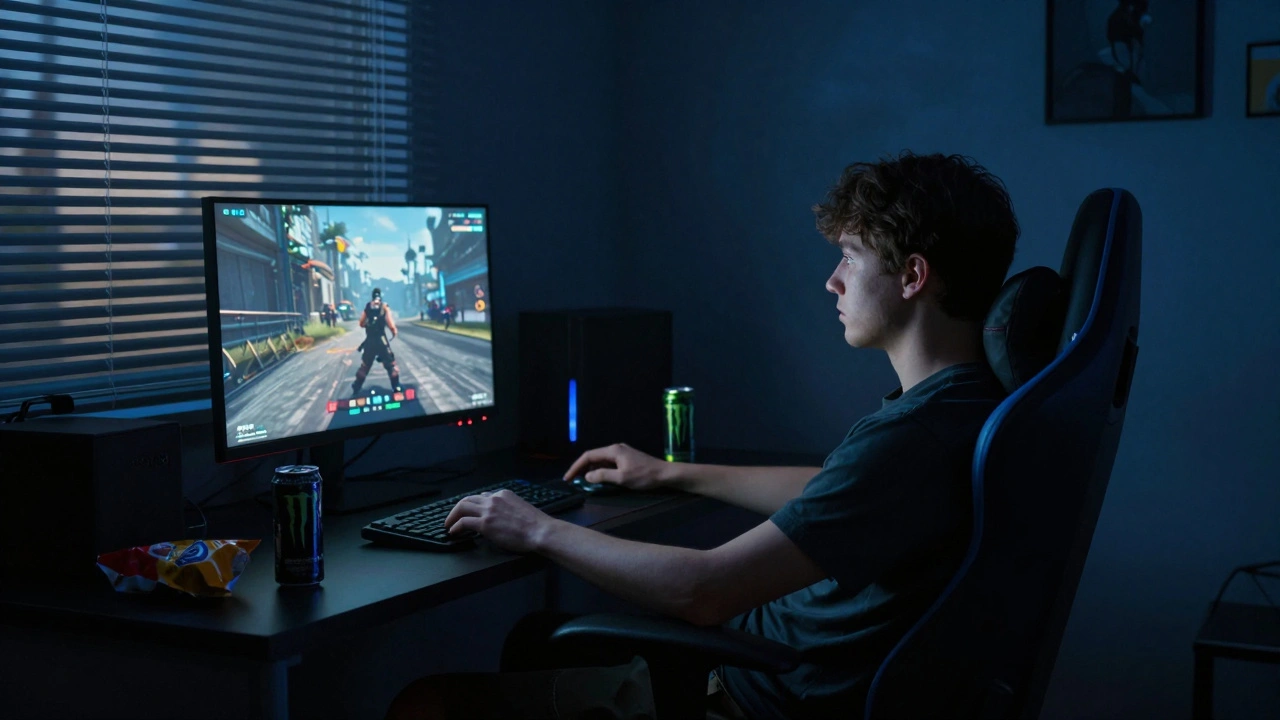
Bone Health Risks in Inactive Young Gamers
Inactive young gamers are at risk for weakened bones due to lack of movement and sunlight. Simple daily habits like walking outside and doing bodyweight exercises can reverse bone density loss and prevent future fractures.
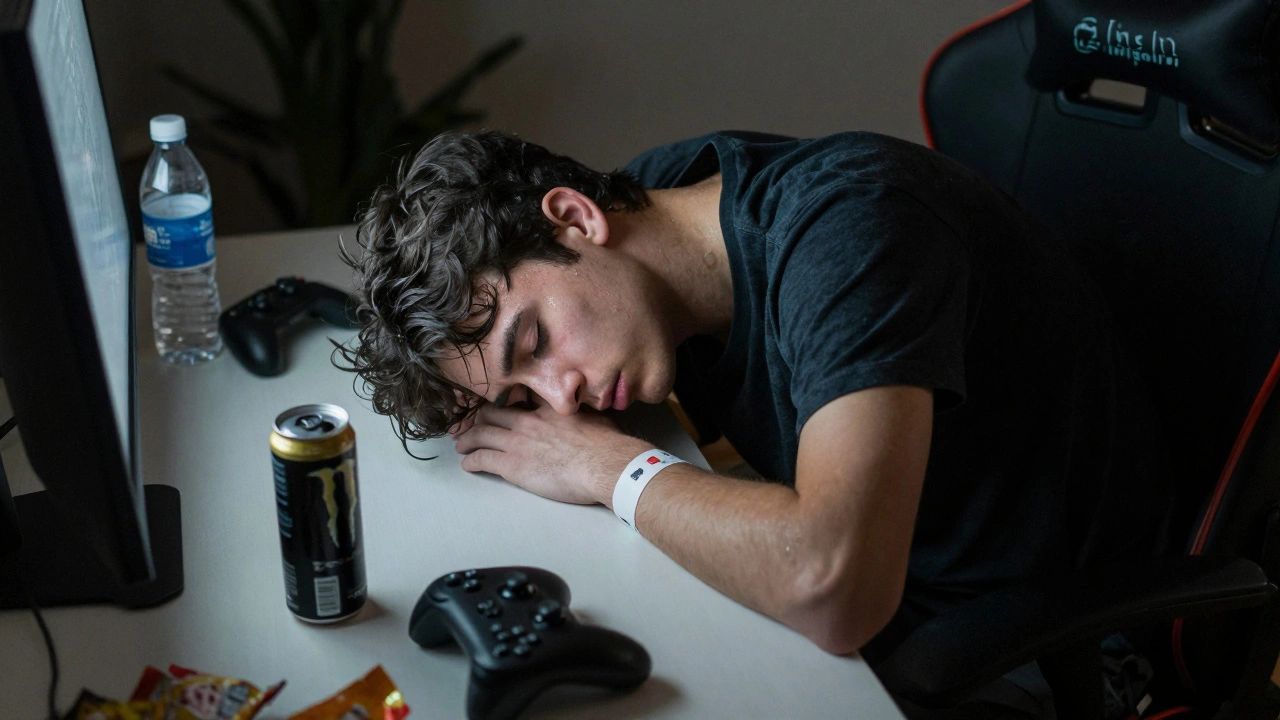
When to Go to the ER for Gaming-Related Health Problems
Gaming can lead to serious health emergencies - dehydration, blood clots, heart issues, and psychosis. Know the warning signs that mean you need to go to the ER immediately. Don't wait until it's too late.
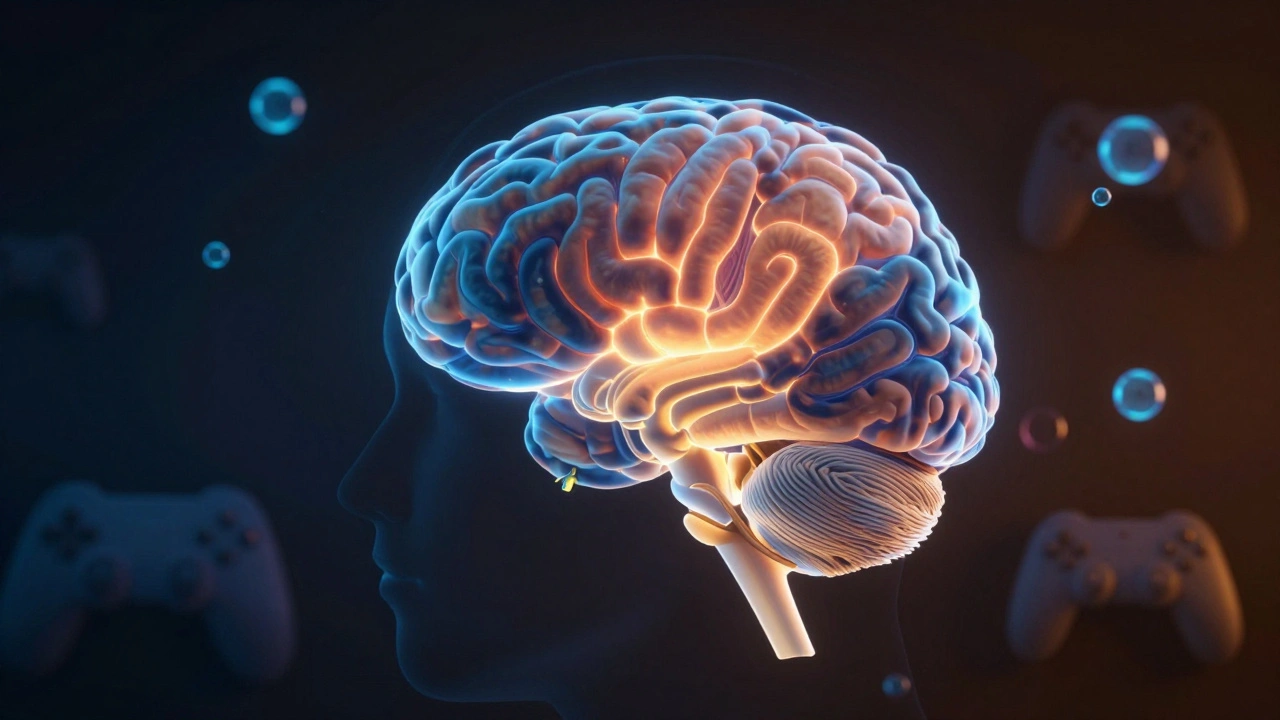
How Gaming Disorder Affects Glucose Metabolism and Energy Use in the Brain
Gaming disorder isn't just about screen time-it changes how your body uses glucose. Chronic gaming can lower brain energy, spike blood sugar, and lead to insulin resistance. Here's what science shows happens-and how to reverse it.
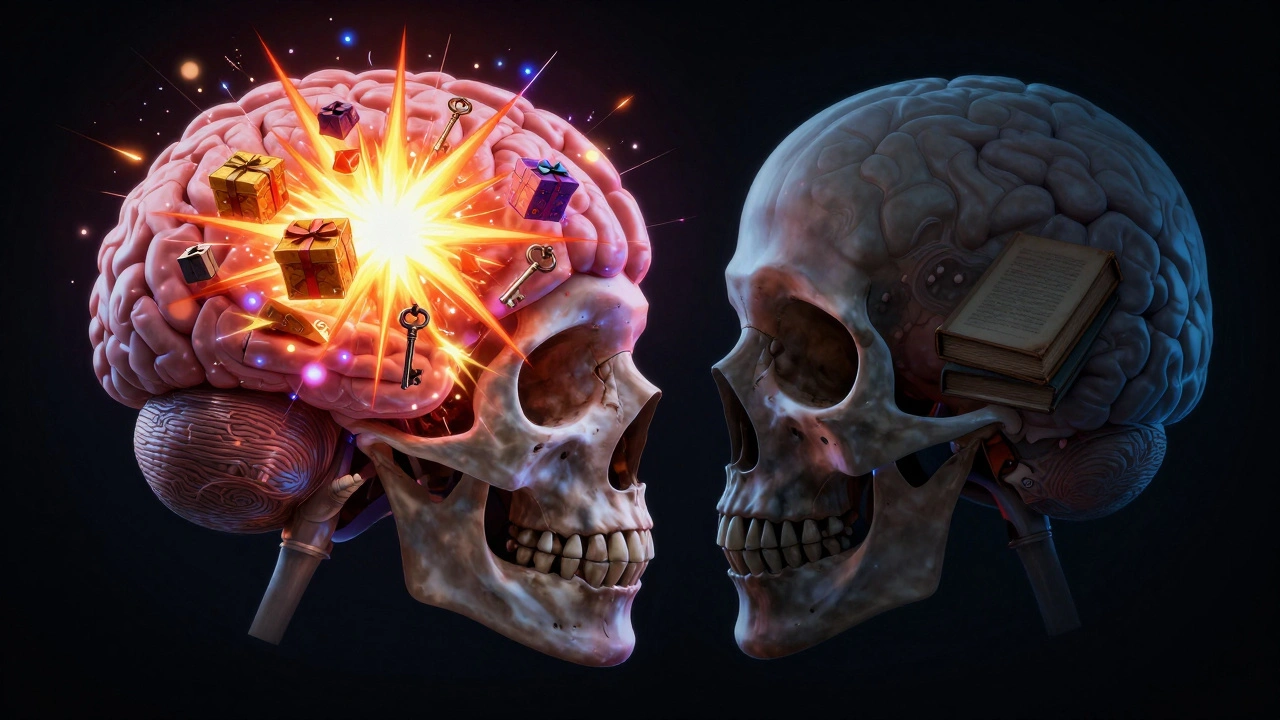
How Gaming Addiction Affects Memory and Attention
Gaming addiction can shrink memory centers in the brain and destroy attention span by overstimulating reward pathways. Studies show real, measurable changes-but recovery is possible with complete abstinence.
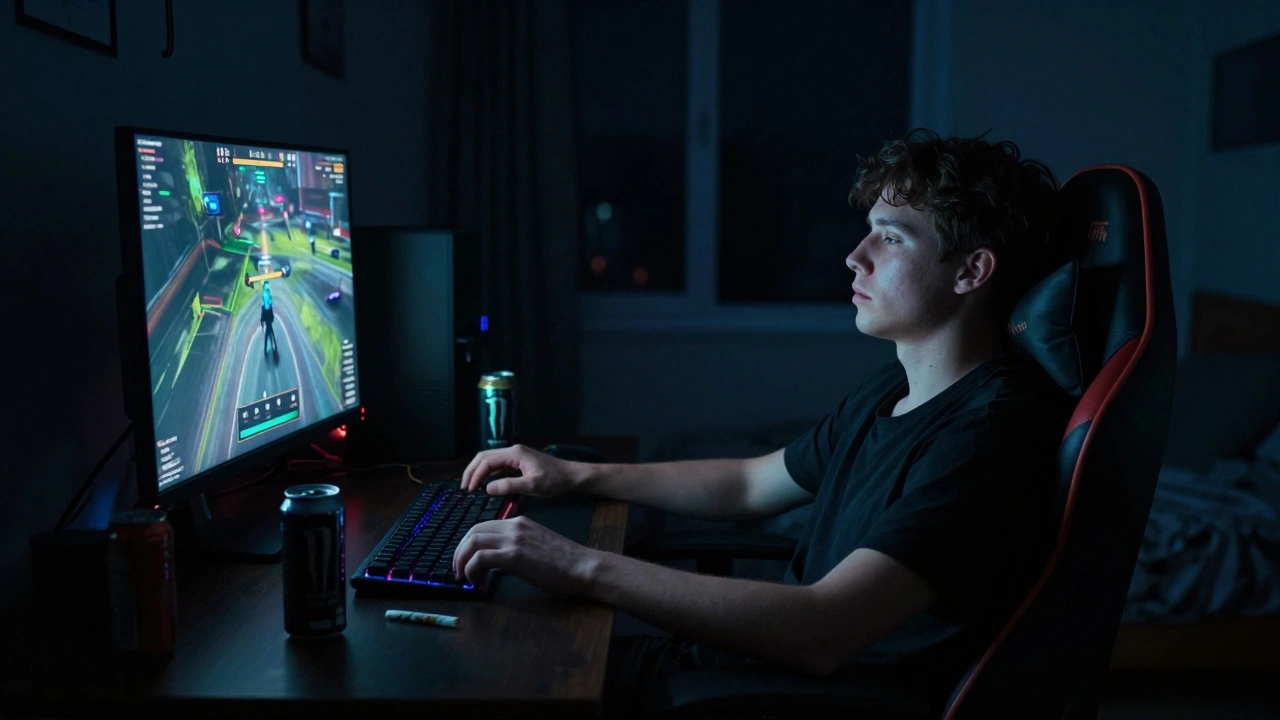
Substance Abuse Comorbidity: How Gaming Addiction and Drug Use Interconnect
Gaming addiction and drug use often occur together, feeding a cycle of escape and emotional pain. Learn how the brain links these behaviors, who’s most at risk, and what real recovery looks like.
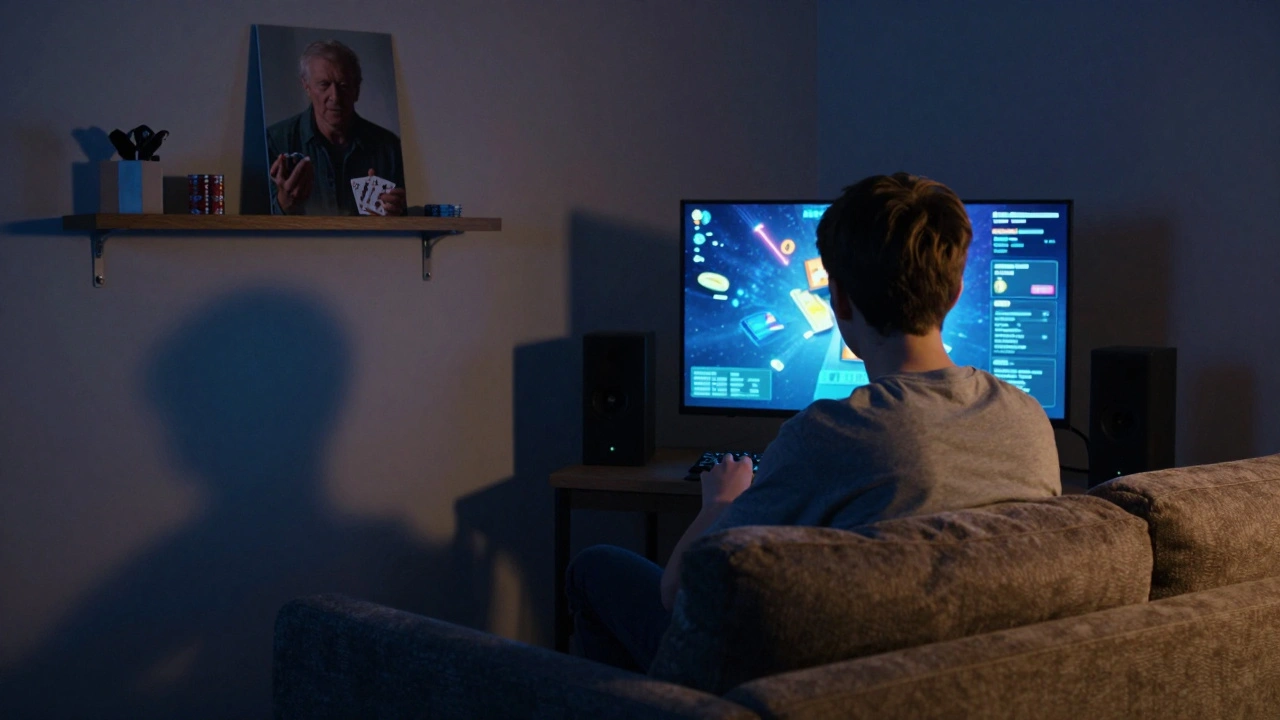
Gambling Family History: How Family Patterns Increase Cross-Addiction Risk in Gamers
Family history of gambling increases the risk of cross-addiction in gamers, linking biological predisposition with behavioral patterns. Learn how early exposure shapes brain development and what steps can break the cycle.
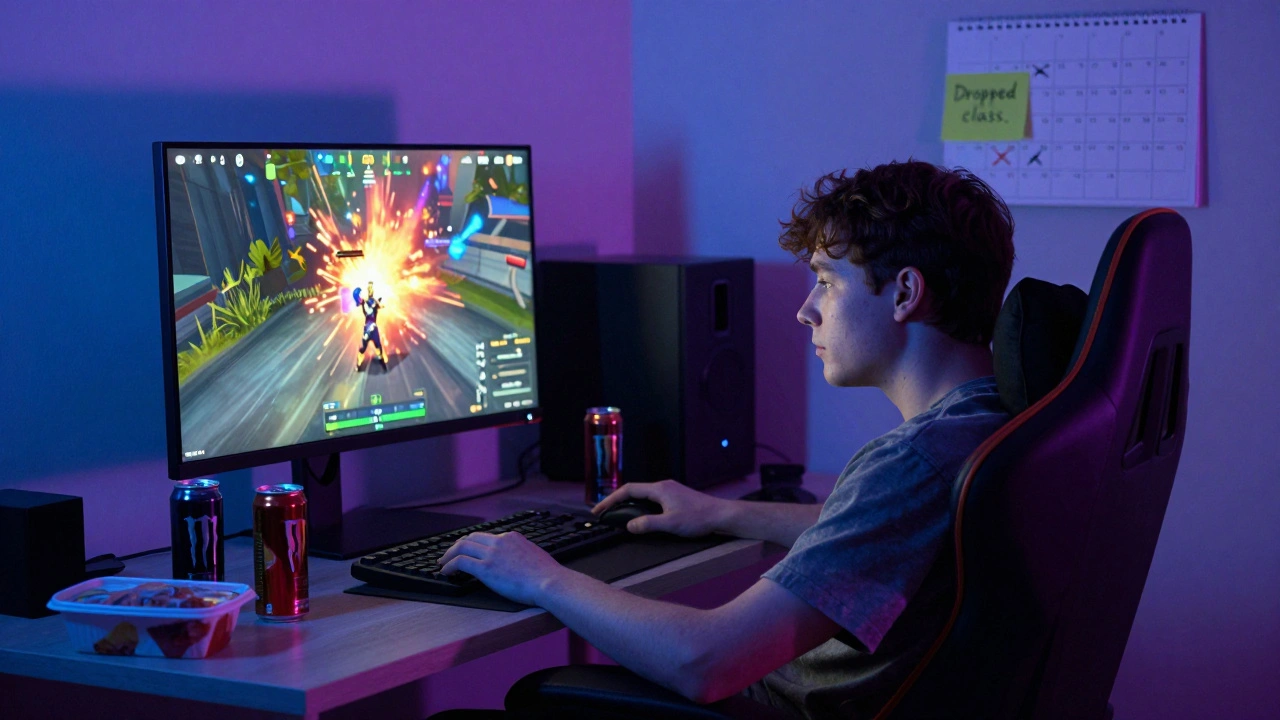
United States Gaming Disorder Prevalence: Latest National Estimates
Latest national data shows 3.1% of U.S. adults meet criteria for gaming disorder, affecting 8 million people. Young adults and those with anxiety or depression are at highest risk. Treatment and awareness are growing but still lag behind the need.
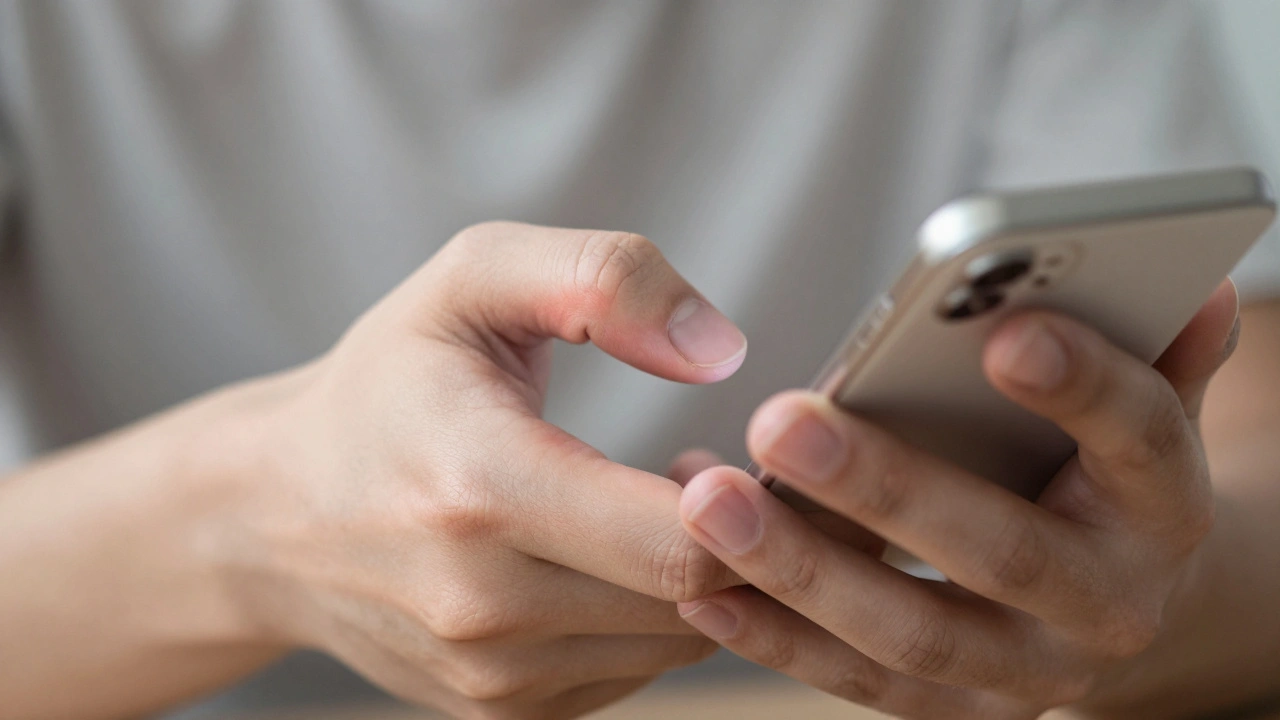
Trigger Finger and Tendinopathy from Mobile Gaming
Mobile gaming can cause trigger finger and tendinopathy from repetitive thumb and finger movements. Learn how to recognize early signs, prevent damage, and recover with rest and simple habits.
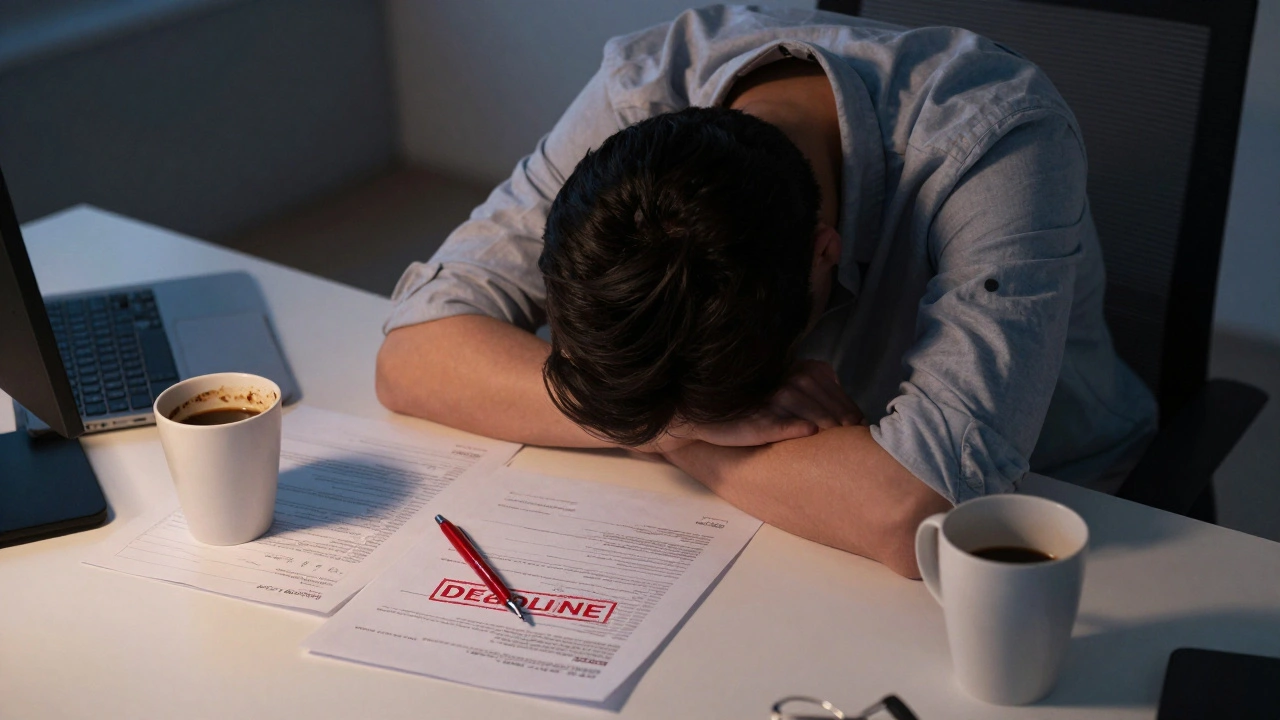
Academic and Work Performance Decline: Recognizing Functional Impairment from Addiction
Academic and work performance decline can be a silent sign of addiction. Learn how functional impairment manifests in daily life and why early recognition is key to recovery.
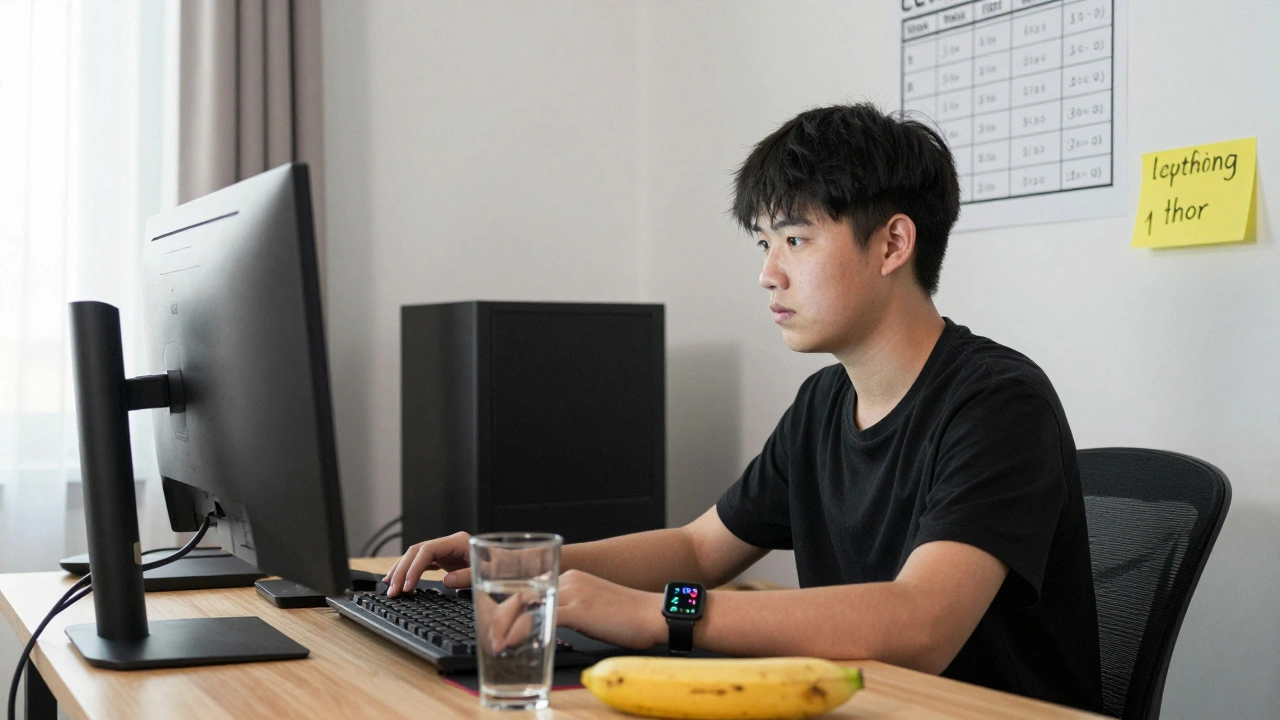
How to Balance Esports Training with School and Health
Balancing esports training with school and health is possible with structure, discipline, and smart habits. Learn how to train effectively without burning out, harming your body, or falling behind in class.
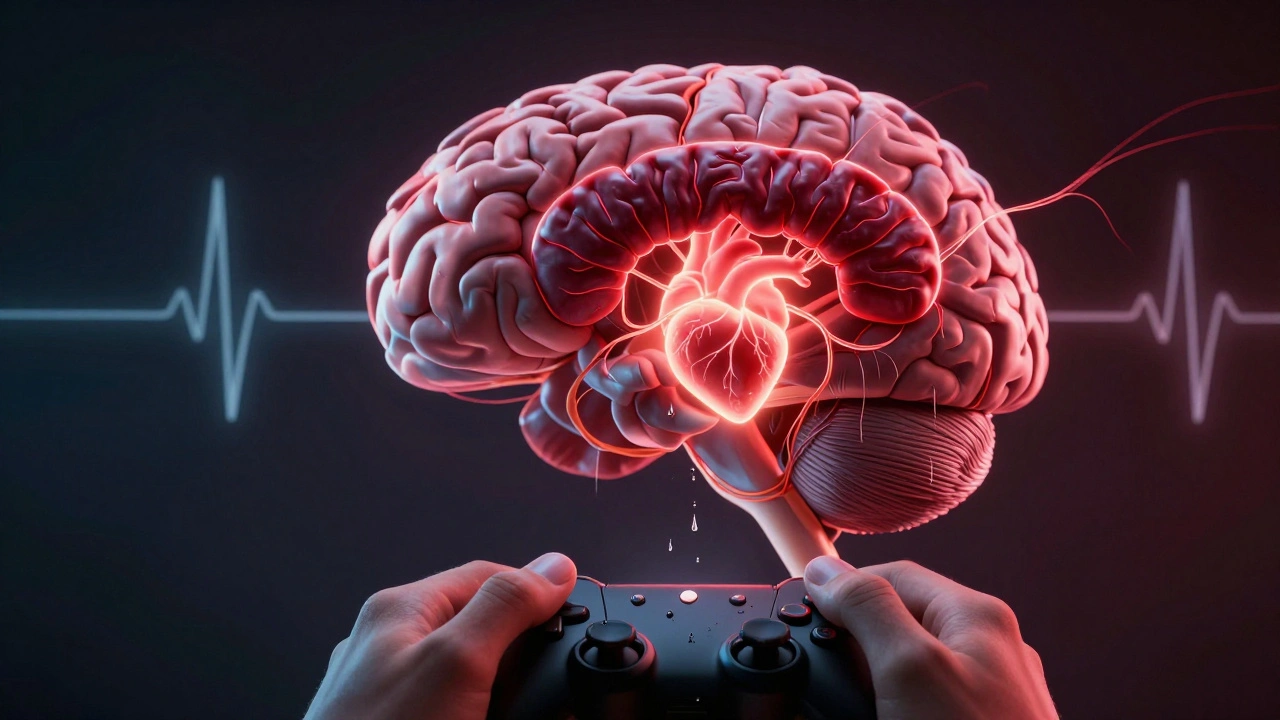
Interoception and Gaming: How the Insula Shapes Urge States in Players
Interoception-the brain's internal sensing system-plays a key role in gaming urges, with the insula driving the compulsion to keep playing. Understanding this biology helps players break compulsive cycles without quitting games entirely.